Discover the real consequences of neglecting your water heater maintenance. Learn how sediment buildup affects efficiency, causes damage, and increases costs. Plus, simple steps to keep it running smoothly.

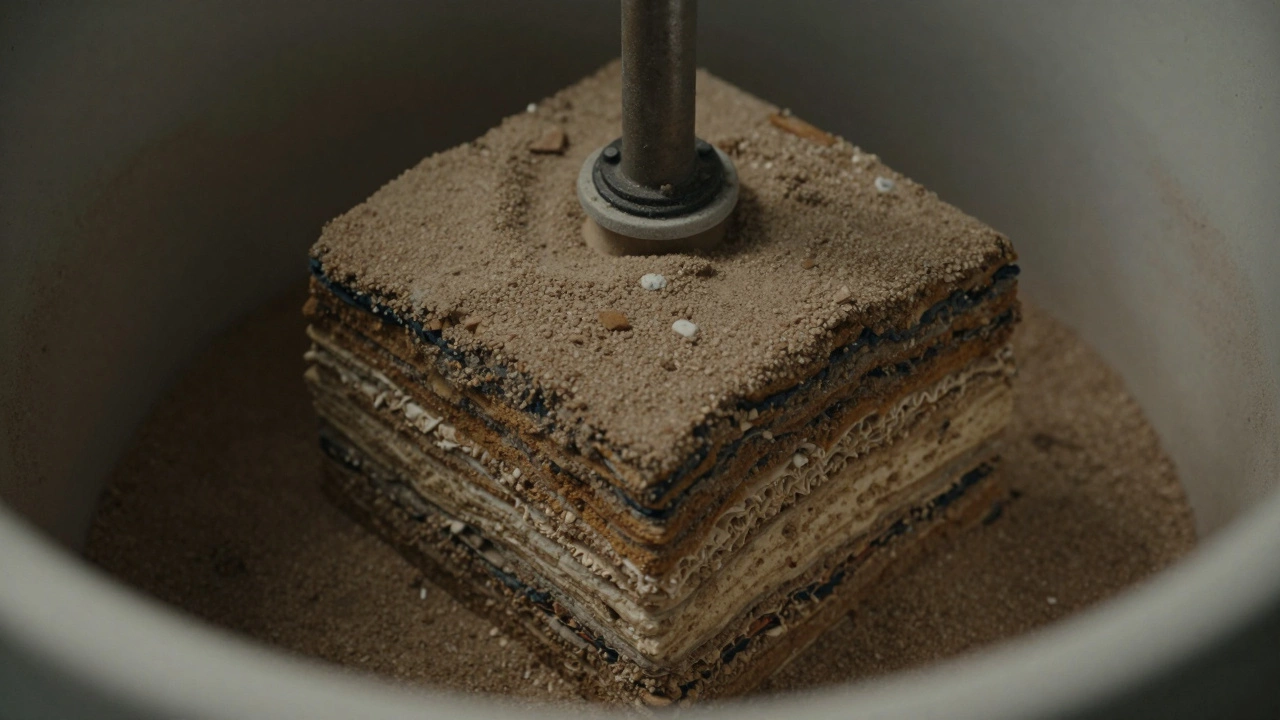
If you’ve ever noticed cloudy water or a drop in hot water performance, sediment might be the culprit. Tiny mineral grains settle at the bottom of your heater over time, creating a layer that blocks heat transfer. The result? Longer heating cycles, higher energy bills, and eventually, a heater that just gives up.
Flushing means pulling fresh water through the tank to push the grit out. Draining simply empties the tank, which can leave a lot of sludge behind. For most modern tanks, a flush once a year does the trick. If you have hard water or use the heater heavily, consider a flush every six months. It’s quick, cheap, and can add years to your unit’s life.
1. Turn off the power or gas supply – safety first.
2. Shut off the cold‑water inlet valve.
3. Attach a garden hose to the drain valve and run it to a floor drain.
4. Open the drain valve and let the water flow.
5. When the tank empties, briefly open the cold‑water inlet to stir up any remaining grit.
6. Close the inlet, remove the hose, and let the tank fill back up before turning the heater on.
If you’re not comfortable with any of these steps, call a local pro. Nuneaton Appliance Repair Experts can flush, drain, or even replace a badly corroded tank in no time.
Remember, regular maintenance keeps your water heater efficient, saves money, and avoids surprise breakdowns. Spot the signs early – strange noises, lukewarm showers, or a sudden spike in your energy bill – and take action. A quick flush now can save you a costly replacement later.
Discover the real consequences of neglecting your water heater maintenance. Learn how sediment buildup affects efficiency, causes damage, and increases costs. Plus, simple steps to keep it running smoothly.

Worried about flushing a 10‑year‑old water heater? Learn when to flush, when to skip, and when to replace. Safe UK steps, costs, and pro tips.