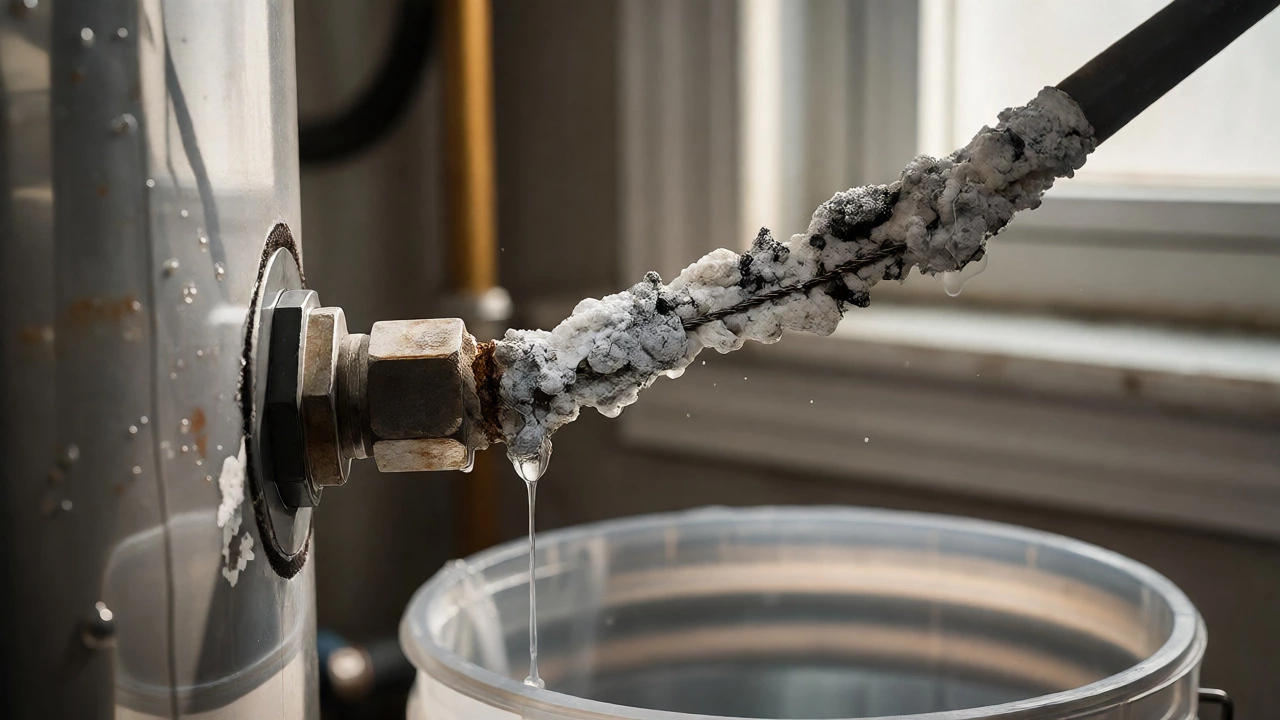
Learn how often to replace your water heater anode rod. Discover signs of wear, lifespan factors, and DIY inspection tips to extend your tank's life.

If your shower feels like a cold plunge, the water heater is probably the culprit. Most problems are simple enough to spot at home, but a few need a qualified tech. Knowing the difference saves you time, money, and a lot of frustration.
First, make sure the power or gas supply is on. A tripped breaker or a pilot light that went out can shut the whole system down. Reset the breaker or relight the pilot – follow the manufacturer’s guide and stay safe.
Next, feel the thermostat dial. If it’s set too low, raise it a few degrees and wait a few minutes. Still no heat? Check the reset button on the heater. Press it firmly for a second; if it pops back out, the heater may have overheated and needs a deeper look.
Look for leaks around the tank, the valve, and the pressure relief pipe. Small drips often mean a worn anode rod or a loose connection. Tighten fittings, but don’t over‑tighten – you could damage the threads.
Another easy test is the sediment build‑up check. Turn off the heater, let it cool, then open the drain valve and let some water run out. If the water comes out cloudy or with debris, the tank needs flushing. Flushing removes mineral buildup and can restore efficiency.
If the heater doesn’t fire up after you’ve checked power, gas, and the reset button, it’s time to call an expert. Faulty heating elements, broken thermostats, or corroded tanks require specialist tools and knowledge.
Experienced technicians can also test the pressure relief valve, replace the anode rod, and inspect internal wiring. Replacing an anode rod costs a modest amount and can add years to your heater’s life, especially in hard‑water areas.
Age matters too. A water heater that’s 15‑20 years old may be nearing the end of its useful life. If you notice rust stains, loud rumbling, or a sudden drop in hot water output, weigh repair costs against a new unit. New models are more energy‑efficient and could lower your bills.
Safety can’t be ignored. Gas leaks, electrical shorts, or a burst tank are hazards that only a licensed plumber or electrician should handle. Trying to fix those yourself could put your home at risk.
Regular maintenance keeps problems at bay. Schedule a flush once a year, check the pressure relief valve, and test the reset button during each service visit. Simple habits prevent costly breakdowns and keep the water hot when you need it.
Bottom line: start with the basics – power, pilot, reset, leaks, and flushing. If those steps don’t restore heat, call a professional for a thorough diagnosis and safe repair. With the right care, your water heater will keep the family warm for years to come.
Learn how often to replace your water heater anode rod. Discover signs of wear, lifespan factors, and DIY inspection tips to extend your tank's life.
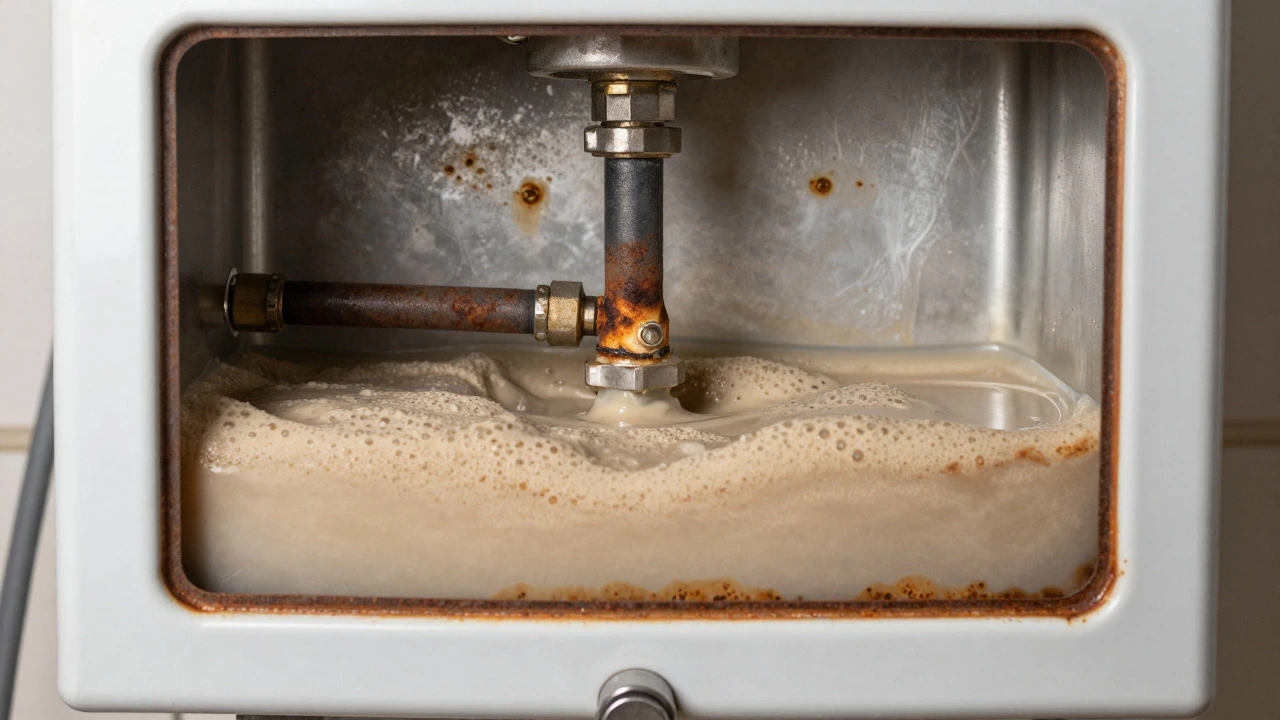
Discover the average lifespan of different water heater types, from conventional tanks to tankless systems. Learn how maintenance, sediment, and anode rods impact longevity and when to replace your unit.
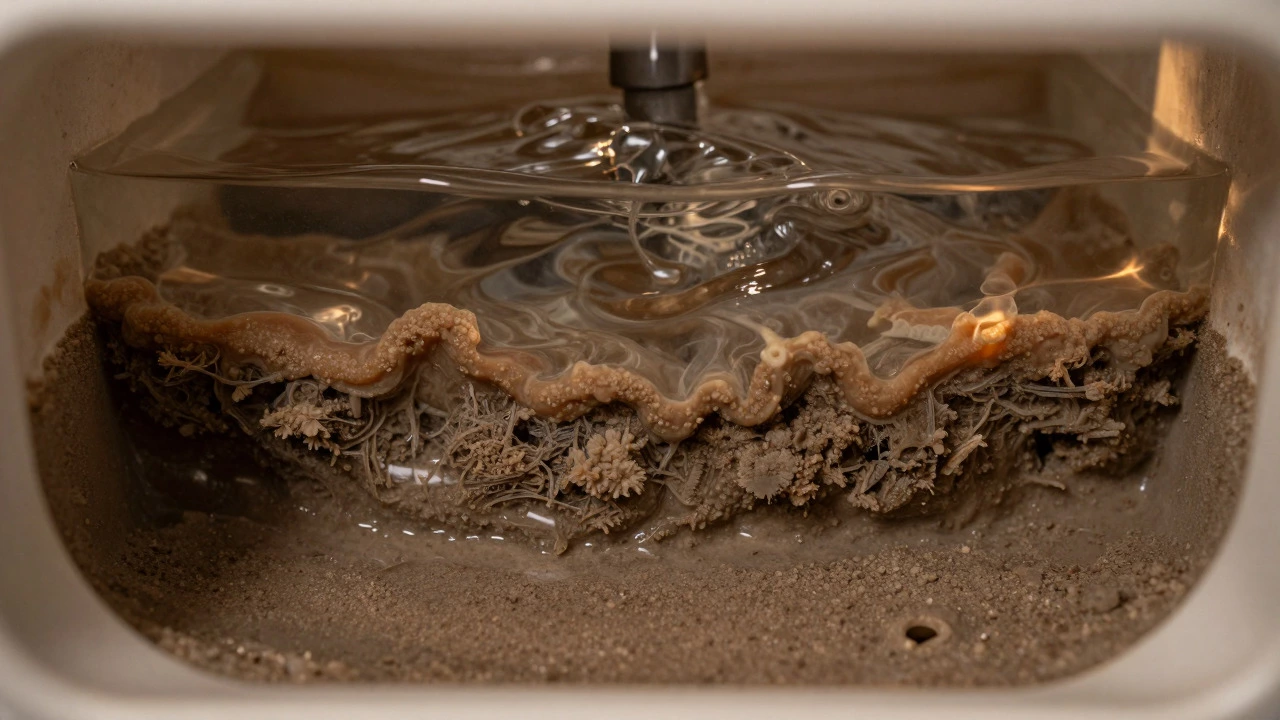
Learn how to flush your water heater yourself to remove sediment and boost efficiency. This guide covers safety tips, step-by-step instructions for gas and electric units, and common mistakes to avoid.
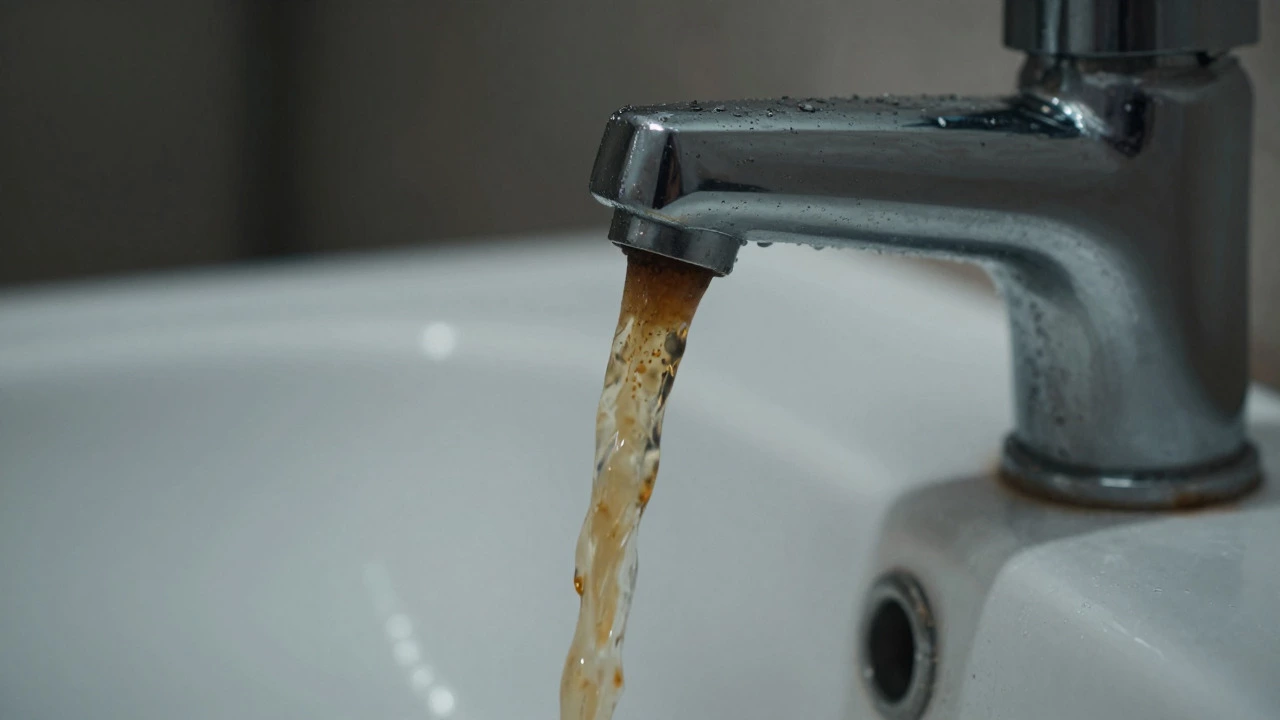
Spotting water heater red flags early prevents costly floods and cold showers. Learn the 7 key signs like rust, noise, and leaks that mean it's time for repair or replacement.
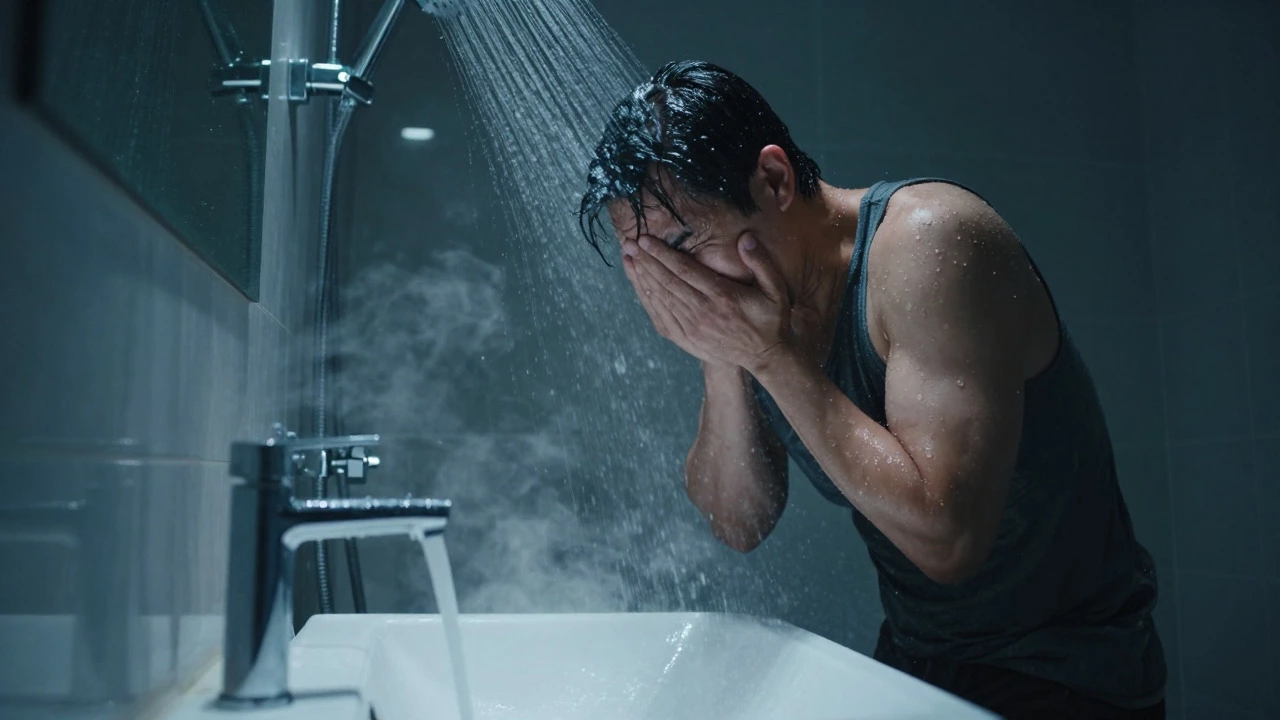
Discover why your shower lacks hot water while the sink works fine. We break down common causes like faulty cartridges, dip tubes, and pressure imbalances to help you fix the issue fast.
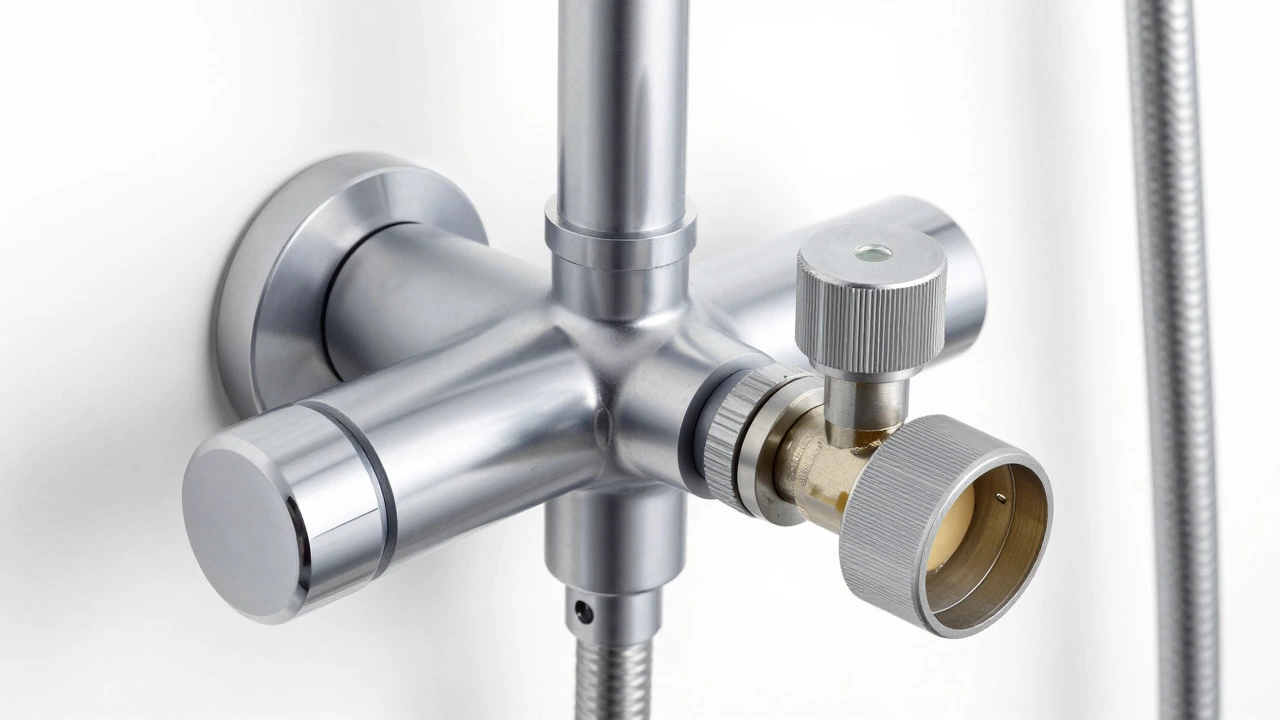
Discover why your shower lacks hot water while the sink works fine. Learn to diagnose TMV failures, scale blockages, and diverter issues with our step-by-step guide.
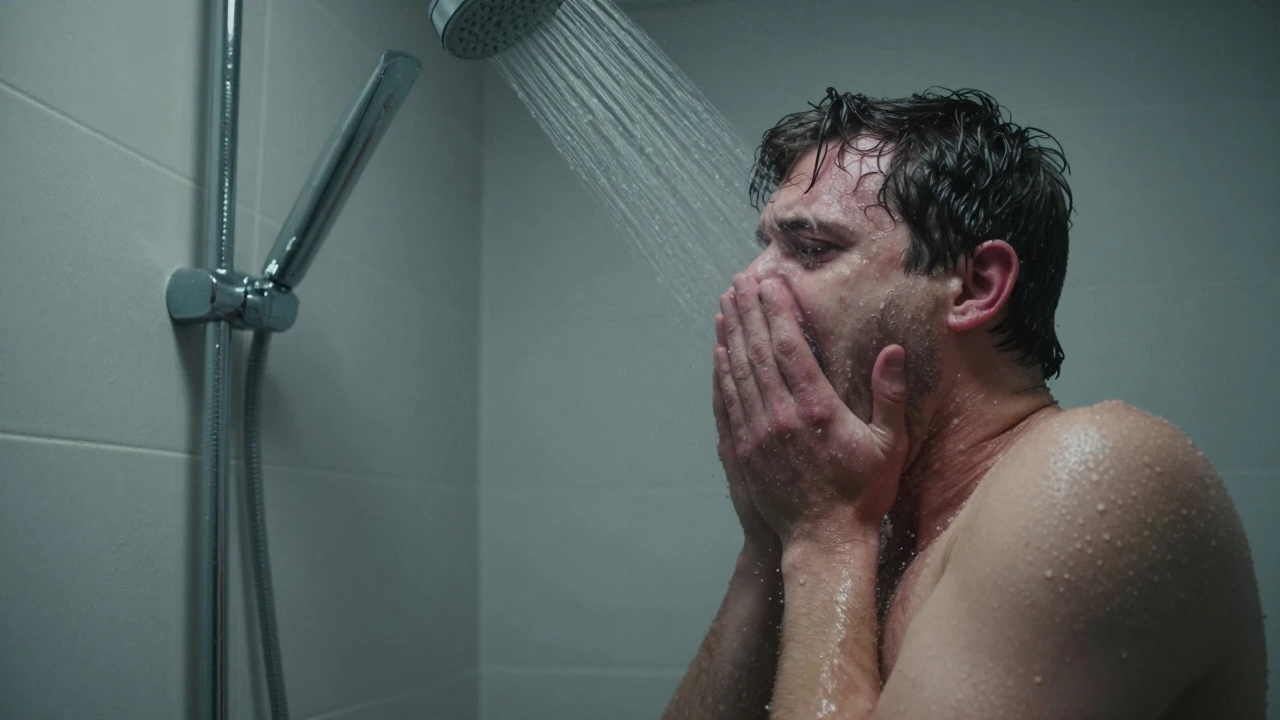
Spot the warning signs your water heater is dying before it floods your home. Learn to identify rust, strange noises, temperature drops, and age-related failures to avoid costly emergencies.
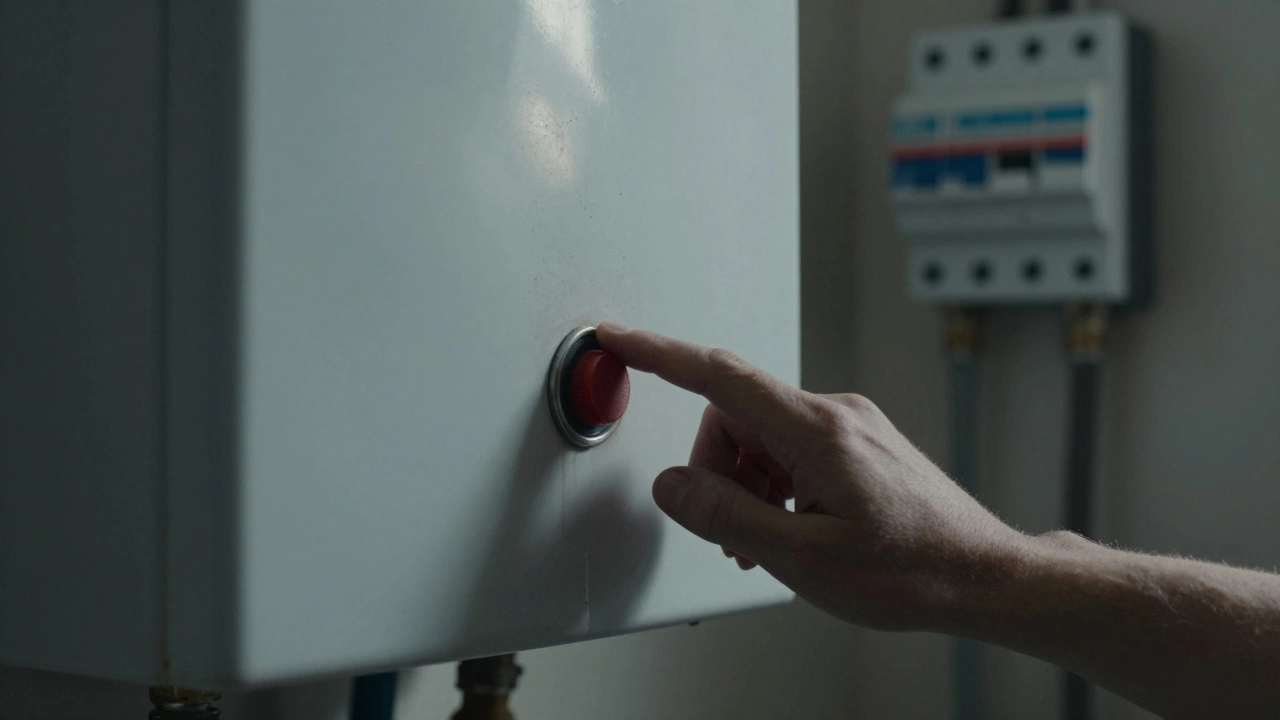
Repeatedly resetting a water heater ignores critical safety warnings. Learn the electrical and gas risks, signs of sediment buildup, and when to call a professional to avoid fire, explosion, or flooding.
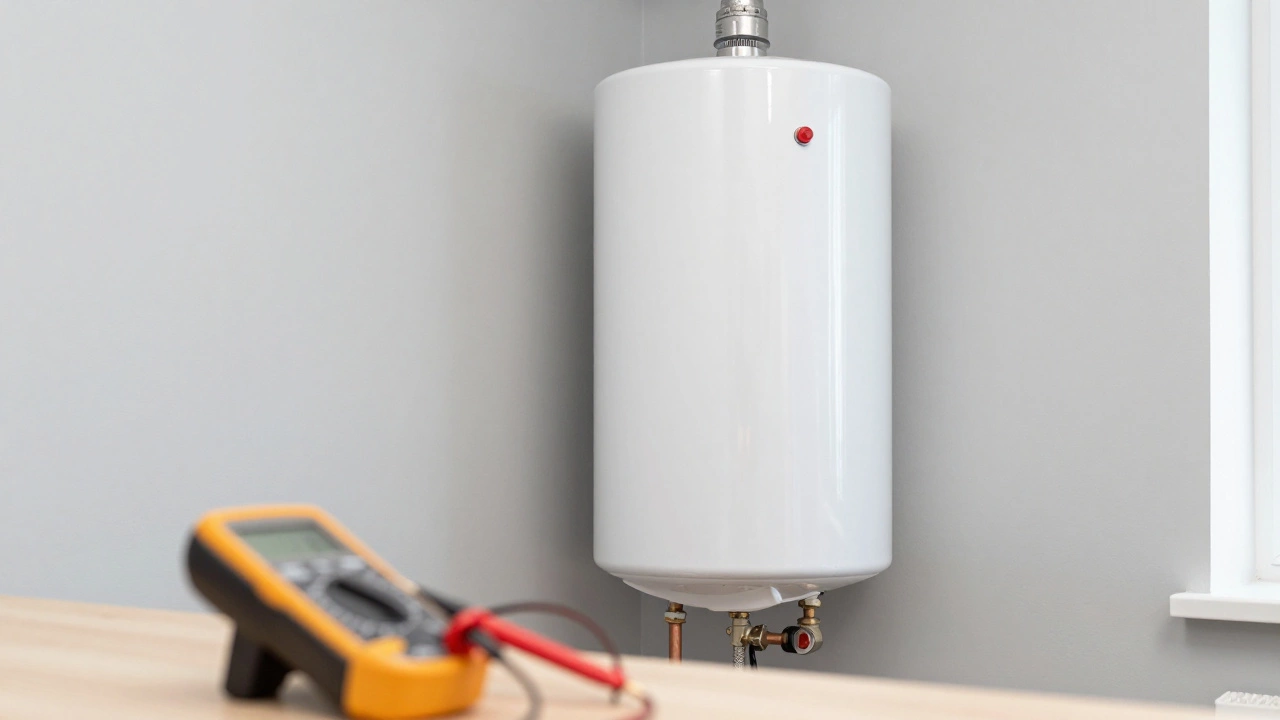
Discover why your hot water heater suddenly stopped working. From tripped breakers to pilot light failures, learn how to troubleshoot and fix common issues yourself.
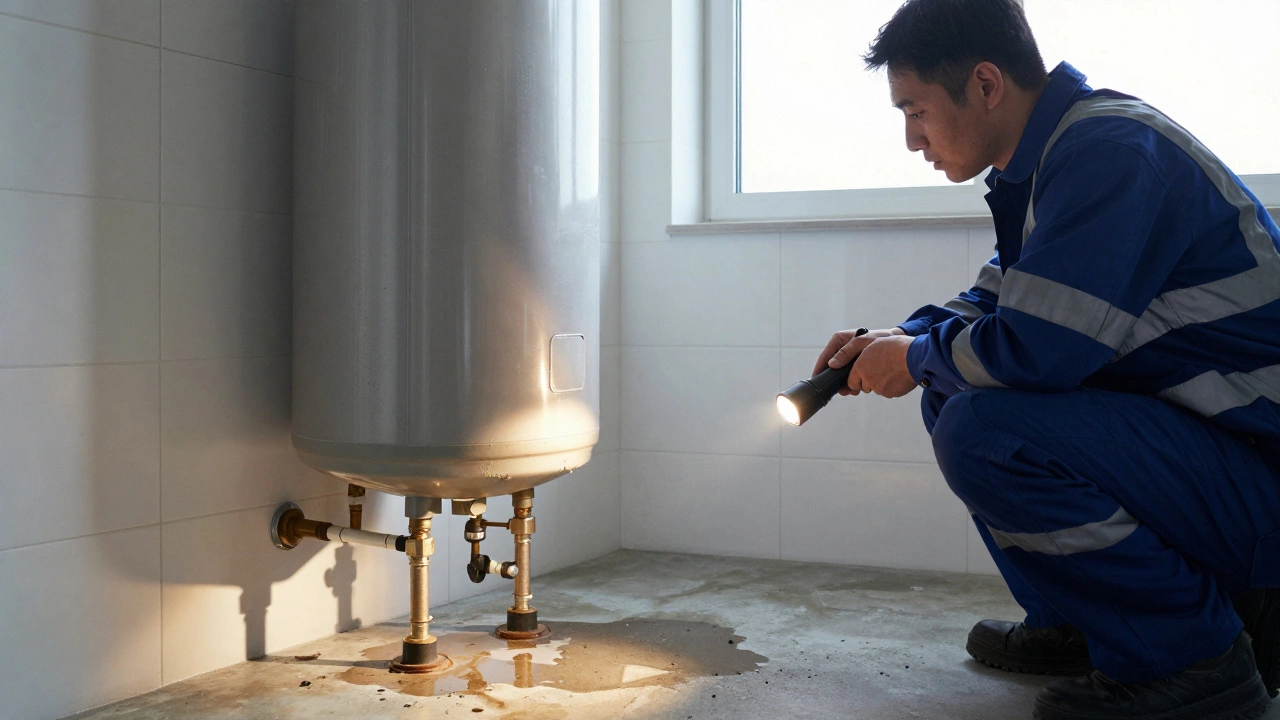
Discover how long water heaters last. Tank models survive 8-12 years, while tankless units reach 15-20+. Learn maintenance tips, replacement signs, and repair vs. replace decisions.
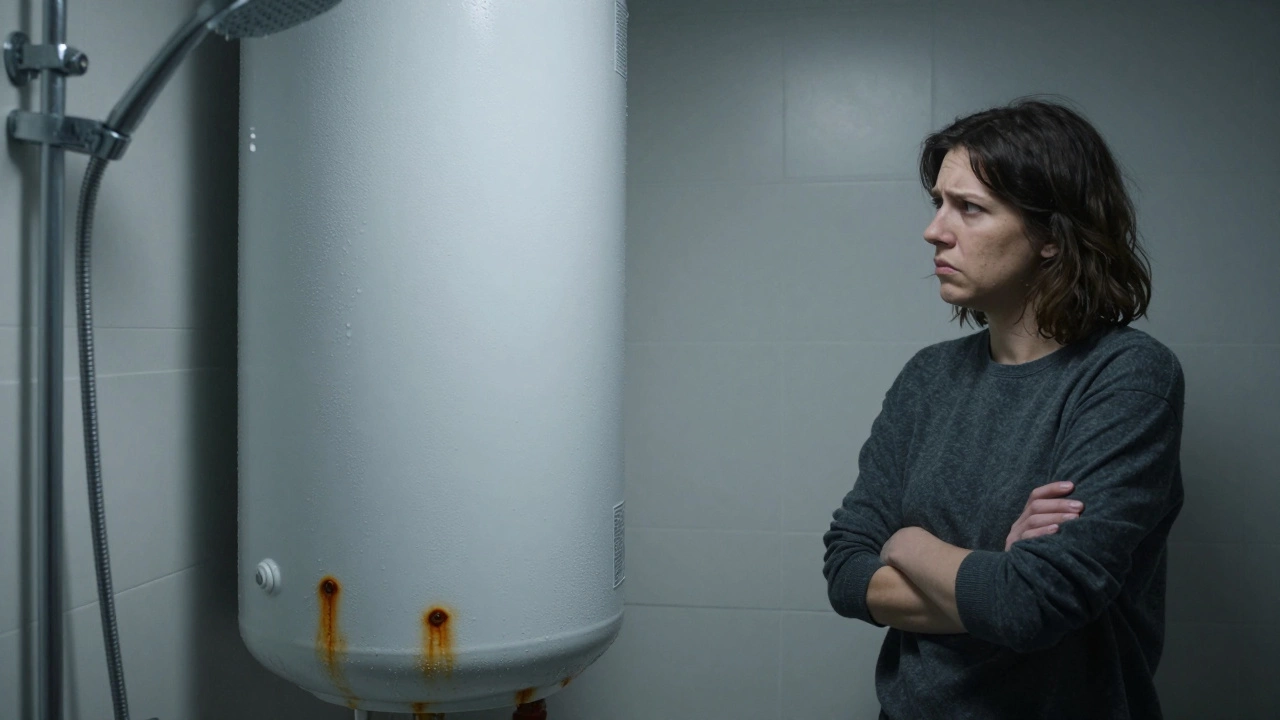
Spot the early warning signs of a failing water heater before it breaks down. Learn to identify leaks, strange noises, and temperature issues to save money and avoid emergencies.
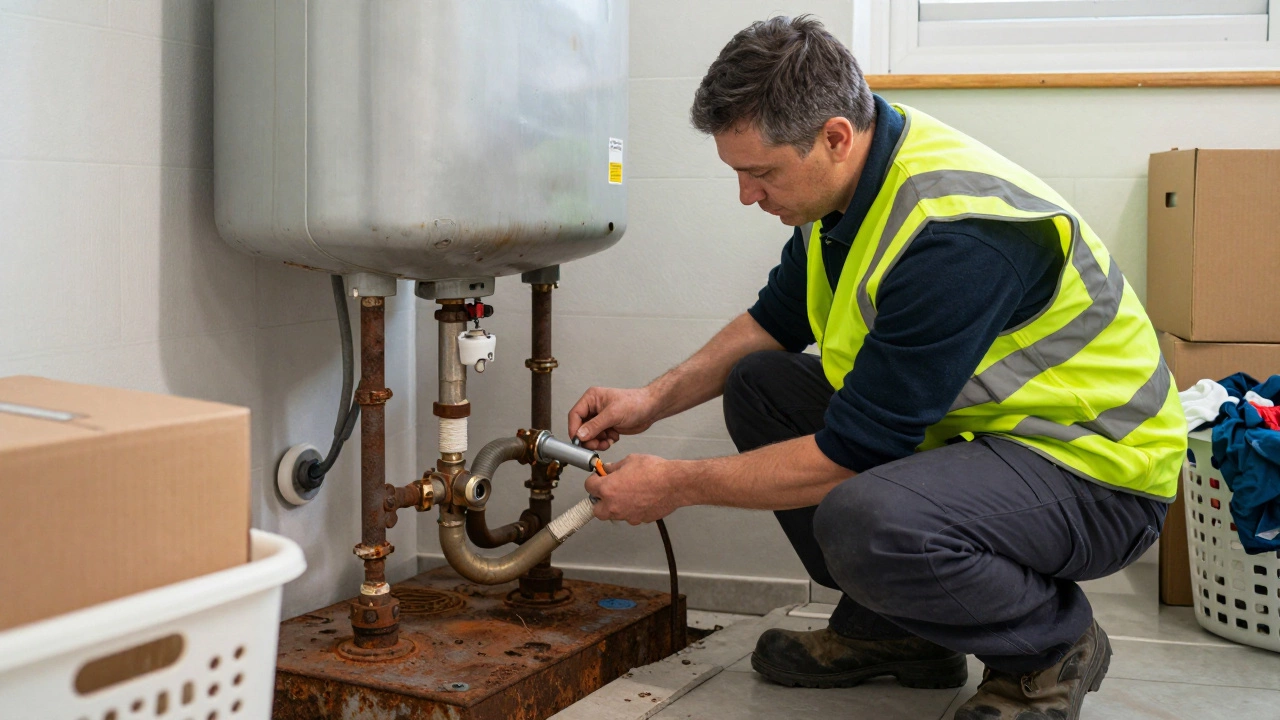
Replacing a hot water heater usually takes 3-6 hours for standard tanks, but tankless or gas upgrades can take a full day. Learn about timelines, delays, and preparation tips.