- 30 Jul 2026
- Gideon Thornton
- 0
Shower Hot Water Diagnostic Tool
Answer a few simple questions about your shower situation to get a personalized diagnosis and estimated repair costs.
✓ Step 1: Confirm the Problem
Let's verify that your hot water system is working elsewhere in your home.
⚠ Step 2: Describe Your Symptoms
Help us narrow down the issue by describing what happens when you turn on the shower.
⚠ Step 3: Quick Diagnostic Tests
Perform these simple tests to help pinpoint the exact cause.
✓ Your Personalized Diagnosis
Recommended Action Plan:
Estimated Cost Range:
Calculating...* Costs are estimates for UK market including parts and labor. Actual costs may vary based on location and complexity.
Difficulty Level:
You turn the handle on your shower, expecting a warm rinse after a long day. Instead, you get an icy blast that makes you jump back. You panic for a second, wondering if your water heater is the appliance responsible for heating domestic water in your home has died. Then you walk to the kitchen or bathroom sink and turn on the tap. Warm water flows out perfectly fine. This confusing scenario is one of the most common plumbing mysteries homeowners face. It’s frustrating because it suggests your heating system works, but your comfort zone-the shower-is broken.
The good news is that this specific symptom usually points to a localized issue rather than a catastrophic failure of your entire hot water supply. If your sink has hot water, your boiler or tank is likely doing its job. The problem lies somewhere between the source and the showerhead. In this guide, we will walk through the exact reasons why this happens, how to diagnose the culprit yourself, and when it is time to call a professional plumber in Bristol or anywhere else.
The Most Likely Culprit: The Thermostatic Mixing Valve
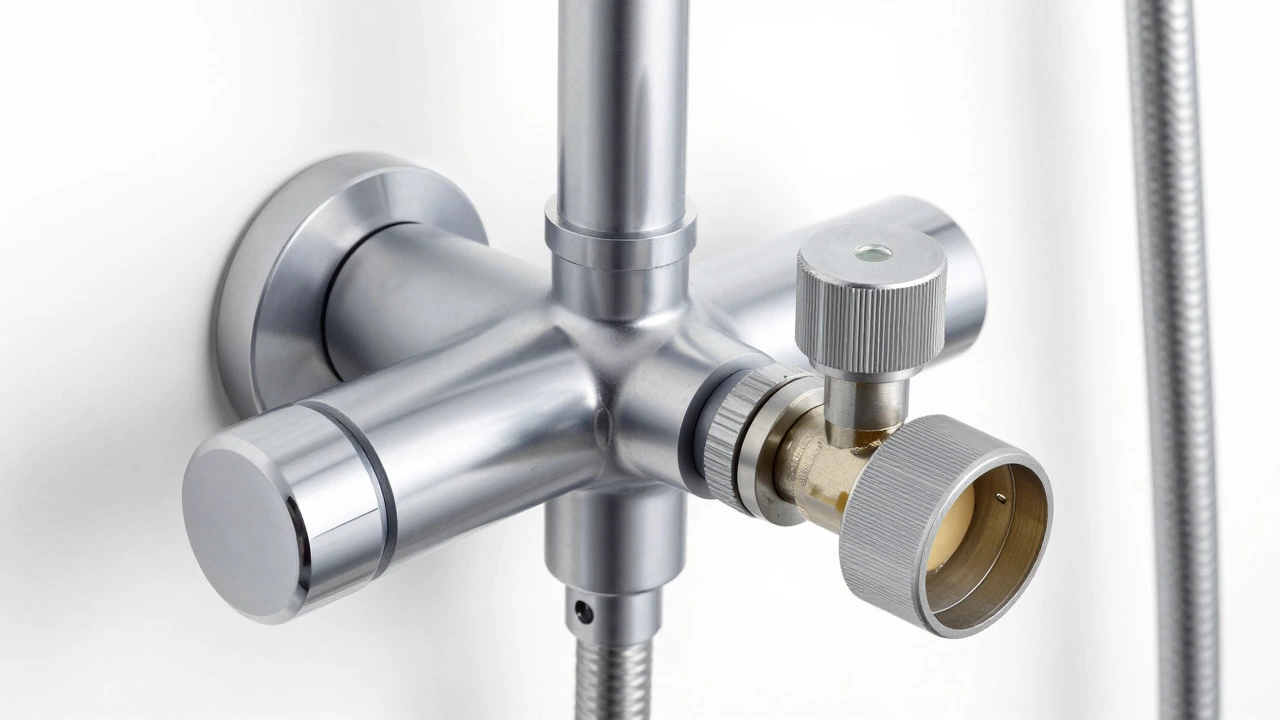
If you have a modern shower setup, especially in the UK where safety standards are strict, you almost certainly have a Thermostatic Mixing Valve (TMV) a device that mixes hot and cold water to maintain a safe, constant temperature. These valves are designed to prevent scalding by automatically adjusting the ratio of hot to cold water entering the shower. They are excellent for safety, but they are also mechanical devices with moving parts that wear out over time.
A TMV contains a wax element or a bi-metallic strip that expands and contracts with heat. When this internal component fails, it can lock into a position that blocks hot water from passing through, even if there is plenty of hot water available in the pipes. You might notice that the water stays lukewarm regardless of how you adjust the dial, or it simply shuts off the hot side entirely. This is the number one reason why a shower loses hot water while other taps remain unaffected.
Replacing a TMV cartridge is often cheaper than replacing the whole unit. However, these components are sensitive to debris. If your pipework has rust or scale buildup, particles can get stuck in the valve mechanism, causing it to jam. Before assuming the valve is dead, check if the flow rate has dropped significantly. Low pressure can cause the thermostatic element to misbehave, thinking there isn't enough hot water to mix safely.
Is It A Pressure Balance Issue?
Not all showers use complex thermostatic units. Older homes or budget installations might rely on a simple pressure balancing valve a mechanism that equalizes water pressure to prevent sudden temperature changes. These are simpler but still prone to failure. If someone flushes a toilet or turns on a washing machine elsewhere in the house, a pressure-balancing valve should compensate. If it fails, the shower might default to cold to protect you from burning, or it might just stop flowing hot water altogether.
Think about when the problem started. Did it happen right after you replaced the showerhead? Sometimes, new showerheads have different flow rates that confuse older valves. Or perhaps you installed a low-flow aerator on the sink, which changed the pressure dynamics in that specific branch line, leaving the shower's valve unable to cope with the imbalance.
The Hidden Blockage: Scale and Limescale Buildup
Living in areas with hard water, like many parts of the UK, means dealing with limescale. Over years, calcium and magnesium minerals build up inside pipes and fixtures. While your sink faucet might have wide-open pathways, the shower's internal plumbing is often more intricate. The small holes in the showerhead or the narrow channels inside the shower mixer can become clogged with white, crusty deposits.
If only the hot water side is blocked, you’ll get cold water from the shower but hot from the sink. This happens because hot water carries dissolved minerals differently than cold water, and as it cools slightly in the pipe, those minerals precipitate out faster. You can test this by removing the showerhead and turning on the hot water. If the flow improves dramatically, your blockage is in the head itself. Soak it in vinegar overnight to dissolve the scale. If the flow remains poor, the blockage is deeper in the mixer valve.
Diverter Valves And Bath/Shower Combos
If you have a bath with a shower attachment, you are using a diverter valve a switch that directs water flow either to the bath filler or the shower head. These are notorious for failing. The diverter is usually located at the base of the spout or on the wall plate. Its job is to seal off the path to the bath tub and redirect water upward to the shower hose.
When the rubber washer or seal inside the diverter wears out, it doesn't create a tight seal. Instead of forcing all the water up to the shower, some leaks down into the bath. This split flow reduces the pressure and volume going to the showerhead. More importantly, if the diverter is partially stuck, it can restrict the hot water inlet more than the cold, leading to a cold shower. Try running the bath first to see if the water comes out hot. If the bath fills with hot water but the shower is cold, your diverter is the enemy. Cleaning or replacing the diverter valve is a straightforward DIY fix for many people.
Pipe Sizing And Distance Issues
Consider the layout of your home. Is the shower far away from the boiler the central heating unit that heats water for radiators and domestic use? Long runs of pipe mean more surface area for heat loss. However, this usually results in lukewarm water, not cold. True cold water in the shower while the sink is hot suggests a restriction.
In older properties, you might have galvanized steel pipes. These corrode from the inside out. It is possible that the pipe feeding the shower has narrowed significantly due to rust, while the pipe to the sink is still clear. This creates a bottleneck. Hot water requires higher pressure to push through restrictions than cold water sometimes does, depending on the pump strength. If your system relies on gravity feed (common in older UK homes), a restricted pipe will starve the shower of hot water volume, causing the mixing valve to shut off the hot side to prevent scalding from the reduced flow.
How To Diagnose The Problem Step-By-Step
Before calling a plumber, who might charge a minimum visit fee of £60-£80 in Bristol, try these diagnostic steps. They are free and can save you money.
- Check Other Outlets: Confirm that the kitchen sink, laundry tap, and any other bathrooms have hot water. This confirms the boiler/tank is working.
- Test the Showerhead: Remove the showerhead from the hose. Turn on the hot water. Does the flow improve? If yes, clean or replace the showerhead.
- Inspect the Diverter: If you have a bath/shower combo, run the bath. Is the water hot? If yes, the issue is the diverter valve, not the main supply.
- Listen to the Mixer: Turn the shower on and off slowly. Do you hear clicking or grinding noises? This indicates a failing TMV or pressure balancer.
- Check for Leaks: Look under the sink cabinet near the shower connection. Moisture here could indicate a leaking joint that is losing pressure.
When To Call A Professional Plumber
Sometimes, the problem is beyond a simple filter change. If you have tried cleaning the showerhead and checking the diverter, but the water is still cold, the issue is likely internal to the mixing valve or deep within the pipework. Replacing a TMV requires shutting off the water supply, draining the lines, and potentially dealing with soldered joints if it’s an older installation. If you are not comfortable with basic plumbing tools, hire a certified Gas Safe engineer or plumber.
Also, call a pro if you suspect a leak behind the wall. Wet plaster and mold are serious issues. In the UK, ensure any work involving gas boilers is done by a Gas Safe registered engineer. For electric showers, ensure the electricity is isolated before touching any wiring. Safety first.
| Symptom | Likely Cause | Difficulty Level | Estimated Cost |
|---|---|---|---|
| Cold water only, low flow | Limescale blockage in showerhead | Easy | £0 - £15 (new head) |
| Cold water, normal flow | Faulty Thermostatic Mixing Valve (TMV) | Medium | £50 - £150 (parts + labor) |
| Bath has hot, shower cold | Worn diverter valve seal | Easy/Medium | £10 - £40 (parts) |
| Fluctuating temperature | Pressure balancing valve failure | Medium | £60 - £120 (repair) |
| No hot water anywhere | Boiler/Water Heater failure | Hard | £100+ (diagnosis) |
Maintenance Tips To Prevent Future Issues
Prevention is always cheaper than cure. Install a showerhead filter if you live in a hard water area. These filters trap sediment and reduce scale buildup. Clean your showerhead every six months by soaking it in a descaling solution. Check your pressure reducing valve annually to ensure consistent water pressure throughout the house. If you have an unvented cylinder, have it inspected yearly to check the relief valve and temperature settings.
Understanding how your home’s water system works empowers you to troubleshoot effectively. A cold shower with a hot sink is rarely a disaster; it’s usually a minor component failure. By following these steps, you can restore your comfort without unnecessary expense.
Can a faulty pressure reducing valve cause cold showers?
Yes. If the pressure reducing valve (PRV) is set too low or is failing, it can cause inconsistent pressure. Thermostatic mixing valves need a minimum pressure differential to operate correctly. If the pressure drops too low, the TMV may close the hot water inlet to prevent scalding, resulting in cold water.
How much does it cost to replace a shower mixing valve?
In the UK, replacing a standard mixing valve typically costs between £80 and £200, including labor. Parts alone range from £20 to £80 depending on the brand and quality. Complex installations with concealed pipework may cost more due to the time required for access and testing.
Why does my shower get cold when I flush the toilet?
This is a classic sign of a failing pressure-balancing valve or a weak pump. Flushing the toilet draws a large volume of cold water, dropping the cold water pressure temporarily. A healthy valve compensates by reducing hot water flow to maintain temperature. If it fails, the temperature fluctuates wildly. Upgrading to a high-quality thermostatic valve often solves this.
Is it dangerous to take a shower with a broken TMV?
It can be. A failed TMV might fail in two ways: locking cold (safe but uncomfortable) or locking hot (dangerous). If the valve sticks open on the hot side, you risk scalding, especially for children or elderly users. If you suspect the valve is failing, avoid using the shower until it is repaired or replaced.
Can airlocks in the pipes cause cold showers?
Airlocks can cause sputtering and reduced flow, but they rarely block hot water completely while allowing cold to pass freely. However, in systems with separate hot and cold tanks, an airlock in the hot water feed can mimic a blockage. Bleeding the radiator or hot water tank vent pipe can sometimes resolve this.