
- 20 Apr 2026
- Gideon Thornton
- 0
Heat Pump Replacement Decision Tool
System Assessment
Recommendation
Enter your system details to see the recommendation.
Quick Checklist: Is it Time for a New One?
- Your monthly energy bills have spiked without a change in usage.
- The system makes loud grinding, screeching, or banging noises.
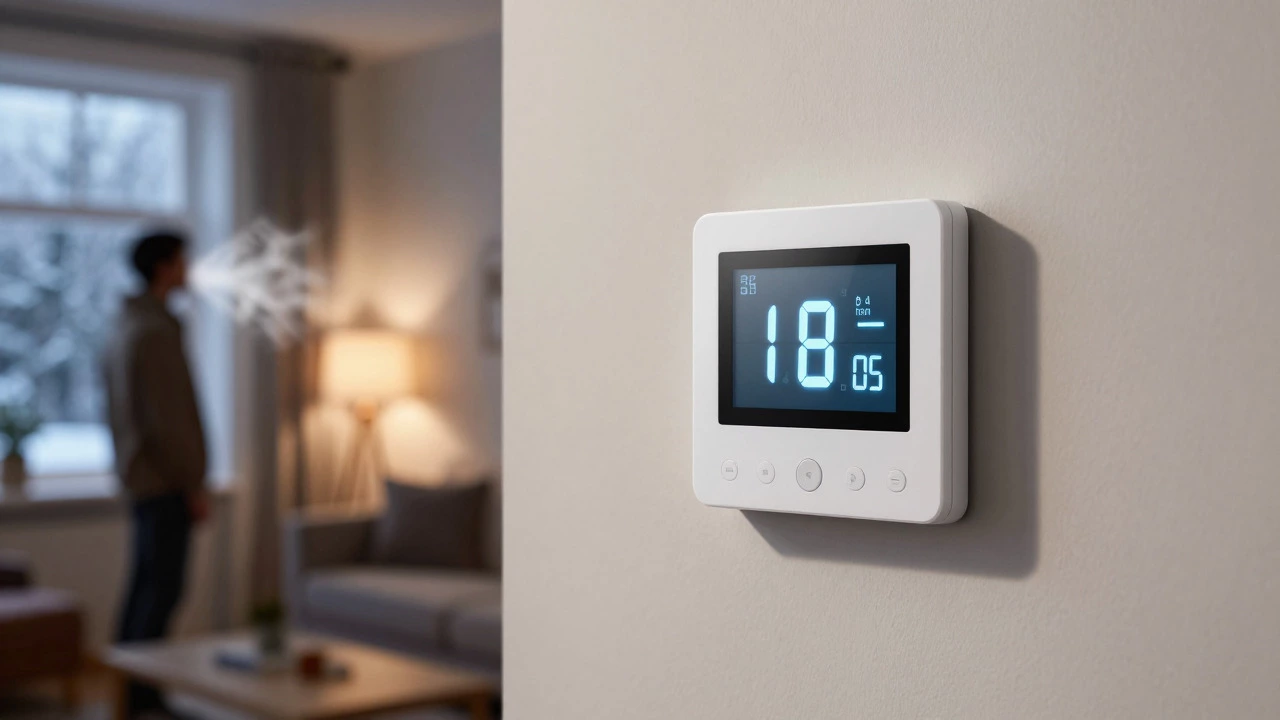
- You have "cold spots" in rooms that used to be cozy.
- The unit is more than 15 years old.
- Repair costs are hitting 50% of the price of a new installation.
The Red Flags You Can't Ignore
Before you spend a penny on a new unit, look for the physical signs of failure. A healthy system should be relatively quiet and consistent. If you start hearing metallic clanking or a loud rattling, you're likely dealing with a failing compressor or a worn-out fan motor. These aren't just annoying sounds; they're your system telling you that internal components are grinding against each other.
Then there's the air quality and temperature. If you notice your home feels humid or the air coming from the vents is lukewarm even when the thermostat is cranked up, the refrigerant might be leaking. Refrigerant is the specialized fluid used in heat pumps to transfer heat from one area to another. When this leaks, the system works twice as hard to produce half the heat, which kills your efficiency and wears out the motor faster.
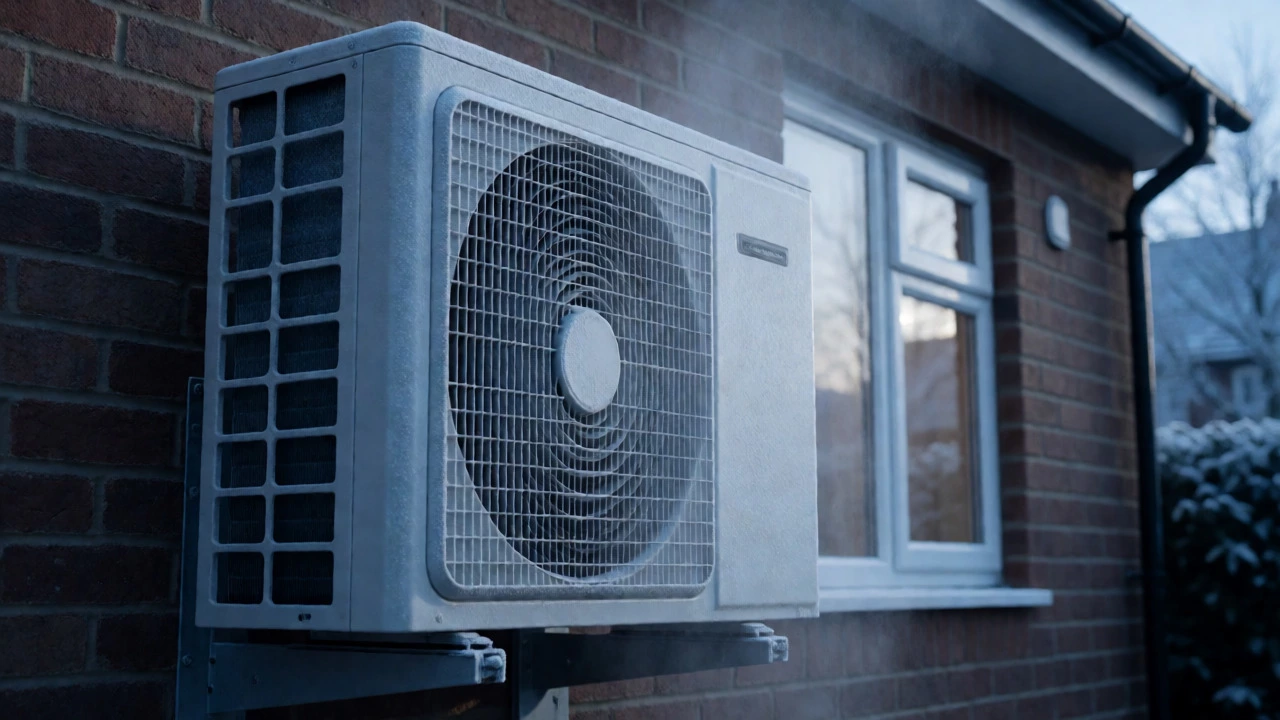
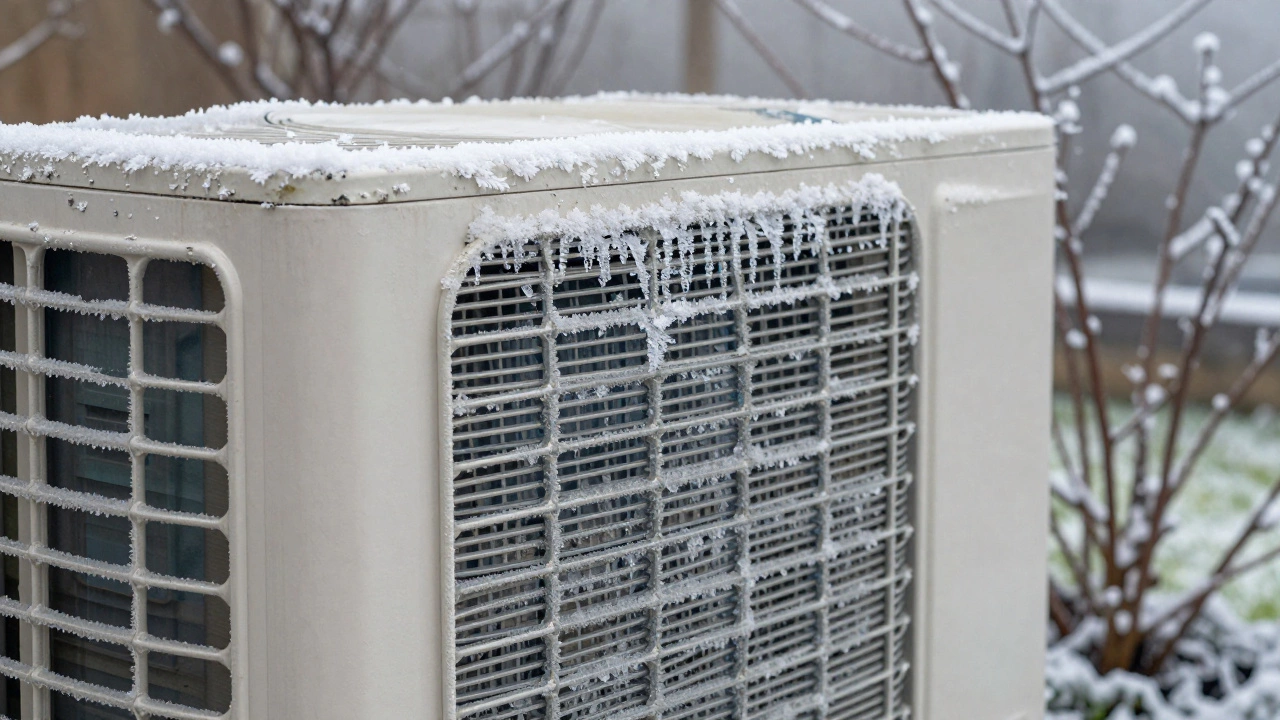
Keep an eye on the outdoor unit too. If you see excessive ice buildup on the coils during winter-beyond the normal frost-it could mean the defrost cycle is broken. When ice blocks the airflow, the system can't pull heat from the outside air, effectively turning your expensive heater into a very loud garden ornament.
The 'Repair vs. Replace' Financial Equation
This is where most people get stuck. You have a breakdown, the technician gives you a quote for 400 pounds, and you wonder, "Is this just a band-aid?" A good rule of thumb is the 50% rule: if a single repair costs more than half the price of a new installation, or if the total repairs over the last two years approach that mark, stop spending money on the old unit.
Age is the biggest factor here. Most Air Source Heat Pumps are electric systems that move heat between the outside air and your home using a refrigerant cycle. These typically last between 15 and 20 years. If yours is 18 years old, replacing a capacitor today won't stop the compressor from dying next month. New models are significantly more efficient, meaning a new unit often pays for itself through lower electricity bills over 3 to 5 years.
| Feature | Older Systems (15+ Years) | Modern Heat Pumps (2026 Standard) |
|---|---|---|
| Efficiency (COP) | 2.0 - 3.0 | 4.0 - 5.0+ |
| Noise Levels | High (Mechanical hum) | Low (Inverter technology) |
| Control | Basic Dial/Thermostat | Smart App / AI Zoning |
| Refrigerant Type | R-22 or R-410A (Phasing out) | R-32 or Propane (R-290) |
Why Efficiency Drops Over Time
It's not just about the parts breaking; it's about heat pump replacement becoming a necessity because of "efficiency drift." Over a decade, seals degrade, heat exchangers get coated in grime, and electrical components lose their punch. You might find that your system still "works," but it takes four hours to raise the room temperature by two degrees.
This is often linked to the COP (Coefficient of Performance), which is the ratio of heat delivered to the electrical energy consumed. An old pump might have a COP of 2.5, meaning for every 1kW of electricity, you get 2.5kW of heat. A modern unit can hit a COP of 4.5. That's a massive difference in your bank account every single winter.
The Role of Modern Technology
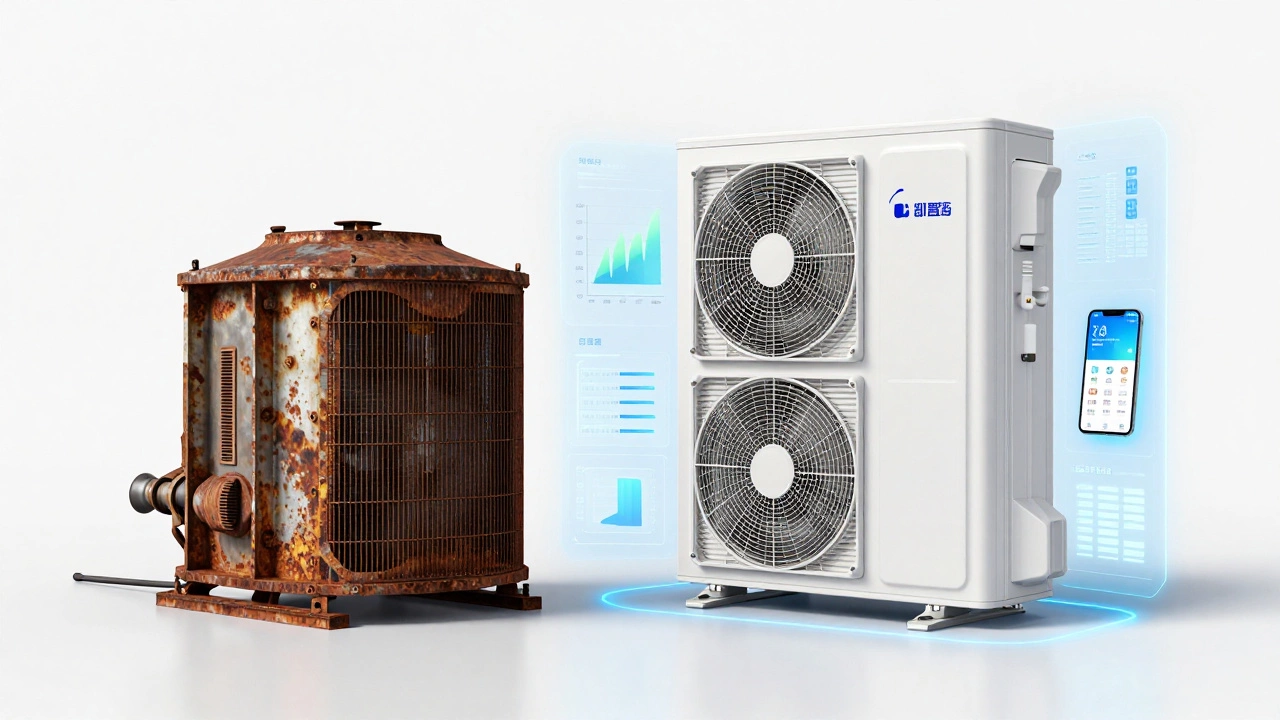
If you haven't updated your system since the early 2010s, you're missing out on Inverter Technology, which allows the compressor to vary its speed rather than just turning on and off. Old systems are binary: they are either 100% on or 100% off. This creates temperature swings and wastes energy.
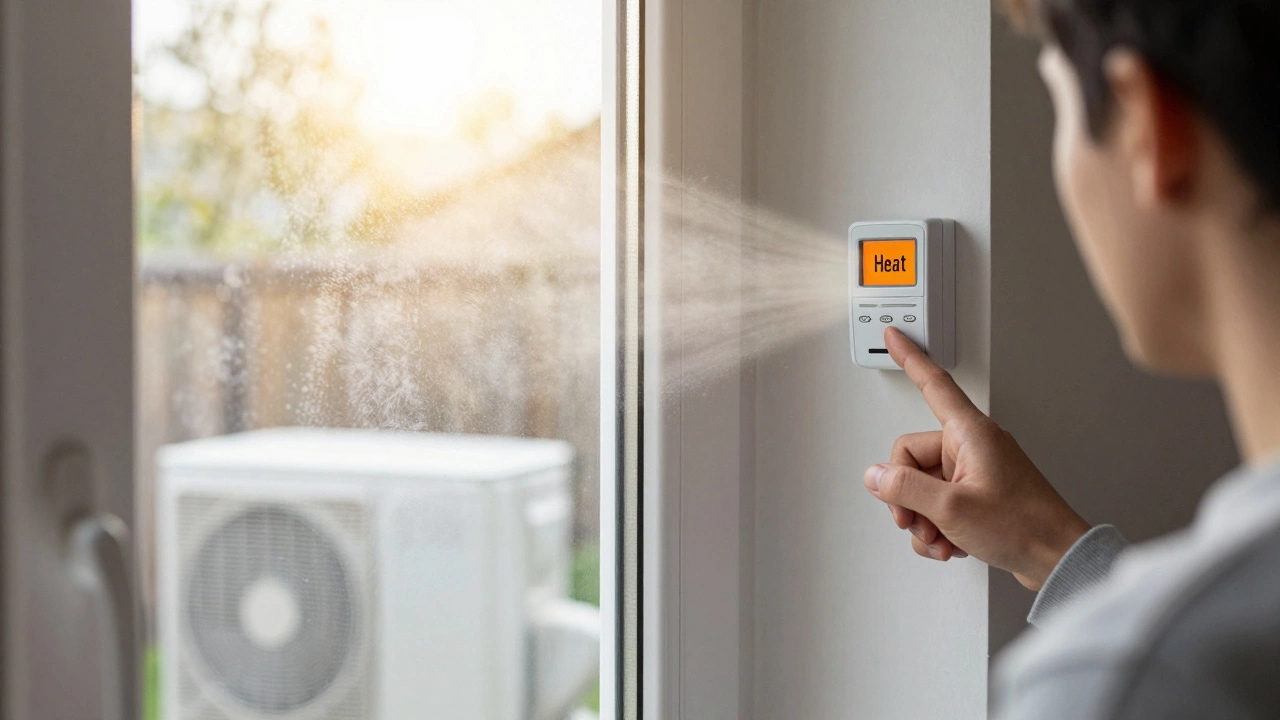
Modern units also use smarter Thermostats, specifically those with multi-zone control. Instead of heating the whole house to keep one bedroom warm, you can target specific areas. This reduces the load on the compressor, extending the life of the entire system.
Common Pitfalls When Replacing
When you finally decide to buy a new one, don't just go for the cheapest quote. The most common mistake is undersizing the unit. If your home has poor insulation, a smaller, "efficient" pump will run constantly to keep up, which actually shortens its lifespan and spikes your bills. You need a proper heat loss calculation (often called a room-by-room heat loss assessment) to ensure the unit matches your home's needs.
Another trap is ignoring the distribution system. If you're moving from a boiler to a heat pump, or upgrading an old pump, check your radiators. Heat pumps produce lower flow temperatures than boilers. If your radiators are too small, you'll have a brand new, expensive pump and a house that's still chilly. You might need to upgrade to larger radiators or underfloor heating to actually feel the benefits.
How long should a heat pump actually last?
On average, a well-maintained air source heat pump lasts between 15 and 20 years. Ground source systems can last even longer, sometimes 25 years or more, because the underground loop is incredibly durable. If yours is hitting the 15-year mark, you should start budgeting for a replacement regardless of whether it's currently broken.
Is it cheaper to repair a leak or replace the unit?
If the leak is in a simple joint, a repair is cheap and logical. However, if the leak is within the evaporator or condenser coils, it's often a sign of systemic corrosion. In these cases, patching it is a temporary fix. If the unit is over 10 years old, replacing it is usually the smarter financial move to avoid repeated refrigerant top-ups.
Will a new heat pump actually lower my bills?
Yes, provided it is sized correctly for your home. Modern units have much higher COPs and better inverter technology, meaning they use significantly less electricity to move the same amount of heat. You'll see the biggest savings if you're upgrading from a very old unit or an inefficient electric heater.
What is the first sign that my pump is failing?
The most common early warning sign is a gradual increase in energy bills paired with a decrease in warmth. You'll notice the system runs for longer periods to reach the target temperature. This usually indicates a drop in refrigerant levels or a failing compressor before a total breakdown occurs.
Can I just replace the compressor instead of the whole pump?
You can, but it's rarely a good idea for older units. The compressor is the heart of the system; if it has failed, the other components have likely suffered similar wear and tear. Replacing a compressor in a 12-year-old unit often leads to the fan motor or control board failing shortly after.
Next Steps for Homeowners
If you suspect your system is failing, start with a professional service. A technician can check the refrigerant pressures and electrical draw to tell you exactly how much life is left in the compressor. If you're in the replacement phase, gather three quotes and insist on a heat loss calculation. Don't just buy the unit the salesperson suggests; buy the one that matches your home's specific thermal profile.