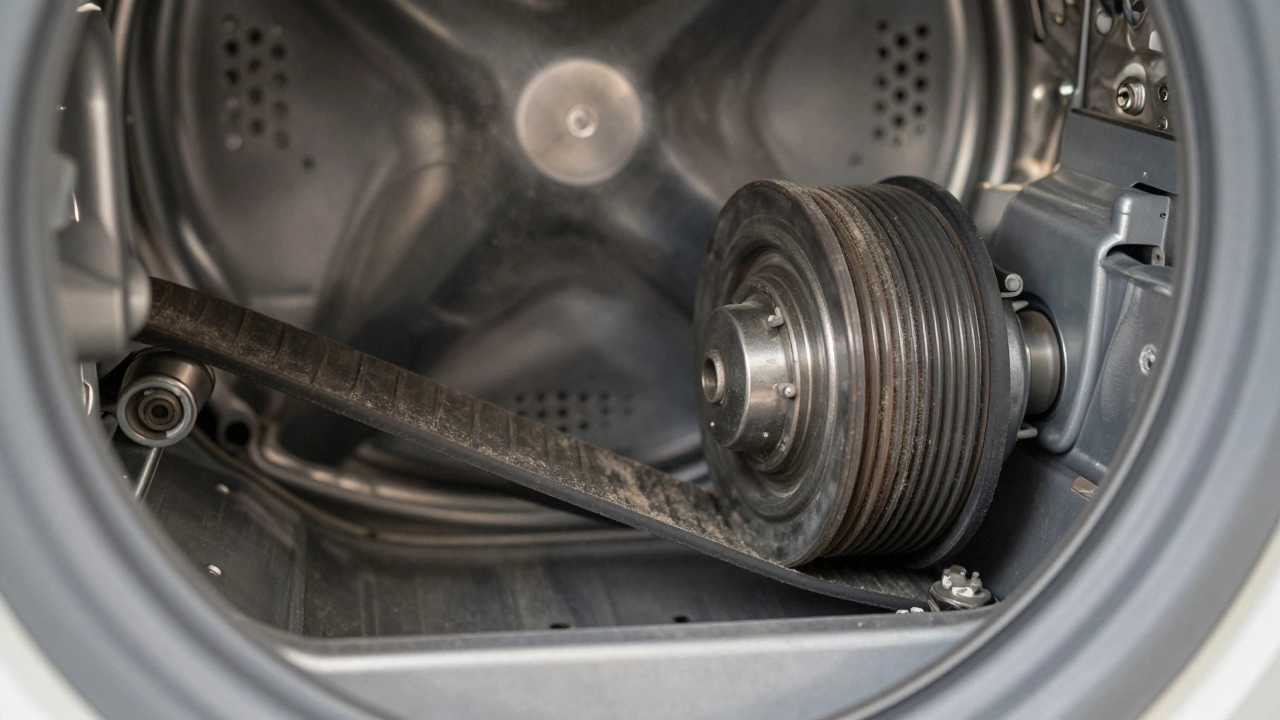
Discover the most common washing machine parts that fail, including bearings, pumps, and seals. Learn how to identify symptoms, estimate repair costs, and decide whether to fix or replace your appliance.

Ever wonder why some appliances seem to last forever while others bail out after a few years? The secret is simple – regular maintenance. A quick check here and a little clean‑up there can add years to a washing machine, dryer, water heater or oven. Below are the easiest habits you can start today without needing a professional.
Every appliance has parts that wear out, filters that clog, and surfaces that collect dust. If you ignore those signs, performance drops, energy bills rise, and breakdowns become more likely. For example, a water heater with sediment buildup can overheat and burst, while a dryer with a clogged lint filter becomes a fire risk. Small, routine actions stop these problems before they cost you time and money.
Washing Machine – Run a hot water cycle with a cup of white vinegar once a month. It dissolves soap scum and eliminates odors. Check the door seal for debris and wipe it clean. Keep the detergent drawer free of residue by rinsing it weekly.
Dryer – Clean the lint filter after every load; a full filter reduces drying efficiency and can cause overheating. Once a year, pull the dryer out and vacuum the vent hose and the back of the machine. This simple step improves airflow and cuts energy use.
Water Heater – If it’s more than five years old, flush it twice a year. Attach a garden hose to the drain valve, open the valve, and let cold water run until it’s clear. This removes sediment that can corrode the tank and lower heating efficiency.
Oven and Hob – Remove and clean the burner caps or heating elements with a soft brush. For electric hobs, check for cracked glass and replace it if needed. Wipe the interior after each use to prevent food build‑up that can cause uneven heating.
Boiler – Schedule an annual service with a qualified engineer. In the meantime, bleed radiators when you hear cold spots and keep the pressure gauge in the green range (usually 1–1.5 bar). This helps the system stay balanced and avoids costly repairs.
While DIY care keeps most things humming, know when to call a pro. If a washing machine makes loud banging noises, a dryer still smells burnt after cleaning the lint filter, or a water heater leaks, professional help is safest. Trying to fix major faults yourself can lead to bigger damage or safety hazards.
Finally, keep a simple log. Jot down the date of each maintenance task and any unusual noises or performance changes you notice. Over time you’ll see patterns – like a dryer that needs vent cleaning more often – and can address issues before they turn into emergencies.
Maintenance doesn’t have to be a chore. A few minutes each week and a couple of deeper cleanings each year give you reliable appliances, lower energy bills, and peace of mind. Start with one of the steps above, and watch how much longer your home’s gear lasts.
Discover the most common washing machine parts that fail, including bearings, pumps, and seals. Learn how to identify symptoms, estimate repair costs, and decide whether to fix or replace your appliance.

How often should you check gas appliances? Find the safest schedule, why it matters, and the real-life risks of letting it slide. Discover expert tips for every home.

Wondering if you should save your 8 year old electric oven or just get a new one? This article breaks down the common repair costs, when a fix makes sense, and how to spot signs your oven’s living on borrowed time. You’ll get clear tips on troubleshooting, maintenance, and how new ovens stack up on features and energy use. No fluff—just straightforward info to help you make the right call for your kitchen and wallet.

When your oven stops heating properly, it might be time to consider replacing the heating element. In this article, we'll dig into whether this fix is worth it. We'll explore the real costs, what signs to watch for, and how to handle the replacement yourself or safely get a pro's help. With some handy tips and facts, you'll be ready to make a smart decision about your kitchen essential.

Exploring whether it's worth fixing a broken tumble dryer, this article provides insights into common issues, repair costs, and factors to consider before deciding between repair or replacement. Includes practical tips for troubleshooting minor problems, understanding repair costs, and maintaining a dryer for longevity. Ideal for homeowners looking to make an informed decision about their appliances.
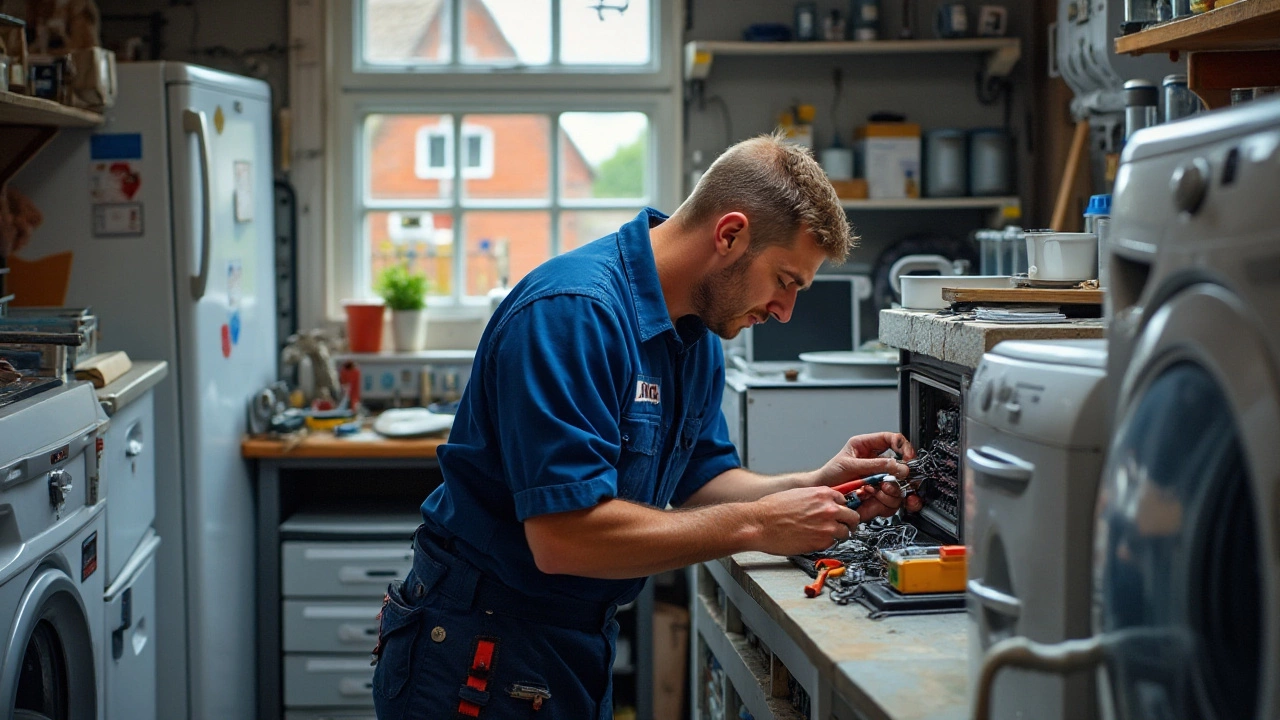
An appliance job involves the repair, maintenance, and installation of household appliances. Technicians in this field need to have a keen understanding of electrical systems and mechanical components. They provide crucial services that help maintain the efficiency and longevity of various appliances. This article offers insights into what appliance jobs entail, required skills, and tips for aspiring technicians.

When your cooker breaks down, you've got a decision to make: fix it or ditch it. Understanding the value of repair versus replacement involves weighing potential costs, the age of the appliance, and the environmental impact of disposal. With a little guidance, you can make an informed choice. This article dives into the pros and cons of repairing a cooker, aiming to ease your decision-making process.
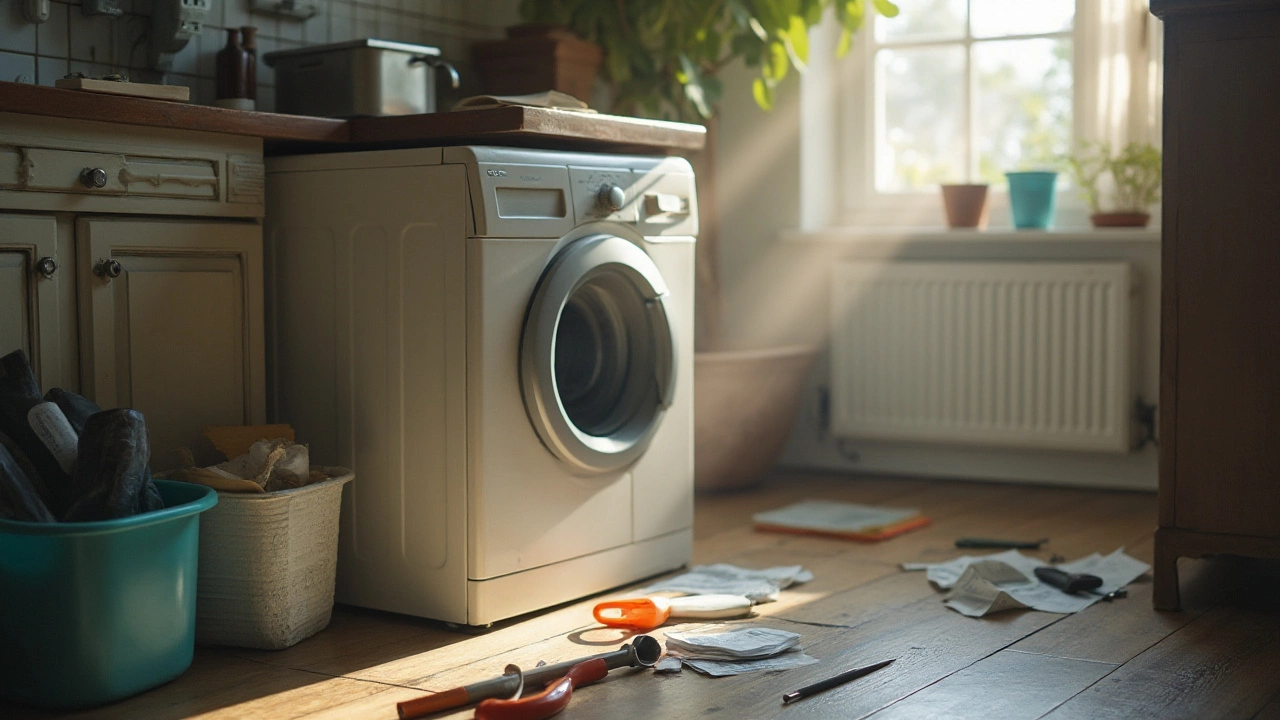
Deciding whether to repair a 7-year-old washing machine can be a daunting task. One must weigh the costs of repairs against the potential benefits of investing in a new model. This article explores various factors such as repair costs, average lifespan of washing machines, and newer model advantages to help make an informed decision. Additionally, useful tips on how to extend the life of the appliance are provided. Read on to understand what you should consider before making a final choice.

Repairing a 20-year-old electric oven can be a daunting idea, but it may prove to be more feasible than you think. Determining the root cause of the problem and weighing repair costs against replacement can help in making the right decision. With the right approach and a bit of research, maintaining an older oven can lead to extended usage. This article explores whether repairing an older oven is a viable option, breaks down the pros and cons, and offers practical tips for prolonging its life.

Deciding whether to repair or replace a gas oven can be challenging. This article explores the key factors that should influence your decision, such as the age and condition of the oven, cost implications, and the potential benefits of upgrading. It aims to provide practical insights into when it's worth calling a professional for a repair and when it might be time to consider a new purchase. Readers will gain valuable tips on how to assess their appliance's situation and ensure safe and efficient cooking.

Choosing a reliable refrigerator brand can save you the headache of frequent repairs and unexpected breakdowns. In this article, we delve into the refrigerator brands that have stood the test of time, offering you fewer problems and more peace of mind. We provide useful insights based on customer reviews, service technician reports, and industry ratings. Learn about the top-performing brands and what makes them less prone to repairs.

Household appliances often go unnoticed until they malfunction. Regular servicing can extend the life of your devices, improve efficiency, and prevent unexpected breakdowns. This article explores why appliance maintenance is crucial, signs that service is needed, and tips for a routine care scheme to keep your gadgets running smoothly.