- 11 May 2026
- Gideon Thornton
- 0
Washing Machine Repair Cost Estimator
Describe Your Issue
Select the primary symptom your machine is exhibiting to get an estimated repair cost and difficulty.
Select a symptom to see the likely cause, difficulty, and cost.
It starts with a strange noise. Maybe a high-pitched squeal during the spin cycle, or perhaps your laundry is still soaking wet when the timer stops. You open the door, and there’s water pooling on the floor. It’s frustrating, expensive, and usually happens right before you have a big load of bedding to do.
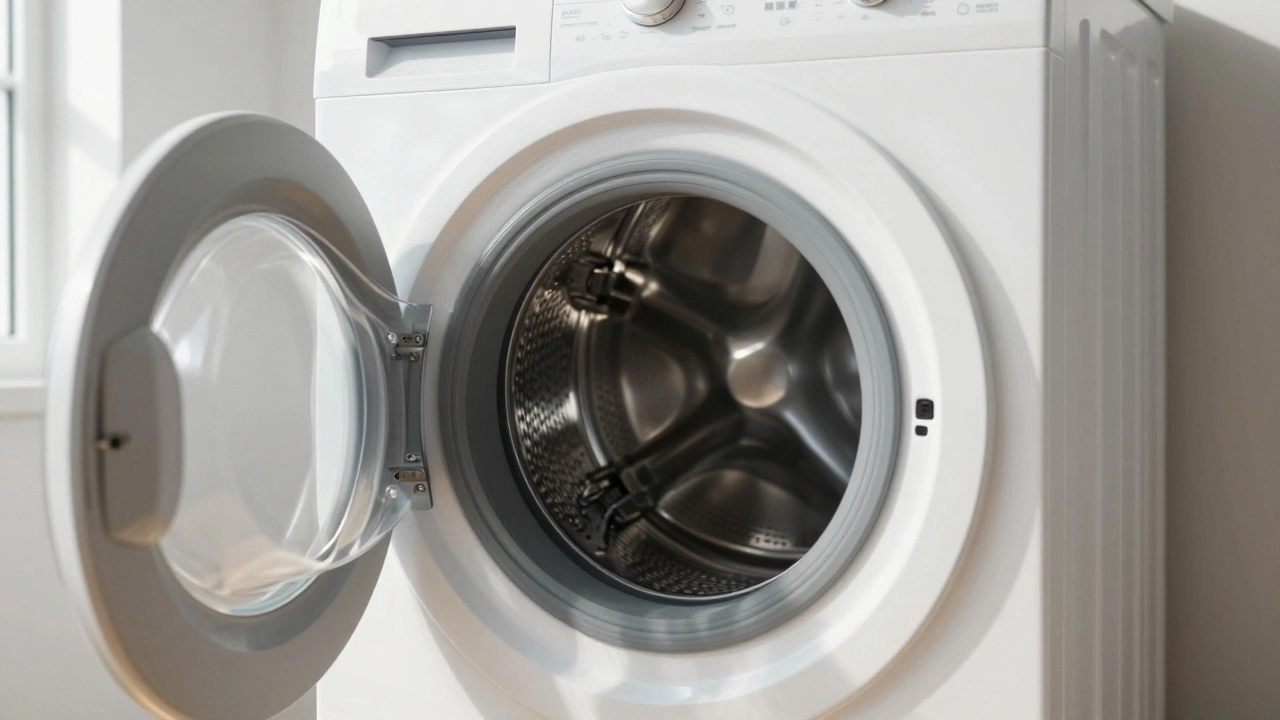
When a washing machine is a household appliance designed to clean clothes using water and detergent breaks down, most people assume they need a brand-new unit. But often, it’s just one small component that has given up the ghost. Knowing which parts fail most frequently can save you hundreds of pounds and help you decide whether to call a technician or try a DIY fix.
The Silent Culprits: Belts and Bearings
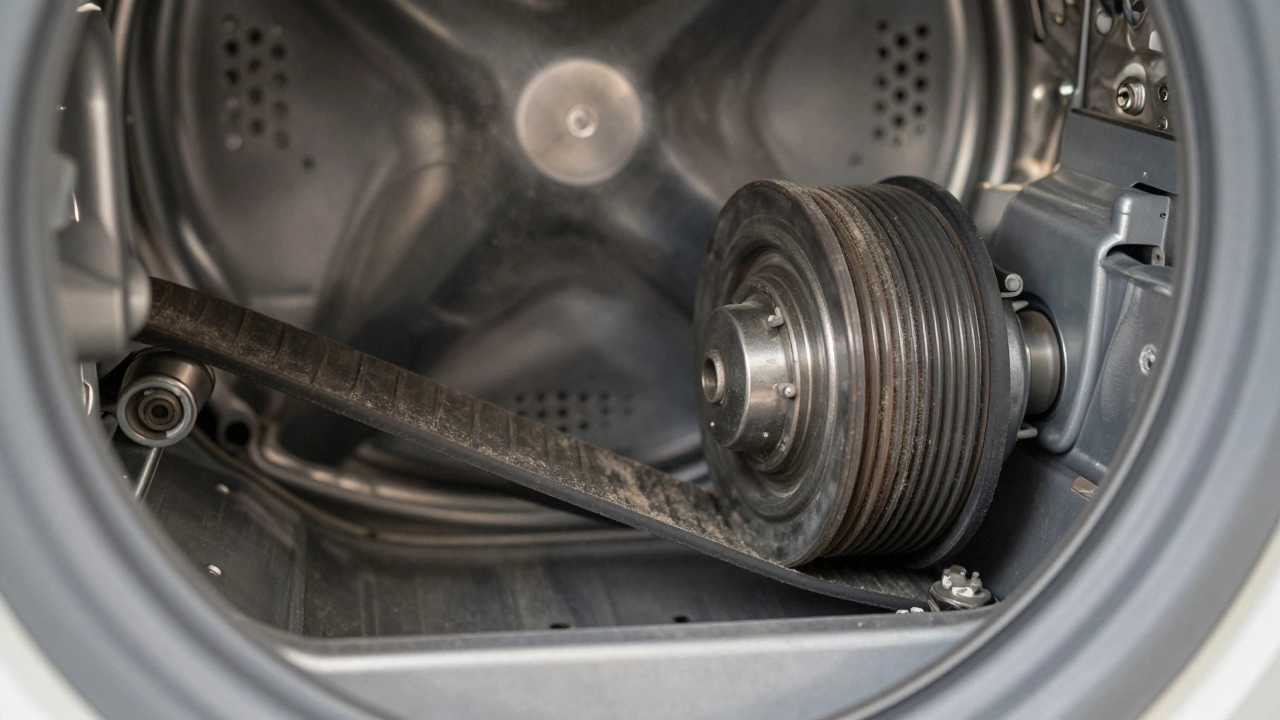
If your machine sounds like it’s trying to take off for flight, listen closely. The two main suspects here are the drive belt and the drum bearings. In older top-loading machines, the drive belt is a rubber loop that connects the motor to the drum pulley does all the heavy lifting. If this belt snaps or slips, the drum won’t turn, or it will turn slowly without agitating properly. You might notice the motor running but the clothes sitting still. Replacing a belt is cheap and straightforward if you’re handy with tools.
In modern front-loaders, belts are less common because the motor often drives the drum directly. Instead, the drum bearings are metal wheels that allow the drum to rotate smoothly at high speeds take the hit. These bearings sit behind the drum and support its weight while spinning at over 1,000 RPM. When they wear out, you’ll hear a loud grinding or rumbling noise, especially during the spin cycle. This is a serious repair. Fixing bearings requires removing the entire drum from the cabinet, which is labor-intensive. If your machine is more than eight years old, replacing bearings might not be worth the cost compared to buying a new machine.
Water Issues: Pumps, Valves, and Hoses
Water management is where most washing machine failures happen. If your machine isn’t filling, draining, or is leaking, look at these three components first.
The water inlet valve is an electromechanical part that controls the flow of water into the machine sits where the hoses connect to the back of the unit. Over time, sediment from your home’s plumbing can clog the mesh filters inside the valve. If your machine fills very slowly or doesn’t fill at all, check these filters first. If cleaning them doesn’t help, the solenoid inside the valve may have failed electrically. Replacement valves are inexpensive and easy to swap.
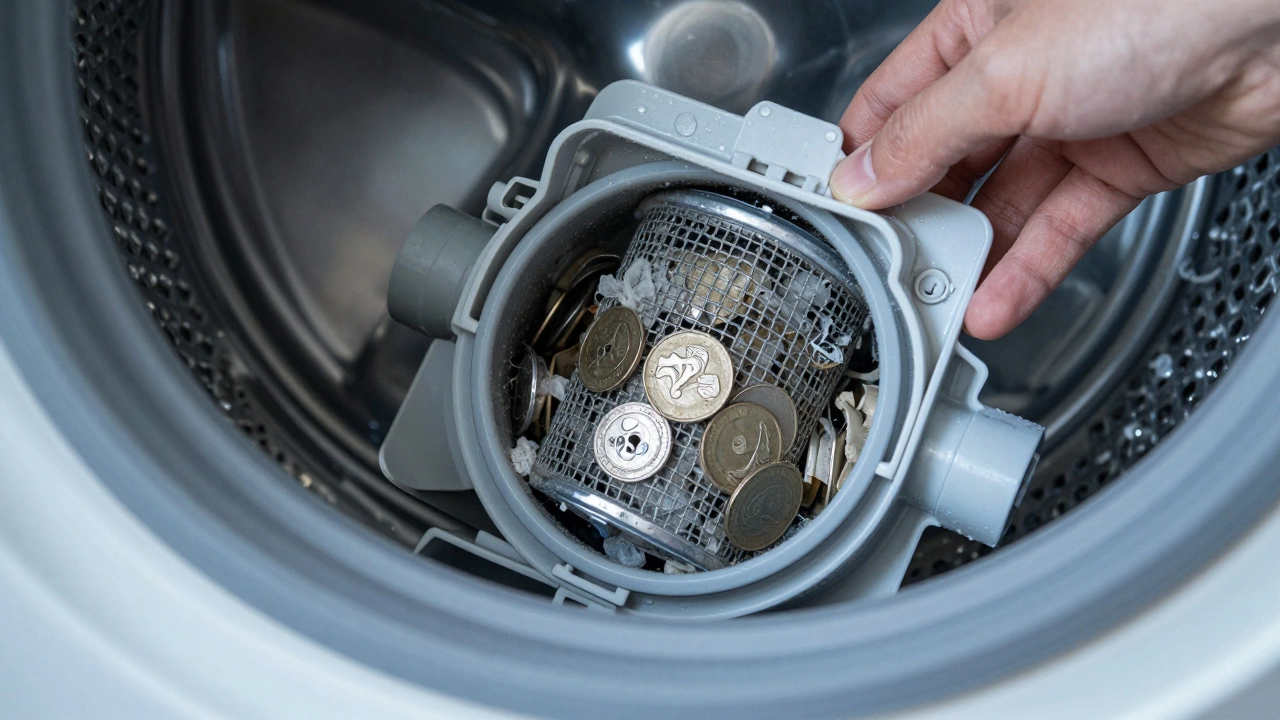
On the other end of the cycle, the drain pump is a small motorized impeller that pushes dirty water out of the machine handles the exit. If your machine displays an error code related to drainage (like E14 on many Bosch models or F05 on Samsung), the pump is likely blocked or broken. Small items like coins, buttons, or hair ties often get sucked into the pump filter. Before assuming the pump motor is dead, check the filter located at the bottom front of the machine. Clean it out, and you might solve the problem instantly. If the filter is clear but the pump still hums without draining, the impeller might be stuck, or the motor windings could be burnt out.
Leaks are another headache. While hose connections can loosen, the door seal is a rubber gasket around the door opening that prevents water from escaping is a frequent failure point in front-loaders. Look for cracks, tears, or even mold buildup in the rubber seal. If you see water dripping onto the floor during every wash, inspect this seal carefully. A small tear can let gallons of water escape, damaging your flooring. Replacing a door seal is moderately difficult but saves you from major water damage.
Electronics and Control Boards
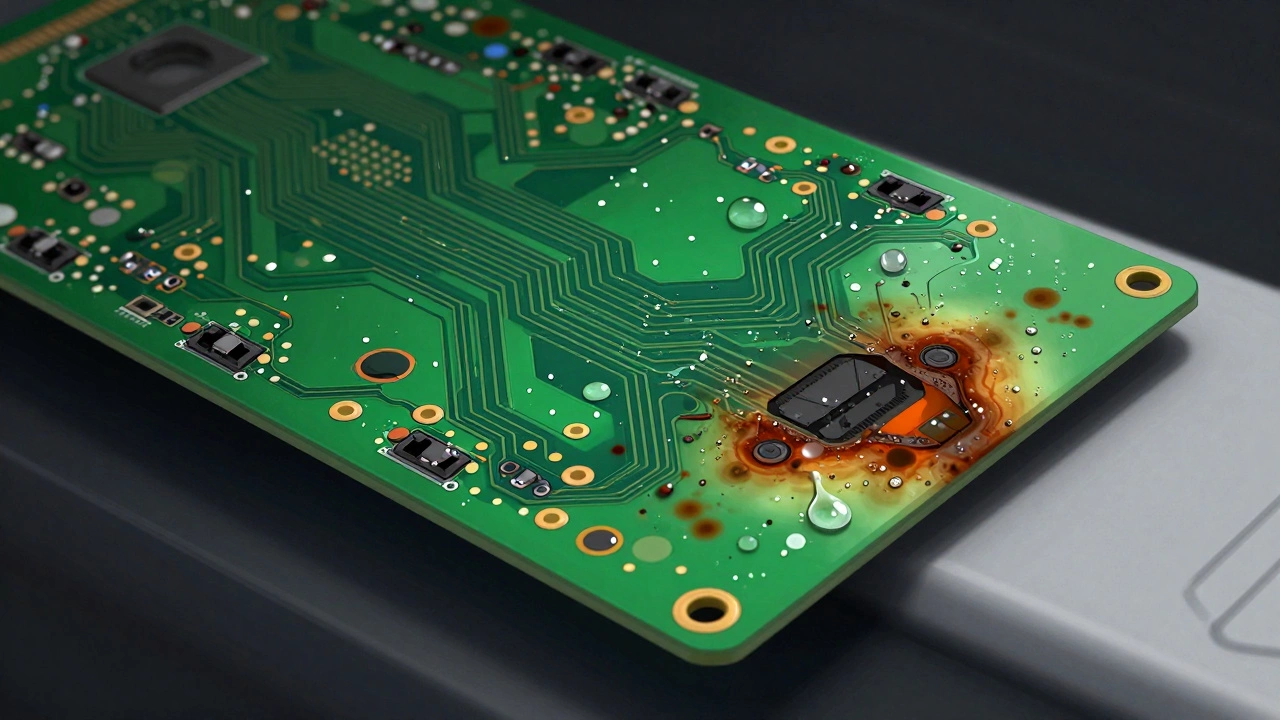
Modern washing machines are essentially computers wrapped in steel drums. The control board is the electronic brain that manages cycles, temperatures, and safety features coordinates everything. If your machine powers on but doesn’t respond to button presses, or if it randomly shuts off mid-cycle, the control board might be faulty. Moisture intrusion is the enemy here. Spills, steam, or condensation can corrode the circuit traces over time.
Before blaming the board, check the user interface panel is the keypad or touchscreen you interact with. Sometimes, the issue is just a loose connection between the panel and the main board. Unplugging the machine for ten minutes can sometimes reset a glitched microcontroller. However, if you see scorch marks on the board or smell burning plastic, replace the board immediately. Continuing to use a damaged control board poses a fire risk.
Motors and Suspension Systems
The motor is the engine that provides rotational force to the drum rarely fails completely unless it overheats due to a blocked vent or excessive load. More commonly, the carbon brushes inside universal motors wear down. When brushes wear out, the motor loses power, causing the machine to struggle during heavy loads. You might notice sparks coming from the motor area or a burning smell. Replacing brushes is a cheaper alternative to replacing the whole motor.
Finally, consider the suspension system. Front-loaders use shock absorbers or springs to keep the drum stable during high-speed spins. If your machine walks across the floor or vibrates violently, the shocks might be worn out. This isn’t always a “failure” in the sense that the machine stops working, but it causes significant noise and potential damage to surrounding cabinets. Tightening the leveling feet or replacing the shock absorbers can restore quiet operation.
| Symptom | Likely Failed Part | Difficulty Level | Estimated Cost (£) |
|---|---|---|---|
| Loud grinding noise | Drum Bearings | High | £150 - £250 |
| Won't drain / Error Code | Drain Pump / Filter | Low | £30 - £80 |
| Leaking from front | Door Seal | Medium | £40 - £70 |
| No power / Dead display | Control Board / Power Cord | Medium | £60 - £120 |
| Not filling water | Inlet Valve / Filters | Low | £20 - £50 |
Prevention: Extending the Life of Your Machine
You can’t stop parts from aging, but you can slow down the process. Regular maintenance is the cheapest insurance policy you have. Clean the detergent drawer monthly to prevent mold and clogs. Run an empty hot wash with vinegar or a dedicated cleaner once a month to remove residue from the drum and pipes. Check the drain filter every few months, especially if you wash items with lots of lint or small pockets.
Avoid overloading the machine. Excess weight strains the bearings, motor, and suspension. Follow the manufacturer’s weight guidelines strictly. Also, ensure your machine is level. An unbalanced machine vibrates excessively, leading to premature wear on mechanical parts. Use a spirit level to check the feet and adjust them as needed.
Understanding what parts fail in a washing machine empowers you to make smarter decisions. Is it a quick £30 pump replacement, or a £200 bearing job on a ten-year-old machine? With this knowledge, you’re no longer at the mercy of expensive repair quotes. You can diagnose the issue, estimate the cost, and choose the path that makes the most sense for your budget and timeline.
How do I know if my washing machine bearings are bad?
The primary sign of failing bearings is a loud grinding, growling, or rumbling noise during the spin cycle. You can also test this by manually rotating the drum with the machine unplugged. If it feels gritty, rough, or wobbles significantly, the bearings are likely worn out. Additionally, you might see metal shavings in the rubber door seal.
Is it worth repairing a washing machine that leaks?
Yes, if the leak is caused by a simple issue like a cracked hose, a loose connection, or a worn door seal. These repairs are relatively inexpensive and quick. However, if the leak is coming from the internal tub itself (due to corrosion or a crack), it is usually not worth repairing. Internal tubs are sealed units and cannot be patched effectively.
Why does my washing machine make a squealing noise?
A high-pitched squealing noise is often caused by a worn drive belt slipping against the pulley. In direct-drive models, it could indicate issues with the motor bearings or the coupling connecting the motor to the drum. Lubricating the belt temporarily might silence it, but replacement is the permanent fix.
Can I replace a washing machine control board myself?
Yes, replacing a control board is generally a manageable DIY task if you are comfortable with basic electronics. You need to identify the exact model number of your machine, order the correct board, and follow a wiring diagram to disconnect and reconnect the cables. Always ensure the power is disconnected before attempting this repair.
How often should I clean the washing machine filter?
It is recommended to check and clean the drain pump filter every 1-3 months. If you wash items that produce a lot of lint, such as towels or pet bedding, you should check it more frequently. A clogged filter can cause drainage errors, unpleasant odors, and potentially damage the pump motor.