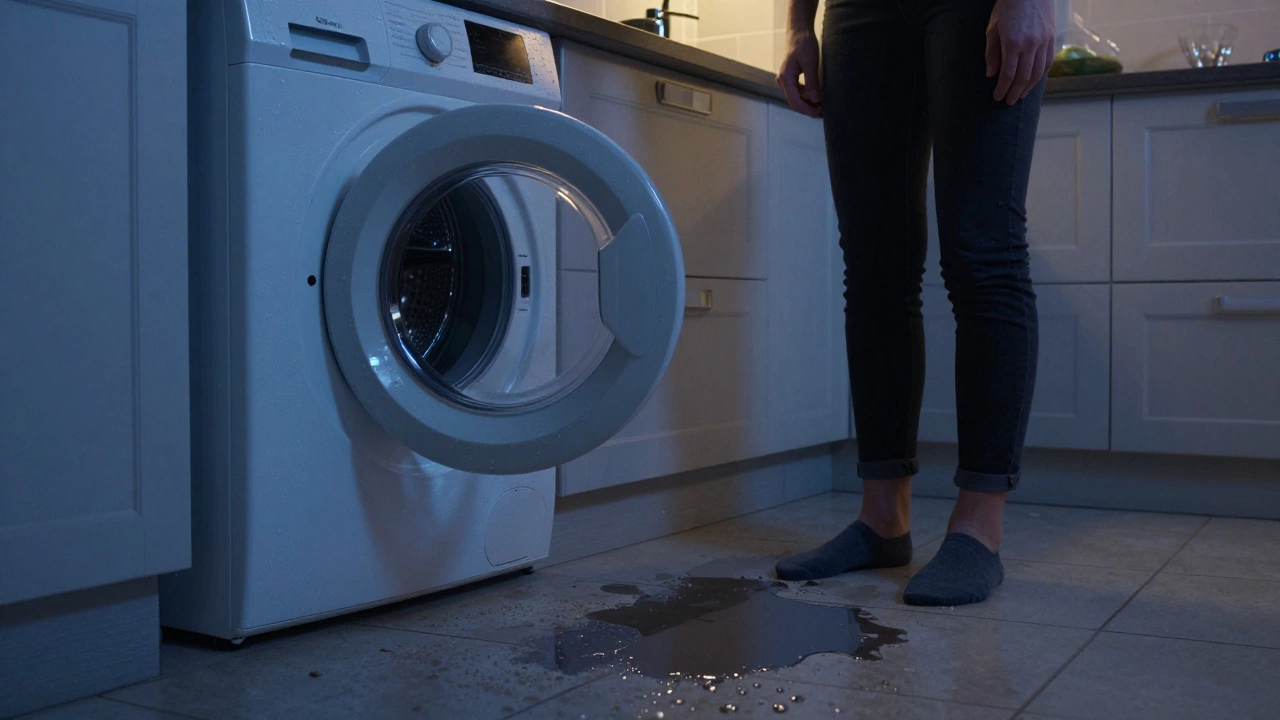
Deciding whether to repair or replace a washing machine? Learn the 50% rule, compare costs, and discover when it's time to upgrade for better efficiency.

When your broken washing machine, a household appliance designed to clean clothes using water and mechanical action. Also known as a washing washer, it’s one of the most used appliances in the home — and one of the first to show signs of wear. A broken washing machine doesn’t mean you need to buy a new one. Most of the time, it’s just one simple part that’s failed — and fixing it costs a fraction of a replacement.
What usually goes wrong? The drum bearing, a small but critical component that lets the washing drum spin smoothly is the #1 culprit. If your machine makes a loud grinding noise during the spin cycle, that’s your bearing giving out. It’s not dangerous, but it’ll get worse fast. Then there’s the water inlet valve, the part that controls how much water enters the drum. If it’s clogged or faulty, your machine won’t fill, or it’ll fill too slowly. And if your washer won’t spin at all? It could be the motor, the belt, or even a simple lid switch that’s gone bad.
Many people panic when their washing machine stops working. But before you call a technician, check the basics: Is it plugged in? Is the door locking properly? Did you overload it? Sometimes, a quick reset or a cleaned filter fixes everything. Other times, you’re looking at a £50 part instead of a £600 new machine. Most repairs can be done in under an hour by someone with basic tools — and we’ve seen it happen dozens of times in Nuneaton homes.
What you’ll find below are real fixes for real problems. No fluff. No guesswork. Just the most common reasons a washing machine fails, how to spot them early, and what you can do yourself — or when it’s time to let a pro handle it. Whether it’s a noisy spin, no drainage, or a machine that just won’t turn on, there’s a guide here that matches your issue. No need to waste money or time. Let’s get your laundry back on track.
Deciding whether to repair or replace a washing machine? Learn the 50% rule, compare costs, and discover when it's time to upgrade for better efficiency.
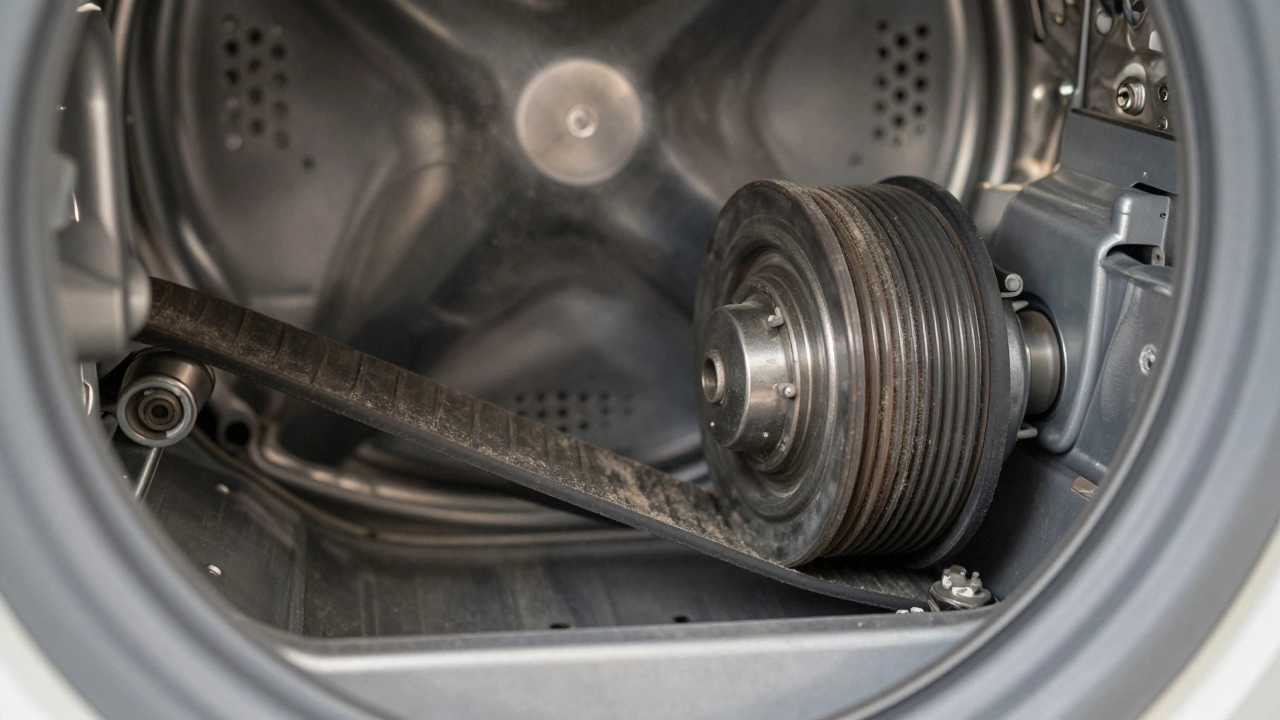
Discover the most common washing machine parts that fail, including bearings, pumps, and seals. Learn how to identify symptoms, estimate repair costs, and decide whether to fix or replace your appliance.
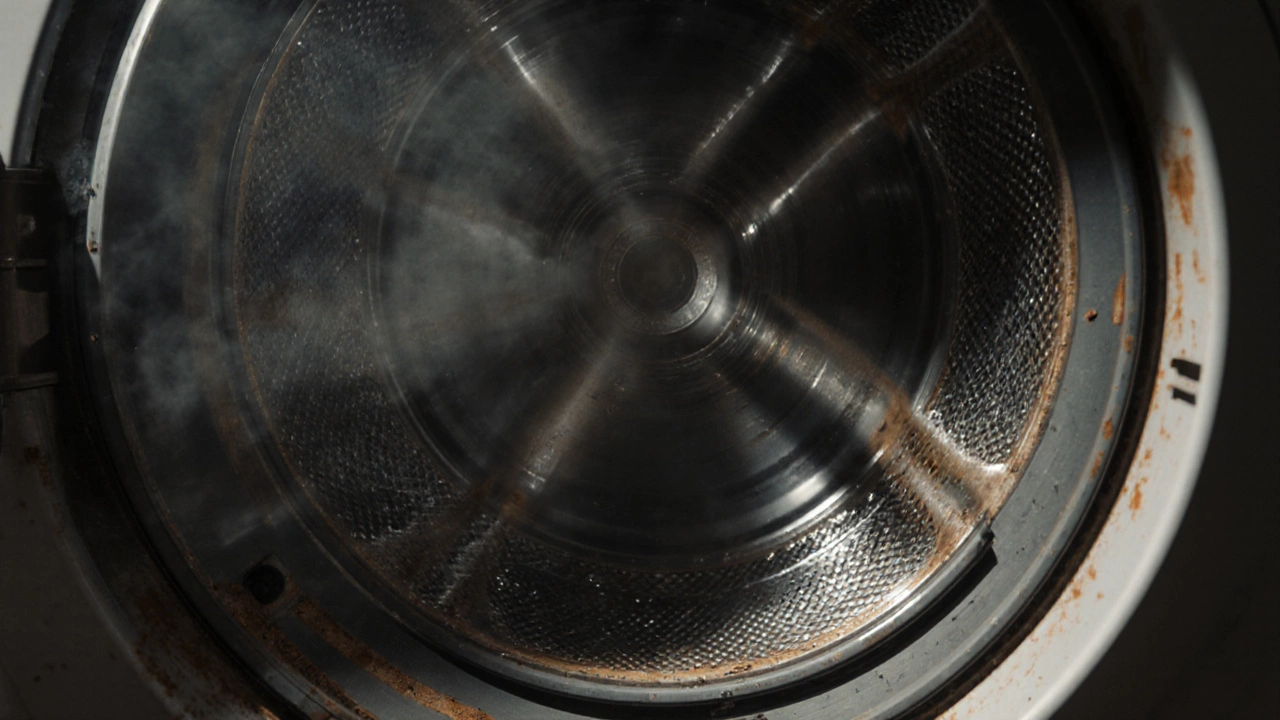
Washing machines commonly fail due to worn drum bearings, leaky door seals, clogged inlet valves, broken drain pumps, snapped drive belts, or faulty control boards. Learn the signs and when to repair or replace.