- 30 Nov 2025
- Gideon Thornton
- 0
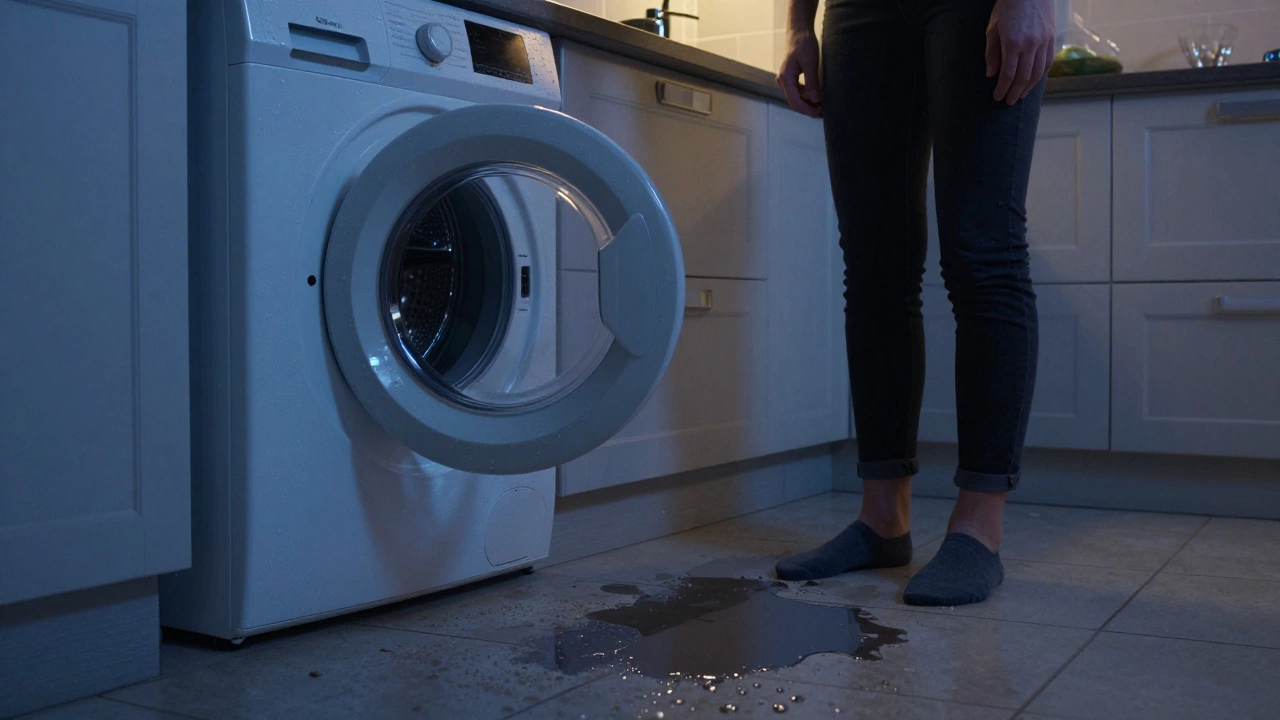
Most people think their washing machine will last forever-until it stops spinning in the middle of a load, leaks all over the kitchen floor, or just hums quietly like it’s giving up. By the time you call for help, you’ve already tried the usual fixes: restart it, check the power, clean the filter. But if it’s still not working, something deeper is broken. And chances are, it’s one of the same five or six parts that fail over and over again.
Drum Bearings
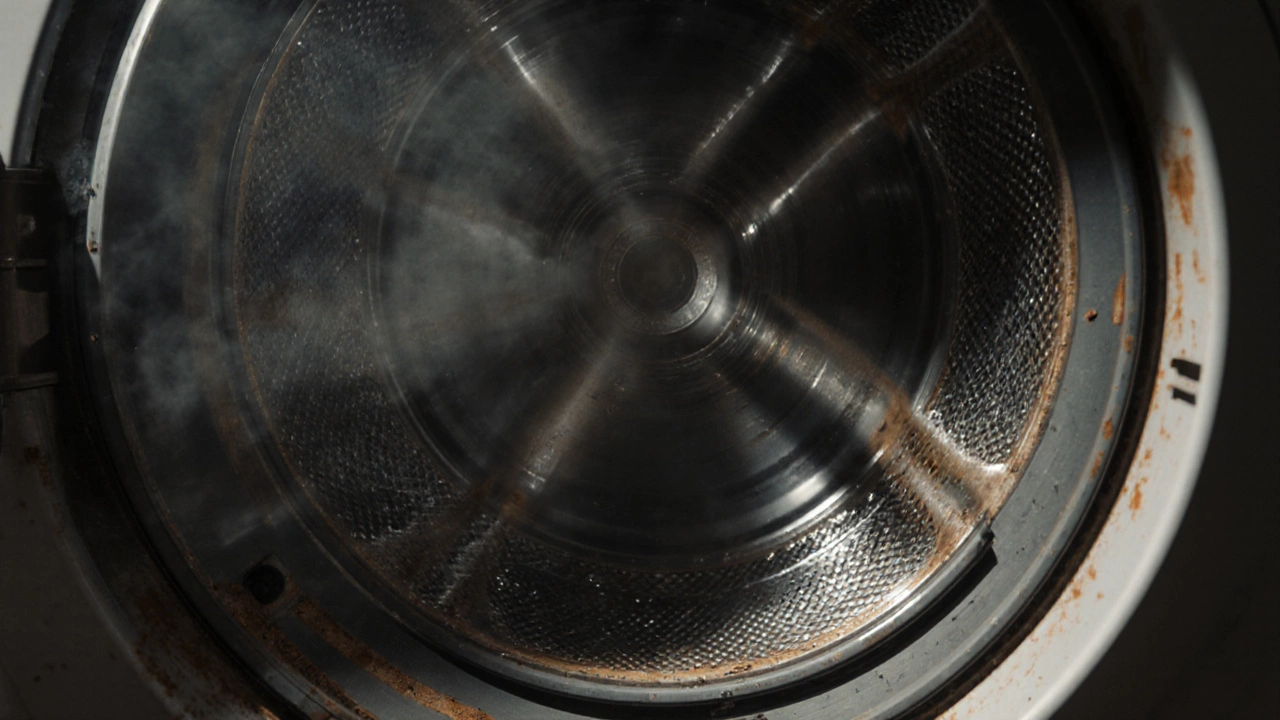
The drum bearings are the quiet heroes of your washing machine. They let the heavy drum spin smoothly during the spin cycle. When they wear out, you’ll hear a loud grinding or rumbling noise-like a jet engine trying to take off inside your laundry room. It usually gets worse as the machine ages, especially if you run hot washes often or overload the drum. Once the bearings go, water starts leaking into the bearing housing, rusting the shaft and making the problem worse. Replacing them isn’t cheap, and it’s not a DIY job for most people. If you hear this noise after six or seven years of use, the bearings are likely done. Machines older than eight years with failing bearings often aren’t worth repairing.
Door Seal (Bellow)
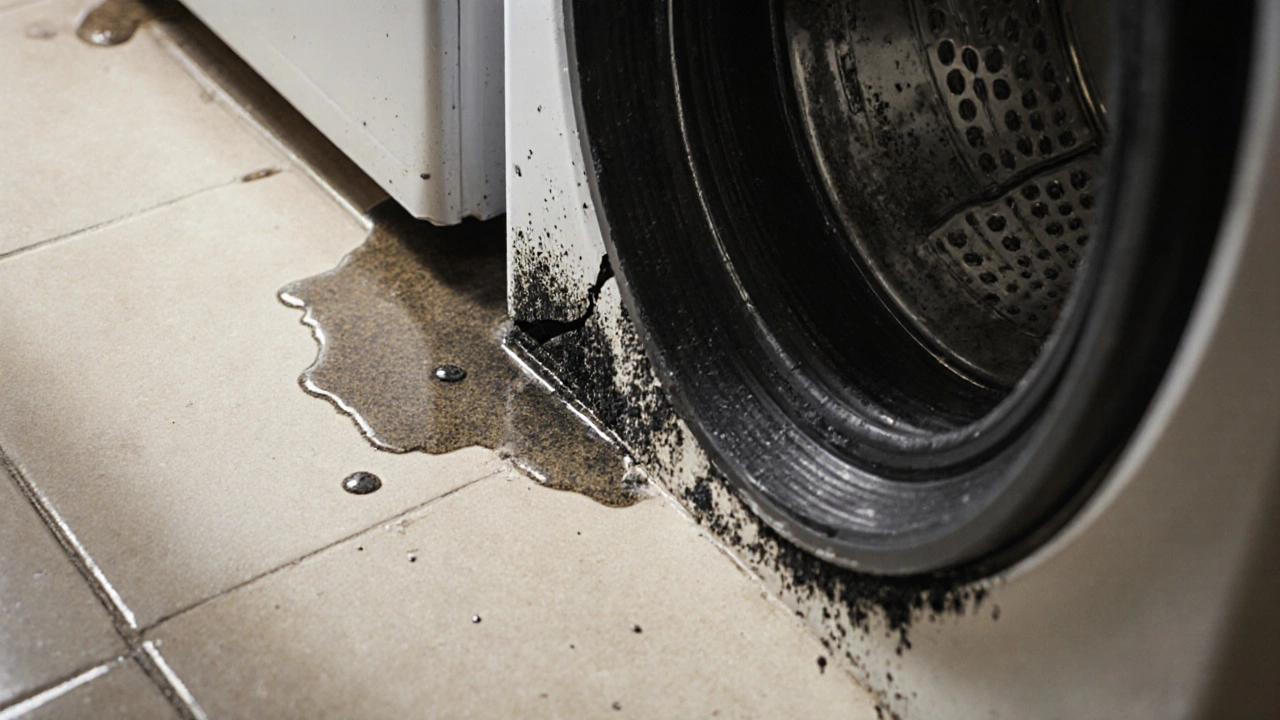
That black rubber ring around the door? That’s the door seal, or bellow. It keeps water in and dirt out. But over time, it gets cracked, moldy, or torn. You’ll notice water pooling under the machine, or black sludge building up around the door. Mold isn’t just ugly-it can ruin clothes and trigger allergies. The seal usually fails because people leave the door shut after every wash, trapping moisture inside. It’s also common in machines that use high temperatures or too much detergent. Replacing the seal is doable if you’re handy, but you’ll need the exact model number. Most seals last 5-7 years. If yours is leaking and you’ve cleaned it twice and it’s still bad, it’s time for a new one.
Water Inlet Valve
If your machine fills slowly or not at all, the culprit is often the water inlet valve. This small part controls how much water enters the drum from your home’s supply lines. Over time, mineral buildup from hard water clogs the tiny screens inside the valve. You might see error codes like E10 or E20, or the machine just sits there silently, waiting for water that never comes. The valve can also fail electrically-if the solenoid coil burns out, the valve won’t open at all. Cleaning the inlet filter helps, but if the valve itself is clogged or dead, you need a replacement. This part usually lasts 8-10 years, but in areas with very hard water, it can die in five.
Drain Pump
When your machine won’t drain, the drain pump is the first suspect. You’ll hear it trying to work-a loud buzzing or whirring-but no water leaves the drum. Sometimes, you’ll find socks, coins, or hair ties stuck in the pump filter. That’s the easy fix. But if the pump is clear and still doesn’t work, the motor inside has likely burned out. Drain pumps are small, cheap, and easy to replace. But if your machine is over ten years old, and the pump has failed twice, you’re probably chasing a sinking ship. Replacing the pump costs about £50-£80, including labor. If you’re spending more than half the price of a new machine on repairs, it’s time to think about upgrading.
Motor and Drive Belt
If your machine spins but the drum doesn’t move, or it makes a squealing noise during the spin cycle, the drive belt might be snapped or worn thin. Some machines use a direct-drive motor, which doesn’t have a belt, but most budget and mid-range models still use a belt-and-pulley system. Belts stretch, fray, or snap after years of tension and heat. The motor itself can also fail-especially if the machine was overloaded often or used for heavy-duty cycles regularly. A failed motor means a full replacement, which can cost upwards of £200. It’s rarely worth it unless the rest of the machine is in great shape. Check the belt first-it’s the cheaper fix. If it’s broken, replace it with a genuine part. Cheap aftermarket belts snap again in weeks.
Control Board
The control board is the brain of your washing machine. It tells the motor when to turn, the valve when to open, and the heater when to kick in. When it fails, weird things happen: the machine starts on its own, displays random error codes, or won’t respond to any button presses. Sometimes, a power surge knocks it out. Other times, moisture from a leaky seal or condensation slowly fries the circuits. Replacing the control board can cost £150-£300, depending on the brand. It’s often the most expensive repair-and the riskiest. If you’ve already replaced the pump, the door seal, and the bearings, and now the control board is acting up, it’s probably time to buy a new machine. Control boards rarely fail without other signs of age or water damage nearby.
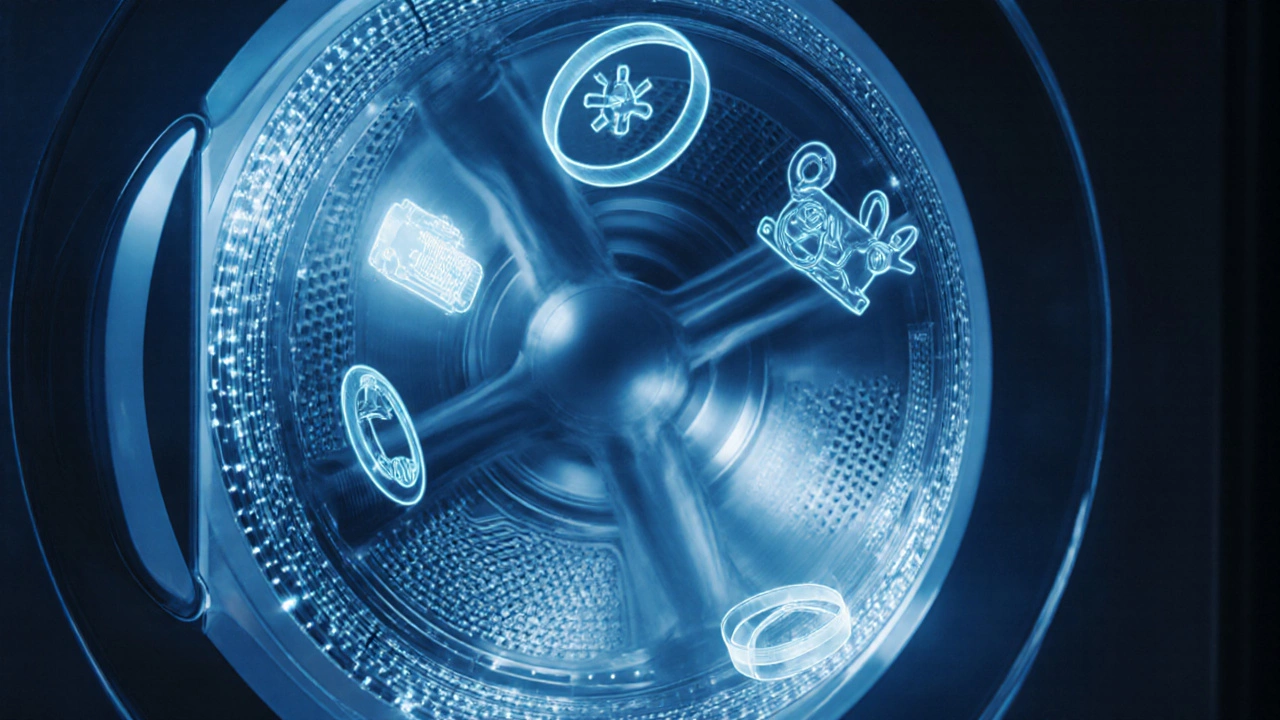
What to Do When It Breaks
Don’t panic. Most washing machine failures happen slowly. Listen for changes. Look for leaks. Watch how long it takes to fill or drain. Keep the filter clean every month. Leave the door open after each wash. Don’t overload it. Use the right amount of detergent-too much causes suds that clog the pump and damage seals.
If your machine is under warranty, call the manufacturer. If it’s older than eight years, consider replacement over repair. New machines are more energy-efficient, quieter, and have better diagnostics. A £400 machine today will save you £50 a year on electricity compared to a 10-year-old model.
And if you’re not sure what’s broken? Don’t guess. A professional technician can test the motor, check the voltage to the valve, and inspect the bearings with a stethoscope. Most charge £50-£70 for a diagnostic visit, and if you go ahead with the repair, they’ll often waive that fee.
Quick Checklist: Is Your Washing Machine Failing?
- Grinding or rumbling noise during spin? → Drum bearings
- Black mold or water around the door? → Door seal
- Machine won’t fill with water? → Water inlet valve
- Water won’t drain? → Drain pump or blockage
- Drum doesn’t spin but motor runs? → Drive belt
- Random errors, buttons not working? → Control board
If two or more of these symptoms show up at once, your machine is likely nearing the end of its life. Repairing multiple parts at once is rarely cost-effective. Buy a new one. Choose a model with a direct-drive motor-it’s quieter and has fewer moving parts to break.
How Long Should a Washing Machine Last?
A well-maintained washing machine should last 10-12 years. But in the UK, where water is hard and loads are heavy, many last only 7-8. Brands like Bosch, Miele, and Indesit have better reliability records than some budget models. If you bought yours during a sale or from a discount store, it’s probably built to last five years-not ten. Don’t be fooled by the warranty sticker. Most warranties cover only parts for one year, labor for six months.
Keep a log: note when you replaced the filter, when the seal was cleaned, and when the machine last had a service. That way, you’ll know if it’s just an old part failing-or if the whole thing is crumbling.