- 15 Mar 2026
- Gideon Thornton
- 0
Your oven stops heating. The light turns on, but the food stays cold. You check the timer, reset the circuit breaker, and even try turning it off and on again. Still nothing. Before you call a technician or order a replacement, try these simple fixes. Most oven problems aren’t expensive to fix - and you might not need any tools at all.
Is the oven getting power?
The first thing to check is whether the oven is receiving electricity. If your oven is electric, make sure it’s plugged in properly (yes, some models are hardwired, but others plug into a socket). If it’s gas, the issue could still be electrical - the igniter or control panel needs power to work.
Look at your home’s fuse box. Find the circuit for the oven - it’s usually a 30-amp double breaker. If it’s tripped, flip it off, then back on. If it trips again right away, don’t keep resetting it. That’s a sign of a serious fault like a short circuit or damaged wiring.
Test the outlet with another appliance, like a toaster. If nothing works in that socket, the problem isn’t the oven - it’s the circuit. If you’re unsure, don’t poke around inside the wall. Call an electrician.
Is the heating element broken?
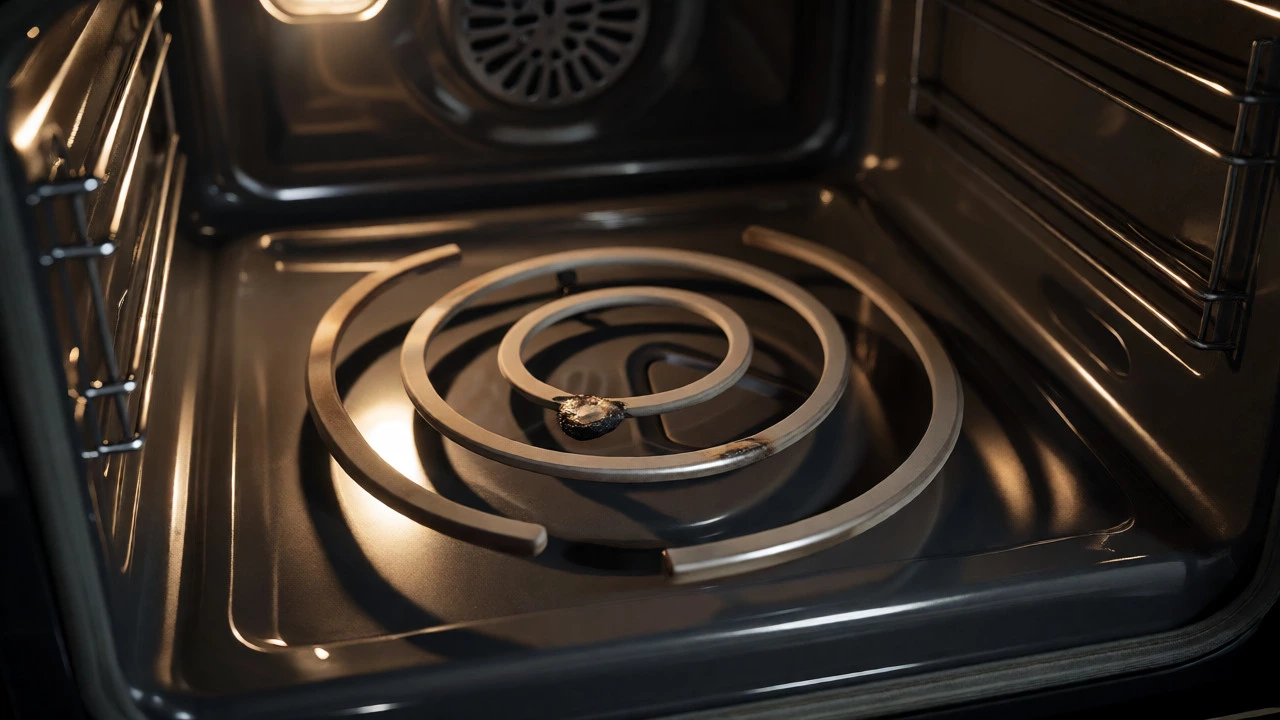
Electric ovens have visible heating elements - one on the top (broil), one on the bottom (bake). If one of them isn’t glowing red when the oven is on, it’s likely dead.
Turn off the power at the breaker. Open the oven door and remove the racks. Look at the bake element at the bottom. It should be a long, coiled wire. If it’s blistered, cracked, or has a gap in the coil, it’s faulty. The broil element at the top may be hidden behind a panel - you might need to remove a screw or two to see it.
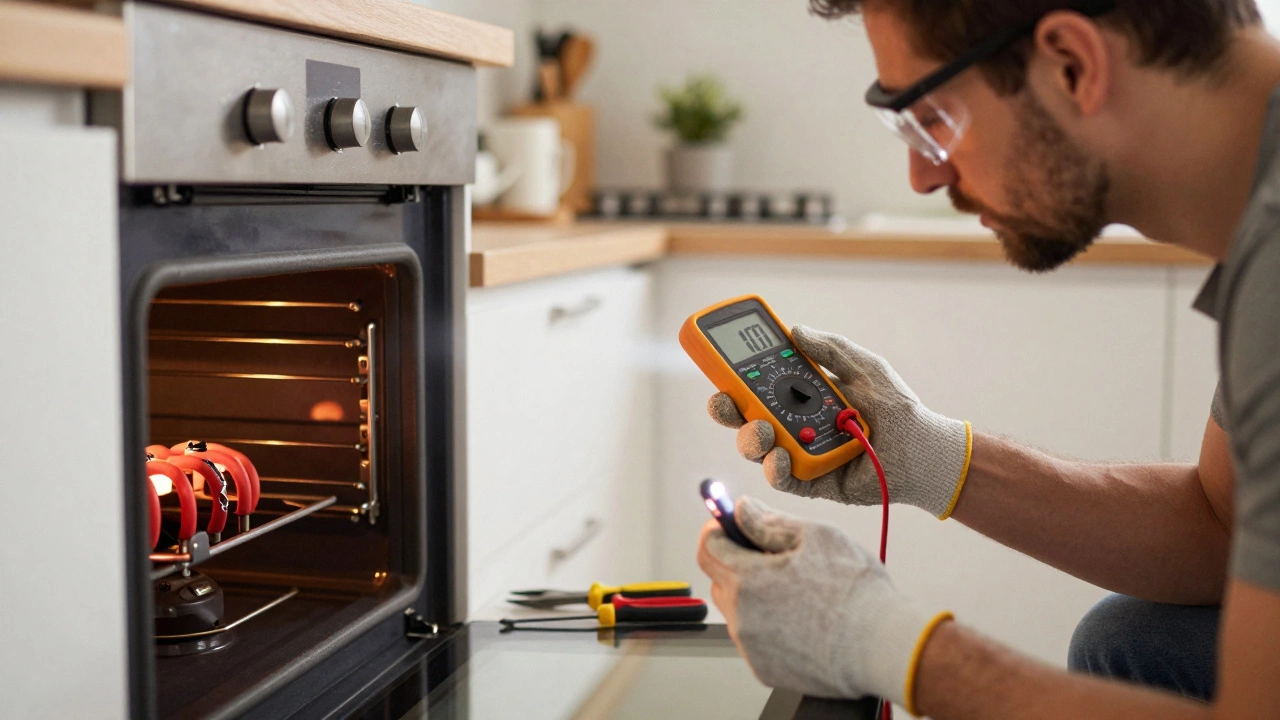
Don’t guess. Use a multimeter to test for continuity. Set it to ohms (Ω). Touch one probe to each terminal on the element. If it reads zero or infinite resistance, the element is dead. If it reads between 10 and 30 ohms, it’s fine. Replacing it costs under £50 and takes 30 minutes. Just unplug the old one, screw in the new, and reconnect.
What about the thermostat?
Your oven might turn on, but never reach the right temperature. That’s often the thermostat. It’s the sensor that tells the oven when to stop heating.
Place an oven-safe thermometer on the middle rack. Set the oven to 350°F (175°C). Wait 20 minutes. If the thermometer reads 320°F or lower, the thermostat is off. A 20-30 degree difference is common with age. Some ovens let you recalibrate the temperature manually - check the manual for a "calibrate" or "temp offset" setting.
If your oven doesn’t have that feature, the thermostat might need replacing. It’s usually located behind the temperature knob. You’ll need to remove the control panel. Unplug the old sensor, plug in the new one. Prices range from £25 to £60. If you’re not comfortable with this, a technician can do it in under an hour.
Is the igniter failing (for gas ovens)?
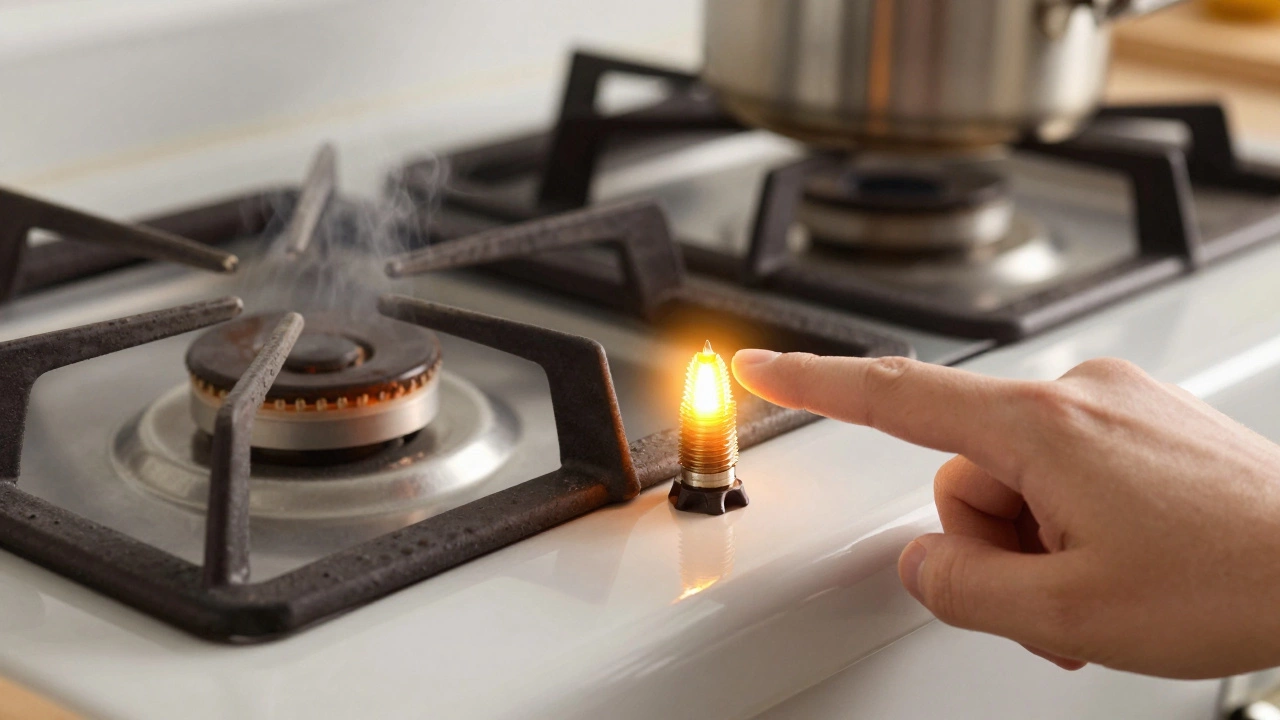
If you have a gas oven and it won’t light, the igniter is probably the culprit. You’ll hear a clicking sound, but no flame. That’s the igniter trying - and failing - to spark.
A weak igniter glows orange but doesn’t get hot enough to open the gas valve. A good one glows bright yellow-orange in under 10 seconds. If it takes longer, or doesn’t glow at all, replace it. Gas oven igniters cost £40-£80. Turn off the gas supply before you start. Disconnect the old one, plug in the new, and test. No gas smell? Good. If you smell gas, stop. Call a professional immediately.
Check the door seal
A loose or damaged door seal can make your oven lose heat. You might notice uneven cooking - burnt on one side, cold on the other. Or the oven takes forever to preheat.
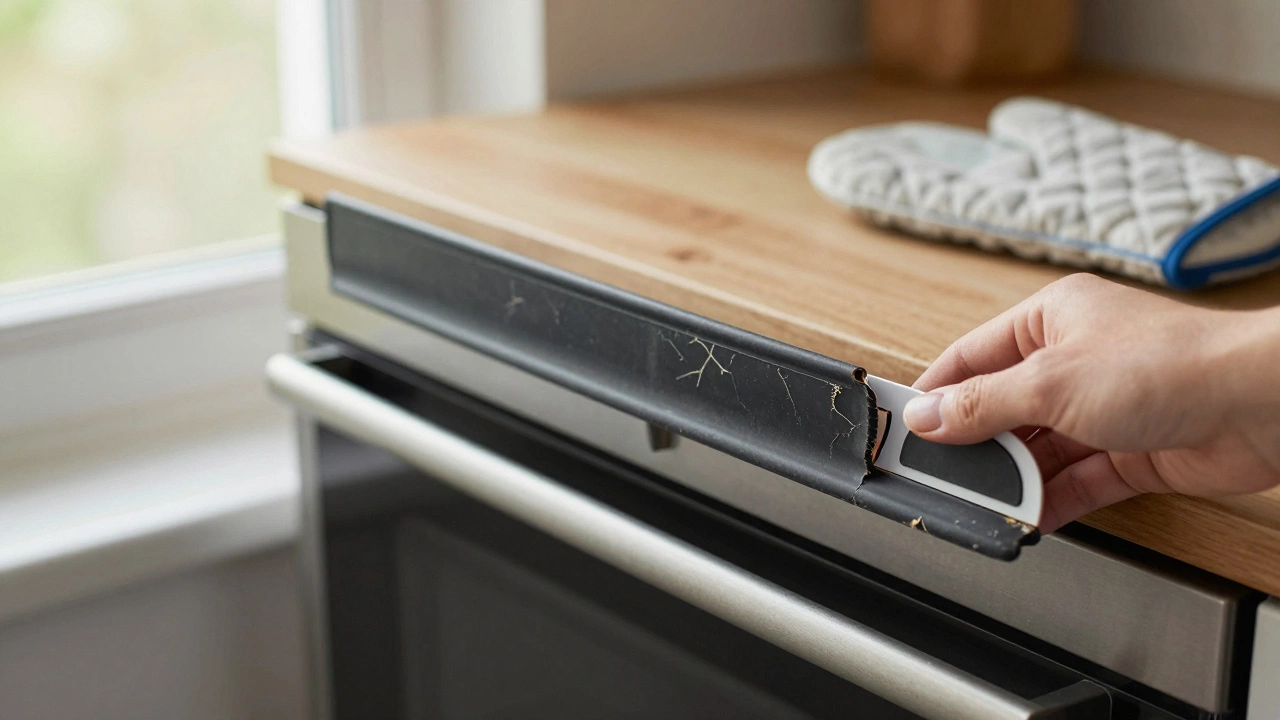
Run your hand around the door edge while it’s closed. Do you feel air leaking? That’s a bad seal. Look for cracks, warping, or gaps. The seal is usually a rubber strip around the door frame. You can buy replacements for £10-£20. Remove the old one by pulling it out of the groove. Push the new one in, starting at the top and working around. Don’t stretch it. A tight fit matters.
Is the control panel acting up?
Buttons that don’t respond. A blank display. Random error codes like F1, E3, or H1. These usually point to the control board. It’s the brain of the oven. It’s not always broken - sometimes it’s just a loose connection.
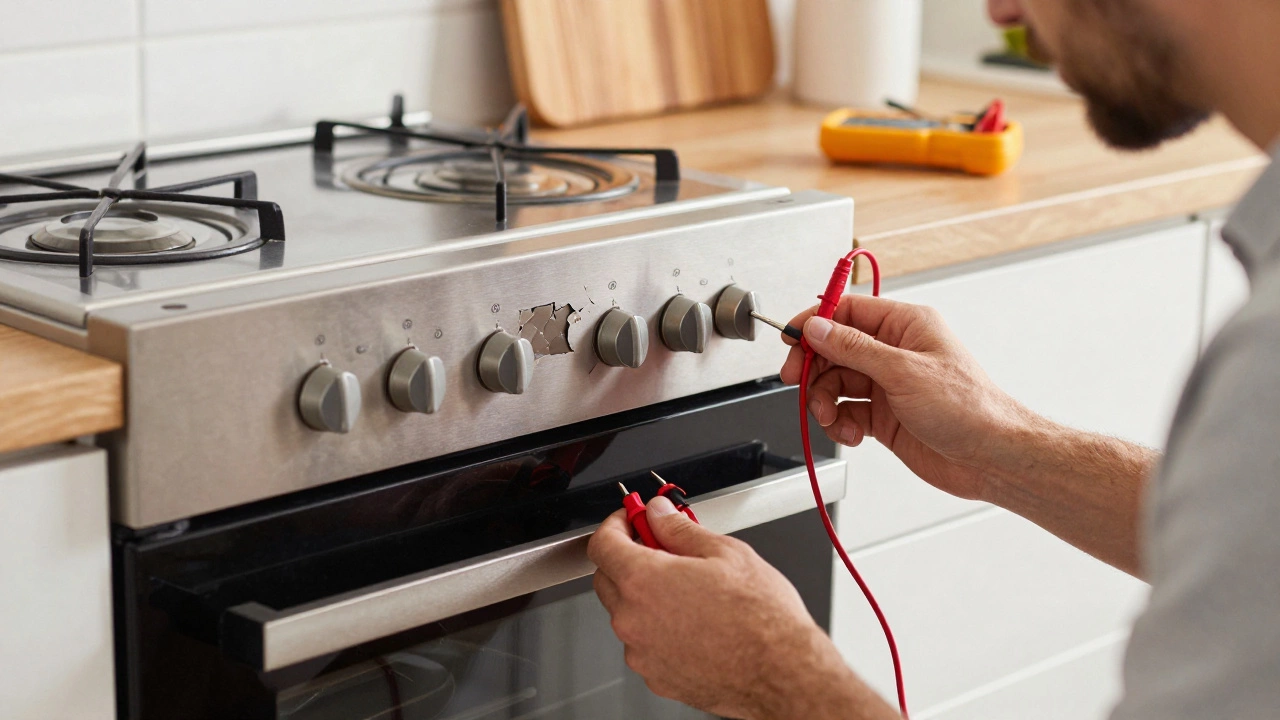
Unplug the oven. Open the control panel (usually behind the knobs or on the back). Look for frayed wires, burnt spots, or loose plugs. Re-seat any connectors. If it still doesn’t work, the board might need replacing. Control boards cost £80-£200, depending on the model. If you’re not sure what’s wrong, take a photo of the error code and search it online. Most manufacturers list codes in their manuals.
Reset the oven
Before you start pulling parts apart, try a full reset. Unplug the oven or turn off the circuit breaker for 5 minutes. This clears the memory of the control board. Plug it back in. Set the time. Try baking again. This fixes about 20% of "broken" ovens. It’s the easiest thing to try - and costs nothing.
When to call a professional
Some problems aren’t DIY. If you smell gas, see sparks, hear loud buzzing, or notice smoke, turn off the power and gas immediately. Call a certified technician. These aren’t just repair issues - they’re safety risks.
Also, if you’ve tried all the steps above and the oven still doesn’t work, it’s time to call in help. A qualified repair person can diagnose issues with sensors, relays, and internal wiring that you can’t see. In the UK, look for Gas Safe registered engineers for gas ovens. For electric models, choose someone with a City & Guilds qualification.
Prevent future problems
Keep your oven clean. Built-up grease can damage heating elements and sensors. Wipe spills as they happen. Use the self-clean function sparingly - it stresses the elements. Run it only when necessary, and never leave the house while it’s cleaning.
Don’t overload the oven. Heavy pans can warp racks and block airflow. Use the right size bakeware. Let the oven cool before cleaning. Hot surfaces + water = steam burns and cracked enamel.
Check the door seal every few months. A small gap can waste energy and make your oven work harder. Replace it before it fully fails.
Keep the model number handy. Most ovens have a sticker inside the door frame or on the back. Write it down. That’s the key to finding the right replacement parts online.
Why does my oven turn on but not heat properly?
This usually means one of the heating elements is failing - either the bake element at the bottom or the broil element at the top. Test them with a multimeter. If they show no continuity, replace them. A faulty thermostat can also cause inconsistent temperatures. Use an oven thermometer to check if the actual temperature matches the setting.
Can I replace an oven element myself?
Yes, most oven elements are easy to replace. Just unplug the oven or turn off the power at the breaker. Remove the racks and the old element by unscrewing it and unplugging the connectors. Plug in the new one, screw it back in, and test. Replacement elements cost under £50. Always match the wattage and shape exactly.
My gas oven clicks but won’t light. What’s wrong?
The igniter is likely weak or broken. It should glow bright yellow-orange within 10 seconds. If it glows slowly or not at all, it can’t open the gas valve. Replace the igniter - it’s a simple swap. Turn off the gas first. If you smell gas at any point, stop and call a Gas Safe engineer.
How do I know if my oven thermostat is faulty?
Place an oven-safe thermometer on the middle rack. Set the oven to 350°F (175°C). After 20 minutes, check the reading. If it’s more than 20 degrees off, the thermostat is inaccurate. Some ovens allow you to recalibrate the temperature. If not, the thermostat sensor may need replacing - it’s usually behind the control panel.
Is it worth repairing an old oven?
If your oven is over 10 years old and needs multiple repairs, replacement might be smarter. A new oven costs £300-£1,000, but it’ll save you money on energy bills and avoid future breakdowns. If the repair costs more than half the price of a new one, walk away. But if it’s just one part - like a heating element or thermostat - fixing it is usually the better choice.