- 16 Mar 2026
- Gideon Thornton
- 0
Oven Repair Safety & Cost Calculator
Diagnose Your Oven Problem
Select your oven issue and follow safety checks to determine if you can safely repair it yourself.
Ever turned on your oven and got nothing but cold air? Or maybe the heating element glows red but your cookies still come out raw? You’re not alone. Thousands of homeowners face this every week, and the first question that pops up is: Can I repair my own oven? The answer isn’t a simple yes or no - it’s more like, "It depends, but here’s how to find out."
What’s Broken? Start With the Basics
Before you grab a screwdriver, you need to know what’s actually wrong. Most oven problems fall into five common categories:- Doesn’t heat at all
- Heats unevenly
- Thermostat doesn’t read correctly
- Element glows but oven stays cold
- Door doesn’t seal or latch properly
The Heating Element: Your First Suspect
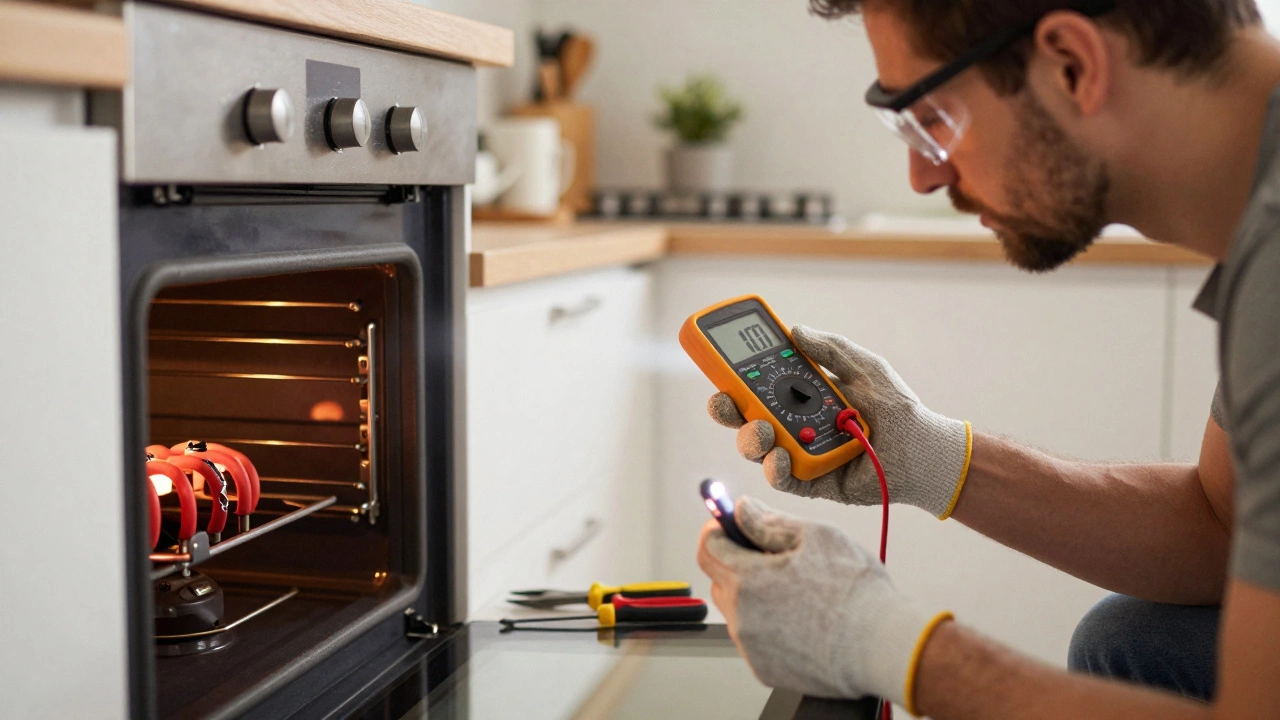
If your oven doesn’t heat, the heating element is the most likely culprit. It’s the coil at the bottom (and sometimes top) of the oven that glows red when it’s working. When it fails, it often looks cracked, blistered, or has a broken section. You can spot this with a flashlight - no tools needed. To test it properly, you’ll need a multimeter. Set it to continuity mode (the one that beeps). Touch one probe to each terminal on the element. If it beeps, the element is fine. If it doesn’t beep, the element is dead. Replacing it is usually a 30-minute job: unscrew the old one, unplug the wires, plug in the new one, screw it back in. Most elements cost under $40. Brands like Whirlpool, GE, and Frigidaire use standard parts you can find at Home Depot or online.Thermostat and Temperature Sensor: The Silent Culprits
If the element works but your food takes forever to cook, the thermostat or temperature sensor might be off. These aren’t visible like the element. The sensor is a thin metal rod near the back wall of the oven. If it’s bent, corroded, or covered in grease, it can send wrong signals to the control board. You can test it with a multimeter too. Set it to ohms (Ω). Remove the sensor by unscrewing it from the oven wall (you don’t need to pull the whole oven out). Touch the probes to the two metal pins on the sensor. At room temperature, it should read between 1,000 and 1,100 ohms. If it’s way higher or lower, replace it. A new sensor costs $25-$50. Most DIYers can swap it in without help.Control Board: When Things Get Complicated
If both the element and sensor check out, the problem might be the control board. This is the brain of the oven. It’s behind the control panel, usually a small circuit board with wires going in and out. Replacing it is trickier. You’ll need to remove the front panel, unplug multiple connectors, and match the part number exactly. A new control board can cost $150-$300. Here’s the catch: control boards rarely fail on their own. Usually, something else - like a bad element or moisture - killed it first. If you replace the board without fixing the root cause, it’ll die again. Most experts say don’t touch this unless you’ve already ruled out everything else. And even then, some homeowners call a pro.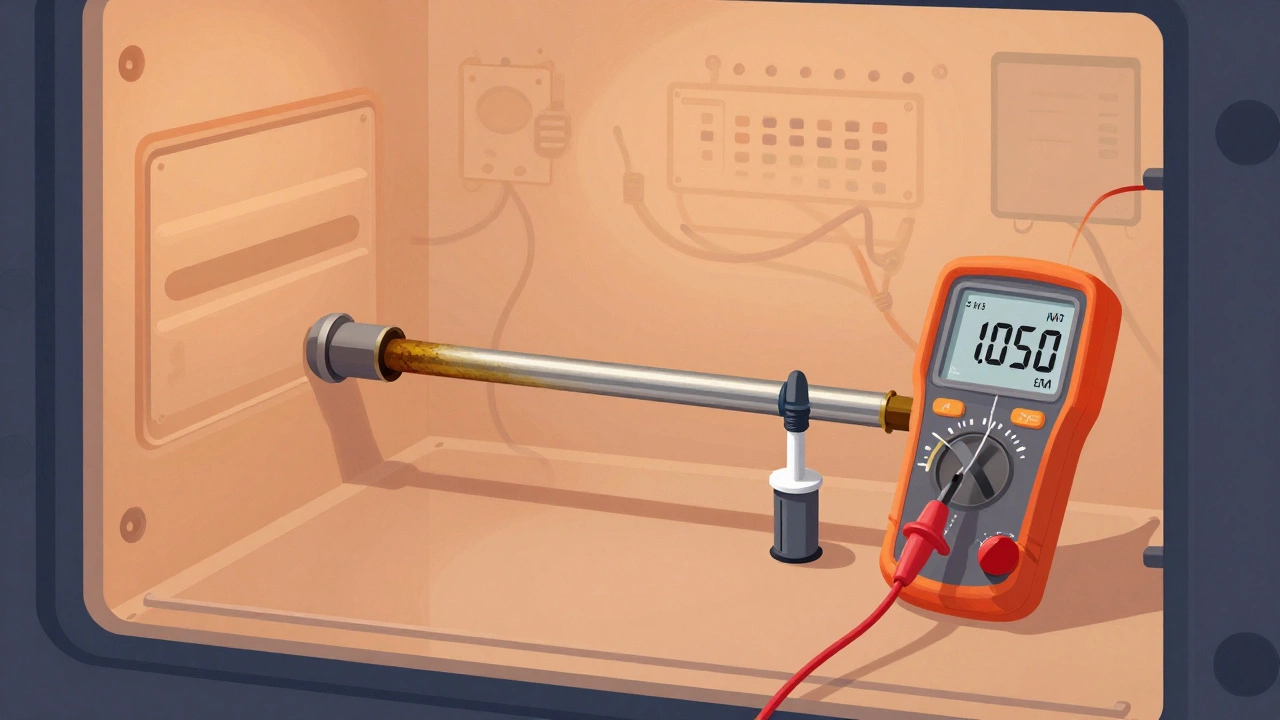
When to Call a Professional
There are clear signs you should stop trying to fix it yourself:- You smell gas (even if it’s electric - gas ovens exist too)
- Wiring looks melted or frayed
- The oven trips the breaker every time you turn it on
- You’re not comfortable using a multimeter
- The oven is over 15 years old and has multiple issues
Tools You Actually Need
You don’t need a full toolbox. For most oven repairs, you only need:- A multimeter (under $20 at Harbor Freight)
- A Phillips screwdriver
- A flathead screwdriver
- Needle-nose pliers
- Work gloves and safety glasses
Cost Comparison: DIY vs. Pro
| Item | DIY Cost | Professional Cost |
|---|---|---|
| Heating Element | $25-$50 | $150-$250 (parts + labor) |
| Temperature Sensor | $25-$50 | $120-$200 |
| Control Board | $150-$300 | $300-$600 |
| Service Call Fee | $0 | $75-$150 (just to show up) |
Common Mistakes to Avoid
Even experienced DIYers mess up. Here’s what to watch out for:- Buying the wrong part - always match the model number, not just the shape
- Forgetting to unplug the oven - even if the breaker’s off, capacitors can hold a charge
- Not cleaning the sensor - grease buildup fools the oven into thinking it’s hotter than it is
- Forcing connectors - they snap easily. Wiggle gently
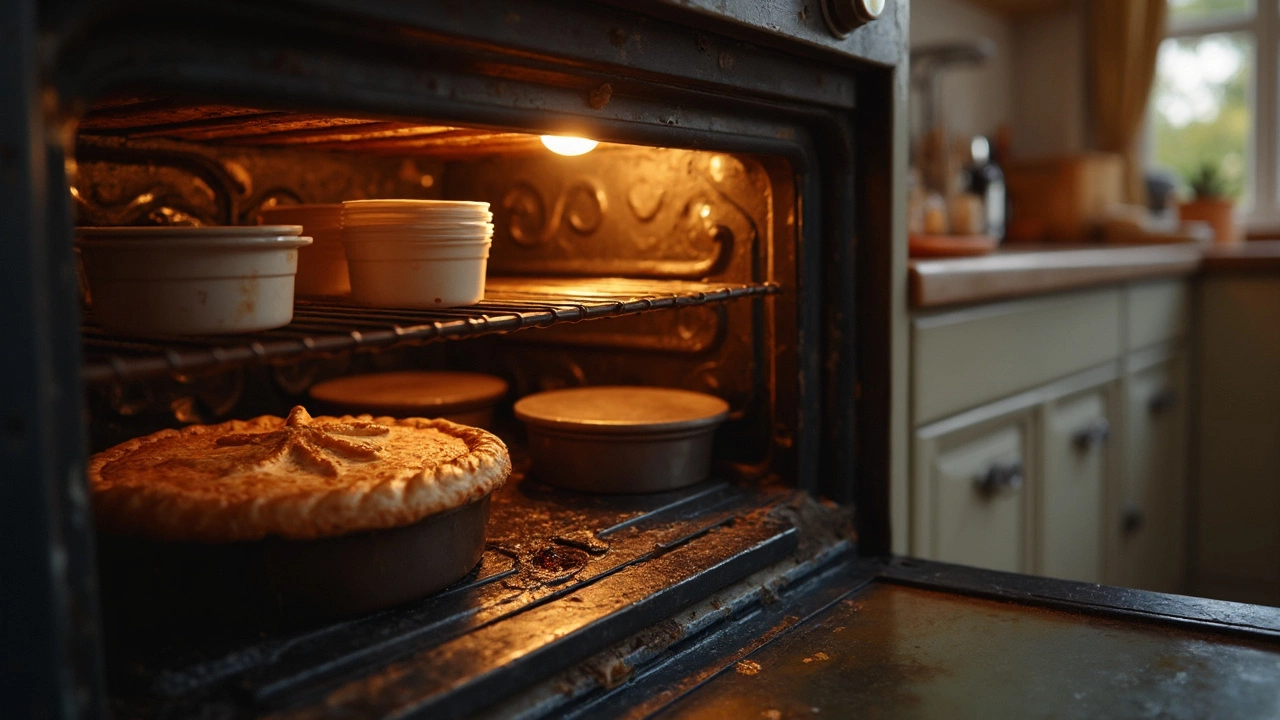
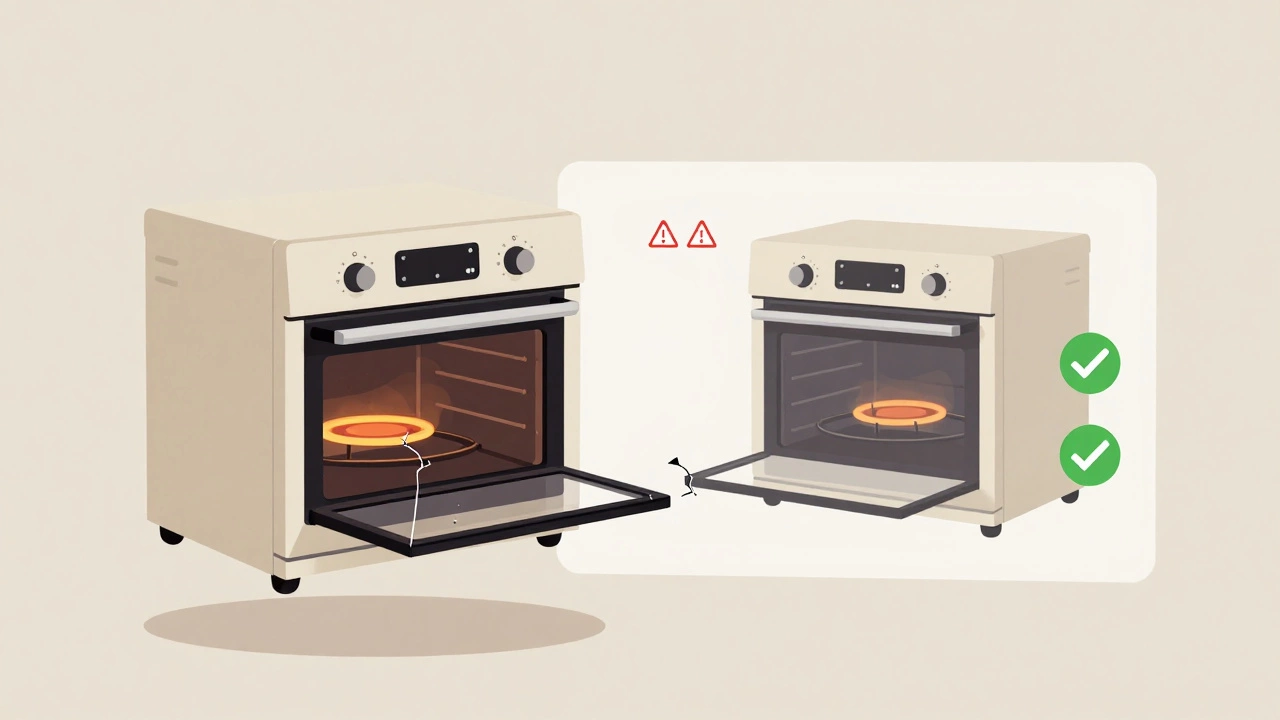
- Ignoring the door seal - a cracked gasket can make your oven lose 30°F of heat
What to Do If You’re Not Sure
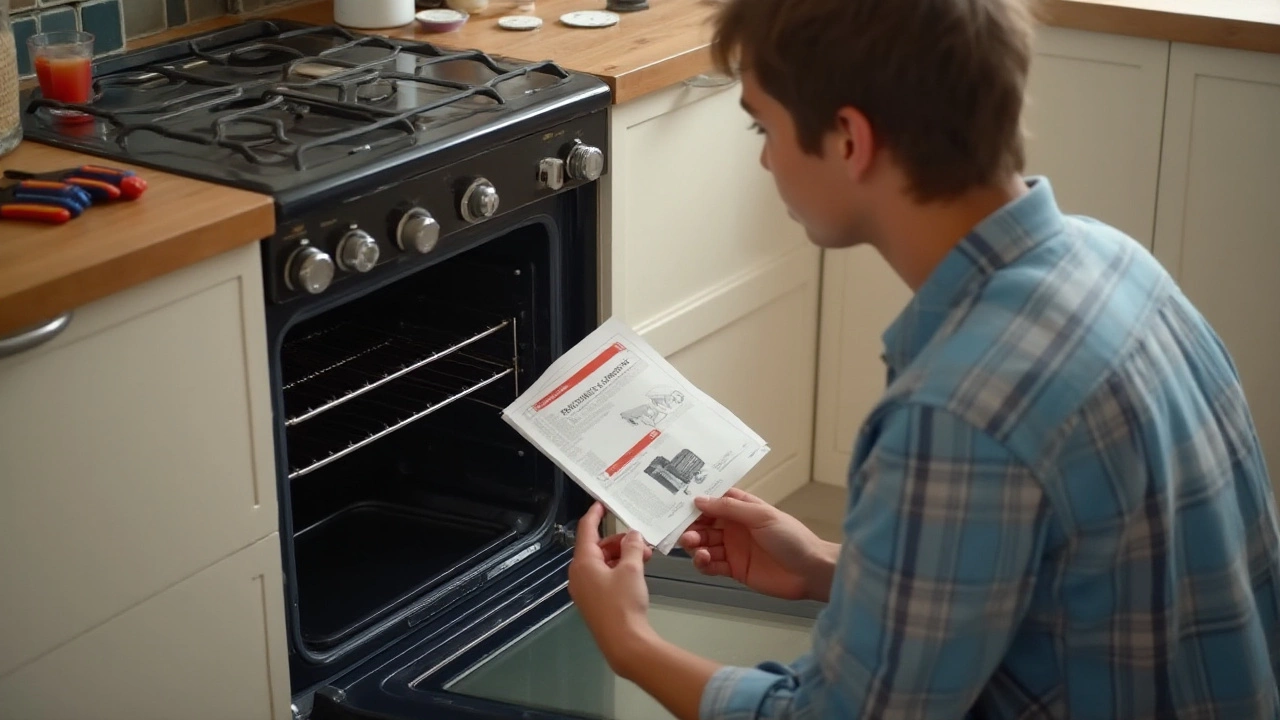
If you’re stuck, don’t guess. Search for your oven’s model number + "repair video" on YouTube. Most major brands have official channels with step-by-step guides. Watch one all the way through before you start. Don’t rush. Take pictures as you disassemble. Label wires with tape if needed. You can also call the manufacturer’s support line. Most have free troubleshooting help. They’ll walk you through tests you can do with a multimeter. No appointment needed.Final Verdict: Can You Repair Your Own Oven?
Yes - if you’re patient, careful, and willing to learn. For 7 out of 10 common oven problems, DIY is not just possible - it’s smarter. You’ll save hundreds, learn something useful, and feel proud when your oven heats up again. But if you’re unsure, overwhelmed, or dealing with electrical or gas hazards - call a pro. There’s no shame in that. Your safety matters more than your pride.Is it safe to repair an electric oven myself?
Yes, if you follow safety steps: unplug the oven or turn off the circuit breaker, wear gloves and safety glasses, and avoid touching wiring unless you know what you’re doing. Most repairs involve replacing parts like heating elements or sensors, which don’t require live electrical work. But never touch internal wiring if the oven is still plugged in - even if the power is off, capacitors can hold a dangerous charge.
How do I know if my oven’s heating element is bad?
Look for visible damage like cracks, blisters, or broken sections. Then use a multimeter set to continuity mode. Touch the probes to the two terminals on the element. If it doesn’t beep, the element is faulty. A good element will beep, meaning it has continuity. If you don’t have a multimeter, try turning the oven on and watching the element - if it doesn’t glow red after 10 minutes, it’s likely dead.
Can I replace the oven thermostat myself?
Most modern ovens don’t have a traditional thermostat - they use a temperature sensor instead. Replacing the sensor is straightforward: unplug the oven, remove the two screws holding the sensor in the back wall, unplug the connector, and swap in the new one. The sensor costs under $50. If your oven has a mechanical thermostat (rare after 2000), it’s best to leave that to a professional - they’re harder to access and calibrate.
Why does my oven heat unevenly?
Uneven heating usually comes from three sources: a failing heating element, a dirty or misaligned temperature sensor, or a broken door seal. Check the element first - if it’s cracked, replace it. Clean the sensor with vinegar and a soft cloth. If the door doesn’t close tightly, the seal might be cracked or warped. Replacing the gasket is cheap and fixes the problem fast.
Should I repair my oven or buy a new one?
If your oven is less than 10 years old and only one part is broken, repair it. If it’s over 15 years old and you’re spending more than half the cost of a new oven on repairs, replace it. Also consider efficiency - newer models use 20-30% less energy. If your electric bill has gone up noticeably, it’s a sign your oven is struggling. A new oven can pay for itself in energy savings over 3-5 years.