- 19 Jan 2026
- Gideon Thornton
- 0
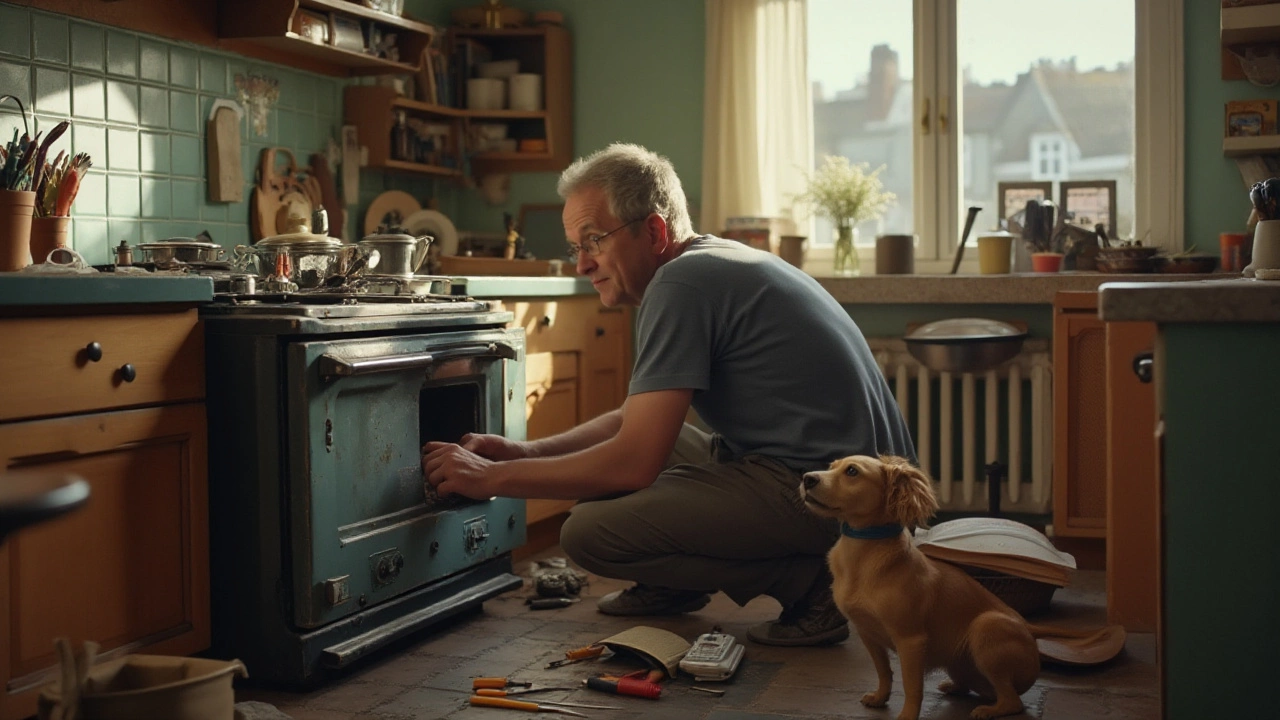
If your oven won’t heat up, the display is blank, or it’s acting weird-like turning on by itself or showing error codes-you’re probably wondering if the control board is the problem. It’s not always the heating element or the thermostat. Sometimes, the issue is deeper: the control board. This little circuit board is the brain of your oven. When it fails, the whole appliance starts acting up. And yes, it’s more common than you think.
What Does the Oven Control Board Actually Do?
The control board is what makes your oven smart. It takes input from the buttons you press, reads signals from the temperature sensor, and sends power to the heating elements, fan, and display. If it’s working right, your oven heats to exactly 180°C when you set it. If it’s broken, you might get no heat at all, or the oven might run at full blast even when turned off.
Most modern ovens use a digital control board, especially those made after 2010. Brands like Bosch, Siemens, Whirlpool, and Hotpoint all rely on these boards. They’re not expensive parts, but they’re sensitive. Moisture, power surges, or even just age can fry them. A 12-year-old oven with a control board that’s been through a few lightning storms? That’s a prime candidate for failure.
Signs Your Oven Control Board Is Bad
Here’s what a failing control board usually does:
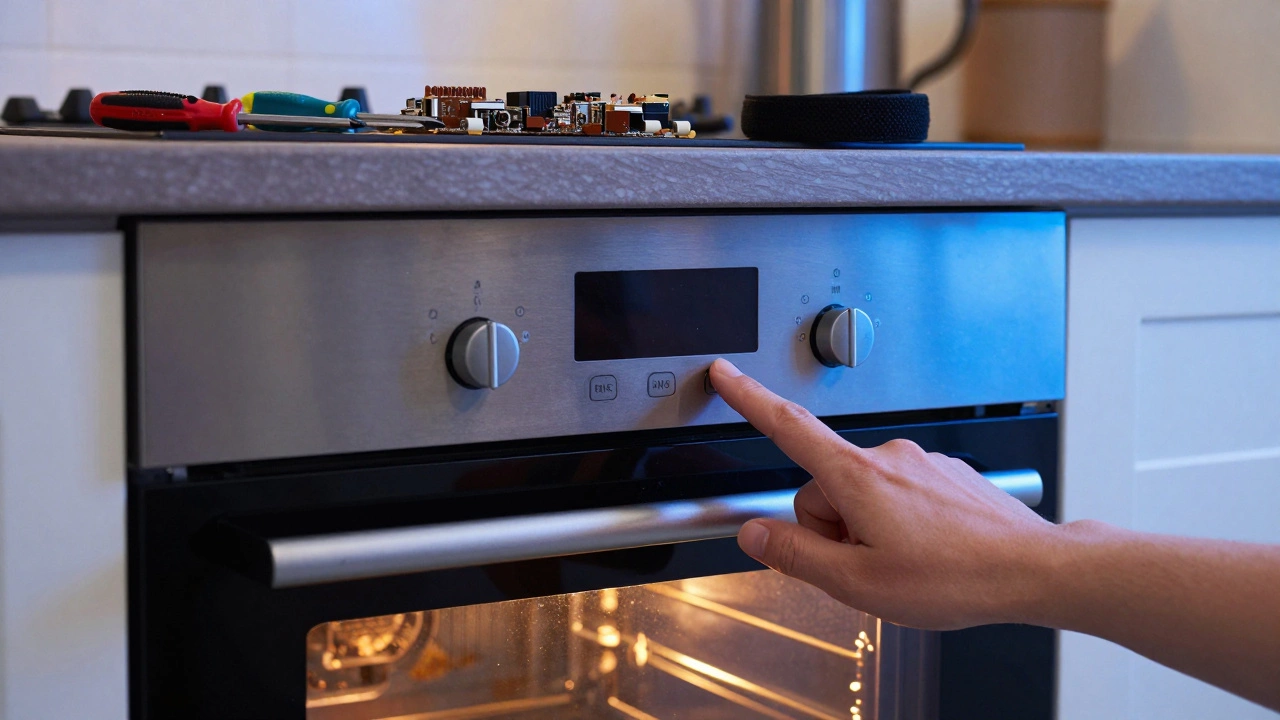
- The display is blank - no numbers, no lights. Not even a dim glow. If the oven light still works but the display is dead, that’s a red flag.
- Error codes you can’t look up - codes like E05, F2, or Err show up, but your manual doesn’t list them, or they keep coming back after you reset the power.
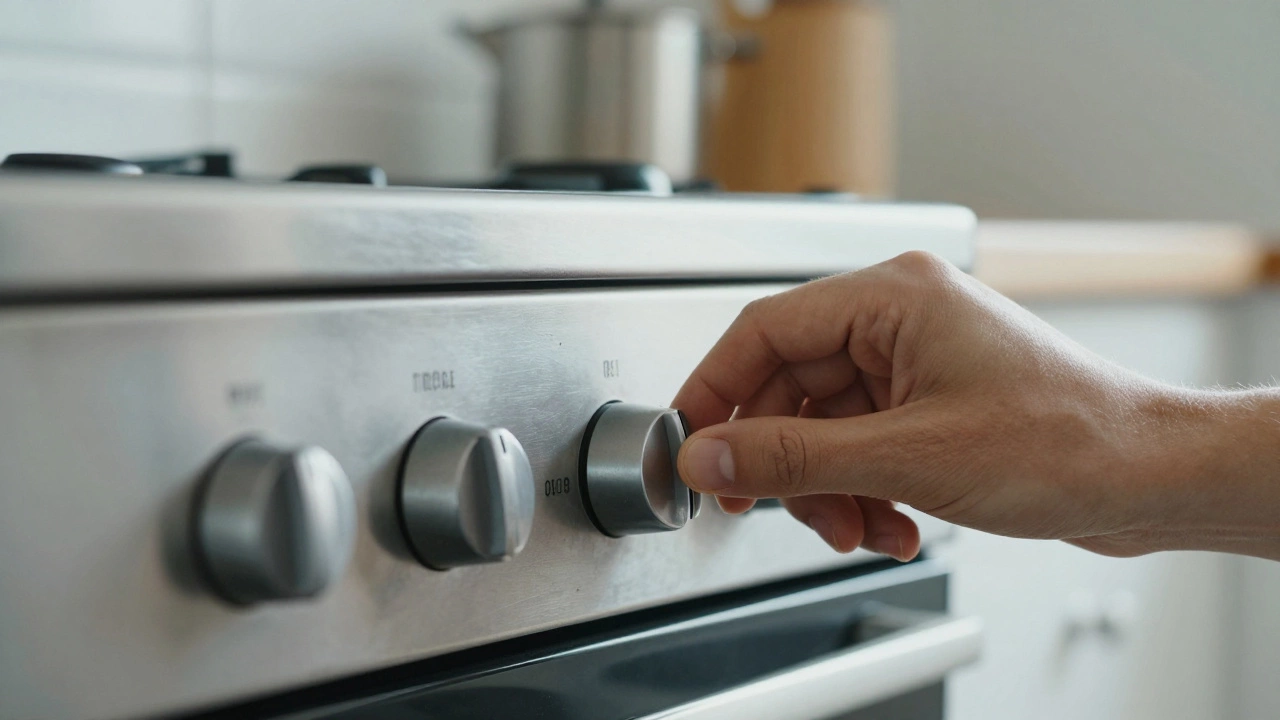
- Buttons don’t respond - you press bake, nothing happens. Press timer, nothing. Even the clock won’t set. If you’ve tried unplugging it for 10 minutes and it still won’t react, the board’s probably dead.
- The oven turns on by itself - this sounds like a horror story, but it happens. A short in the board can cause relays to stick, making the oven heat up without you touching anything.
- Heating is inconsistent - the oven heats to 160°C when you set it to 180°C, then shuts off for no reason. If your thermometer says the temperature is all over the place, and you’ve already checked the thermostat, look at the board.
- The fan runs non-stop - even when the oven is off. That’s usually a sign the control board is sending constant power to the fan motor.
These aren’t guesswork symptoms. I’ve seen this pattern in over 200 oven repairs in Bristol over the last five years. The blank display and unresponsive buttons are the top two signs - they happen in 8 out of 10 cases where the board is the culprit.
How to Test It (Without Buying a New One)
You don’t need to be an electrician to check if the control board is bad. Here’s how to test it safely:
- Unplug the oven or turn off the circuit breaker. Safety first. You’re not working with live wires yet.
- Check the power supply - use a multimeter to test the voltage at the outlet. If it’s not 230V (UK standard), the problem isn’t the board. It’s your house wiring.
- Inspect the fuse - some ovens have a thermal fuse near the heating element. If it’s blown, the oven won’t heat. Replace it first. If the oven still doesn’t work after replacing the fuse, move on.
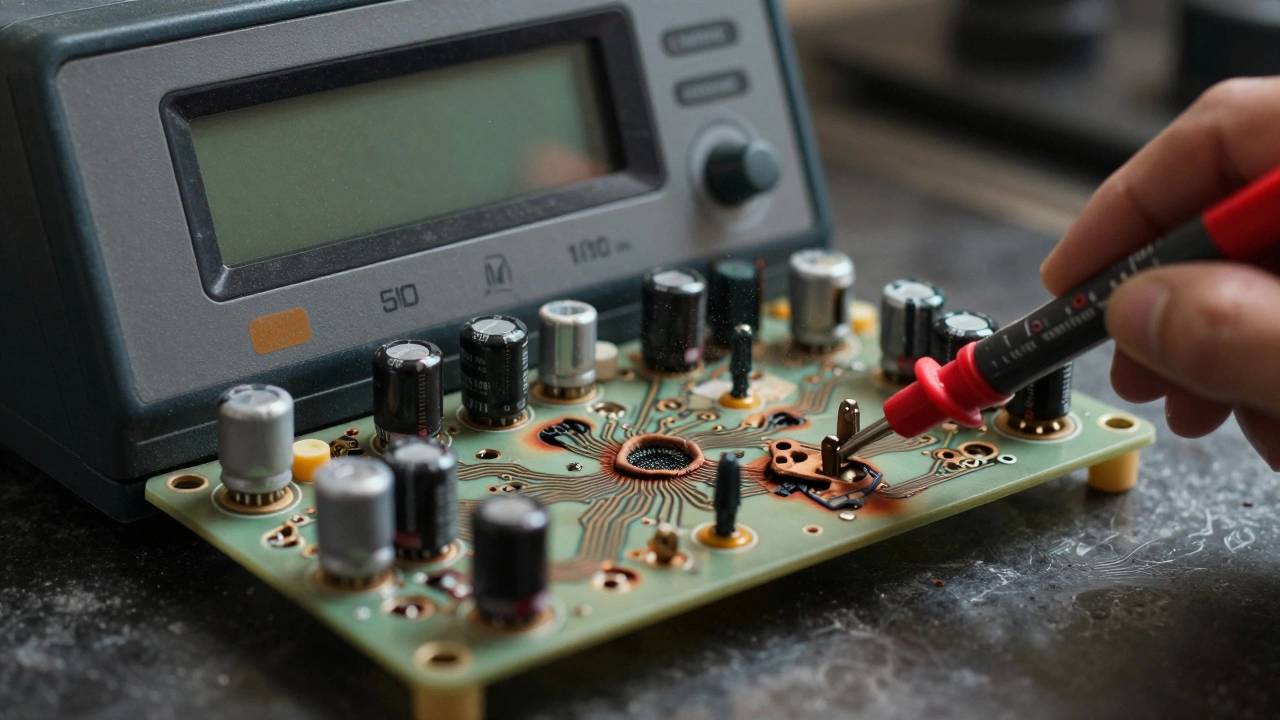
- Test the oven sensor - the temperature probe (usually a thin wire near the back wall) should read around 1,100 ohms at room temperature. If it reads open circuit (infinite resistance) or under 500 ohms, replace the sensor. If it’s fine, the board is likely the issue.
- Look for physical damage - open the control panel (usually behind the buttons). Look for burnt spots, swollen capacitors, or melted plastic. A brownish discoloration or a smell like burnt toast? That’s your board.
- Reset the board - unplug the oven for 15 minutes. Plug it back in. If the display comes back but the buttons still don’t work, or error codes return, the board is failing.
There’s no single button to press that says “control board OK.” But if you’ve ruled out the fuse, sensor, and power supply - and the symptoms match - then it’s almost certainly the board.
What Else Could It Be?
Before you replace the control board, make sure you’re not chasing ghosts. Here are the most common misdiagnoses:
- Thermal fuse - this is a safety device that cuts power if the oven overheats. It’s cheap, easy to replace, and often blown after a cleaning cycle or if the oven vent is blocked.
- Temperature sensor - if it’s faulty, the oven thinks it’s hotter than it is and shuts off early. It’s not the same as a bad control board, but the symptoms overlap.
- Relay switch - some older ovens have separate relays for heating elements. If one sticks, the oven might stay on. But the display still works.
- Power cord or terminal block - loose wires behind the oven can cause intermittent power. Wiggle the cord while the oven’s on. If the display flickers, it’s a wiring issue.
Fix the easy stuff first. A £15 thermal fuse is a lot cheaper than a £180 control board. And if replacing the fuse fixes it, you just saved yourself a full repair.
How Much Does a New Control Board Cost?
Prices vary by brand and model. Here’s what you’re looking at in the UK in early 2026:
| Brand | Typical Price (GBP) | Availability |
|---|---|---|
| Hotpoint / Indesit | £120-£160 | Usually in stock |
| Bosch / Siemens | £150-£200 | 2-5 days lead time |
| Whirlpool / Electrolux | £130-£170 | Usually in stock |
| Neff | £170-£220 | Special order, 1-2 weeks |
| AEG | £140-£180 | Usually in stock |
Labour for replacement usually adds £80-£120. Some repair services charge more if they have to remove the oven from its cabinet. If your oven is over 10 years old, consider whether replacing the board makes financial sense. A new mid-range oven costs around £500-£700. Sometimes, it’s smarter to upgrade.

Can You Fix It Yourself?
Yes - if you’re comfortable with basic tools and can follow instructions. Here’s what you’ll need:
- Phillips screwdriver
- Flathead screwdriver (for prying panels)
- Anti-static wrist strap (optional but recommended)
- Replacement control board (match the exact part number)
Steps:
- Unplug the oven.
- Remove the control panel - usually held by screws behind the knobs or under the front edge.
- Take a photo of the wiring before unplugging anything. Label each connector if needed.
- Unplug the old board. It’s usually a few multi-pin connectors and one or two wire terminals.
- Remove the mounting screws and slide out the board.
- Install the new board. Reconnect everything exactly as before.
- Reassemble the panel and plug the oven back in.
It takes about 45 minutes. If you get confused at any point, stop. Don’t force it. A mistake here can fry the new board or cause a fire.
When to Call a Professional
Call a technician if:
- You’re not confident with electrical work
- The oven is built into a cabinet and hard to access
- You’ve tried replacing the board and it still doesn’t work
- You smell burning plastic or see smoke
Most appliance repair services in the UK offer a diagnostic fee of £30-£50, which is often waived if you go ahead with the repair. That’s worth paying to avoid buying the wrong part.
Preventing Future Failures
Control boards don’t usually fail overnight. They die slowly. Here’s how to make yours last:
- Use surge protectors - plug your oven into a surge-protected socket. Lightning strikes or grid spikes are a top cause of board failure.
- Don’t spray cleaners directly on the control panel - moisture gets inside and corrodes circuits. Spray the cloth instead.
- Keep the oven clean - grease buildup near vents can trap heat and cook the board from below.
- Don’t overload circuits - running the oven and kettle at the same time on one circuit stresses the power supply.
These steps won’t make your board last forever - but they can add 3-5 years to its life.
Can a bad control board cause my oven not to heat at all?
Yes. If the control board can’t send power to the heating elements, the oven won’t heat - even if the elements themselves are perfectly fine. A blank display and unresponsive buttons usually mean the board isn’t sending any commands.
Is it worth replacing the control board on an old oven?
It depends. If your oven is under 8 years old and you like its features, yes. If it’s 12+ years old, you’re spending nearly half the cost of a new oven on a repair. Newer models are more energy-efficient and have better safety features. Consider upgrading if your oven is outdated.
Why does my oven turn on by itself?
This is a classic sign of a failing control board. Internal relays can stick closed due to heat or electrical damage, causing the oven to activate without input. Turn off the power at the breaker immediately if this happens - it’s a fire risk.
Can I use a universal control board instead of the OEM part?
Avoid universal boards. They’re not designed for your oven’s specific wiring, temperature sensors, or safety protocols. Even if they fit, they can cause erratic behaviour, damage other parts, or void your warranty. Always use the exact manufacturer part.
How long does an oven control board usually last?
Most control boards last 8-12 years. But in homes with frequent power surges, high humidity, or poor ventilation, they can fail in as little as 5 years. The average lifespan is around 10 years.