
- 1 Dec 2025
- Gideon Thornton
- 0
Extractor Fan Repair Time Calculator
What's the problem with your extractor fan?
Select the issue to estimate repair time
Select an issue to see repair time estimate
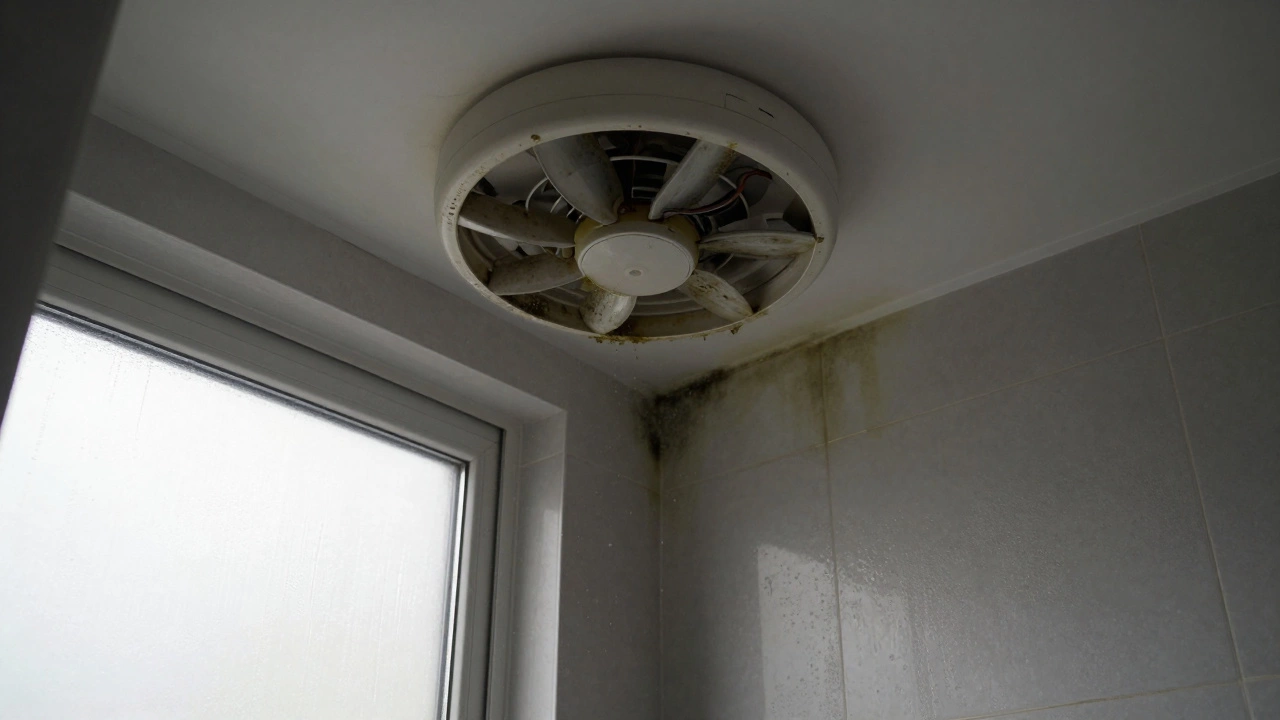
It’s 7 a.m. and your kitchen smells like last night’s curry. You turn on the extractor fan-nothing. No hum, no air, just silence. You check the switch. The fuse is fine. Now you’re wondering: how long does it take to fix an extractor fan? The answer isn’t simple. It could be 15 minutes or three hours, depending on what’s broken. Most people assume it’s a quick fix. It rarely is. Here’s what actually happens when you call for help-or try to fix it yourself.
Quick Fixes That Take Under 15 Minutes
Not every broken extractor fan needs a full repair. Sometimes it’s just a dirty filter or a tripped safety switch. If your fan suddenly stopped but the light still works, check the grease filter first. In UK kitchens, these get clogged with oil and food particles within weeks. Remove it, soak in hot soapy water, scrub with an old toothbrush, and dry. Reinstall. If the fan kicks on now, you just saved yourself a service call.
Another quick win: the pull cord. In older models, the cord snaps or gets stuck in the mechanism. A quick tug and a twist can reset it. Some fans have a thermal cut-out that trips if the motor overheats. Wait 20 minutes, then try again. If it turns on, the motor was too hot-not broken. These fixes are common. About 30% of service calls I’ve seen in Bristol turn out to be this simple.
Motor Issues: 30 to 90 Minutes
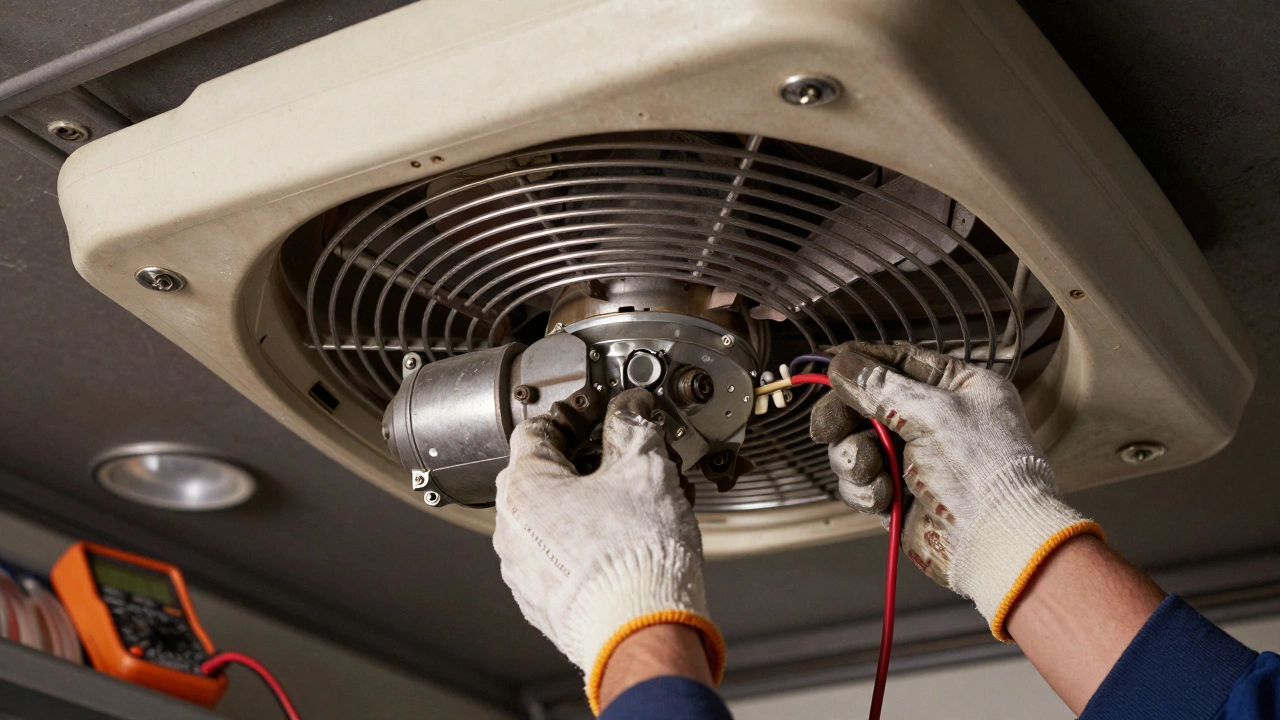
If the fan makes a grinding noise, buzzes, or spins slowly, the motor is likely failing. This is the most common serious fault. Extractor fan motors in UK homes usually last 8-12 years. If yours is older than that, it’s probably worn out. Replacing the motor takes about 45 minutes if you’re experienced. You need to remove the unit from the ceiling or wall, disconnect the wiring, unscrew the old motor, and bolt in the new one. Most replacement motors cost between £30 and £60. Brands like Vent-Axia, Spot, and Extract are widely available.
But here’s the catch: many people buy the wrong motor. Don’t just match the size. Check the voltage (usually 230V in the UK), RPM, and mounting holes. A mismatched motor won’t fit or will overheat. If you’re unsure, bring the old one to a local appliance parts shop. They’ll match it in minutes. If you’re not comfortable with wiring, call a technician. A professional will have the right tools and know which models are prone to this issue.
Wiring or Switch Problems: 60 to 120 Minutes
If the fan doesn’t respond at all-not even a buzz-it could be the wall switch, the timer, or a broken wire. Older homes in Bristol often have outdated wiring. The switch might look fine but be internally fused. A multimeter test will tell you if power is reaching the fan. If not, the issue could be in the ceiling junction box or the circuit breaker feeding the kitchen.
Replacing a faulty switch is easy. But tracing a broken wire behind plaster or in a ceiling cavity? That’s time-consuming. Electricians usually charge by the hour, and this job can take up to two hours. If your house was built before 2000, it’s worth checking if the wiring is still regulated under the old 16th Edition Wiring Regulations. Outdated insulation can crack and short out. In one case I saw, a 1980s extractor fan had a wire chewed by a mouse. That’s not a repair-it’s a safety fix.
Complete Fan Replacement: 2 to 4 Hours
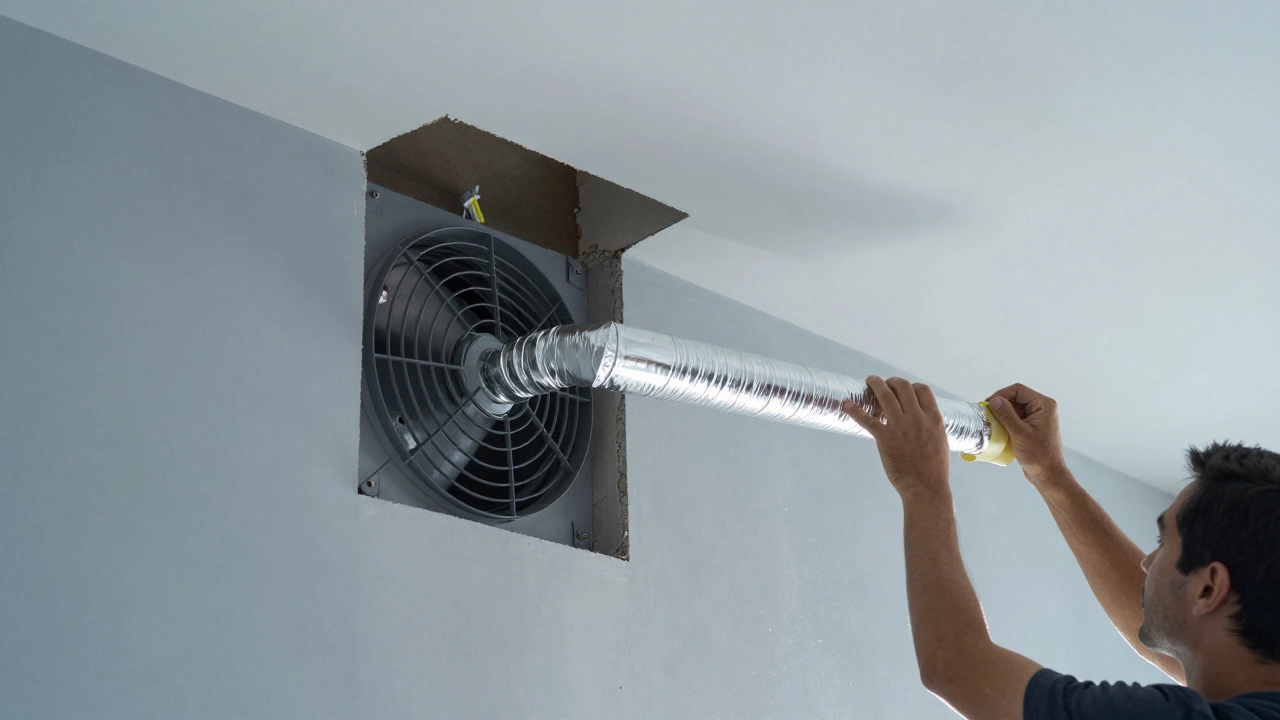
If the housing is cracked, the impeller is bent, or the fan is rusted through, replacement is the only option. This isn’t just swapping a motor. You’re removing the entire unit, cutting out old ducting, sealing the hole, installing a new bracket, running new ducting to the outside, and reconnecting power. If your fan is venting into the loft instead of outside, you’re risking condensation and mould. That’s a common mistake in 1990s homes.
Modern extractor fans are quieter, more efficient, and come with humidity sensors. Brands like Broan-Nutone and Xpelair offer models that turn on automatically when steam rises. A full replacement, including materials, costs between £150 and £300. Installation takes most of a morning. If you’re doing it yourself, factor in extra time to cut the right-sized hole in the ceiling and seal the duct properly. A bad seal means your fan won’t work well-and you’ll be back to smelling last night’s dinner.
What Delays Repairs the Most
Access is the biggest problem. In flats and terraced houses, the fan is often tucked behind a ceiling panel or buried under insulation. Removing drywall or lifting floorboards adds hours. In new builds, the ducting runs through multiple floors. If you’re in a high-rise apartment, you might need permission from the building manager just to access the roof vent.
Another delay: waiting for parts. If your fan is a rare model-say, a 2007 CDA unit-you might need to order the motor from a specialist supplier. That can take 3-5 days. Most technicians carry common parts, but niche models? Not so much. If you’re in a hurry, ask if they have a universal replacement kit. It won’t be original, but it’ll work.
When to Call a Pro (And When to DIY)
DIY is fine for cleaning filters, resetting switches, or replacing a motor if you’ve done electrical work before. But if you’re dealing with:
- Exposed wires or damaged insulation
- No power reaching the unit
- Wiring that doesn’t match current UK regulations
- Condensation or mould behind the fan
-call a qualified electrician. Extractor fans are connected to your home’s main circuit. One mistake, and you risk fire or electrocution. In the UK, Part P of the Building Regulations requires electrical work in kitchens to be certified. A professional will give you a certificate. You’ll need it if you ever sell your home.
How to Avoid Future Breakdowns
Prevention is cheaper than repair. Clean the grease filter every 2-4 weeks. Use a damp cloth to wipe the grille monthly. Don’t run the fan on high for hours on end-it shortens the motor’s life. If you cook a lot, consider a fan with an automatic timer that runs for 15-20 minutes after you turn it off. That clears moisture without you having to remember.
Also, check the external vent cap twice a year. Birds, leaves, or even wasp nests can block the outlet. A blocked vent means your fan works harder, overheats, and dies faster. A simple brush and a ladder can save you hundreds.
Final Answer: How Long Does It Take?
Here’s the real breakdown:
- 15 minutes: Clean filter or reset switch
- 30-90 minutes: Replace motor
- 60-120 minutes: Fix wiring or switch
- 2-4 hours: Full unit replacement
Most repairs fall in the 30-90 minute range. But if you wait too long, a small issue becomes a big one. A buzzing fan today could be a dead motor tomorrow. And if it’s not venting properly, you’re inviting mould into your walls. Don’t ignore it. Fix it now.
Can I fix my extractor fan myself?
Yes, if it’s a simple issue like a dirty filter, a stuck pull cord, or a resettable thermal cut-out. But if you’re dealing with wiring, motor replacement, or ducting, it’s safer and faster to call a professional. Electrical work in kitchens must meet UK Building Regulations, and DIY mistakes can void insurance or cause safety hazards.
How much does it cost to fix an extractor fan in the UK?
A simple cleaning or switch reset is free if you do it yourself. Motor replacement costs £80-£150 including parts and labour. Wiring repairs range from £100-£200. A full fan replacement, including new ducting and installation, typically runs £180-£350. Prices vary by region-London and the South East are 15-20% higher than the Midlands or North.
Why does my extractor fan keep stopping?
It’s usually overheating. Grease buildup forces the motor to work harder. A clogged vent or blocked external cap also causes strain. If your fan turns off after 10 minutes, it’s likely the thermal cut-out kicking in. Clean the filter, check the vent, and make sure it’s not running non-stop. If it still shuts off, the motor is failing.
Should I replace my extractor fan or just repair it?
If your fan is over 10 years old, replacement is usually better. New models are 40% more energy efficient, much quieter, and come with smart features like humidity sensors. Repairing an old unit is like patching a leaky roof-you’ll be doing it again in a year. Plus, modern fans are designed to fit standard cut-outs, so installation is often straightforward.
How do I know if my extractor fan is venting outside?
Turn the fan on and go outside to the roof or wall where the duct exits. You should feel air blowing out. If you feel nothing, the duct may be disconnected, crushed, or blocked. Another test: hold a piece of tissue paper near the grille inside. If it doesn’t pull firmly, airflow is restricted. If the duct runs into the loft, you have a serious problem-it’s creating condensation and risking mould.