- 25 Jan 2026
- Gideon Thornton
- 0
Every winter, someone in Bristol ends up with a broken boiler and a confusing bill. Was it their fault? Was it the landlord’s job? Did the service contract cover it? The truth is, boiler maintenance costs don’t always fall on the person using it. Who actually pays depends on your situation, your contract, and the law.
Homeowners: You’re On the Hook
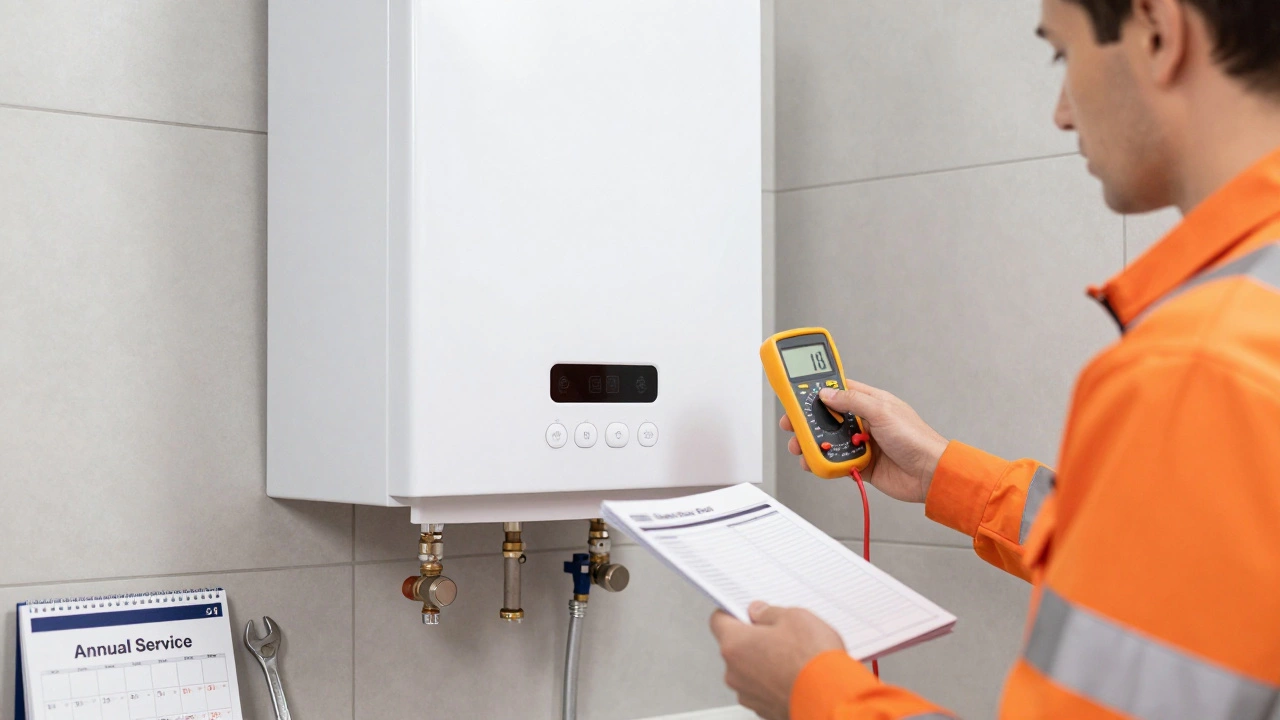
If you own your home, you pay for everything. That includes annual boiler servicing, parts, repairs, and even the £80-£120 cost of a Gas Safe registered engineer coming out. No one else is responsible. Skipping maintenance doesn’t save money-it risks your safety and your warranty.
Most boiler manufacturers require an annual service to keep the warranty valid. If your boiler breaks down after two years and you never had it serviced, the manufacturer will deny your claim. That means you pay for a brand-new boiler out of pocket-often over £2,000.
Some homeowners buy boiler cover plans. These aren’t insurance. They’re service contracts. For £5-£15 a month, you get annual servicing, emergency callouts, and parts coverage. But read the fine print. Some only cover repairs up to £300. Others exclude old boilers over 15 years. If you’ve got a 20-year-old Vaillant, you might be better off saving up for a replacement.
Renters: Landlords Must Maintain the Boiler
If you’re renting in the UK, the law is clear: your landlord is responsible for boiler maintenance. The Landlord and Tenant Act 1985 says they must keep the property’s heating and hot water systems in good working order. That includes annual servicing, gas safety checks, and repairs.
Landlords must provide a valid Gas Safety Certificate every year. If they don’t, they’re breaking the law-and you can report them to the Health and Safety Executive. The certificate proves the boiler is safe to use. No certificate? No gas. The landlord can’t legally let you live there until it’s done.
But here’s the catch: tenants are still expected to report problems quickly. If your boiler stops working because you ignored a leak for three months, your landlord might argue you caused the damage. That’s rare, but it happens. Always report issues in writing. Keep a copy.
Some landlords include boiler cover in the rent. Others don’t. Either way, the legal responsibility doesn’t change. If your boiler breaks and you’ve paid your rent on time, the landlord pays for the fix. You don’t have to chip in unless you agreed to it in writing-and even then, it’s questionable under consumer law.
What About Service Agreements? Who Do They Help?
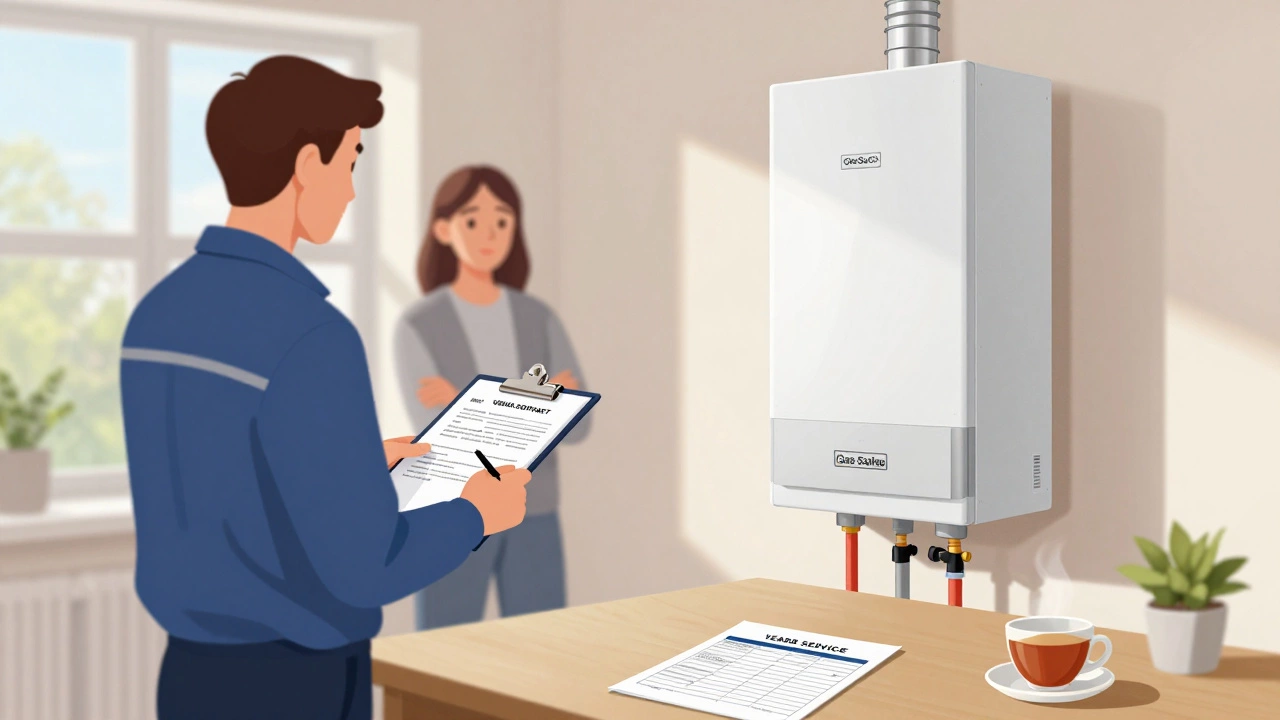
Boiler service agreements are sold by energy companies, plumbers, and even supermarkets. They sound like a deal: “£8.99 a month, unlimited repairs!” But they’re often designed to lock you in.
Most agreements have exclusions. They won’t cover:
- Boilers older than 15 years
- Pre-existing faults
- Damage from poor maintenance (like not bleeding radiators)
- Parts that cost more than the cap (£500-£1,000)
One Bristol resident paid £10 a month for two years. When his Worcester Bosch failed, the company said the pump was “a known fault” and refused to cover it. He ended up paying £750 out of pocket. That’s more than he paid in monthly fees.
Before signing up, ask: Does this cover the boiler itself, or just the callout? Can I choose my own engineer? What’s the maximum payout per repair? If the answer is vague, walk away. A good deal gives you full control and real coverage-not a loophole-filled contract.
Free Boiler Maintenance? Only If You Qualify
If you’re on a low income, receive certain benefits, or are over 60, you might qualify for free boiler servicing through government schemes.
- Warm Home Discount Scheme: Gives £150 off your electricity bill. Doesn’t cover boiler repairs, but helps with heating costs.
- Energy Company Obligation (ECO): If you get Pension Credit, Universal Credit, or Child Tax Credit, you might get a free boiler replacement or full servicing. Eligibility varies by region and income.
- Local Council Grants: Bristol City Council runs a Boiler Support Scheme for residents over 60 or with long-term health conditions. Apply through their housing department.
Don’t assume you’re not eligible. Many people miss out because they think the rules are stricter than they are. Call your council’s housing team or visit the UK government’s Find energy assistance page. It takes 10 minutes to check.
What Happens If the Boiler Breaks During a Service?
Let’s say your landlord books a service. The engineer finds the heat exchanger is cracked. It’s not a simple fix-it needs a full replacement. Who pays?
Legally, the landlord. But if the boiler is over 15 years old, they might try to argue it’s “wear and tear” and push you to pay. That’s not how the law works. Age doesn’t change responsibility. If the boiler was working when you moved in, they must fix or replace it.
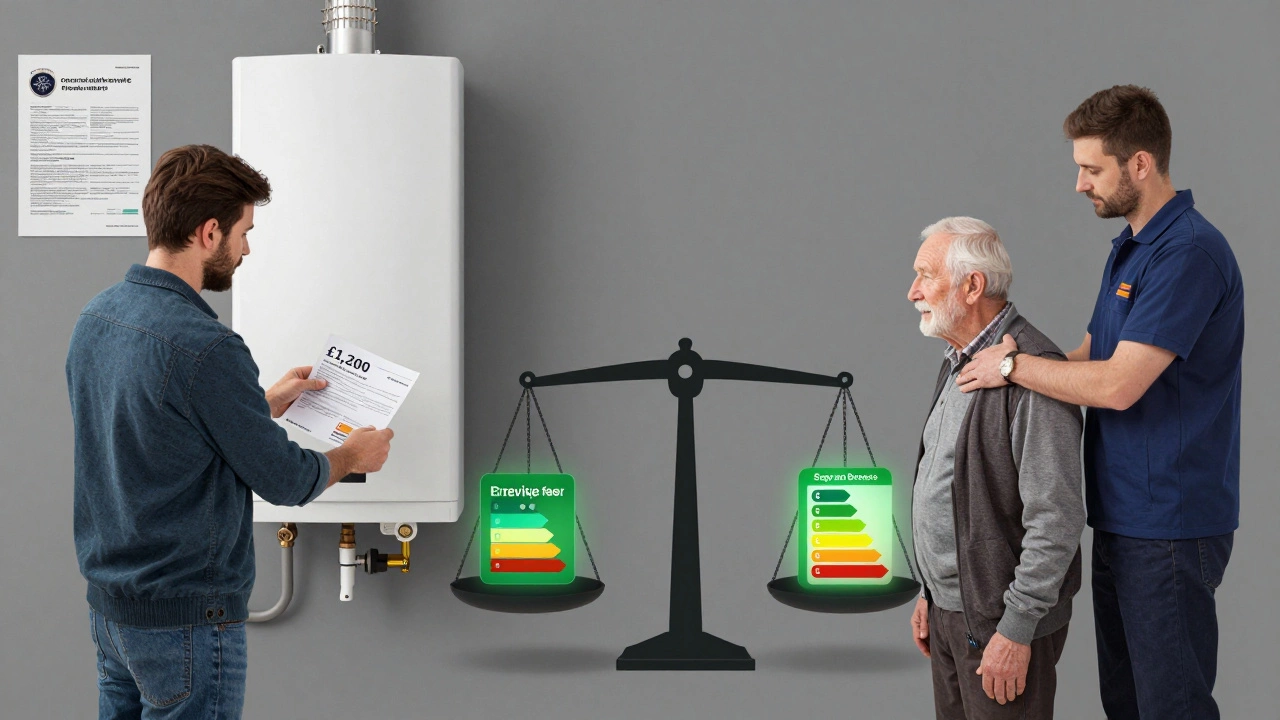
Some landlords choose to replace old boilers instead of repairing them. It’s cheaper long-term. A new A-rated boiler costs £2,000-£3,000 installed. But it cuts gas bills by 30%. That’s £200-£400 a year saved. For a landlord with multiple properties, that adds up fast.
As a tenant, you can ask: “Is replacement being considered?” If the boiler is old and inefficient, it’s not just your comfort-it’s your health. Cold homes are linked to respiratory illness. Pushing for a replacement isn’t being difficult. It’s being smart.
Red Flags: When Someone Tries to Make You Pay
Watch out for these common tricks:
- “We need to charge you for the callout.” If you’re a tenant, this is illegal. The landlord pays.
- “Your maintenance contract expired.” If you never signed one, it doesn’t exist. Never agree to anything over the phone without seeing it in writing.
- “The boiler was fine last year-you must have broken it.” Boiler failures are rarely caused by tenants. Faulty parts, poor installation, or lack of servicing are the real culprits.
- “We’ll fix it, but you need to pay £100 upfront.” This is a scam. Legitimate engineers don’t ask for cash upfront. Always pay through the landlord or a verified company.
If you’re pressured to pay, record the conversation. Email the landlord or company with a summary: “As discussed on [date], you said I’m responsible for the boiler repair. Please confirm this in writing.” Most will back down.
What You Should Do Right Now
Here’s your simple action plan:
- Check your tenancy agreement. Does it say you pay for boiler maintenance? If yes, it’s probably unenforceable.
- If you’re a tenant, ask your landlord for a copy of the latest Gas Safety Certificate. If they can’t provide it, report them to the HSE.
- If you’re a homeowner, check your boiler’s warranty. If it’s expired, book a service before winter.
- Don’t sign any boiler cover plan without reading the exclusions. Compare three quotes.
- Search for local grants. Even if you think you don’t qualify, it’s worth checking.
Boiler maintenance isn’t about who’s cheapest. It’s about who’s legally responsible-and who’s risking safety by avoiding it. The person using the boiler doesn’t always pay. But the person ignoring the problem always pays in the end.
Do tenants have to pay for boiler servicing?
No. Tenants are not legally required to pay for boiler servicing. Under the Landlord and Tenant Act 1985, landlords must ensure heating systems are safe and working. This includes annual servicing and gas safety checks. Any clause in a tenancy agreement asking tenants to pay for this is unenforceable.
Can a landlord charge me for a boiler repair?
Only if you caused the damage. For example, if you blocked the flue, ignored a leak, or tampered with the controls, the landlord can recover repair costs. But if the boiler simply broke down due to age or normal wear, the landlord pays. Always report problems in writing to protect yourself.
Is boiler cover worth it for homeowners?
It depends. Boiler cover can be useful if your boiler is newer (under 10 years) and you want peace of mind. But many plans have low payout limits and exclude old boilers. A better option is to save £100 a year in a separate account. That way, you control the money and can choose any Gas Safe engineer.
What if my landlord refuses to fix the boiler?
Send a written request and keep a copy. If they still don’t act, contact your local council’s environmental health team. They can issue a legal notice forcing the landlord to repair. In extreme cases, you can withhold rent-but only with legal advice. Never turn off the boiler yourself.
Are there free boiler services for pensioners?
Yes. Pensioners on low income or receiving Pension Credit may qualify for free boiler servicing or replacement through the Energy Company Obligation (ECO) scheme. Local councils like Bristol also offer support. Call the council’s housing department or visit gov.uk/energy-assistance to check eligibility.
If you’re unsure, don’t guess. Ask for proof. Get it in writing. And never pay for a boiler repair unless you know exactly who’s supposed to cover it.