- 30 Jul 2026
- Gideon Thornton
- 0
Cold Shower Diagnostic Tool
1Let's start with some basic observations
Which best describes your situation?
Single-handle shower
One lever or knob controls both temperature and flow
Two-handle shower
Separate knobs for hot and cold water
2How does the handle feel when you turn it?
Pay attention to the resistance and movement
Stiff or stuck
Hard to move or feels gritty
Loose or wobbly
Feels loose or doesn't stay in position
Normal
Moves smoothly as expected
2When you turn the hot water handle fully, what happens?
Test the maximum hot water output
Water stays lukewarm
Never gets very hot even at full setting
Gets hot but pressure drops
Temperature rises but flow becomes weak
3Let's do a quick test
Remove your showerhead and run the water. What temperature comes out of the pipe?
Hot water flows freely
The problem is with the showerhead itself
Still cold or lukewarm
The issue is deeper in the system
4Final check on your water heater
After running the shower until it turns cold, immediately check the sink. Does the sink also run cold?
Yes, sink goes cold too
Points to water heater internal issue
No, sink stays hot
Issue isolated to shower line
Diagnosis Complete
Recommended Solution
There is nothing quite as jarring as stepping into a shower expecting warmth and getting hit with ice-cold water. You turn the handle, wait, cringe, and then decide to check the kitchen sink. To your confusion, the tap there pours out perfectly scalding water. It makes no sense. If the water heater was broken, wouldn't everything be cold? If the pipes were frozen, wouldn't nothing work?
This specific scenario-cold shower, hot sink-is actually one of the most common plumbing mysteries homeowners face. It usually points away from the water heater itself and toward the plumbing infrastructure connecting the heater to the bathroom. Since you have confirmed that hot water exists in the house (at the sink), we can rule out a total system failure. Instead, we are looking at a blockage, a mechanical fault, or a pressure issue isolated to the shower line.
The Single-Handle Mixer Valve Failure
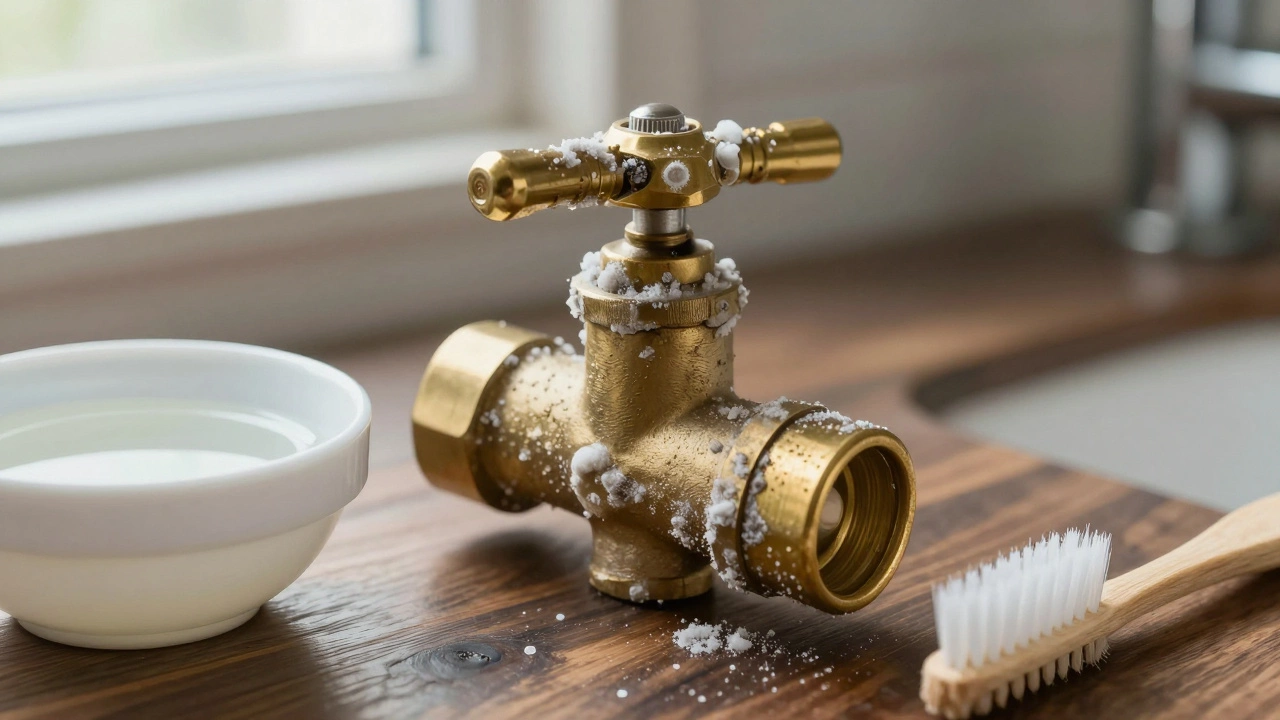
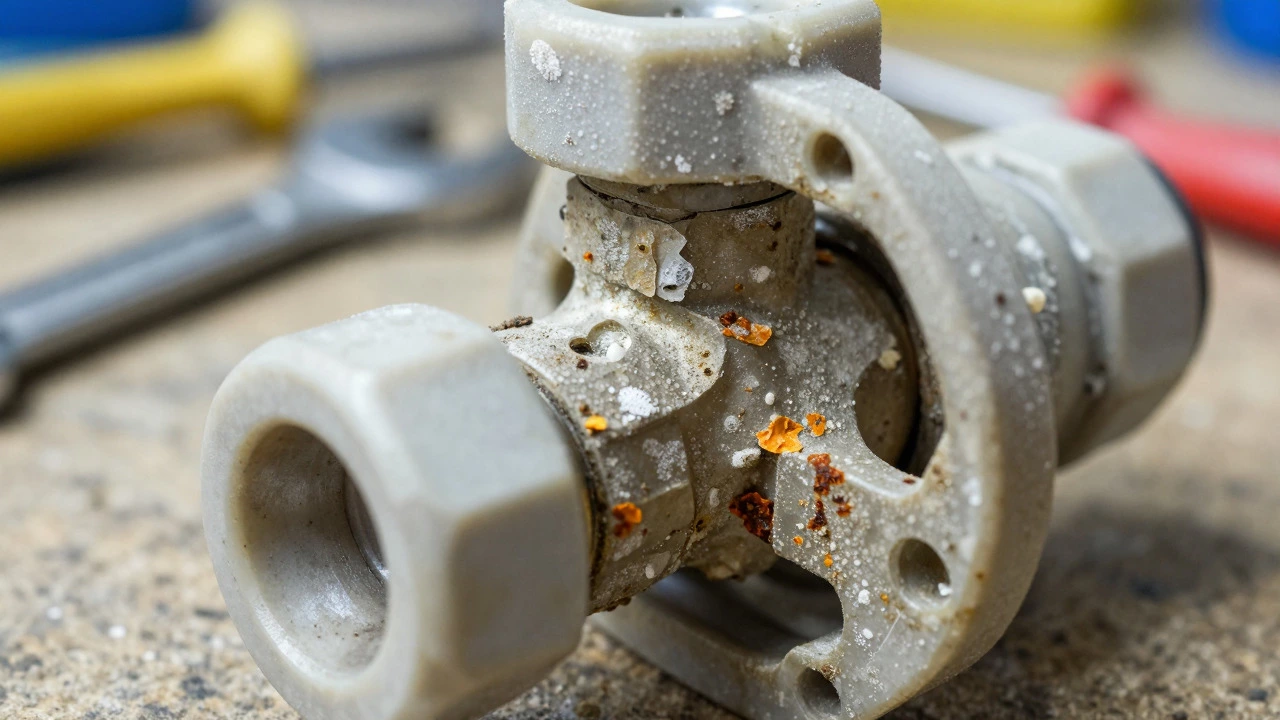
If you have a modern shower with one lever or knob that controls both temperature and flow, the culprit is almost certainly the cartridge inside the valve. This small plastic or ceramic component acts as the gatekeeper for hot and cold water mixing. Over time, mineral deposits from hard water build up on the cartridge, or the internal seals wear out.
When this happens, the cartridge gets stuck in a position that favors cold water, or it fails to open the hot water channel fully. Because the sink uses a completely different valve mechanism, it remains unaffected. You might notice that turning the handle all the way to the "hot" side barely changes the temperature, or that the water pressure drops significantly when you try to get hotter water. This is a classic sign of a failing cartridge.
Replacing this part is often a DIY-friendly task if you have basic tools. You will need to shut off the water supply, remove the handle, and pull out the old cartridge. However, because every brand (Moen, Delta, Kohler) uses proprietary designs, you must identify the exact model before buying a replacement. Using the wrong cartridge will mean taking the whole thing apart again.
Clogged Aerators and Flow Restrictors
While less common than valve issues, physical blockages can mimic a lack of hot water. Showers often have flow restrictors installed by manufacturers to meet energy efficiency codes. These are small plastic discs with tiny holes designed to limit gallons per minute (GPM). If sediment, rust, or calcium buildup clogs these holes, it can restrict the flow of hot water more than cold water due to differences in pipe pressure or debris accumulation patterns.
In some cases, the issue isn't the showerhead but the path leading to it. If you recently had construction work done nearby, or if your home has older galvanized steel pipes, metal shavings or corrosion flakes can travel through the lines. These particles can lodge themselves in the narrow passages of the shower valve or the showerhead inlet. The sink faucet usually has larger internal pathways or an aerator that is easier to clean, which is why it continues to function normally.
To test this, try removing the showerhead entirely and running the water. If the water coming out of the pipe is hot, the problem is isolated to the showerhead's internal restrictor or nozzle. If the water is still cold, the blockage is deeper in the valve or supply line.
The Dip Tube Disaster
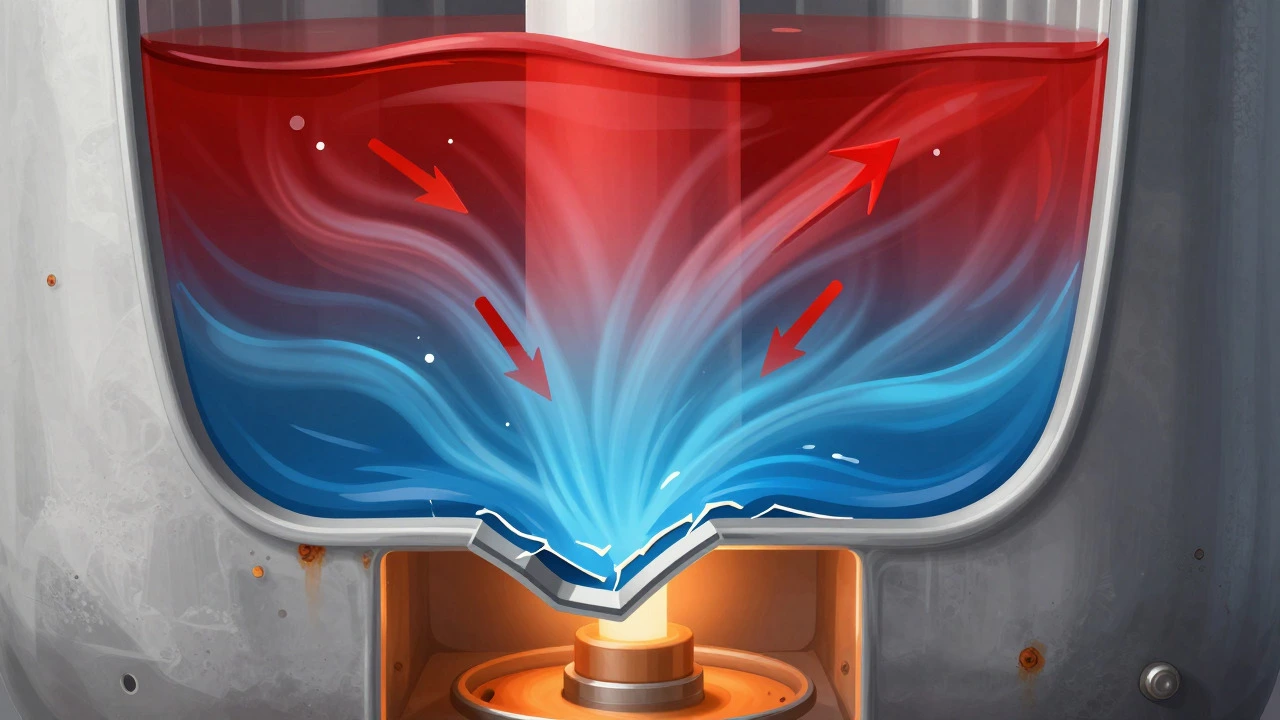
Here is where things get tricky. Sometimes, the problem is the water heater, even though the sink has hot water. This involves a component called the dip tube. Inside your tankless or storage tank water heater, the dip tube directs incoming cold water to the bottom of the tank so it can heat up gradually. Hot water rises to the top, where it exits to your fixtures.
If the dip tube cracks or disintegrates (a common issue with older polypropylene tubes), cold water enters at the top of the tank instead of the bottom. It mixes immediately with the hot water layer. When you run a high-flow fixture like a shower, you pull this mixed, lukewarm water quickly. However, a sink faucet has much lower flow. It draws slowly enough that the water heater can keep up, or the stratification hasn't been disturbed enough to send cold water up yet. Essentially, the shower demands more volume than the compromised heater can deliver at full temperature, while the sink does not.
You can diagnose this by running the shower until it turns cold, then immediately checking the sink. If the sink also runs cold shortly after, the dip tube is likely shattered. Replacing a dip tube is relatively inexpensive but requires draining the tank and working inside the cold water inlet pipe.
Pressure Imbalances and Crossed Lines
Plumbing systems rely on balanced pressure between hot and cold lines. If the pressure on the cold water side is significantly higher than the hot water side, the cold water will dominate the mix in a single-handle valve. This is known as "cold water override." You might have hot water available at the source, but it simply cannot push its way through the valve against the stronger cold water stream.
This imbalance can happen if:
- A pressure-reducing valve (PRV) is malfunctioning specifically on the cold feed.
- There is a partial blockage in the hot water line leading to the bathroom (but not the kitchen).
- The main hot water line is corroded internally, reducing diameter and flow capacity.
In older homes, you might also encounter crossed lines during previous renovations. If a plumber mistakenly connected the cold supply to the hot port of the shower valve, you would get cold water when turning the handle to "hot." However, since you have hot water at the sink, this is unlikely unless the error was isolated to the bathroom branch line.
Gas Valve and Thermostat Issues (For Gas Heaters)
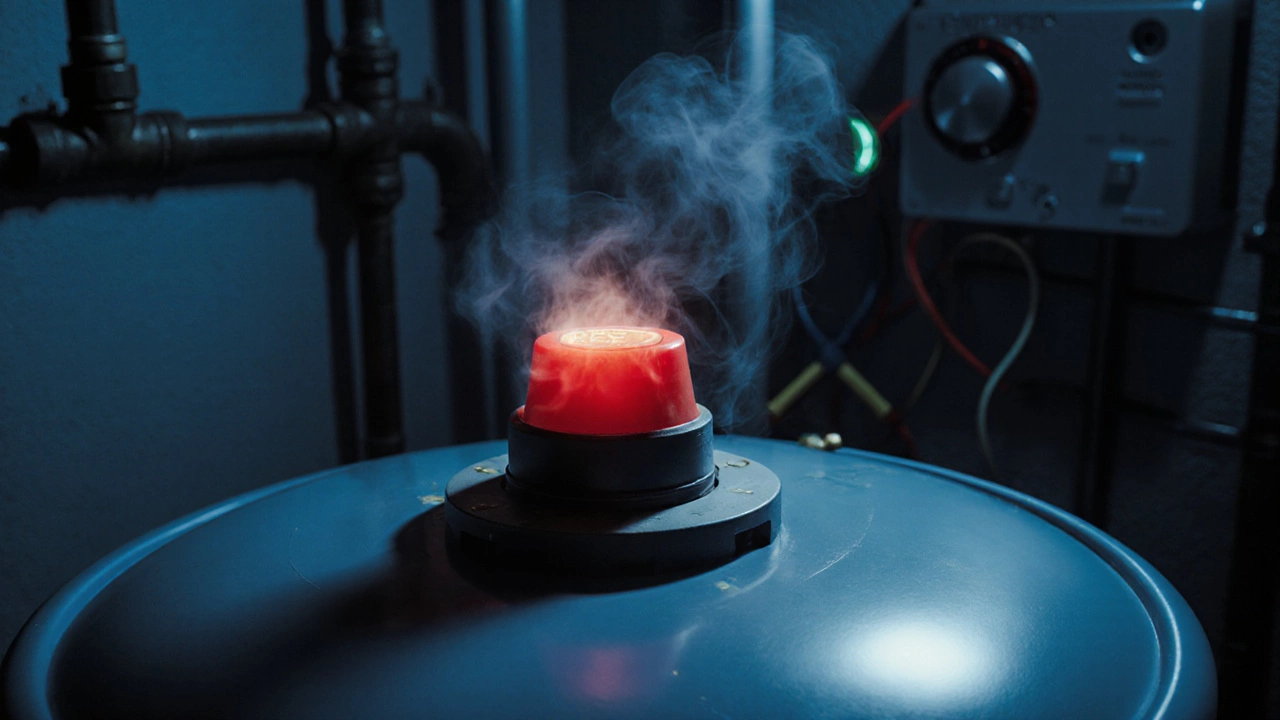
If you have a gas water heater, consider the pilot light or electronic ignition. While a failed pilot usually means no hot water anywhere, intermittent firing can cause issues. If the burner cycles on and off rapidly, it may not maintain the temperature needed for high-demand fixtures like showers. Sinks, drawing less water, might still receive adequately heated water during the brief "on" cycles.
Additionally, check the thermostat settings. If the thermostat is set too low (below 120°F / 49°C), the margin for error is slim. As water travels through pipes, it loses heat. By the time it reaches the shower, especially if the pipes are long or uninsulated, it may feel cool. The sink, being closer to the heater or having shorter pipe runs, retains more heat. Raising the thermostat to 125°F (51°C) can sometimes compensate for heat loss in the pipes.
| Symptom | Likely Cause | Action Required |
|---|---|---|
| Shower handle feels stiff or loose | Faulty Cartridge | Replace shower valve cartridge |
| Water pressure is low in shower only | Clogged Showerhead/Restrictor | Clean or replace showerhead |
| Hot water runs out quickly in shower | Broken Dip Tube | Inspect and replace dip tube |
| Cold water dominates mix | Pressure Imbalance | Check PRV and pipe integrity |
| Water is lukewarm everywhere eventually | Thermostat Setting | Adjust water heater thermostat |
When to Call a Professional
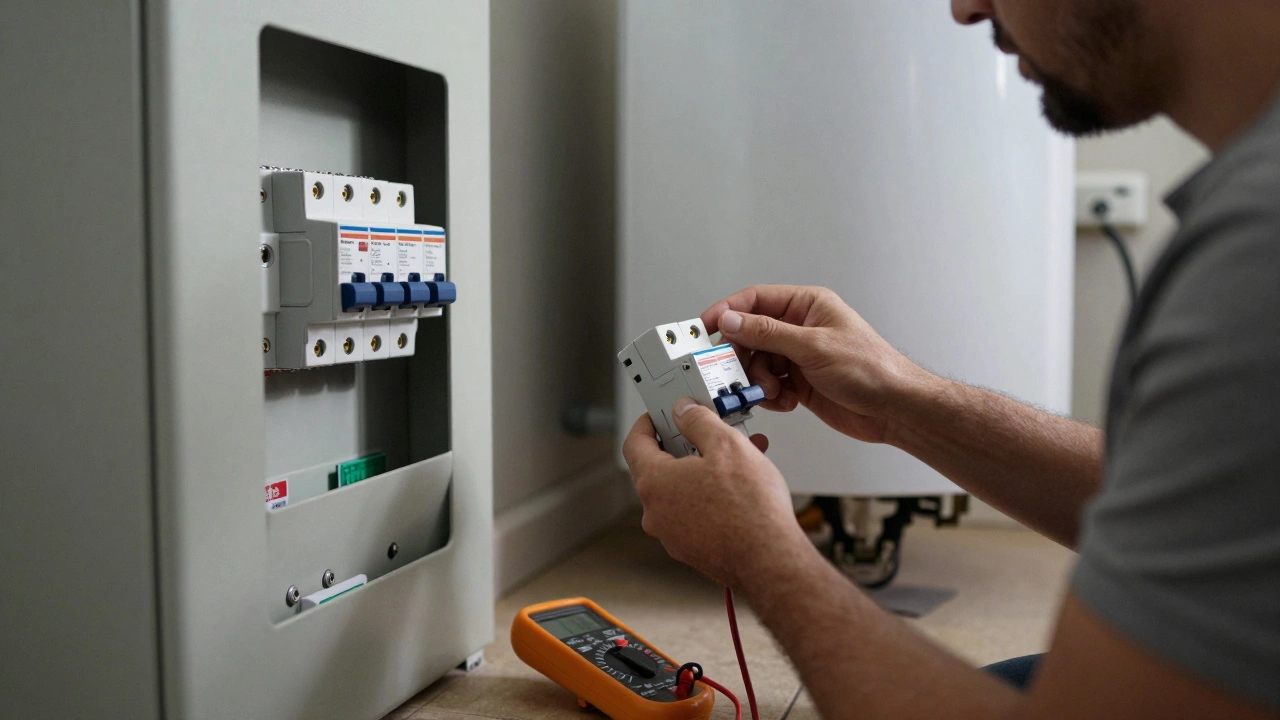
While many of these issues are manageable for a handy homeowner, some require professional intervention. If you suspect a broken dip tube, you need to drain the tank, which can be messy and risky if you're unfamiliar with the process. If the issue involves soldering copper pipes behind walls or replacing a entire valve body embedded in the tile, a licensed plumber is safer and faster.
Also, if your water heater is over 10 years old and showing signs of age (rust, leaks, strange noises), fixing a minor issue might just be a band-aid. A professional assessment can determine if a full replacement is more cost-effective than repeated repairs.
Is it dangerous to take a cold shower?
Physically, no, unless you have a heart condition or are elderly, as sudden cold exposure can shock the system. However, it is inconvenient and indicates a plumbing failure that should be addressed to prevent further damage or wasted energy.
How much does it cost to fix a shower cartridge?
The cartridge itself typically costs between $15 and $50 depending on the brand. If you hire a plumber, labor rates vary, but expect to pay between $100 and $200 for the service call and installation.
Can air in the pipes cause cold water?
Yes, air pockets can disrupt flow and temperature consistency. This usually happens after plumbing work. Running all faucets in the house for a few minutes can help purge trapped air.
Why does my shower get cold when I flush the toilet?
This is a pressure drop issue. Flushing the toilet pulls a large volume of cold water, causing the pressure in the cold line to spike relative to the hot line. In a single-handle valve, this forces more cold water into the mix. Installing a pressure-balancing valve can solve this.
Should I replace my water heater if only the shower is cold?
Not necessarily. Since the sink has hot water, the heater is likely functioning. Start by diagnosing the shower valve, dip tube, or local piping before considering a full unit replacement.