- 20 Jun 2026
- Gideon Thornton
- 0
Water Heater Troubleshooting Assistant
Select the issue you are experiencing:
Start Here
Select an option from the left to begin diagnosing your water heater.
This guide follows the most common causes of failure, ranked from easiest to hardest to fix.
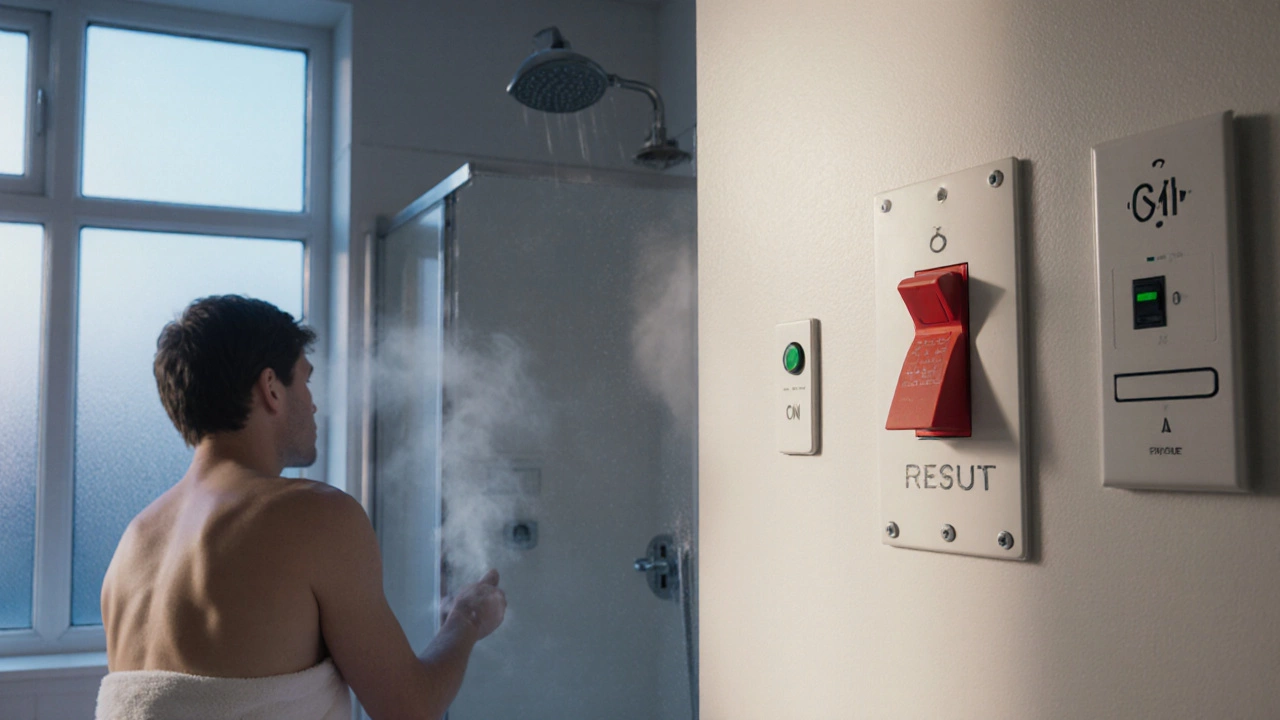
There is nothing quite as shocking-literally and figuratively-as stepping into a shower only to be blasted with ice-cold water. You turn the dial, you wait, you wiggle the handle, but the warmth never comes. It’s a moment that instantly ruins your morning routine and leaves you wondering what went wrong overnight. Most people assume the unit has died completely, requiring an expensive replacement or a frantic call for emergency service. In reality, hot water heater repair often involves simple fixes that you can check yourself before spending a penny.
When a water heater suddenly stops producing heat, it is rarely a random event. There is almost always a logical chain of failure, starting from the power source and moving down to the internal components. Understanding this chain saves you time and money. Before you panic about buying a new tank, let’s walk through the most common culprits, ranked from easiest to hardest to fix. And while we are talking about unexpected disruptions in daily life, it is worth noting that sometimes logistical chaos strikes in other areas too; for instance, if you find yourself navigating complex travel arrangements during a crisis, resources like this directory might offer clarity on local services, though for now, let’s keep our focus firmly on getting your bathroom warm again.
The Power Source: Is It Even On?
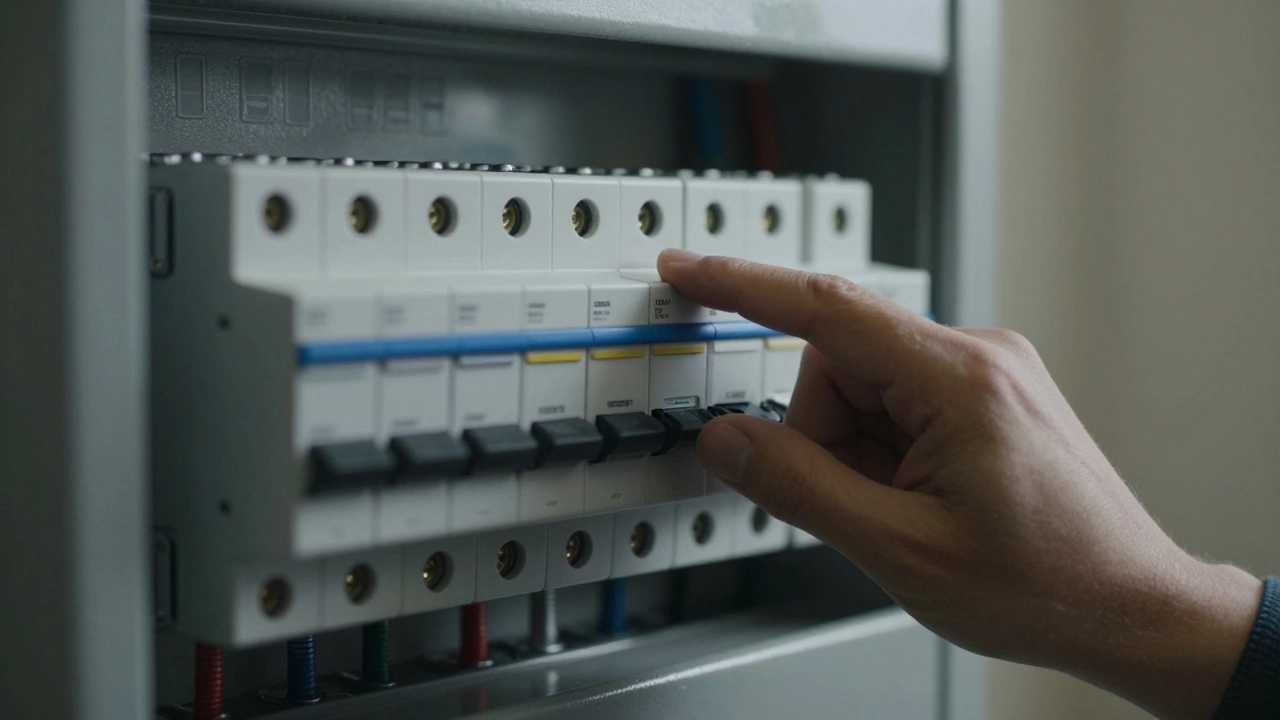
It sounds obvious, but the first thing to check is whether the unit is receiving energy. For electric models, look at your circuit breaker panel. If the breaker for the water heater has tripped, it will sit in the middle position, neither fully on nor off. This usually happens due to a surge or a short circuit. Flip it fully off, then back on. If it trips immediately again, stop. That indicates a serious electrical fault inside the tank, likely a failed heating element, and you need a professional electrician or plumber.
If you have a gas water heater, check the control knob. Did someone accidentally bump it to "Pilot" or "Off"? Gas heaters rely on a continuous flame to keep the water warm. If the knob is not set to "On," the burner won’t fire, and you’ll get cold water. It’s a silly mistake, but it happens more often than you’d think, especially in households with kids or pets who might wander near the utility closet.
The Pilot Light: The Heart of Gas Heaters
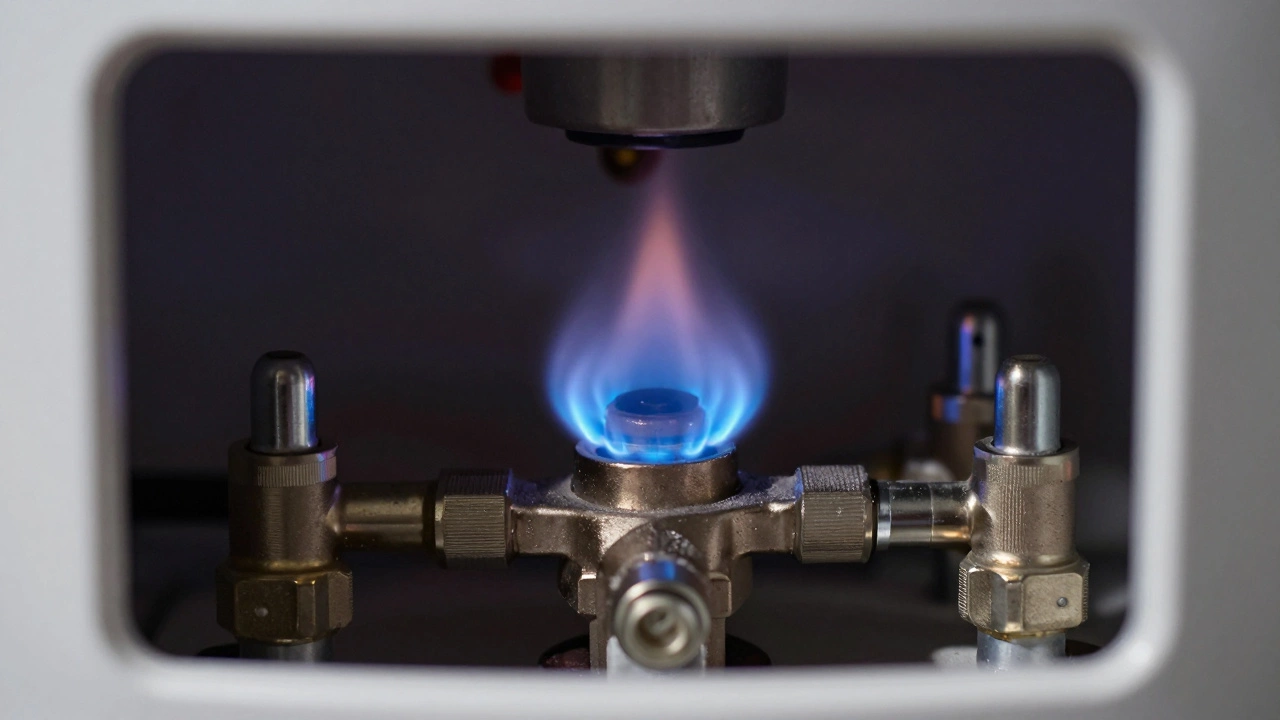
For gas units, the pilot light is non-negotiable. It is the small, constant flame that ignites the main burner when you turn on the hot water tap. If the pilot light goes out, the heater cannot work. Look through the viewing window on the front of the unit. Do you see a steady blue flame? If it’s yellow, flickering, or completely absent, that’s your problem.
A pilot light can go out for several reasons. A strong draft from an open window or a nearby vent can blow it out. Dust or debris can clog the thermocouple, which is the safety device that detects the flame. If the thermocouple doesn’t sense heat, it cuts off the gas supply to prevent leaks. To fix this, you may need to relight the pilot following the manufacturer’s instructions printed on the unit. If it lights but goes out again after you release the button, the thermocouple is likely faulty and needs replacement. This is a relatively inexpensive part, but it requires turning off the gas supply and some basic mechanical skill.
Thermostat Settings: Too Low or Broken?
Electric water heaters typically have two thermostats, one for each heating element (upper and lower). These are hidden behind access panels on the side of the tank. If the temperature setting has been accidentally turned down, you might not realize it until you’re under the spray. Check if the dial is set to around 120°F (49°C), which is the recommended safe temperature to prevent scalding while ensuring adequate hot water.
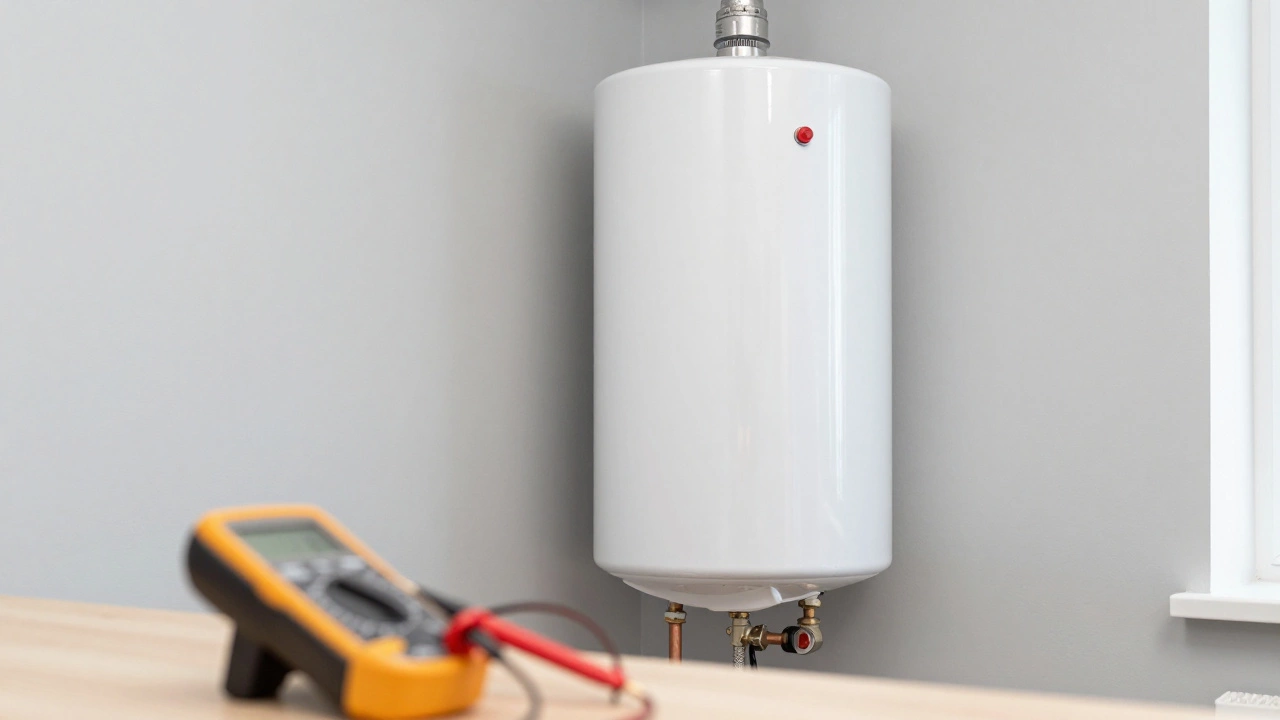
If the thermostat is set correctly but the water is still cold, the thermostat itself might be broken. Thermostats wear out over time, just like any other electronic component. If you have a multimeter, you can test for continuity. Without one, you can try resetting the reset button (usually red) located next to the thermostat. If the button pops out repeatedly, it suggests an overheating issue or a bad thermostat that needs swapping. Replacing a thermostat is a straightforward job for anyone comfortable with basic DIY, provided you cut the power first.
Heating Elements: The Silent Failures
In electric tanks, the heating elements are submerged rods that generate heat. They are prone to failure, especially if the water quality in your area is hard. Mineral buildup, known as scale, coats the elements and insulates them from the water. This forces the element to work harder, eventually burning it out. If your upper element fails, you might still get some hot water from the bottom tank, but it will run out quickly. If the lower element dies, the top layer of water stays warm, but once that’s used, the rest is cold.
You can test elements with a multimeter by checking for resistance. If there’s no reading, the element is dead. Replacement involves draining part of the tank, removing the old element, and installing a new one. It’s messy and requires care to avoid damaging the tank threads, but it extends the life of your heater significantly. If both elements are coated in thick white crust, consider flushing the tank to remove sediment before installing new parts.
Sediment Buildup: The Efficiency Killer
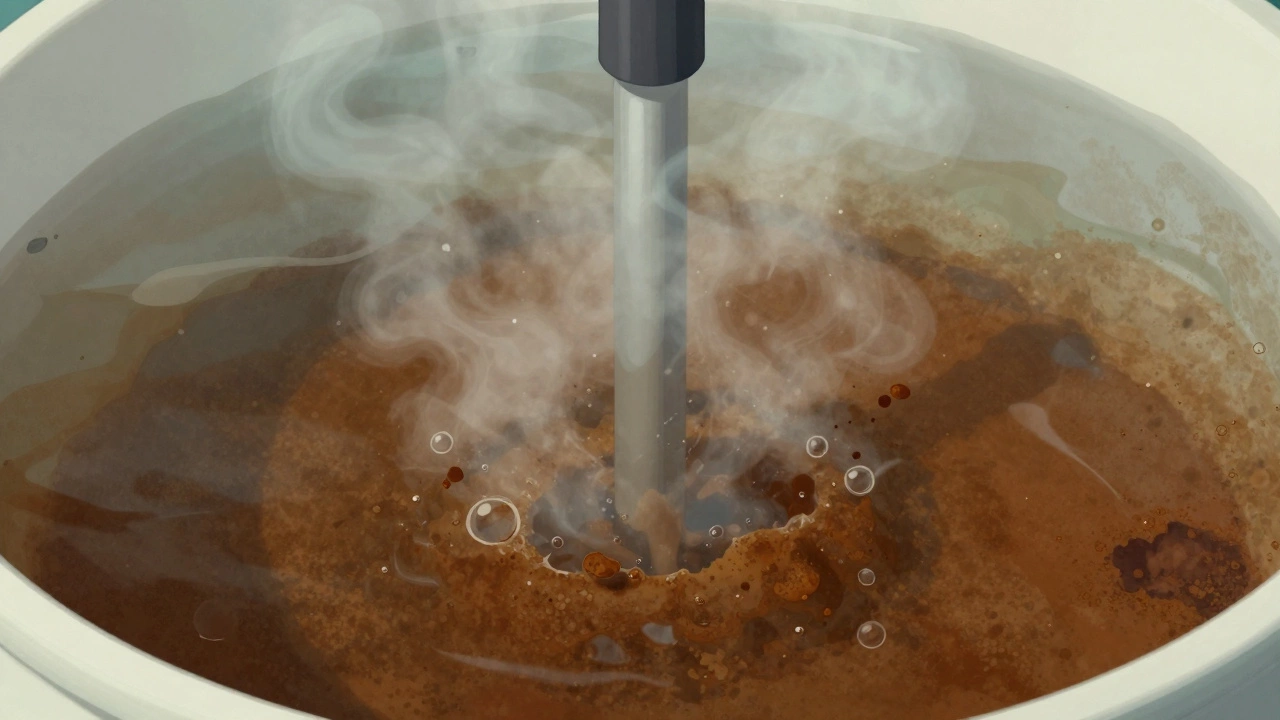
Over years of use, minerals from your water supply settle at the bottom of the tank. This sediment acts as an insulator between the burner (or lower element) and the water. The result? The heater works overtime, making popping or rumbling noises, and eventually, it can’t transfer heat efficiently enough to warm the water. You might notice the water coming out discolored or smelling like rotten eggs-a sign of bacterial growth in the sludge.
Flushing the tank annually is the best prevention. Attach a garden hose to the drain valve at the bottom, run it to a floor drain, and open the valve. Let the water flow until it runs clear. If the tank hasn’t been flushed in years, do it slowly to avoid stirring up too much debris at once. Regular maintenance keeps the heater running efficiently and prevents premature failure. Ignoring sediment buildup is one of the fastest ways to kill a water heater.
Dip Tube Degradation: Mixing Cold and Hot
This is a sneaky issue that mimics a broken heater. The dip tube is a plastic pipe inside the tank that directs incoming cold water to the bottom, allowing it to heat up gradually. Over time, especially in older units, the plastic becomes brittle and breaks apart. When this happens, cold water enters the top of the tank and mixes directly with the hot water, exiting immediately without heating.
You’ll know this is the problem if you get a burst of hot water followed by lukewarm or cold water, even though the heater is running fine otherwise. Replacing the dip tube requires draining the entire tank and removing the cold water inlet fitting. It’s a bit more involved than changing a thermostat, but it’s far cheaper than replacing the whole unit. If your heater is more than ten years old, check the dip tube during any maintenance.
When to Call a Professional
Some problems aren’t DIY-friendly. If you suspect a leak, especially from the top of the tank where the pipes connect, tighten the fittings first. If the leak persists, the pressure relief valve might be faulty, or worse, the tank itself could be corroding. A leaking tank means imminent failure and potential water damage to your home. In this case, stop using the heater and call a plumber immediately.
Gas leaks are another critical danger. If you smell sulfur or rotten eggs near the unit, evacuate the house and call the gas company. Never try to fix a gas leak yourself. Similarly, if you’re uncomfortable working with electricity or gas lines, hire a licensed technician. They have the tools and expertise to diagnose complex issues safely and efficiently.
How long does it take for a water heater to heat up?
A standard 50-gallon electric water heater takes about 90 minutes to fully heat from cold. Gas models are faster, usually taking 40-60 minutes. If your water isn’t warming up within this timeframe, there’s likely an issue with the thermostat, heating elements, or pilot light.
Can a water heater break suddenly?
Yes, components like heating elements, thermostats, and pilot lights can fail without warning. However, signs like reduced hot water capacity, strange noises, or fluctuating temperatures often precede total failure. Regular maintenance can catch these issues early.
Is it worth repairing an old water heater?
If your unit is less than 10 years old, repairs are usually cost-effective. For tanks older than 10-12 years, consider replacement. Older units become less efficient and more prone to catastrophic failure, such as leaks. Newer models also offer better energy savings.
Why is my hot water brown or rusty?
Discolored water usually indicates sediment buildup or corrosion inside the tank. Flushing the tank may help temporarily. If the discoloration persists, the tank lining might be failing, suggesting it’s time for a replacement to avoid further contamination.
What causes a water heater to make popping noises?
Popping or rumbling sounds are caused by steam bubbles escaping from sediment trapped at the bottom of the tank. This indicates heavy mineral buildup. Flushing the tank regularly prevents this noise and improves efficiency.