- 13 Apr 2026
- Gideon Thornton
- 0
Water Heater Diagnostic Tool
Follow the steps below to diagnose your water heater issue. Answer the questions to find the most likely cause.
Electric Tank Diagnostics
Gas Tank Diagnostics
Tankless Diagnostics
- Check the circuit breaker or fuse box for tripped switches.
- Verify the pilot light is lit (for gas units).
- Inspect the thermostat settings and wiring.
- Look for leaks or signs of sediment buildup in the tank.
- Test the heating elements with a multimeter (electric units).
Dealing with Electric Water Heaters
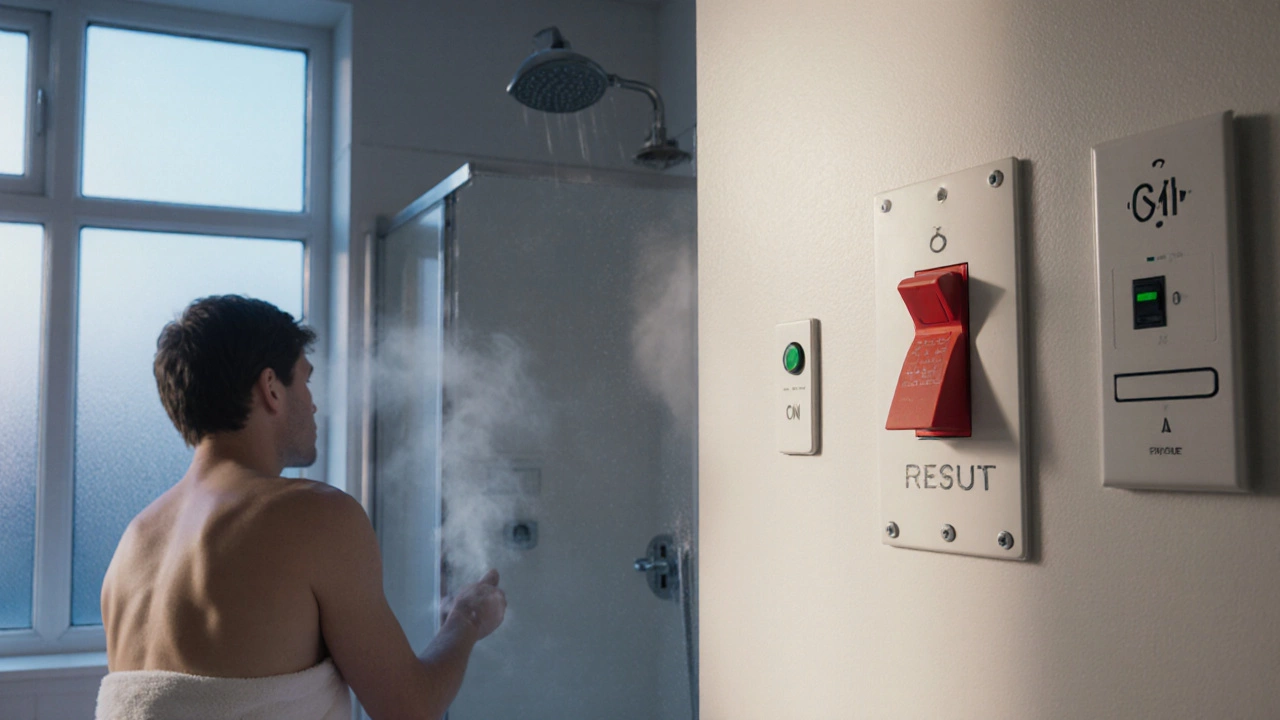
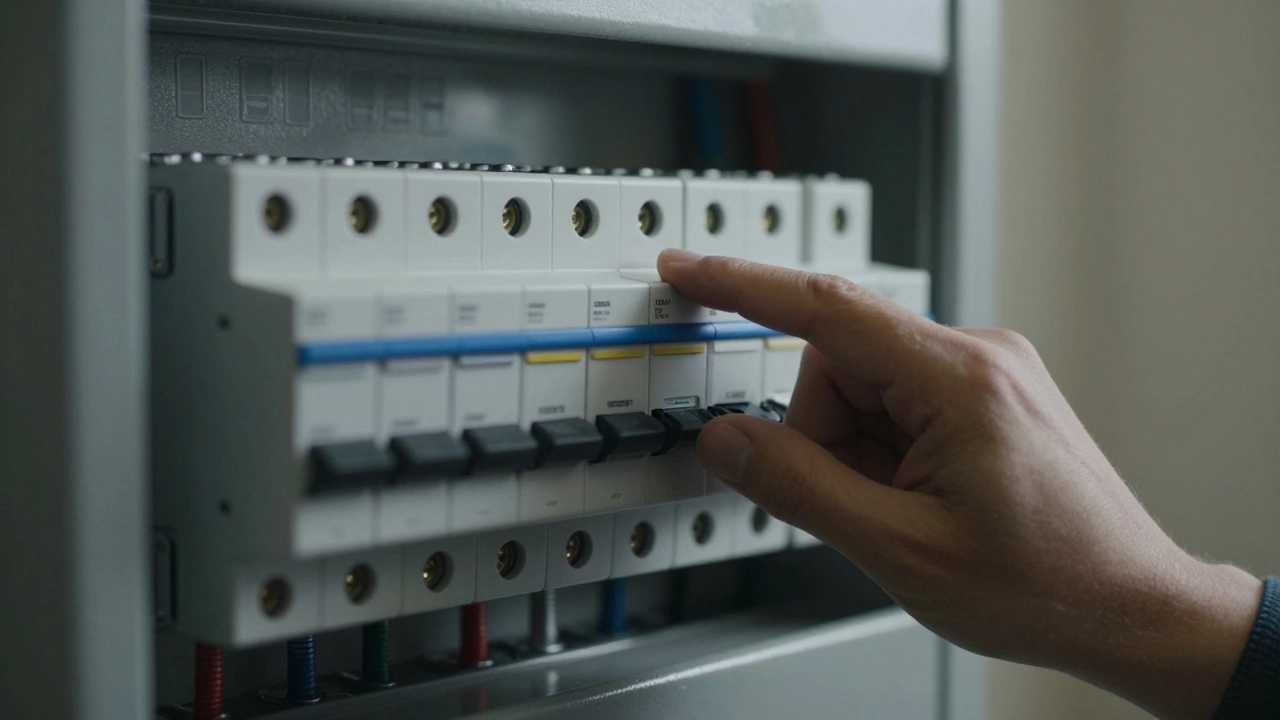
If you have an electric model, the most common reason for a cold shower is a power failure. Start at your electrical panel. A Circuit Breaker is a safety switch that automatically shuts off power when the circuit is overloaded. If the breaker has tripped, flip it back on. But be careful-if it trips again immediately, you likely have a short circuit or a failed element. Don't keep flipping it, or you could cause an electrical fire. Next, look at the Thermostat is a sensor that monitors water temperature and toggles the heating elements. If the thermostat is faulty, the heater won't know when to turn on. You can check this by turning off the power and using a multimeter to see if the thermostat is sending power to the elements. Most electric heaters have two elements: an upper and a lower one. If the top one burns out, you might get lukewarm water; if the bottom one goes, you'll only have a small amount of hot water before it runs out.| Component | Symptom | Likely Cause |
|---|---|---|
| Upper Element | No hot water at all | Burnout or scale buildup |
| Lower Element | Water runs out quickly | Sediment coating the element |
| Thermostat | Inconsistent temperatures | Calibration failure |
| Circuit Breaker | Total system shutdown | Power surge or short circuit |
Troubleshooting Gas Water Heaters
Gas heaters are different because they rely on combustion. The first thing to check is the Pilot Light is a small, constantly burning flame that ignites the main burner. If the pilot light has gone out-perhaps due to a draft or a pressure drop in the gas line-your water won't heat. Check the manufacturer's instructions on the side of the tank to relight it. If you smell gas (like rotten eggs), get out of the house immediately and call the gas company; do not try to relight it yourself. If the pilot is lit but the main burner isn't kicking in, you might have a problem with the Thermocouple is a sensor that detects the pilot flame and allows the gas valve to open. This little piece of metal can get covered in soot or simply wear out. When it fails, it tells the gas valve that there's no flame, so the valve shuts off the gas for safety. Cleaning the thermocouple with a piece of fine sandpaper often fixes the issue, but if it's burnt out, it's a cheap part to replace.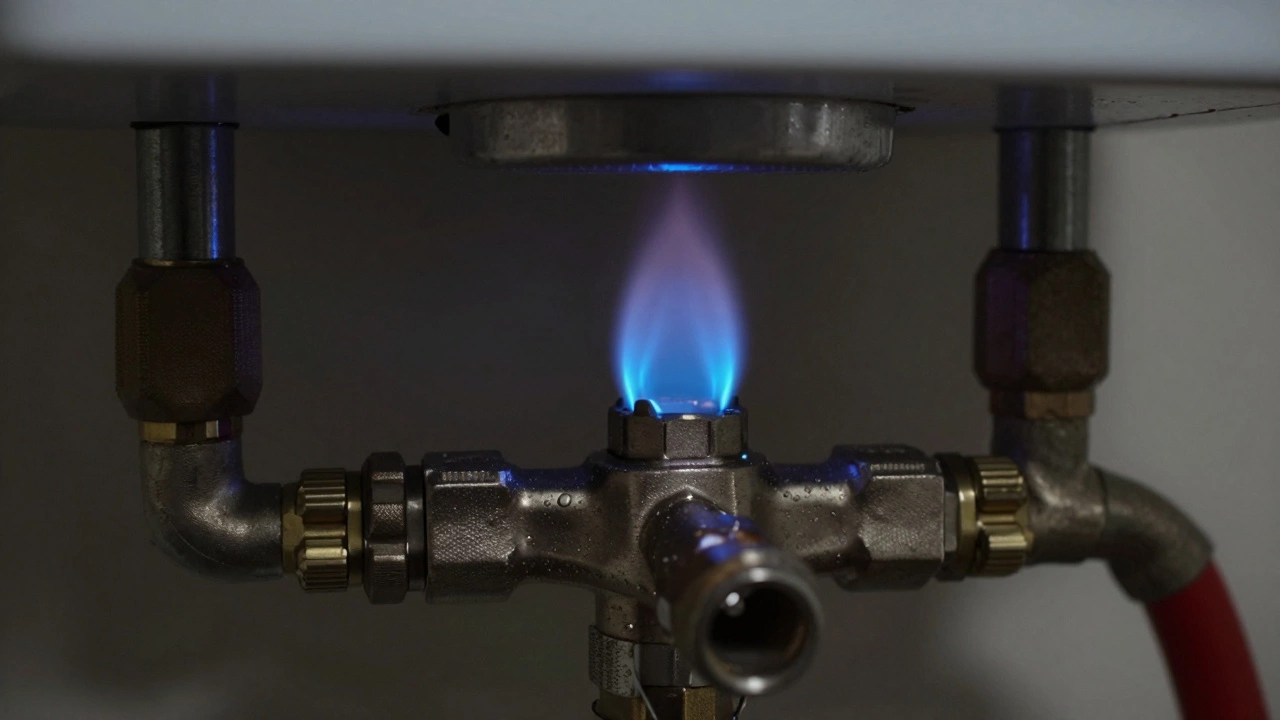
The Silent Killer: Sediment Buildup
One of the most overlooked reasons a heater "stops working" (or starts working poorly) is sediment. Over time, minerals like calcium and magnesium settle at the bottom of the tank. This creates a layer of sludge that acts as an insulator between the burner and the water. You might hear a popping or rumbling sound-this is called "kettling." It's literally the water boiling underneath a layer of sediment. When sediment builds up, it can also cause the tank to overheat and trigger the T&P Valve is a Temperature and Pressure relief valve designed to vent water if the tank exceeds safe limits. If you see water dripping constantly from this valve, it's a sign that your tank is under too much stress. The only real cure for this is a thorough flush of the system. Drain the tank completely into a bucket or floor drain to clear out the gunk. Doing this once a year can double the lifespan of your heater.Checking Tankless Water Heaters
Tankless systems don't have the same sediment issues as tanks, but they have their own quirks. Since they heat water on demand using a heat exchanger, they are prone to scaling. If your flow rate has dropped or the water isn't getting hot enough, you likely need a descaling treatment using a food-grade citric acid solution. Another common issue with tankless units is the Igniter is an electronic component that creates a spark to light the gas burner. If the igniter is dirty or the electronic control board has glitched, the unit won't fire up. Try a hard reset by turning the power off and on again. If that doesn't work, check the error codes on the digital display. These codes are far more precise than any guessing game and will tell you exactly if there's a flame failure or a flow sensor error.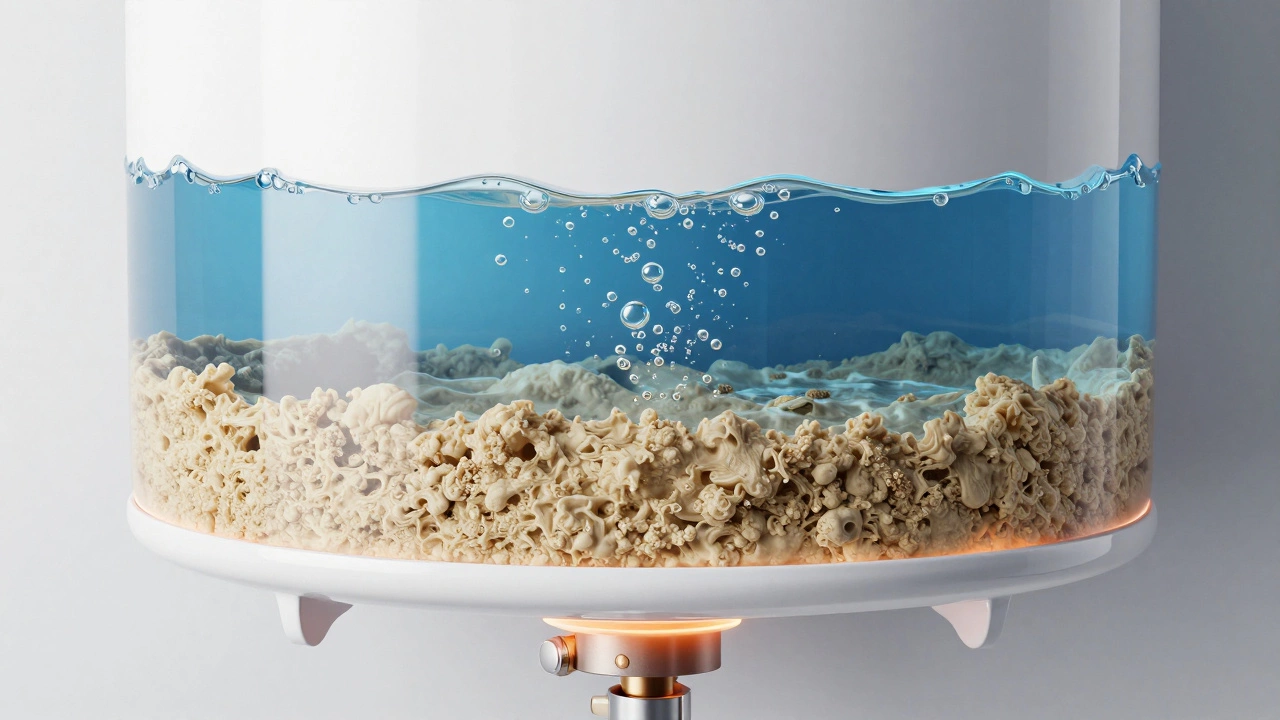
When to Stop and Call a Professional
While hot water heater repair can sometimes be a DIY project, there are red lines you should never cross. If you see a large pool of water around the base of the tank, the inner lining has likely rusted through. There is no "fixing" a punctured tank; it needs to be replaced. Attempting to weld or patch a pressure vessel is incredibly dangerous. Similarly, if you aren't comfortable working with high-voltage electricity or gas lines, step away. A mistake with a gas valve can lead to an explosion, and a mistake with 240V wiring can be fatal. If you've checked the breakers and the pilot light and you're still cold, it's time to call a licensed technician. They have the specialized tools, like combustion analyzers and high-amp meters, to find the ghost in the machine quickly.Maintenance Checklist for Long-Term Success
To stop your heater from failing in the first place, follow this simple maintenance routine:- Monthly: Check the T&P valve for leaks and look for any corrosion on the tank's exterior.
- Every 6 Months: Test the T&P valve by lifting the lever slightly to ensure water flows and the valve reseals.
- Annually: Drain and flush the tank to remove sediment. Replace the Anode Rod is a sacrificial rod that attracts corrosive elements to protect the tank walls if it has been depleted.
- Every 2 Years: For tankless units, perform a full descaling flush using a pump and cleaning solution.
Why is my water heater making a knocking sound?
This is usually caused by sediment buildup at the bottom of the tank. Water gets trapped under a layer of minerals and boils, creating steam bubbles that "pop" and cause the knocking or rumbling sound. The fix is to flush the tank.
Can I replace a heating element myself?
Yes, if you are comfortable with basic electrical work. You must turn off the power at the breaker, drain the tank partially, and use a socket wrench to remove the old element. Always use a multimeter to verify the power is off before touching any wires.
How do I know if my anode rod needs replacing?
The anode rod prevents the tank from rusting. If you pull it out and the rod is thin, pitted, or the core wire is showing, it's spent. Replacing it every 3-5 years can save you from having to buy a whole new water heater.
Why is my hot water only lukewarm?
In electric heaters, this often means the lower heating element has failed, leaving only the top one to do the work. In gas heaters, it could be a faulty thermostat or a dip tube that has broken off inside the tank, causing cold water to mix with the hot water at the top.
Is it better to repair or replace an old water heater?
As a general rule, if the unit is over 10 years old and the repair costs more than 30% of a new unit, replace it. If the tank itself is leaking, replacement is the only option as tanks cannot be patched.