- 18 Jan 2026
- Gideon Thornton
- 0
Boiler Cost Calculator
Personalized Boiler Cost Estimate
Get a customized estimate based on your specific home situation and requirements. Input your details below to see what a new boiler might cost in 2026.
Estimated Cost Range
This estimate includes the boiler unit, installation, standard controls, and a basic system flush. Actual costs may vary based on your location, specific home requirements, and installer rates.
Replacing a boiler isn’t like buying a new toaster. It’s one of the biggest home expenses most people face, and getting it wrong can cost you hundreds-or even thousands-more than it should. If you’re asking how much for a new boiler, you’re not just looking for a number. You want to know what you’re actually paying for, who to trust, and how to avoid being overcharged.
What’s the average cost of a new boiler in the UK?
In early 2026, the average cost to replace a boiler in the UK sits between £2,000 and £4,000. That includes the unit itself, installation, and a full system flush. But that’s just a starting point. A basic combi boiler from a budget brand like Worcester Bosch or Vaillant can start around £1,800 installed. High-end models with smart controls, higher efficiency ratings, or extra features can push past £4,500.
The biggest factor? Your home size and heating needs. A small flat with one bathroom might need a 24kW boiler. A four-bedroom house with multiple bathrooms? You’re likely looking at a 30kW or 35kW model. Bigger units cost more upfront, but they also heat faster and reduce strain on the system over time.
Boiler types and what they cost
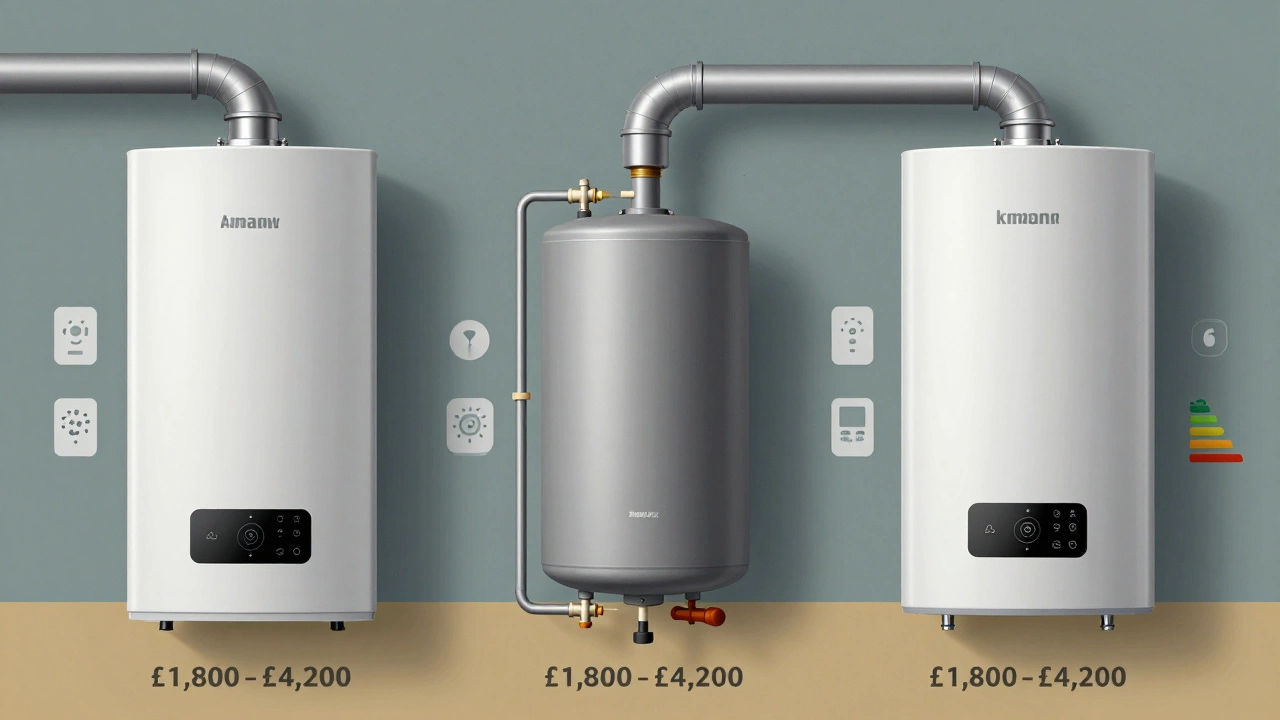
Not all boilers are the same. There are three main types, and each has a different price tag and use case:
- Combi boilers - The most common in UK homes. They heat water on demand and don’t need a tank. Ideal for smaller homes. Installed price: £1,800-£3,200.
- System boilers - Work with a separate hot water cylinder. Better for larger homes with multiple bathrooms. Installed price: £2,200-£3,800.
- Regular boilers - Also called conventional boilers. Need both a hot water tank and a cold water tank in the loft. Older homes often have these. Installed price: £2,500-£4,200.
Most homeowners in 2026 choose combi boilers. They save space, reduce energy waste, and are easier to service. But if you have low water pressure or use a lot of hot water at once (like a family showering back-to-back), a system boiler might be the smarter long-term pick-even if it costs more upfront.
What’s included in the price?
Some quotes say “£2,200 for a new boiler.” That sounds great-until you find out it doesn’t include the flue, controls, or a system flush. A proper installation should include:
- The boiler unit itself
- Installation labour (typically 1-2 days)
- Thermostat and smart control upgrade (recommended)
- System flush to clean old sludge and debris
- New pipework or valves if needed
- Gas safety certificate
- Manufacturer’s warranty (usually 5-10 years)
Watch out for companies that quote low prices but add “extras” later. A reputable installer will give you a full breakdown before you sign anything. If they don’t, walk away. You’re not just paying for metal and pipes-you’re paying for peace of mind.
Brands and reliability
Not all boilers are created equal. The top brands in the UK right now-Worcester Bosch, Vaillant, Ideal, Baxi, and Viessmann-have reliability scores above 90% based on 2025 customer surveys from Which? and Trustpilot. Cheaper, no-name brands might save you £300 upfront, but they’re twice as likely to break down in the first three years.
Worcester Bosch Greenstar i System 30kW, for example, costs around £3,100 installed and comes with a 10-year warranty. That’s more than a budget model, but the average repair cost for a failed boiler is £320. If it breaks twice in five years, you’ve already spent more than the price difference.
Look for boilers with an ErP A-rating. That means they’re at least 90% efficient. Older boilers? Often 70% or lower. Upgrading from a G-rated boiler to an A-rated one can cut your gas bill by £200-£400 a year.
Labour costs and hidden fees
Labour makes up 40-50% of the total cost. In Bristol and the South West, you’re looking at £400-£700 for a standard installation. But here’s where things get messy:
- If your old boiler was installed in a cupboard with no ventilation, you might need a new flue. That’s an extra £200-£400.
- If your pipes are full of sludge, a powerflush can cost £350-£600. Skipping this can kill your new boiler in under a year.
- Upgrading to a smart thermostat? Add £150-£300. Worth it? Absolutely. You’ll save money on heating and control it from your phone.
- If you’re switching from a regular boiler to a combi, you’ll need to remove the water tank. That’s another £200-£400 in labour.
Always ask for a written quote that lists every item. Don’t accept “it’ll probably cost £50 extra” as an answer. Get it in writing.
Grants and financial help
Thanks to the UK government’s Boiler Upgrade Scheme (BUS), you might get up to £7,500 off if you’re replacing an old gas boiler with a heat pump. But if you’re sticking with gas or oil, there’s still help.
The Warm Home Discount gives £150 off your energy bill if you’re on certain benefits. Some local councils, including Bristol City Council, offer boiler grants for low-income households, pensioners, or people with disabilities. You don’t need to be on benefits to qualify-some schemes are based on household income and property energy rating.
Check gov.uk/boiler-upgrade-scheme for current eligibility. You can also call your local council’s housing team-they often know about hidden local funds that aren’t advertised online.
When should you replace your boiler?
Most boilers last 10-15 years. But age isn’t the only sign you need a new one. Look out for:
- Strange noises: Gurgling, banging, or whistling mean sludge or air in the system.
- Pressure drops: If you’re topping up the pressure every few weeks, your system is leaking.
- Yellow flames: A blue flame is normal. A yellow or orange flame means incomplete combustion-dangerous.
- Higher bills: No change in usage but your gas bill jumped 20%? Your boiler’s inefficient.
- Leaks: Water pooling around the unit? That’s not normal.
If your boiler is over 12 years old and you’re facing any of these, don’t wait for it to die in winter. Replacing it now saves you emergency call-out fees, which can hit £180 just for a technician to show up.
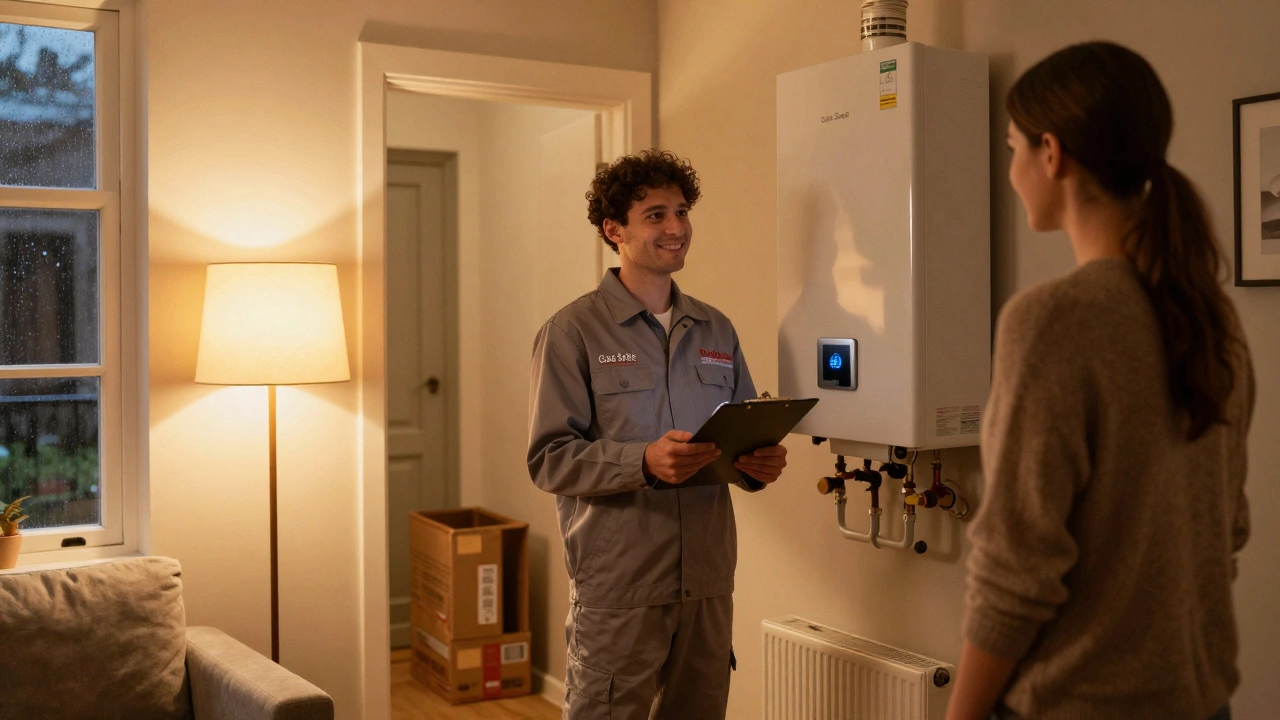
How to pick the right installer
It’s not about who’s cheapest. It’s about who’s qualified. Only installers registered with Gas Safe can legally work on gas boilers. Always ask to see their Gas Safe ID card. The number on the card should be verifiable on the Gas Safe Register website.
Look for installers who:
- Offer a 5+ year warranty on labour, not just parts
- Have at least 50 reviews on Checkatrade or Trustpilot
- Don’t pressure you into buying the most expensive model
- Provide a free home survey before quoting
Ask for references. If they can’t give you two or three past customers to call, that’s a red flag. A good installer will be proud of their work.
What to do after installation
Don’t just walk away after the boiler’s fitted. Here’s what to do next:
- Keep the installation paperwork and warranty documents in a safe place.
- Register your boiler with the manufacturer. Many warranties are invalid unless you do this within 30 days.
- Set up a yearly service. Most warranties require it. A service costs £60-£90, but it catches small issues before they become £500 repairs.
- Install a smart thermostat if you didn’t already. It pays for itself in under a year.
Most people forget this step. And when their boiler breaks two years later, they find out the warranty’s void because they didn’t service it. Don’t let that be you.
Common mistakes to avoid
- Buying online and installing yourself - It’s illegal and dangerous. Gas work must be done by a Gas Safe engineer.
- Choosing the biggest boiler - Bigger isn’t better. Oversized boilers cycle on and off too often, wasting energy and wearing out faster.
- Ignoring the system flush - Old sludge in your pipes will clog your new boiler. A flush isn’t optional-it’s essential.
- Only getting one quote - Get at least three. Prices vary wildly. One Bristol homeowner saved £900 by comparing three installers.
- Waiting for a breakdown - Emergency replacements cost 30-50% more than planned ones. Plus, you’ll be without heating in freezing weather.
Replacing your boiler is a big decision. But with the right info, you can do it without stress, overpaying, or getting ripped off.
How much does a new boiler cost in the UK in 2026?
In 2026, a new boiler in the UK typically costs between £2,000 and £4,000 installed. Budget combi boilers start around £1,800, while high-end models with smart controls and larger output can reach £4,500. The final price depends on the type of boiler, your home size, and any extra work like system flushing or flue upgrades.
What’s the cheapest boiler to install?
The cheapest option is a basic 24kW combi boiler from a mid-tier brand like Ideal or Baxi. Installed, it can cost as little as £1,800 if your existing setup is simple and no extra work is needed. But remember: the cheapest upfront price often leads to higher costs later if the unit is unreliable or poorly installed.
Can I get a grant for a new boiler?
Yes. The UK’s Boiler Upgrade Scheme offers up to £7,500 for heat pumps, but there are also local grants for gas boiler replacements. Bristol City Council and other regional schemes help low-income households, pensioners, and people with disabilities. You don’t always need to be on benefits-some programs use household income and property energy rating. Check gov.uk or call your local council directly.
Should I replace my 10-year-old boiler?
If it’s still working fine and your bills haven’t spiked, you might wait. But 10 years is the average lifespan. If you’re seeing frequent repairs, strange noises, pressure drops, or yellow flames, it’s time to replace it. Waiting until it breaks in winter means paying emergency rates and being left without heat.
Do I need a system flush before installing a new boiler?
Yes, absolutely. Old boilers leave sludge and rust in the pipes. If you install a new boiler without flushing the system, that debris will clog the new unit’s heat exchanger, causing it to fail within months. Most manufacturers require a flush as part of the warranty terms. It costs £350-£600, but it protects your £3,000 investment.
How long does a boiler installation take?
A standard replacement usually takes one day. If you’re switching boiler types (e.g., from regular to combi), or if pipework needs updating, it can take two days. Complex jobs, like moving the boiler location or installing underfloor heating, may take longer. Always ask for a timeline before signing the contract.
Next steps if you’re ready to replace your boiler
Start by writing down your current boiler’s model and age. Take a photo of the label. Then, get three quotes from Gas Safe registered installers in your area. Don’t pick the cheapest. Pick the one that explains the most, answers your questions clearly, and gives you a full written breakdown.
Check if you qualify for any local grants. Even if you think you don’t, it’s worth calling your council. Many people miss out because they assume they’re not eligible.
And don’t forget: a new boiler isn’t just about warmth. It’s about safety, efficiency, and saving money every month. Do it right once, and you won’t have to think about it again for a decade.