- 3 May 2026
- Gideon Thornton
- 0
Cooker Repair vs. Replace Calculator
Enter Details
Enter the details of your cooker and the repair quote to see if it makes financial sense to fix or upgrade.
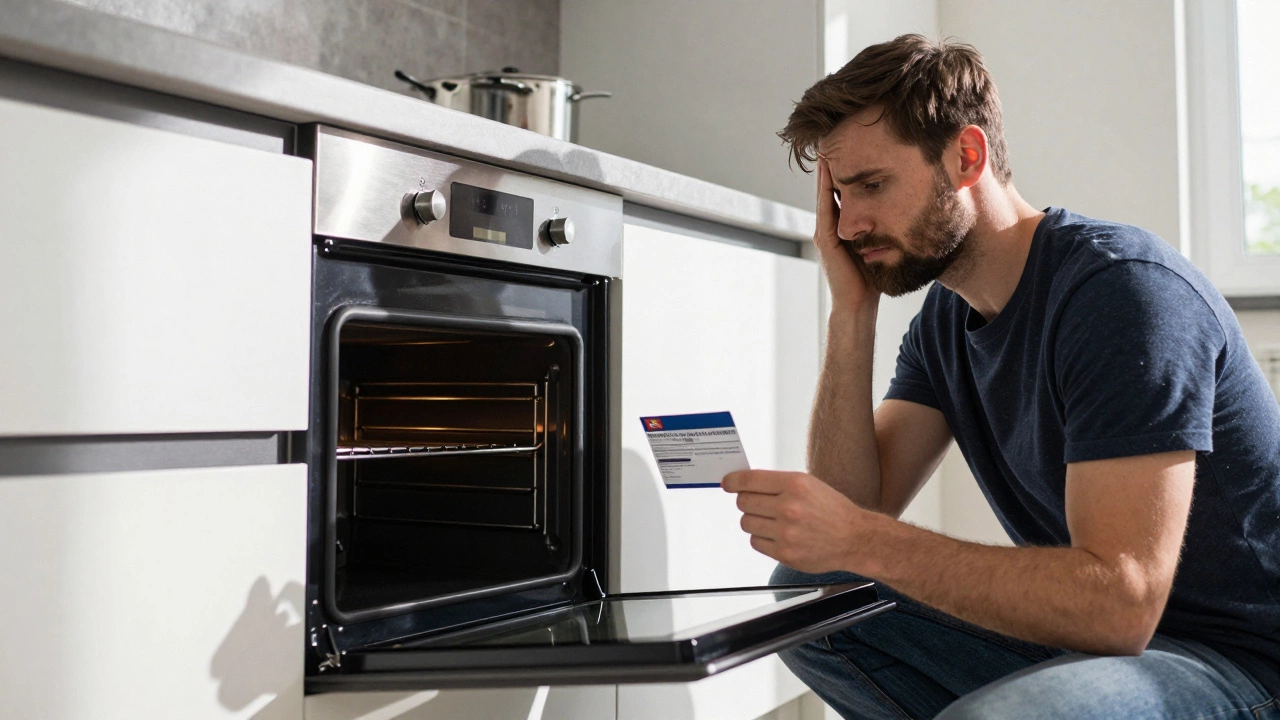
There is nothing quite like the frustration of opening your kitchen door only to find your oven refusing to heat up or your hob burning gas without igniting. You pull out the warranty card, only to realize it expired three years ago. Now you are stuck with a big question: Is this just a bad day for my machine, or has its time finally come?
The short answer is that the average life of a cooker sits somewhere between ten and fifteen years. However, "average" is a tricky word in the world of home appliances. A budget electric model might quit on you after seven years, while a high-end induction range could keep cooking for two decades. The real value lies not in the number itself, but in understanding what drives that clock forward and how to spot when the end is near.
Breaking Down the Numbers by Type
Not all cookers are created equal. The materials used, the complexity of the technology, and the energy source all play massive roles in how long the unit survives. If you are trying to guess if your current setup is aging normally or failing prematurely, you need to look at the specific type of appliance you own.
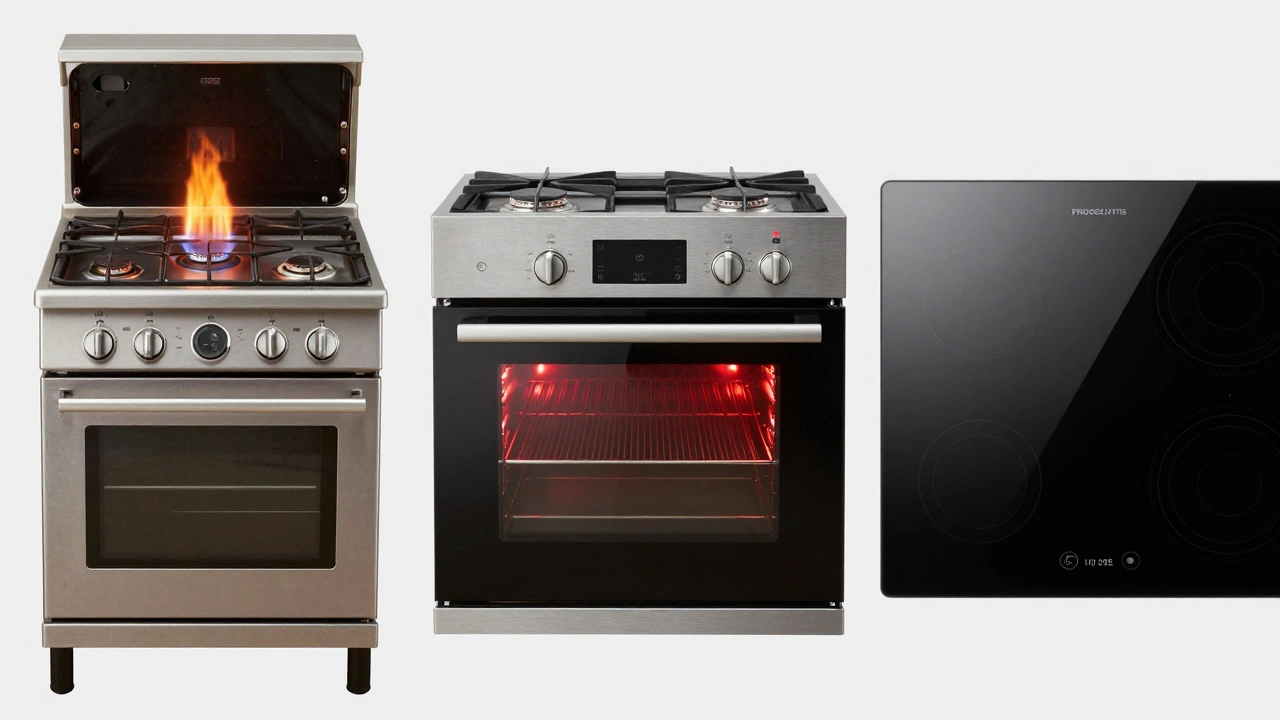
| Cooker Type | Average Lifespan | Key Failure Points |
|---|---|---|
| Gas Cooker | 15-20 Years | Pilot lights, gas valves, enamel chips |
| Electric Built-in Oven | 10-13 Years | Thermostats, heating elements, door seals |
| Induction Hob | 10-15 Years | Electronics, glass surface cracks |
| Freestanding Electric Range | 12-15 Years | Mechanical controls, heavy wear on hinges |
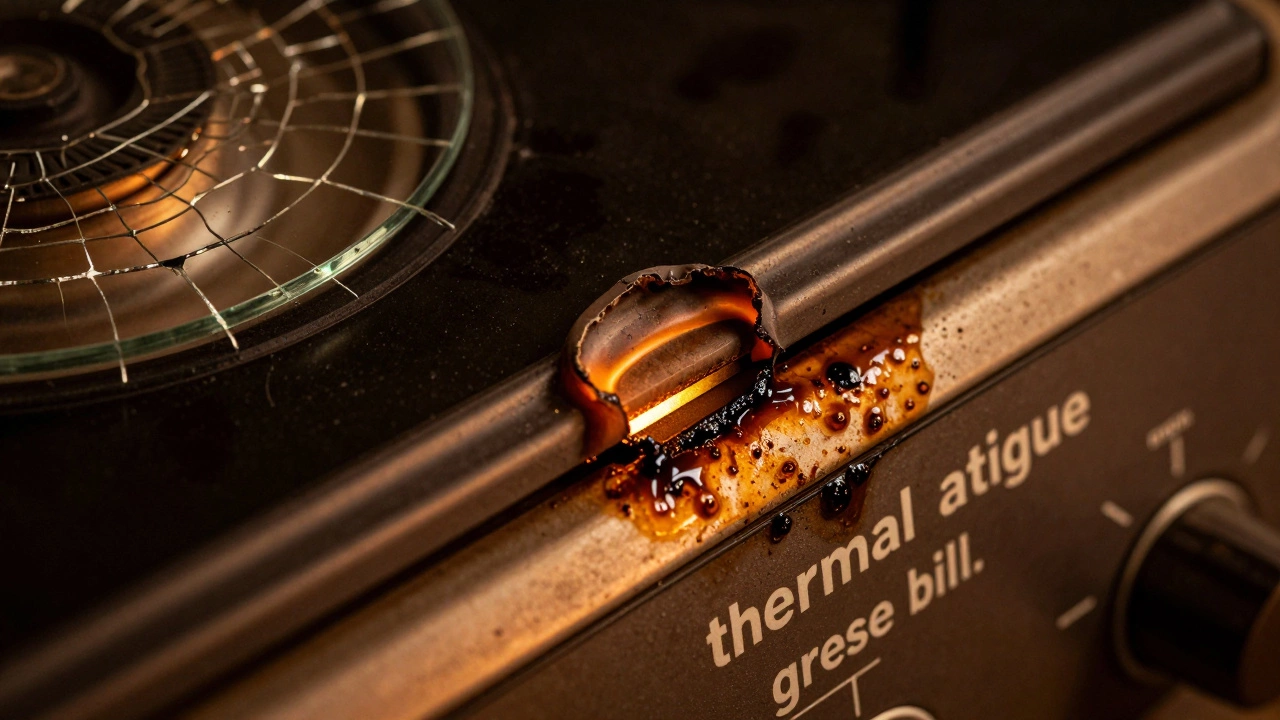
Gas cookers tend to be the workhorses of the kitchen. Because they rely less on complex electronics and more on mechanical valves and direct flame, they often outlast their electric counterparts. I have seen gas ranges from the early 2000s still functioning perfectly, provided they were cleaned regularly. Electric ovens, on the other hand, suffer from the heat cycle stress. Every time you turn them on and off, the metal expands and contracts. Over a decade, this thermal fatigue weakens the internal components, particularly the thermostat and the heating elements.
Induction technology is newer, which makes predicting its long-term lifespan harder. While the glass surface is durable against scratches, it is brittle against impact. A dropped pan can crack the surface, rendering the entire hob useless. Furthermore, the electronic control boards are sensitive to power surges. In areas with unstable voltage, induction units may fail earlier than expected due to board burnouts.
What Actually Kills a Cooker?
It is rarely one single event that destroys a cooker. Instead, it is usually a combination of neglect, environmental factors, and simple physics. Understanding these killers helps you extend the life of your current unit or choose a better one next time.
Thermal Fatigue is the silent enemy. This occurs when parts expand and contract repeatedly due to temperature changes. In an oven, the door seal (gasket) is the first victim. Once that seal breaks, heat escapes, forcing the heating element to work overtime. This extra strain leads to premature failure of the element and the thermostat. Replacing a cheap gasket every few years can save you hundreds in major repairs later.
Then there is the issue of Grease Buildup. We often think of grease as a cleaning problem, but it is actually a mechanical hazard. Grease accumulates in the hinges, the control panel crevices, and around the burner heads. Over time, this sticky residue acts as an insulator, trapping heat against electronic components. It also corrodes metal contacts. In gas cookers, clogged burner jets cause uneven flames, which can damage the enamel coating of the hob.
Finally, consider Voltage Fluctuations. Modern cookers, especially those with digital displays and smart features, are packed with sensitive circuitry. A sudden spike in household electricity can fry the main control board instantly. Unlike a burnt heating element, which is a simple swap, a fried control board is often expensive to replace and sometimes indicates that the rest of the electronics are compromised.
The Repair vs. Replace Dilemma
This is where most homeowners get stuck. Your oven is twelve years old. The heating element has gone. Do you fix it or buy new? There is no universal rule, but there is a practical heuristic that works for most situations: the 50% Rule.
If the cost of the repair exceeds 50% of the price of a new, comparable appliance, you should generally replace it. Why? Because a twelve-year-old cooker is likely nearing the end of its useful life anyway. Fixing one part today might mean replacing another part six months from now. You end up spending more money and dealing with more hassle.
However, context matters. If you own a high-end range that cost £2,000 originally, and the repair quote is £400, repairing it makes financial sense even if the unit is ten years old. Conversely, if you have a basic £300 model, a £150 repair bill is a clear signal to upgrade. Also, consider energy efficiency. Older electric ovens are notoriously inefficient. Upgrading to a modern A-rated or induction model can pay for itself through lower electricity bills within three to five years.
Signs Your Cooker is Dying
You do not always wait for total failure to know your cooker is on its last legs. Pay attention to these warning signs:
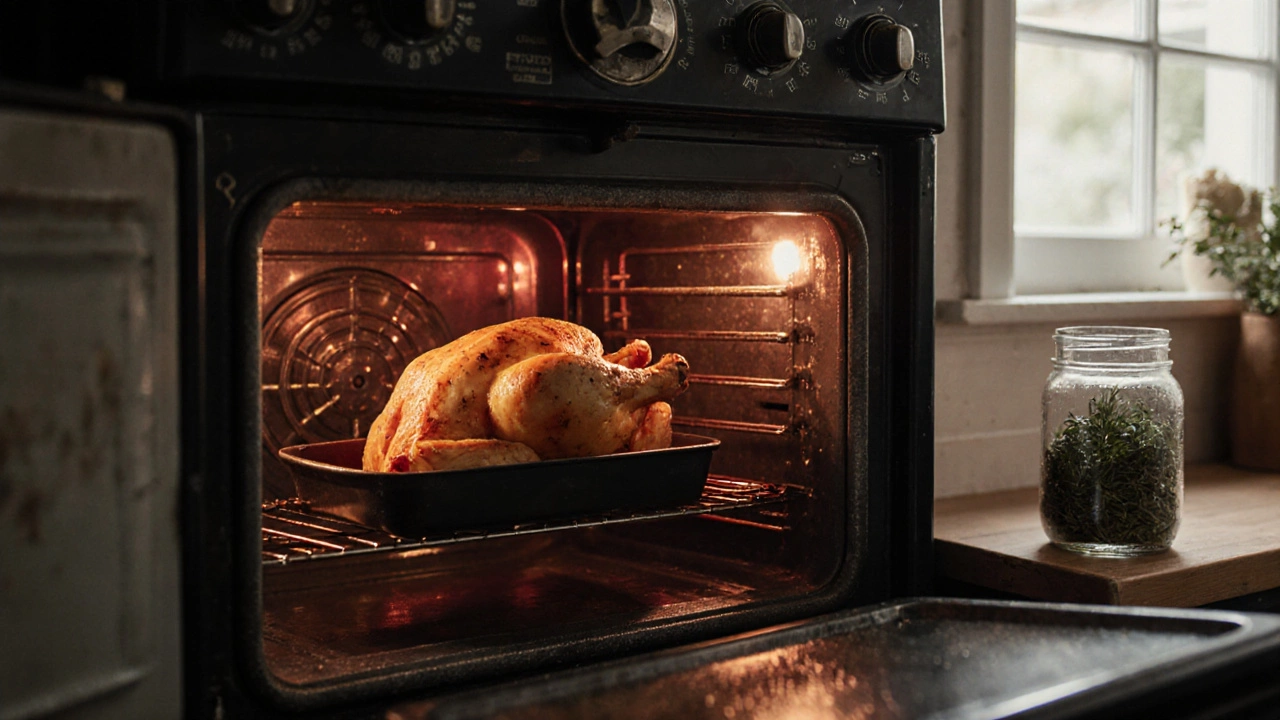
- Inconsistent Cooking Times: If your roast chicken takes twenty minutes longer than it used to, your thermostat is likely drifting. This wastes energy and ruins food.
- Strange Noises: Clicking, buzzing, or humming sounds that weren't there before often indicate failing relays or loose connections in the control board.
- Burning Smells: A faint electrical smell when the oven is cold suggests insulation breakdown or overheating wiring. This is a safety hazard.
- Door Seal Issues: If you can see light leaking from under the door when the oven is on, your gasket is shot. Heat loss means higher bills and uneven cooking.
- Frequent Error Codes: Modern cookers talk to you. If you are seeing error codes weekly, the control system is struggling. This is rarely a quick fix.
Extending the Life of Your Current Cooker
You cannot stop time, but you can slow down the decay. Simple maintenance habits can add two to three years to the life of any cooker.
First, clean the drip trays and burner caps weekly. For gas hobs, ensure the ports are clear of debris. Use a pin or needle gently to unclog them if necessary. For electric ceramic hobs, use a dedicated scraper to remove hardened spills immediately. Letting sugar or cheese bake onto the surface creates hotspots that can crack the glass over time.
Second, avoid slamming the oven door. The hinges are under immense tension. Gentle closing preserves the alignment and keeps the seal intact. Third, do not overload the oven racks. Blocking airflow forces the fan motor to work harder and causes uneven heating, which stresses the elements.
Finally, invest in a surge protector for your kitchen circuits if your area is prone to power spikes. It is a small investment that protects thousands of pounds worth of electronics.
Is it worth repairing a 15-year-old cooker?
Generally, no. At 15 years old, most cookers are past their prime. Unless it is a high-end professional range, the cost of parts and labor will likely outweigh the benefit. Older models are also less energy-efficient, meaning you will pay more in electricity or gas bills. Replacing it with a modern, efficient model is usually the smarter financial move.
Do gas cookers last longer than electric ones?
Yes, typically. Gas cookers have fewer electronic components and rely on simpler mechanical systems. They are less susceptible to voltage spikes and control board failures. With proper maintenance, a gas cooker can easily last 15 to 20 years, whereas electric ovens often struggle past the 10-to-12-year mark due to thermal fatigue on heating elements and thermostats.
How can I tell if my oven thermostat is broken?
The best way is to use an independent oven thermometer. Place it inside the oven and set the oven to a standard temperature, like 180°C. If the oven thermometer reads significantly higher or lower than the setting, your thermostat is inaccurate. Other signs include food burning on the outside but remaining raw inside, or the oven failing to turn off automatically.
Does self-cleaning mode shorten the life of an oven?
Yes, excessive use of self-cleaning cycles can accelerate wear. These cycles reach extremely high temperatures (often above 500°C) to incinerate residue. This intense heat stresses the door seals, hinges, and internal insulation. It is better to clean your oven manually with baking soda and vinegar occasionally, reserving the self-clean function for rare, heavy messes.
When should I replace the door seal on my cooker?
Replace the door seal if you notice visible tears, brittleness, or gaps in the rubber. A practical test is to close the oven door on a piece of paper. If you can pull the paper out easily without resistance, the seal is no longer tight. A poor seal leads to heat loss, higher energy bills, and uneven cooking, so fixing this early prevents further damage to the heating elements.