
- 11 Dec 2025
- Gideon Thornton
- 0
Moisture Risk Calculator
Calculate your home's risk of moisture damage without an extractor fan. Based on 2023 UK Health and Safety Executive data showing 3.5x higher mold spore counts in unventilated homes.
Moisture Risk Assessment
It’s a common question: Is it OK not to have an extractor fan? The short answer? Maybe-for a little while. But skipping it long-term is like ignoring a leaky pipe. It won’t collapse tomorrow, but it will ruin your home over time.
What an extractor fan actually does
An extractor fan isn’t just a noise-maker you install because the builder said so. It pulls moist, stale air out of your bathroom or kitchen and replaces it with fresh air. In the bathroom, it removes steam from showers and baths. In the kitchen, it pulls out grease, smoke, and cooking odors. Without it, that moisture stays put.
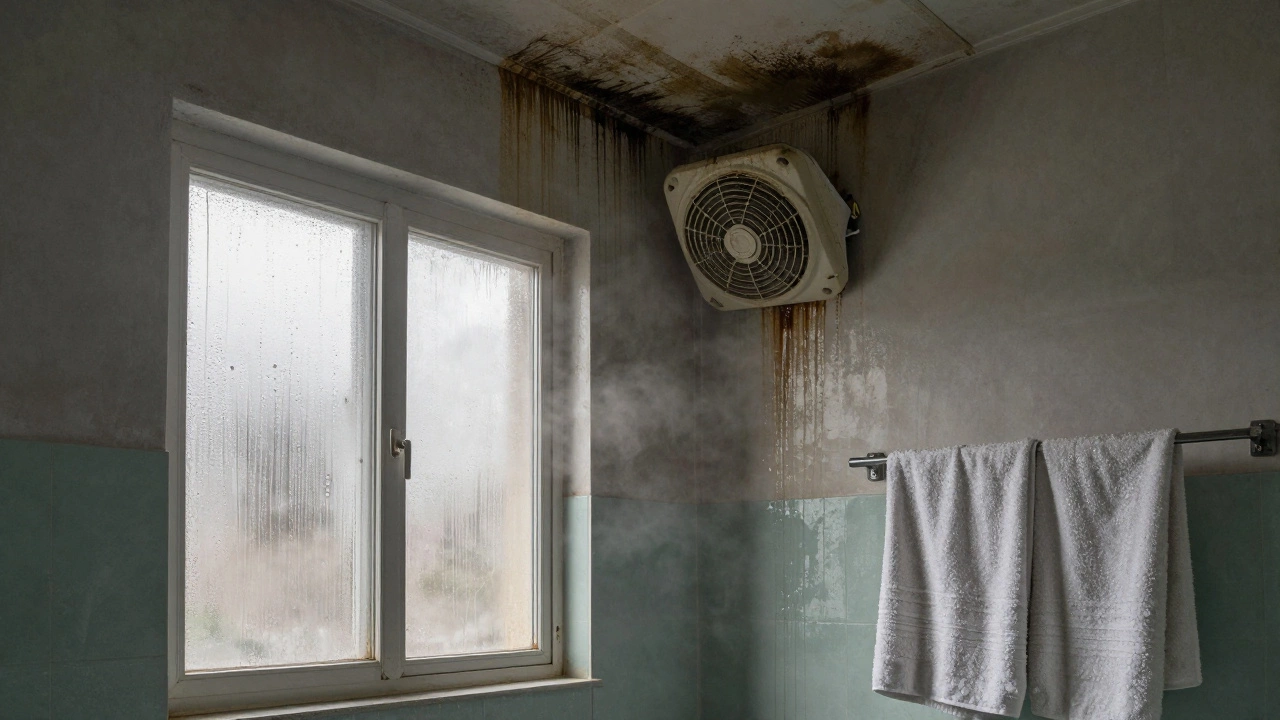
Moisture doesn’t just sit there. It soaks into walls, seeps into insulation, and settles on windows. Over months, it turns into mold. Not the kind you wipe off with bleach once a year. The kind that grows behind tiles, under floorboards, and inside wall cavities-where you can’t see it until the drywall starts crumbling.
The real cost of skipping an extractor fan
People think, "I open the window. That’s enough." But in winter, opening a window just makes your heater work harder. In summer, humidity from outside pours in. Neither fixes the problem.
Here’s what happens without proper ventilation:
- Mold forms on grout, shower curtains, and ceiling corners
- Paint peels off walls and ceilings, especially in bathrooms
- Windows fog up constantly, leaving water streaks
- Wooden window frames rot from constant dampness
- House smells like wet dog-even when no one’s home
- Insurance claims get denied because mold damage is considered preventable
A 2023 study by the UK’s Health and Safety Executive found that homes without extractor fans had 3.5 times higher mold spore counts than those with working units. That’s not just a cleaning issue-it’s a health risk. People with asthma or allergies see worse symptoms. Children and older adults are especially vulnerable.
When you might get away without one (temporarily)
There are rare cases where skipping an extractor fan doesn’t immediately cause damage:
- You live in a very dry climate with low humidity year-round
- Your bathroom has a large, operable window that you open after every shower
- You only use the bathroom for quick visits-no baths or long showers
- You’re renting for less than a year and plan to move before moisture builds up
Even then, it’s a gamble. Humidity levels change with seasons. A rainy autumn can turn a dry home into a mold factory overnight. And if you ever sell, a home inspector will flag missing ventilation as a red flag. Buyers will demand repairs-or drop their offer.
What replaces an extractor fan?
If your home doesn’t have one, and you can’t install a traditional unit, here are your real options:
- Window-mounted exhaust fans: Easy to install, no ductwork needed. Works well for small bathrooms.
- Smart vents: Devices like the Broan-Nutone SmartVent connect to your phone and turn on automatically when humidity rises.
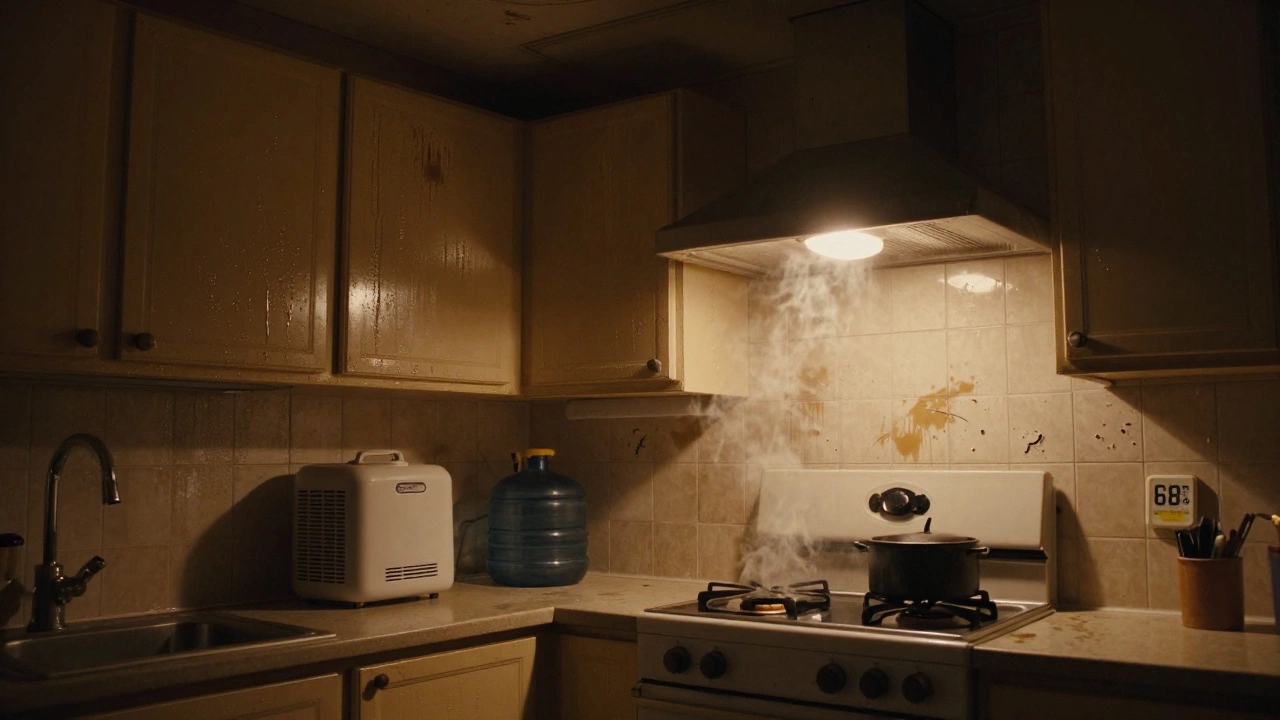
- Dehumidifiers: Not a replacement, but a temporary fix. They pull moisture from the air but don’t remove it from the source. You still need to empty the tank regularly.
- Improved airflow: Keep doors open after showers, use a ceiling fan to circulate air, wipe down surfaces after use.
None of these are as effective as a properly installed extractor fan with a duct going straight outside. Dehumidifiers use electricity and need constant maintenance. Smart vents still need ducting to work right. And wiping down walls? That’s cleaning, not ventilation.
What if your extractor fan is broken?
If you already have one but it’s not working, that’s just as bad as not having one. A dead fan means zero air movement. No airflow = trapped moisture.
Here’s how to tell if yours is broken:
- It doesn’t spin when you turn it on
- You hear a humming noise but no air movement
- It’s covered in grease and grime (common in kitchen fans)
- There’s no suction when you hold tissue paper near the grille
Most extractor fans last 8-12 years. If yours is older than that, replacement is cheaper than repair. New models are quieter, more energy-efficient, and come with built-in humidity sensors. You can find a decent one for under $100.

What’s the legal side?
In many countries, building codes require extractor fans in bathrooms and kitchens. In the UK, Part F of the Building Regulations says ventilation must be provided to remove excess moisture. In the US, the International Residential Code (IRC) requires mechanical ventilation in bathrooms without windows or with less than 3 sq. ft. of openable window area.
If you’re renting, your landlord is legally required to fix or install one in most places. If you’re selling, you may need to disclose the absence of proper ventilation. Some buyers will walk away. Others will demand a price reduction.
What to do now
If you don’t have an extractor fan:
- Check your bathroom and kitchen for signs of moisture: peeling paint, dark spots, musty smells
- Use a hygrometer (under $15 online) to measure humidity. If it stays above 60% after showers, you need ventilation
- Install a simple window fan or ductless model as a stopgap
- Plan to install a proper extractor fan within the next 6 months
- Wipe down surfaces after every shower and open windows when possible
If you have one but it’s broken:
- Turn off the power at the circuit breaker
- Remove the cover and clean out dust and grease
- Test the motor-if it hums but doesn’t spin, it’s likely dead
- Replace the whole unit. Most DIYers can do it in under an hour with basic tools
Don’t wait for mold to spread. Don’t wait for paint to peel. Don’t wait for your insurance to deny a claim. An extractor fan isn’t luxury. It’s a basic part of keeping your home safe, dry, and healthy.
Final thought
Is it OK not to have an extractor fan? Technically, yes-you can live without one. But you won’t live well. The cost of ignoring it isn’t just money. It’s your health, your peace of mind, and the value of your home.
Can I just open a window instead of installing an extractor fan?
Opening a window helps, but it’s not enough. In cold weather, you lose heat. In humid weather, you let more moisture in. An extractor fan actively pulls air out, regardless of outside conditions. It’s controlled, consistent, and doesn’t waste energy like leaving a window wide open.
How do I know if my extractor fan is working properly?
Hold a piece of tissue paper against the fan grille when it’s on. If it sticks firmly, airflow is good. If it barely moves, the fan is weak or clogged. You should also hear it running smoothly-not buzzing or rattling. If you can’t feel any air movement after 30 seconds, it’s not working.
Do I need an extractor fan in my kitchen?
Yes, especially if you cook often. Grease and steam from frying, boiling, or baking stick to cabinets, walls, and ceilings. Over time, this builds up into a sticky, hard-to-clean layer that attracts mold. A kitchen extractor fan removes these particles before they settle. Without one, your kitchen will get greasy faster and smell worse.
Can I install an extractor fan myself?
Most standard extractor fans are DIY-friendly. You’ll need a screwdriver, drill, and ducting material. Turn off the power, remove the old unit (if any), mount the new one, connect the duct to an exterior vent, and wire it to the switch. If you’re unsure about electrical work, hire a licensed electrician. The job usually takes under 90 minutes.
Will an extractor fan reduce my energy bills?
Yes, indirectly. By removing excess moisture, it prevents mold damage that can reduce insulation efficiency. It also lets you close windows in winter instead of letting heat escape. Modern extractor fans use less than 10 watts-less than a LED bulb. The energy saved from avoiding heating damp air far outweighs the fan’s small power use.