- 1 Oct 2026
- Gideon Thornton
- 0
Anode Rod Lifespan Estimator
Enter your home's conditions to estimate how long your current anode rod might last and when you should schedule an inspection.
*This is an estimate based on general industry averages. Always visually inspect the rod if unsure.
You turn on the hot water tap, expecting warmth, but you get a lukewarm trickle or worse, brown sludge. It’s a frustrating scene that plays out in kitchens and bathrooms every day. The culprit is often not the heating element itself, but a small, unassuming metal rod inside your tank called the anode rod. This component is the unsung hero of your water heater, sacrificing itself to keep the steel tank from rusting through. But how long does this sacrifice last? While manufacturers often say five years, the reality depends heavily on your local water quality.
If you ignore this part, you’re gambling with a $1,000+ appliance. Replacing it costs a fraction of that. So, when exactly should you pull the trigger on a replacement? Let’s break down the timeline, the signs of wear, and the factors that change the rules entirely.
The Short Answer: Every 3 to 5 Years (But Check Annually)
Most plumbers and manufacturer manuals suggest inspecting the anode rod every three to five years. However, treating this as a rigid rule is dangerous. In areas with soft water, like parts of Scotland or Wales, the rod might last seven years. In hard water areas, such as much of England, it could corrode away completely in just two or three years. The best approach isn't to guess; it's to look. If you haven’t checked yours in over three years, schedule an inspection immediately.
| Water Type | Estimated Lifespan | Replacement Frequency |
|---|---|---|
| Soft Water | 5-7 Years | Every 5 Years |
| Moderate Hardness | 3-5 Years | Every 3 Years |
| Hard Water | 1-3 Years | Annually |
| Sulfur-Rich Water | < 1 Year | Check Every 6 Months |
Why Your Anode Rod Disappears
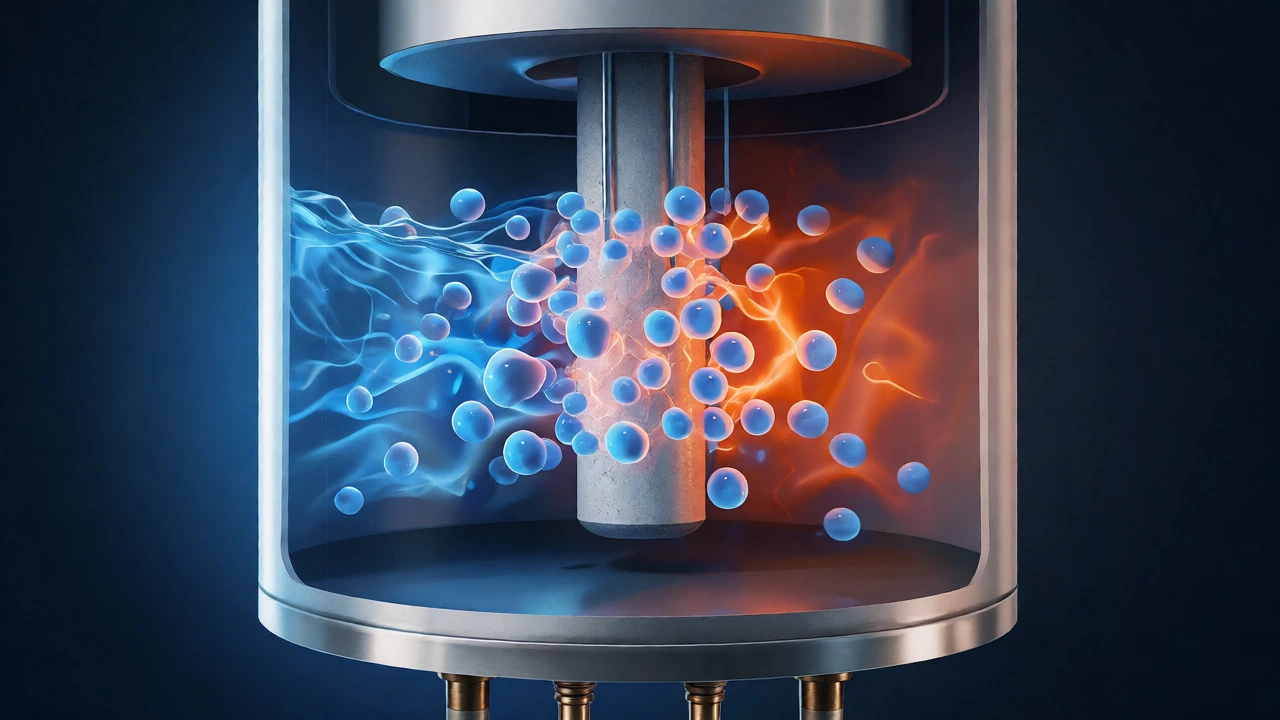
To understand the timeline, you need to understand the chemistry. Your water heater tank is usually made of steel lined with glass or porcelain. That lining isn't perfect. Tiny cracks form during manufacturing or from thermal expansion over time. When water touches bare steel, it wants to oxidize-rust. Rust eats holes in tanks. Enter the sacrificial anode. This rod is typically made of magnesium or aluminum, metals that are more "active" than steel. Through a process called electrolysis, the corrosive elements in the water attack the anode instead of the tank. The rod literally dissolves to save the container. Once the rod is gone, the tank becomes the next target.
Signs You Need to Replace It Now
You don’t always have to wait for the calendar. Your water heater will tell you if the anode is failing. Here is what to watch for:
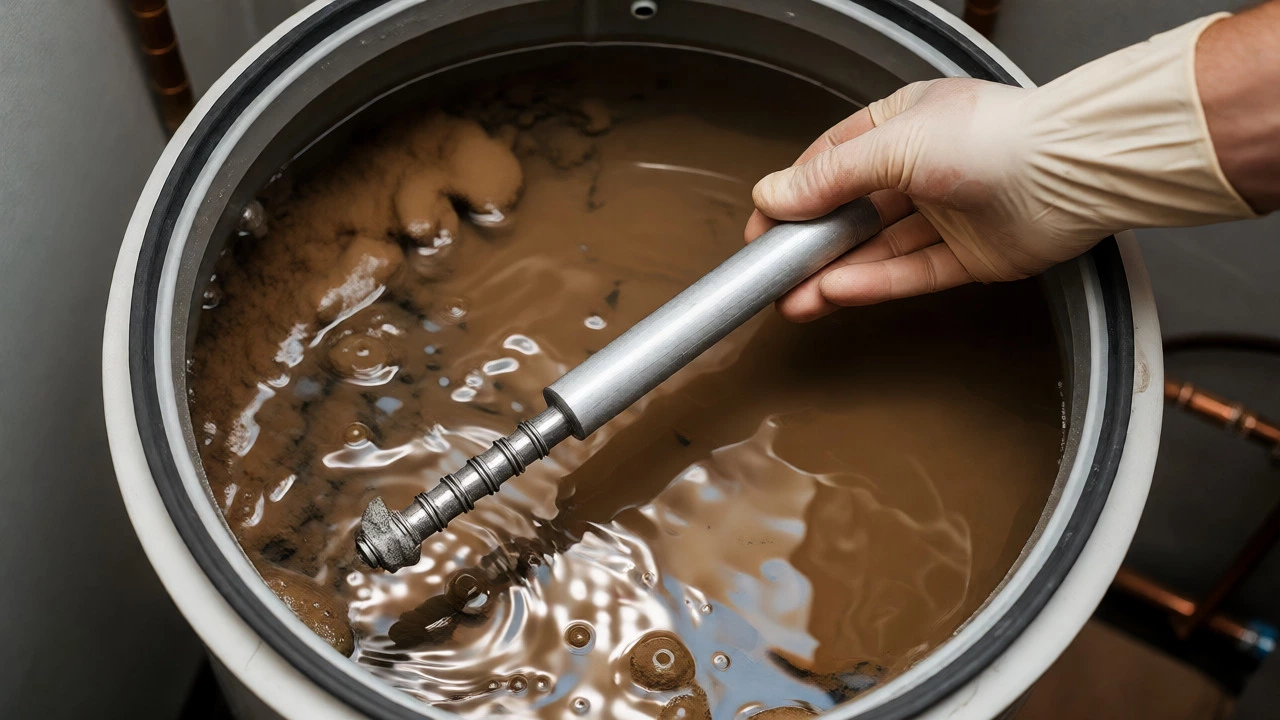
- Rusty Water: If your hot water runs brown or orange, especially after sitting overnight, the anode is likely depleted and the tank is starting to rust.
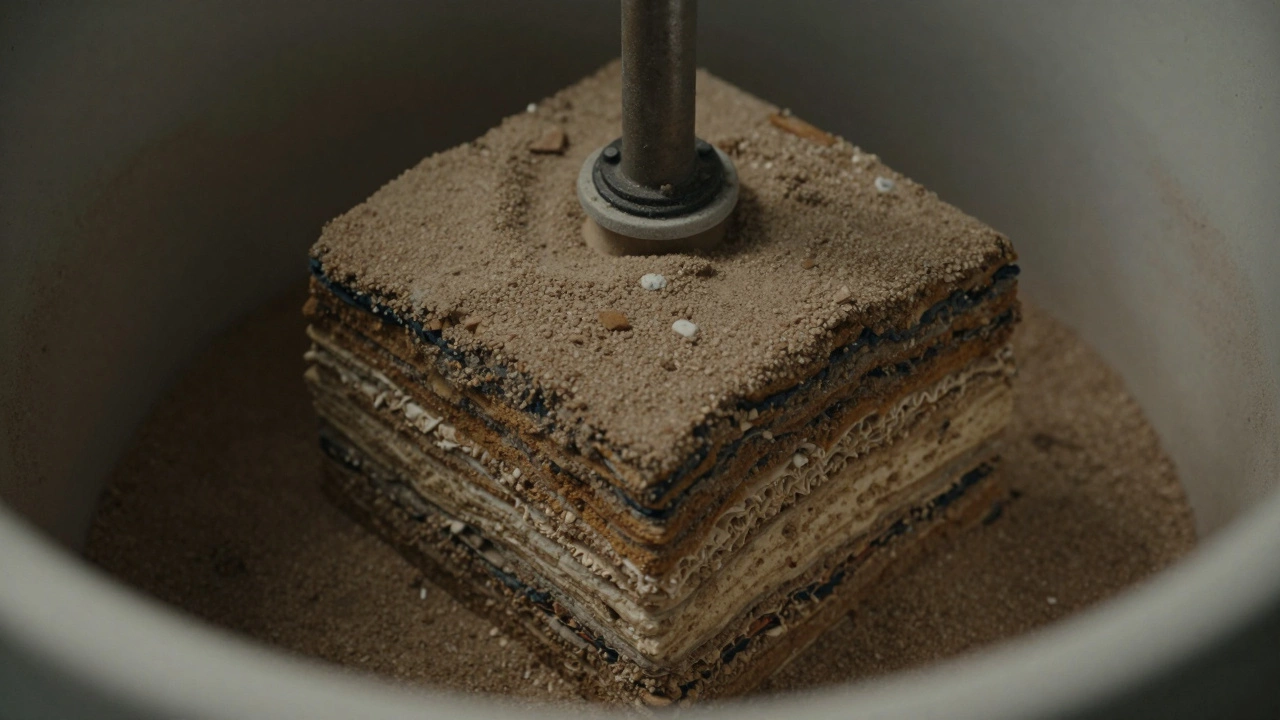
- Shorter Hot Water Duration: As sediment builds up around the heating elements because the anode isn't breaking it down effectively, heat transfer efficiency drops. You’ll run out of hot water faster than usual.
- Banging or Popping Noises: These sounds come from trapped steam bubbles escaping through layers of mineral sediment. A healthy anode helps prevent heavy buildup. Loud noises often mean the protective layer is compromised.
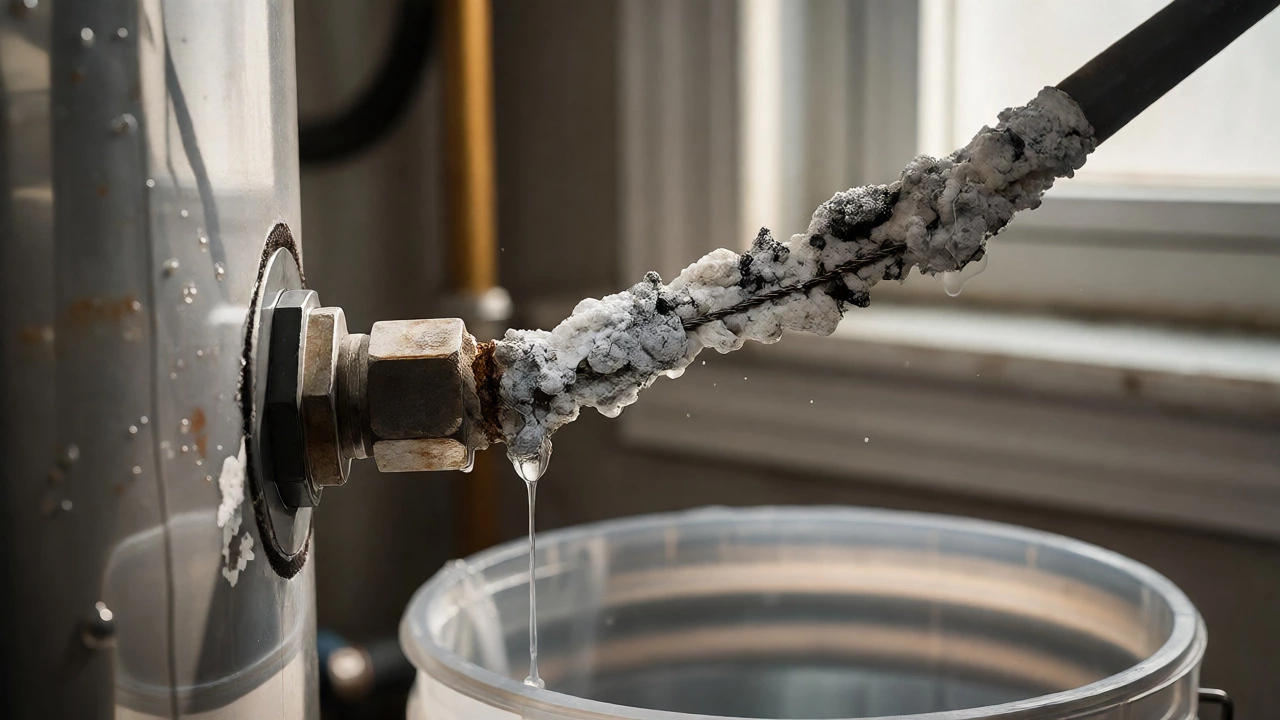
- Visible Corrosion at Connections: Look at where the pipes connect to the top of the tank. Green or white crusty buildup indicates active galvanic corrosion, signaling the anode may no longer be doing its job.
Factors That Speed Up Wear
Not all homes are created equal. Three main variables dictate how fast your anode vanishes. First is water hardness. High levels of calcium and magnesium create scale, which insulates the heating elements and accelerates anode consumption. Second is water temperature settings. Cranking your thermostat above 60°C (140°F) increases chemical reaction rates, eating through the rod faster. Keep it at 50-55°C for longevity. Third is usage volume. A large family drawing hot water constantly introduces more oxygenated cold water into the tank, driving the corrosion process harder than in a single-person household.
Types of Anode Rods and Their Lifespans
When you do replace the rod, you have choices. Standard rods are solid bars of magnesium or aluminum. They are cheap and effective. However, in very aggressive water conditions, they might not last long enough between inspections. This is where powered anodes (also known as electronic anodes) come in. Instead of a consumable metal bar, these devices send a small electrical current through a titanium wire to protect the tank. They never need replacing unless the device fails, which can take decades. The trade-off? They cost significantly more upfront and require electricity to function. For most UK homeowners, standard magnesium rods remain the practical choice, provided you stick to a strict inspection schedule.
Step-by-Step Inspection Guide
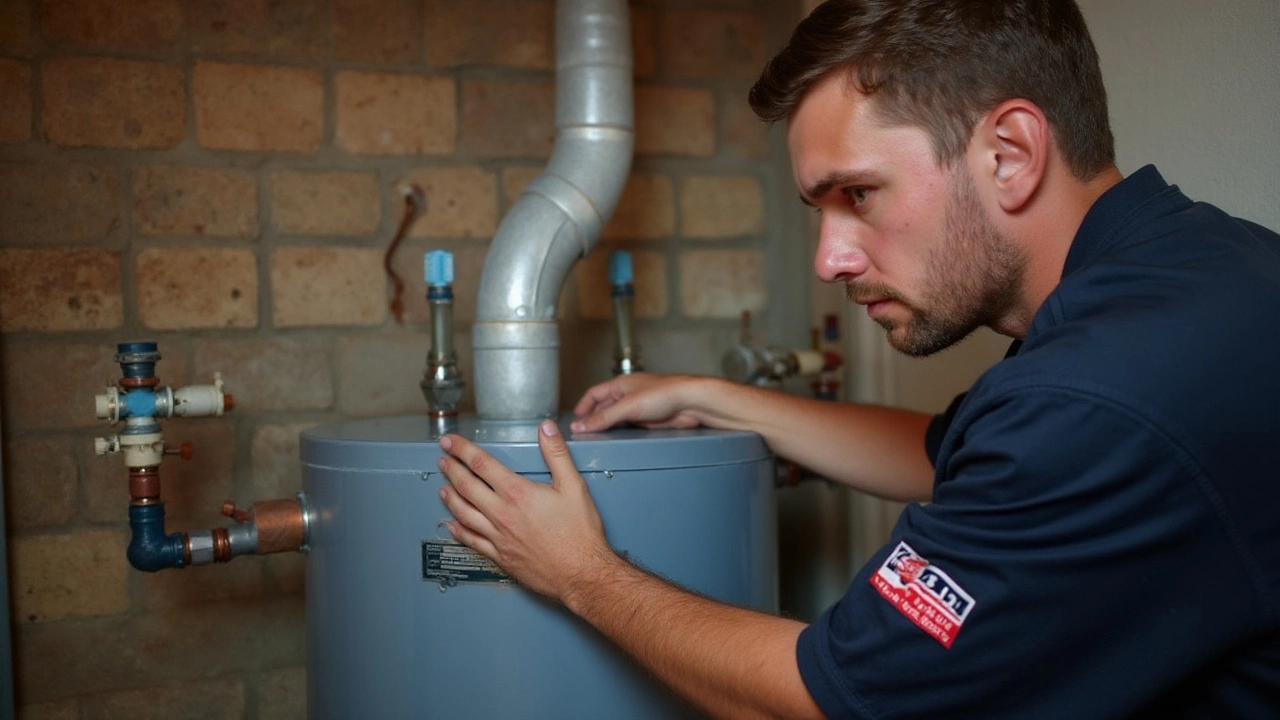
Checking your anode is a DIY-friendly task if you have basic tools. You’ll need a socket wrench (usually 1-1/8 inch), a bucket, and a garden hose. Here is how to do it safely:
- Turn off power: Switch off the breaker for electric heaters or set gas heaters to pilot mode.
- Shut off water supply: Close the valve feeding cold water into the tank.
- Relieve pressure: Open a hot water faucet in the house to release pressure.
- Locate the anode: It’s usually on top of the tank, connected to a hex head bolt. Sometimes it’s hidden under a plastic cap.
- Unscrew carefully: Use your wrench. If it’s stuck due to corrosion, use penetrating oil and let it sit. Don’t force it too hard, or you might crack the tank weld.
- Pull it out: Expect some water spillage. Have your bucket ready.
- Inspect the core: Look at the wire inside the rod. If less than 50% of the original diameter remains, or if the wire is exposed, replace it immediately.
Common Mistakes Homeowners Make
One major error is ignoring the smell. If your hot water smells like rotten eggs, it’s often bacterial activity interacting with the anode. Switching to an aluminum-zinc anode can sometimes fix this odor issue while still providing protection. Another mistake is buying the wrong size. Anode rods vary in length (from 12 inches to 4 feet) and thread type (NPT). Measure your old one before heading to the hardware store. Finally, don’t forget to flush your tank. When you remove the anode, you’ll see sediment. Flushing this out improves efficiency and extends the life of your new rod.
When to Call a Professional
While many people handle this themselves, there are red flags. If the anode is fused solid to the tank despite using lubricant, stop. Forcing it can damage the tank threads. If you find the tank itself is bulging or leaking near the anode port, the damage might be beyond repair. Also, if you live in a block of flats with shared plumbing systems, checking the anode might require permission or specialized access tools. In those cases, hiring a local plumber is worth the fee to avoid a flood.
FAQs About Anode Rod Maintenance
Can I skip replacing the anode rod if my water heater is new?
No. Even new heaters have anode rods that start degrading immediately upon installation. Manufacturers install them specifically so they begin protecting the tank right away. Skipping early checks risks missing rapid degradation caused by unexpected water chemistry issues.
What happens if I don't replace the anode rod?
Once the anode is fully consumed, the corrosive elements in your water attack the steel tank directly. This leads to internal rusting, leaks, and eventually catastrophic failure of the water heater, requiring a full replacement rather than a simple repair.
Are powered anodes better than traditional ones?
Powered anodes offer superior longevity and eliminate the need for periodic replacements. However, they are more expensive initially and rely on electrical components. Traditional magnesium or aluminum rods are cheaper and simpler, making them suitable for most residential applications where regular maintenance is feasible.
How much does it cost to replace an anode rod?
The part itself typically costs between £15 and £40 depending on material and brand. If you hire a plumber, expect to pay between £80 and £150 for labor, including draining the tank and installing the new rod. Prices vary by region and accessibility of the unit.
Does a tankless water heater need an anode rod?
Generally, no. Most tankless units use stainless steel or copper heat exchangers that resist corrosion differently. However, some hybrid models or specific brands may include an anode. Always check your user manual, as neglecting it in compatible models can void warranties.