- 8 Jun 2026
- Gideon Thornton
- 0
Appliance Repair Cost & Diagnostic Guide
Enter the appliance type and issue to get an estimated repair cost range and understand the diagnostic process involved.
You press the start button on your washing machine, and instead of a gentle spin cycle, you get a sound like a garbage disposal eating a spoon. You check the fridge, and it’s humming louder than a bee hive while staying at room temperature. In moments like these, the appliance technician becomes one of the most valuable people in your life. But what exactly do they do when they walk through your door? Is it just tightening screws and swapping parts, or is there more to the trade?
The role of an appliance technician goes far beyond simple fixes. It is a job that blends mechanical intuition, electrical logic, and customer service into a single daily routine. Whether they are diagnosing a faulty control board in a dishwasher or replacing a seal on a refrigerator, these professionals keep modern households running smoothly. Let’s break down the real responsibilities, skills, and challenges of this essential trade.
The Core Responsibility: Diagnosis Before Repair
Most people assume an appliance technician walks in with a toolbox, swaps a broken part, and leaves. While part replacement is part of the job, the heavy lifting happens before any tools come out. The primary role of a technician is accurate diagnosis. If you replace the wrong part, you waste time, money, and materials. A good technician acts like a detective.
When a refrigerator stops cooling, for example, the issue could be a dirty condenser coil, a failed compressor, a refrigerant leak, or a bad thermostat. Each of these requires a different fix and different cost. The technician uses multimeters, pressure gauges, and visual inspections to isolate the problem. This diagnostic phase often takes up 30% to 50% of a service call. Without this step, repairs become guesswork, leading to repeat visits and frustrated customers.
This skill set relies heavily on understanding how different systems interact. An oven isn’t just a heating element; it’s a combination of gas valves, igniters, thermostats, and electronic controls. Knowing which component fails first helps the technician prioritize testing. For instance, if an oven won’t heat, checking the igniter before the gas valve saves hours of unnecessary disassembly.
Daily Tasks and Technical Duties
Once the problem is identified, the technician moves to the repair phase. This involves a wide range of physical and technical tasks. Here is what a typical day might look like:
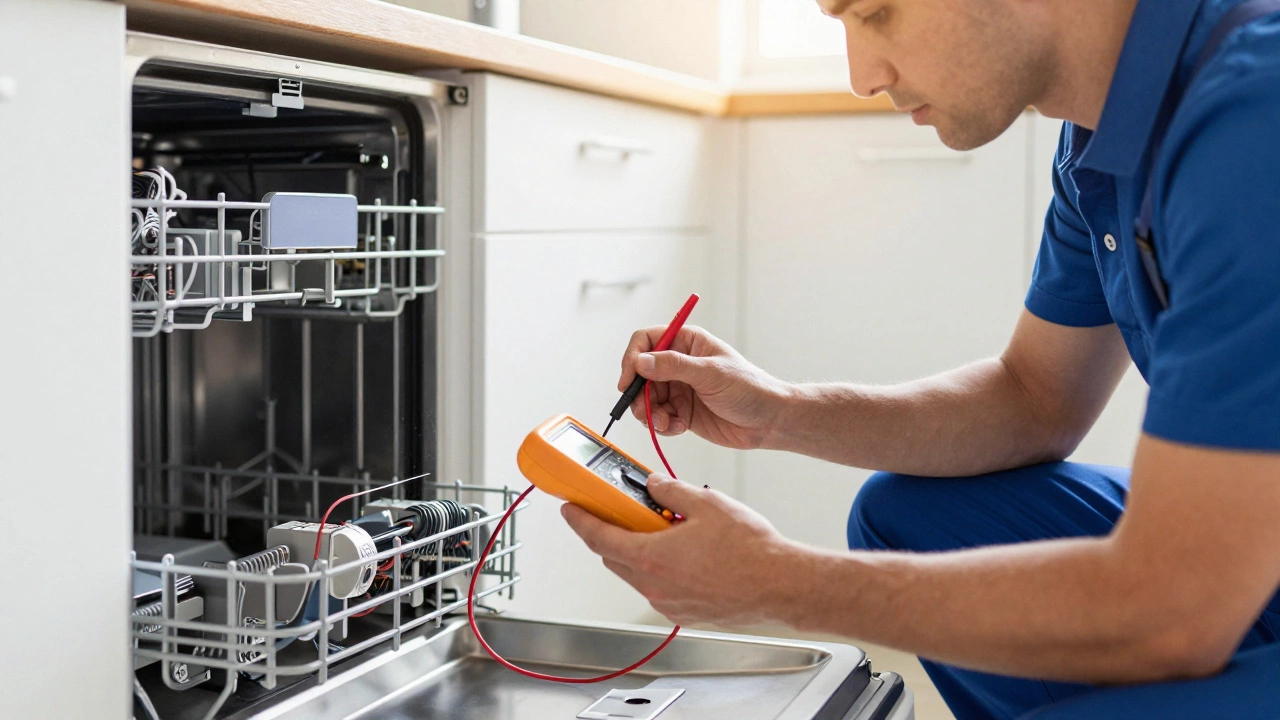
- Electrical Testing: Using multimeters to check voltage, continuity, and resistance in wiring harnesses and control boards. This ensures safety and identifies open circuits or shorted components.
- Mechanical Replacement: Swapping out worn belts, rollers, bearings, and pumps in washing machines and dryers. These parts take constant abuse from spinning loads and heat, so they wear out regularly.
- Refrigerant Handling: For HVAC-adjacent appliances like fridges and freezers, technicians must recover, recycle, and recharge refrigerants. This requires specific certifications because mishandling gases harms the environment and violates regulations.
- Control Board Programming: Modern appliances use microprocessors. Technicians often update firmware, reset error codes, or reprogram settings after replacing a main board. This bridges the gap between old-school mechanics and IT support.
- Preventive Maintenance: Cleaning filters, descaling kettles and dishwashers, and lubricating motors. Many breakdowns are preventable with basic care, and technicians often educate homeowners on this during visits.
These tasks require precision. A loose connection in a high-voltage dryer circuit can cause a fire hazard. A misaligned door latch in a dishwasher leads to leaks that damage flooring. The technician’s attention to detail protects both the appliance and the home.
Essential Skills Beyond the Toolbox
Technical knowledge is only half the equation. An effective appliance technician needs a diverse skill set to succeed in the field. Physical stamina matters-you’ll be crawling under cabinets, standing on ladders, and lifting heavy units like front-load washers. But soft skills are equally critical.
Customer Communication is vital. You are entering someone’s private space, often during a stressful moment. Explaining why a $2,000 oven needs a $400 repair requires patience and clarity. You must translate technical jargon into plain language. Instead of saying “the solenoid valve is stuck,” say “the part that lets gas in is jammed, so the burner won’t light.” This builds trust and helps customers make informed decisions.
Problem-Solving Under Pressure is another key trait. Not every repair goes according to plan. Sometimes parts are backordered, wiring diagrams are missing, or the appliance has been modified by previous owners. Technicians must adapt quickly, find workarounds, or recommend alternatives without losing composure.
Time Management keeps the business profitable. Service calls are scheduled in tight windows. Running late affects the next appointment and frustrates waiting customers. Efficient routing, quick diagnostics, and organized tool kits help technicians stay on schedule.
Tools of the Trade
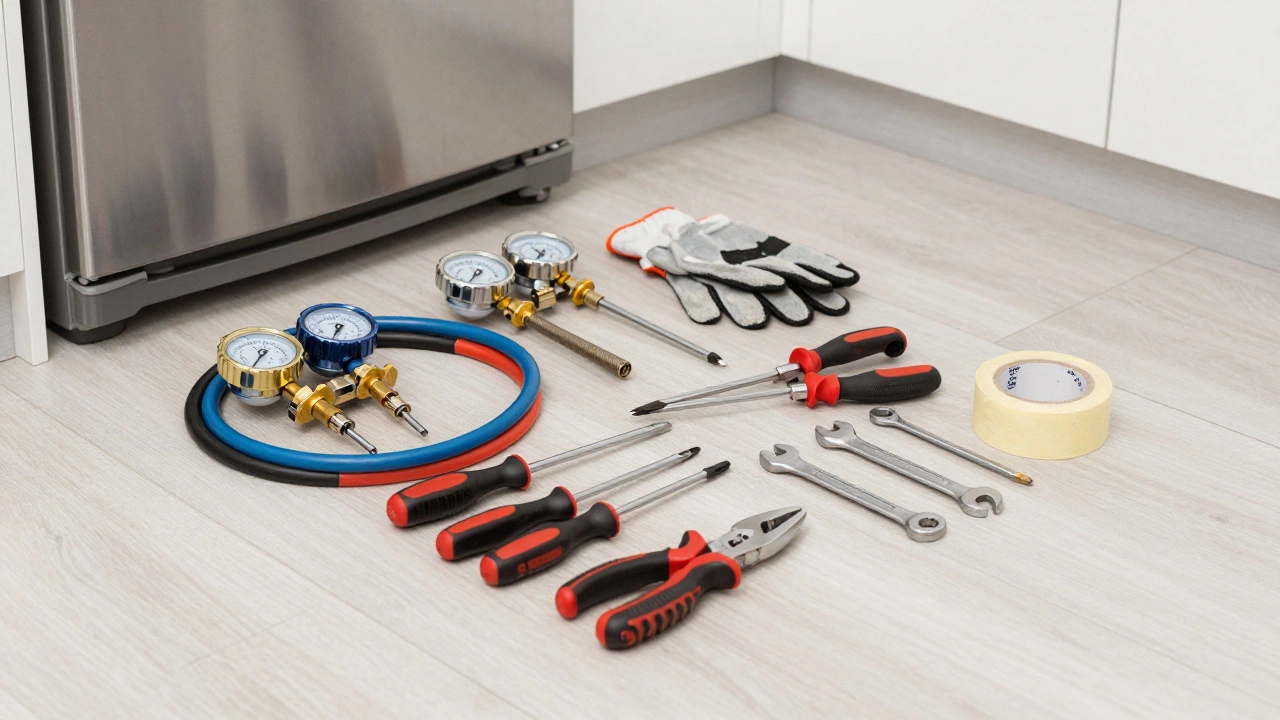
An appliance technician’s toolkit is specialized and extensive. Unlike general handymen, they carry equipment designed for precise electrical and mechanical work. Here are some essentials:
| Tool | Primary Use | Why It Matters |
|---|---|---|
| Multimeter | Measuring voltage, current, resistance | Identifies electrical faults safely and accurately |
| Manifold Gauge Set | Checking refrigerant pressure | Essential for diagnosing cooling system issues |
| Screwdriver Set (Phillips/Flat) | Removing panels and accessing components | Basic but critical for disassembly |
| Wrenches and Socket Sets | Tightening bolts and nuts | Needed for motor mounts and pump connections |
| Diagnostic Laptop/Tablet | Accessing service manuals and error codes | Speeds up troubleshooting for smart appliances |
Many technicians also carry inventory of common parts-belts, seals, fuses, and switches-to complete repairs on the first visit. This reduces callbacks and improves customer satisfaction. However, carrying too much stock ties up capital and vehicle space, so balancing inventory is a constant challenge.
Education, Certification, and Career Path
Becoming an appliance technician doesn’t always require a four-year degree. Many enter the field through vocational schools, community college programs, or apprenticeships. Courses cover electrical theory, refrigeration principles, and safety protocols. Some manufacturers offer proprietary training for their specific brands, which can give technicians a competitive edge.
Certifications add credibility. In the UK and US, handling refrigerants requires licenses like F-Gas (UK) or EPA Section 608 (US). These ensure technicians understand environmental laws and safe handling practices. Other certifications, such as NATE (North American Technician Excellence), validate expertise in HVAC and related fields.
Career progression typically starts with entry-level roles assisting senior technicians. Over time, workers gain independence, handle complex jobs, and may move into supervisory positions, service management, or even starting their own businesses. Specializing in high-end brands or commercial appliances can lead to higher pay due to increased demand and technical complexity.
Challenges and Risks in the Role
No job is without its difficulties. Appliance technicians face physical strain from repetitive motions, awkward positions, and heavy lifting. Back injuries and joint pain are common complaints. Proper lifting techniques and ergonomic tools help mitigate these risks.
Electrical hazards are another concern. Working on live circuits can lead to shocks or burns. Technicians must follow lockout/tagout procedures and verify power is off before touching wires. Even low-voltage electronics can be sensitive to static discharge, requiring anti-static precautions.
Emotional stress also plays a role. Customers expect quick fixes and fair prices. When a repair costs more than expected or takes longer than promised, tensions rise. Technicians must manage expectations calmly and professionally, sometimes delivering bad news about obsolete parts or unsafe conditions.
How Technology Is Changing the Job
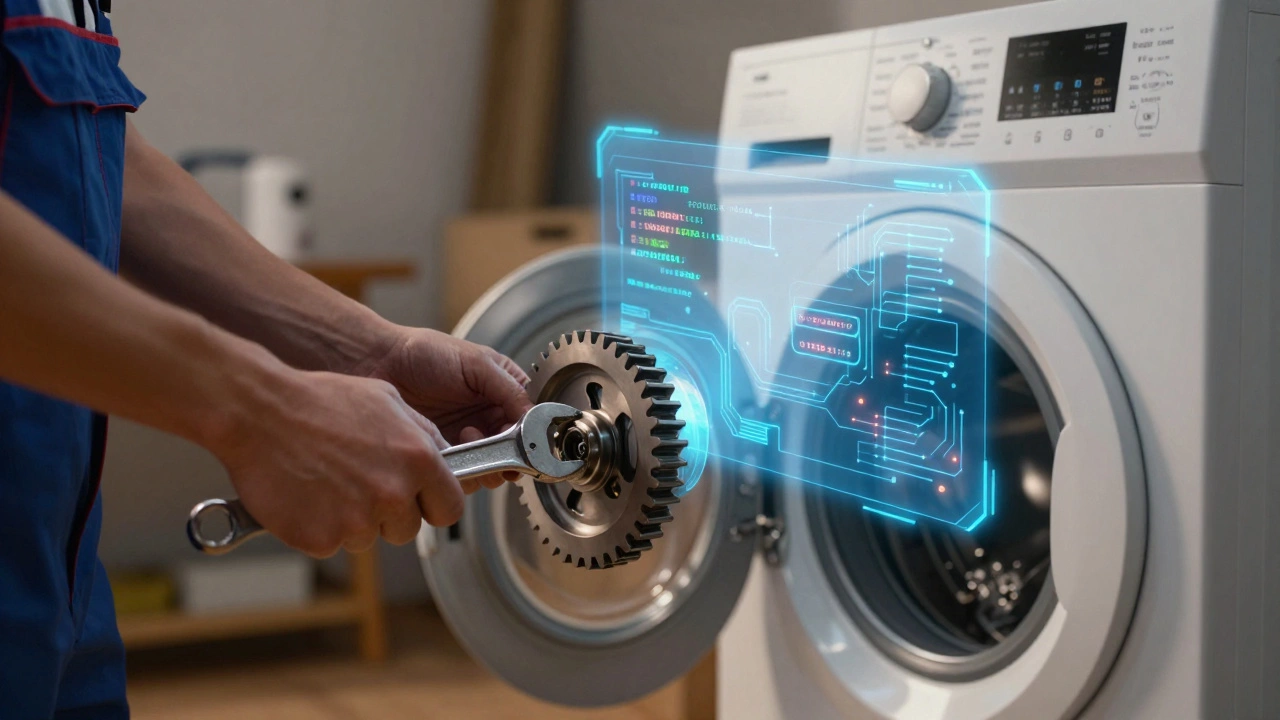
The rise of smart appliances is reshaping the technician’s role. Devices now connect to Wi-Fi, send error codes via apps, and allow remote diagnostics. This means technicians spend less time guessing and more time interpreting data. However, it also introduces cybersecurity concerns and software glitches that traditional mechanics never encountered.
Manufacturers increasingly design appliances for planned obsolescence, making repairs harder. Some parts are glued together, screws are hidden, or software locks prevent third-party repairs. This trend pushes technicians to advocate for right-to-repair legislation and develop creative solutions to bypass restrictions.
Despite these changes, human expertise remains irreplaceable. Algorithms can flag errors, but they can’t navigate cramped kitchen spaces, negotiate with skeptical homeowners, or improvise when standard procedures fail. The future of appliance repair lies in blending digital tools with seasoned judgment.
Do I need a license to become an appliance technician?
Requirements vary by location. In many places, no general license is needed for basic repairs. However, handling refrigerants requires specific certifications like F-Gas in the UK or EPA 608 in the US. Always check local regulations and employer requirements.
How much does an appliance technician earn?
Salaries depend on experience, location, and specialization. Entry-level technicians might start around £20,000-£25,000 per year in the UK, while experienced pros or those running their own businesses can earn significantly more. Commercial specialists often command higher rates.
Is appliance repair a dying profession?
Not at all. While some cheap appliances are replaced rather than repaired, high-end and commercial units still need skilled maintenance. Plus, growing awareness of sustainability and right-to-repair movements are boosting demand for competent technicians.
What are the biggest challenges in this job?
Physical strain, dealing with difficult customers, and keeping up with rapidly changing technology are top challenges. Additionally, finding reliable parts for older models can be frustrating and time-consuming.
Can I learn appliance repair online?
Online courses provide theoretical knowledge, but hands-on experience is crucial. Combining video tutorials with apprenticeships or internships offers the best foundation. Practice diagnosing real problems to build confidence and skill.