
- 9 Jul 2026
- Gideon Thornton
- 0
Appliance Repair Cost Estimator
Select your appliance and describe the issue to get an estimated repair cost range. This tool helps you make informed decisions about repairs versus replacements.
Estimated Repair Cost
Recommendation
What to Expect
Common Issues for This Appliance:
Your washing machine just stopped spinning. The fridge is humming louder than a jet engine. You’re not alone in feeling that sudden spike of panic when a household essential decides to quit. But before you rush out to buy a replacement or call the first number on Google, it helps to understand exactly what you are looking for. This brings us to the core question: what is appliance service?
At its simplest, appliance service is the professional care, maintenance, and repair of household machines. It isn't just about fixing things when they break; it’s a broader category that includes routine check-ups, cleaning, part replacements, and even advice on how to make your gadgets last longer. Think of it like servicing your car. You don’t wait for the engine to explode before you change the oil. The same logic applies to the heavy machinery running your home.
The Core Components of Appliance Service
When people ask what appliance service means, they often imagine a technician with a toolbox arriving at their door. While that is part of it, the scope is wider. We can break down appliance service into three main pillars: diagnostic assessment, active repair, and preventive maintenance.
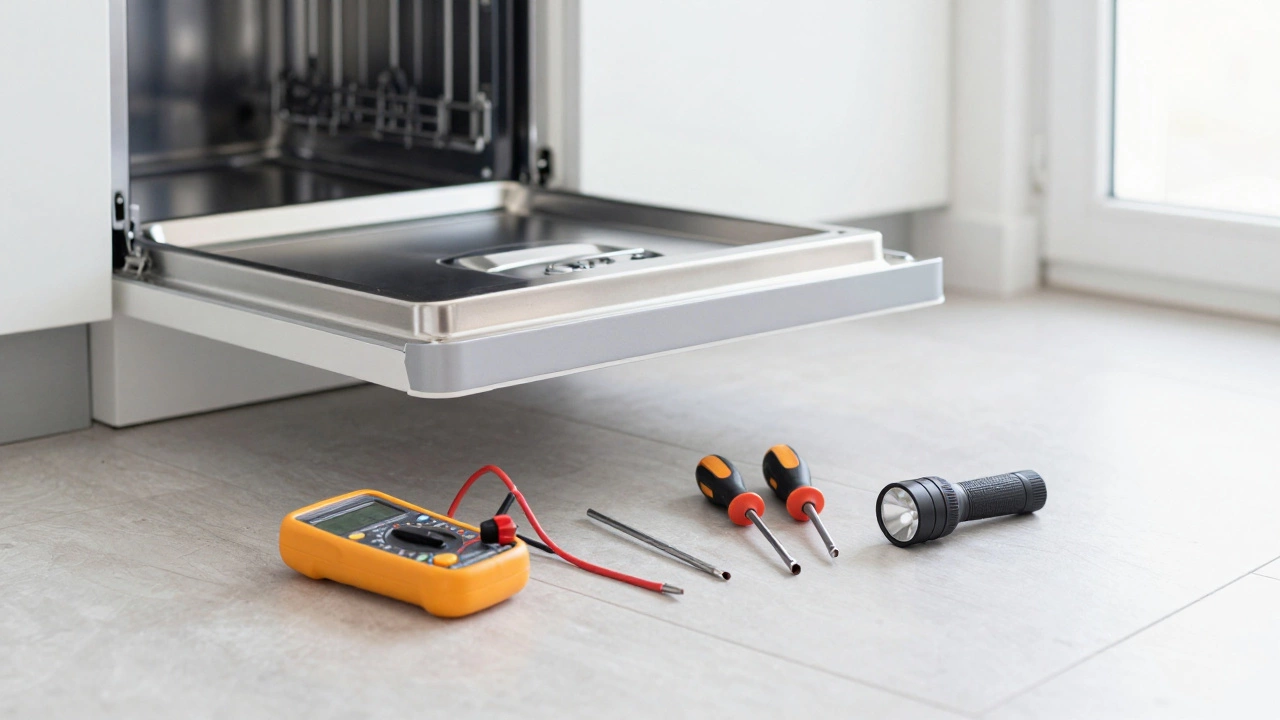
Diagnostic Assessment is the process of identifying why an appliance is malfunctioning. A technician will use multimeters, pressure gauges, and visual inspections to pinpoint the issue. Is it a faulty heating element in the oven? A clogged drain pump in the dishwasher? Or perhaps a worn-out belt in the dryer? Without accurate diagnosis, any fix is just a guess.
Active Repair is the physical act of fixing the broken component. This involves replacing parts, rewiring circuits, or resealing doors. For example, if your refrigerator isn't cooling, the repair might involve swapping out a compressor or clearing a blocked condenser coil. This is the most visible part of the service, where the problem is resolved so the appliance functions as intended.
Preventive Maintenance is routine care to prevent future breakdowns. This is often overlooked but crucial. It includes descaling kettles and dishwashers, cleaning lint filters in dryers, checking seals on fridges, and ensuring ventilation around ovens is clear. Regular maintenance can extend the life of an appliance by years, saving you money in the long run.
Why Professional Service Beats DIY Fixes
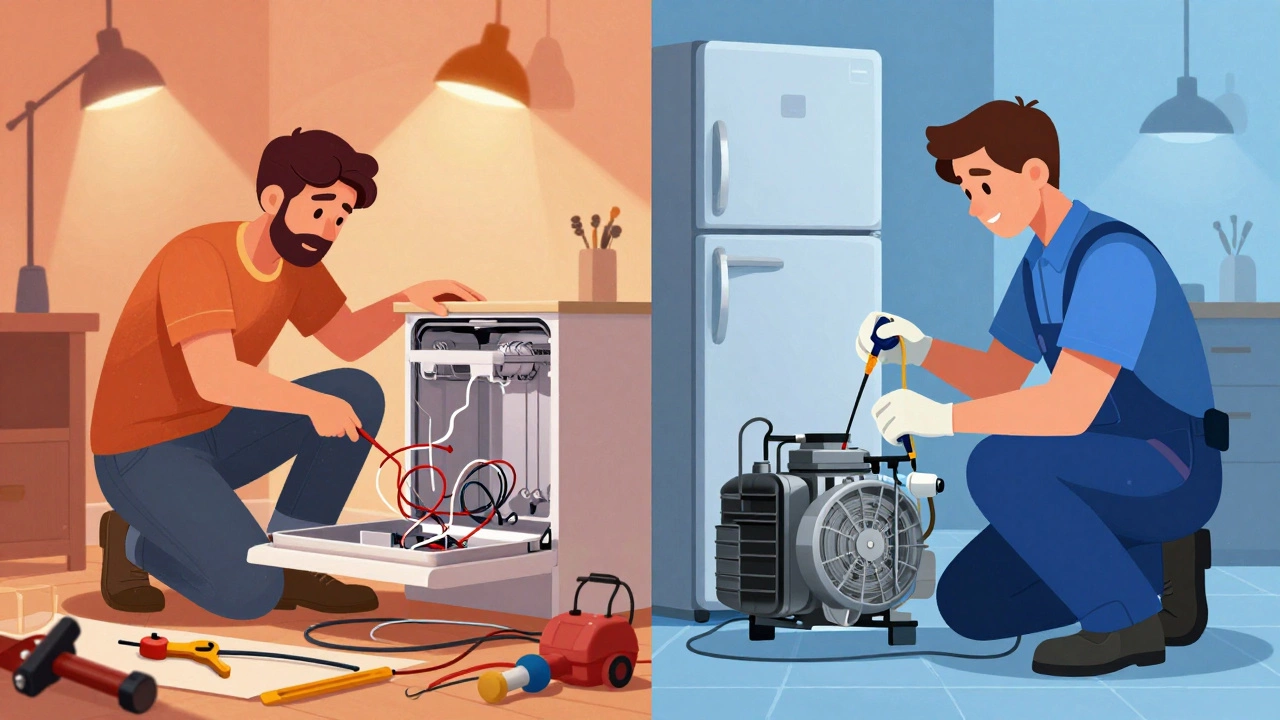
In an age of YouTube tutorials, it’s tempting to try fixing appliances yourself. After all, changing a water filter or unclogging a drain seems straightforward. However, professional appliance service offers value that goes beyond simple fixes.
First, there is safety. Appliances deal with high voltage electricity, gas lines, and hot water. A mistake in wiring a washing machine can lead to electric shock or fire. Gas leaks from an improperly repaired cooker can be fatal. Professionals are trained to handle these risks safely. They know how to isolate power, test for gas leaks, and ensure that repairs meet local safety standards.
Second, there is efficiency. A seasoned technician has seen thousands of similar issues. What might take you hours of trial and error could take them twenty minutes. They have access to genuine spare parts that fit perfectly, whereas DIYers often struggle with generic alternatives that may not work correctly or last as long.
Third, there is warranty protection. Many manufacturers require that repairs be carried out by certified technicians to keep the warranty valid. If you try to fix your new smart fridge yourself and void the warranty, you could end up paying full price for a replacement later. Professional service ensures that your coverage remains intact.
Types of Appliances That Need Service
Almost every major household device falls under the umbrella of appliance service. Here are the most common categories:
- Kitchen Appliances: Refrigerators, freezers, ovens, cookers, dishwashers, microwaves, and extractor fans. These deal with food safety and hygiene, making regular checks essential.
- Laundry Appliances: Washing machines, tumble dryers, and washer-dryer combos. These endure high stress from spinning, heating, and water usage, leading to frequent mechanical wear.
- Heating and Cooling: Boilers, air conditioners, and heat pumps. While sometimes categorized separately, these are critical home systems that benefit from annual servicing to maintain efficiency and safety.
- Small Appliances: Kettles, toasters, blenders, and vacuum cleaners. While cheaper to replace, some high-end models are worth repairing, especially if they have specialized features.
| Appliance | Common Problem | Typical Service Action |
|---|---|---|
| Washing Machine | Not draining | Clean or replace drain pump; clear hose blockages |
| Fridge | Water leaking inside | Clear blocked defrost drain; check door seals |
| Oven | Uneven heating | Replace faulty heating element; calibrate thermostat |
| Dishwasher | Dishes not clean | Descale spray arms; check water inlet valve |
| Tumble Dryer | Overheating | Clean lint filter and vent; check thermal fuse |
Understanding Service Plans and Breakdown Cover
One aspect of appliance service that confuses many consumers is the difference between a standard repair and a service plan. When you buy a new appliance, it usually comes with a manufacturer’s warranty. This covers defects in materials or workmanship for a set period, typically one to two years. However, once that warranty expires, you are on your own unless you have additional coverage.
Breakdown Cover is an insurance-like policy that pays for repairs after the warranty ends. You pay an annual fee, and in return, the provider covers labor and parts for covered appliances. This can provide peace of mind, especially for expensive items like integrated dishwashers or built-in ovens.
However, breakdown cover isn’t always cost-effective. If you rarely have problems, you might pay more in premiums than you would in occasional repairs. It’s best suited for households with multiple older appliances or those who want predictable budgeting. Always read the terms carefully-some plans exclude certain types of damage, like accidental spills or lack of maintenance.
How to Choose a Reliable Appliance Service Provider
Not all technicians are created equal. Choosing the right service provider is crucial to getting quality work at a fair price. Here’s what to look for:
- Certification and Qualifications: Look for technicians certified by recognized bodies. In the UK, for example, Gas Safe registration is mandatory for anyone working on gas appliances. For electrical work, NICEIC approval is a good sign. These certifications ensure that the technician has undergone proper training and adheres to safety standards.
- Reviews and Reputation: Check online reviews on platforms like Trustpilot or Google My Business. Look for patterns in feedback-are they punctual? Do they explain the problem clearly? Are they honest about costs? Avoid companies with numerous complaints about hidden fees or poor communication.
- Transparent Pricing: Reputable providers offer clear pricing structures. They should give you a quote before starting work or charge a fixed rate for diagnostics. Be wary of vague estimates or requests for large upfront payments.
- Genuine Parts: Ensure the technician uses original equipment manufacturer (OEM) parts or high-quality equivalents. Cheap aftermarket parts may fail sooner, leading to repeated visits and higher costs.
- Warranty on Repairs: Ask if the service comes with a guarantee. Most professional repairs include a warranty on both parts and labor, typically ranging from 30 days to a year. This shows confidence in their workmanship.
The Future of Appliance Service: Smart Diagnostics
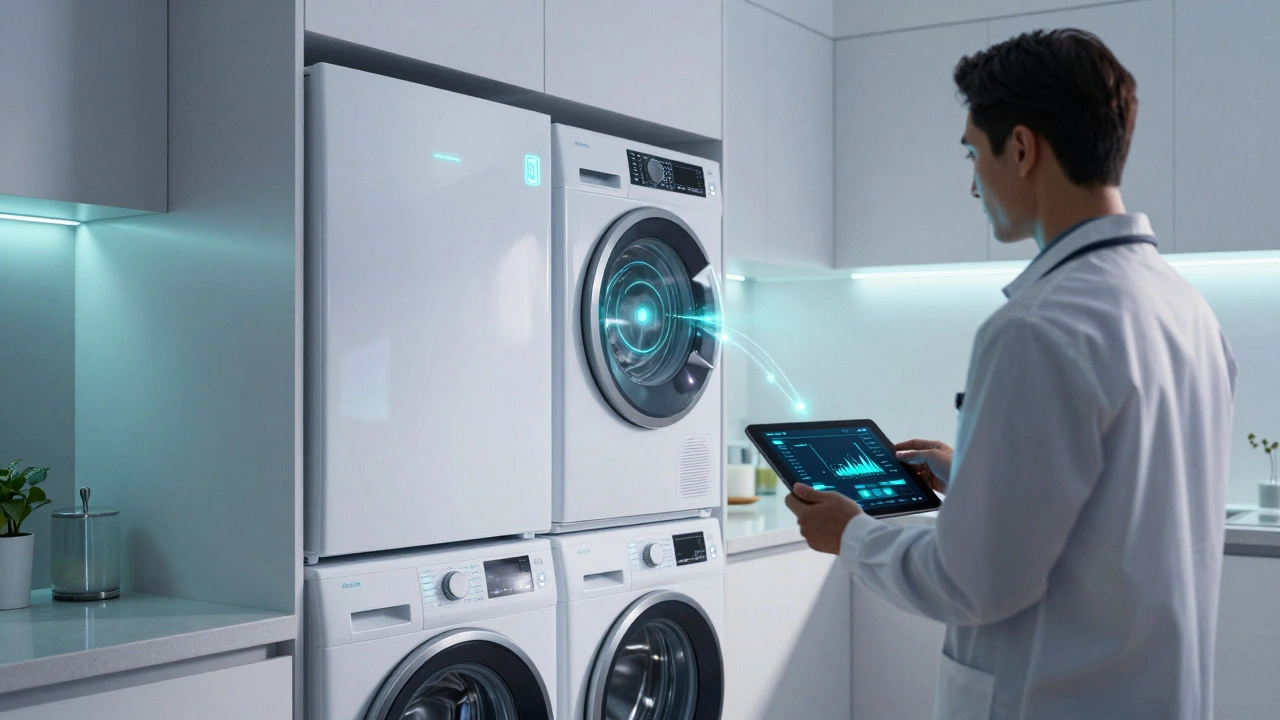
As homes become smarter, appliance service is evolving too. Modern appliances equipped with Wi-Fi and sensors can now diagnose their own issues. Your smart fridge might send you a notification that the ice maker is jammed, or your connected washing machine could alert you when the drum needs cleaning.
This shift changes the role of the technician. Instead of spending time guessing what’s wrong, they arrive with specific data. Remote diagnostics allow service centers to order the correct parts before the technician even leaves the depot. This reduces downtime for you and increases efficiency for the provider. In the near future, predictive maintenance-where appliances warn you of potential failures before they happen-will become standard, further reducing emergency breakdowns.
FAQ
Is appliance service the same as appliance repair?
Not exactly. Appliance repair is a subset of appliance service. Repair focuses specifically on fixing a broken item. Service is a broader term that includes repair, but also encompasses maintenance, diagnostics, cleaning, and general upkeep to keep appliances running smoothly.
How often should I service my home appliances?
It depends on the appliance. Boilers should be serviced annually for safety and efficiency. Fridge coils and dryer vents should be cleaned every six months. Dishwashers and washing machines benefit from descaling and deep cleaning every few months. Small appliances like kettles need descaling regularly depending on water hardness. Generally, a professional check-up every 1-2 years for major appliances is a good rule of thumb.
How much does appliance service cost?
Costs vary widely based on location, appliance type, and complexity of the issue. In the UK, a standard call-out fee might range from £40 to £80. Simple repairs could add another £50-£100, while complex issues involving major parts like compressors or control boards can cost £200 or more. Always ask for a diagnostic fee upfront and get a quote before authorizing major repairs.
Can I service my appliance myself to save money?
You can perform basic maintenance tasks like cleaning filters, descaling, and wiping down surfaces. However, for anything involving internal components, electrical wiring, or gas lines, it is strongly recommended to hire a professional. DIY repairs can be dangerous, void warranties, and potentially cause more damage if done incorrectly.
What signs indicate my appliance needs professional service?
Watch for unusual noises (grinding, banging, hissing), strange smells (burning plastic, mold), performance issues (not cooling, not heating, poor cleaning), error codes on digital displays, water leaks, or excessive vibration. If an appliance behaves differently than usual, it’s best to get it checked early before a minor issue becomes a major failure.