- 3 Sep 2026
- Gideon Thornton
- 0
Boiler DIY Troubleshooter
Select an issue above to see if it's a DIY fix.
Quick Reference: DIY vs Pro
| Component | DIY Friendly? | Action |
|---|---|---|
| Pilot Light / Thermostat | Yes | Relight or Adjust Settings |
| Pressure Gauge | Medium | Repressurize via filling loop |
| Radiators | Yes | Bleed trapped air |
| Gas Valve / Burner | No | Call Gas Safe Engineer |
| Circuit Board | No | Professional Diagnosis |
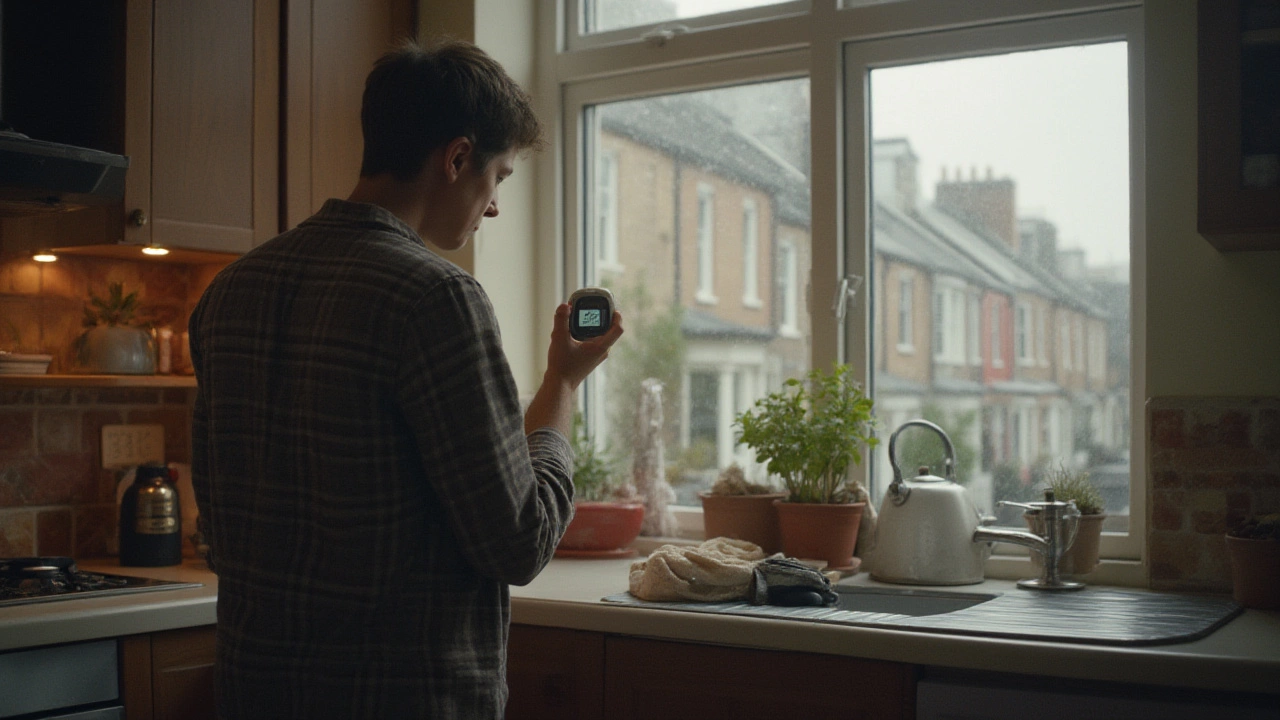
You’re shivering. The radiator is cold. Your boiler is a central heating system component that heats water for radiators and taps just clicked off, or worse, it’s flashing an error code at you like it’s judging your life choices. The first instinct is to grab a screwdriver. The second instinct, usually triggered by the memory of a friend’s expensive callout fee, is to ask: "Can I fix this myself?"
The short answer is: sometimes. The long answer involves a lot of nuance about gas safety, warranty clauses, and knowing when to stop poking things. If you treat your boiler like a car engine, you’ll likely end up with a bigger problem than you started with. But if you understand what’s happening under the hood, you can save money on simple fixes and avoid unnecessary panic.
The Hard Line: Gas Safety Regulations
Before you even think about opening a panel, you need to know who is legally allowed to touch what. In most regions, including the UK and parts of Europe, working on the gas supply itself requires a certified professional. This isn’t just bureaucracy; it’s survival. Incorrectly connected gas pipes can lead to leaks, explosions, or carbon monoxide poisoning.
If your issue involves the gas valve, the burner assembly, or any part of the flue where exhaust gases exit, you are out of your depth. These components operate under pressure and high heat. A loose connection here doesn’t just mean a cold house; it means danger. Always check local regulations, but assume that anything touching the flame or the gas line is strictly pro territory.
| Component | DIY Friendly? | Risk Level | Action |
|---|---|---|---|
| Pilot Light (Older Models) | Yes | Low | Relight according to manual |
| Thermostat Settings | Yes | Low | Adjust temperature/schedule |
| Pressure Gauge | Yes | Medium | Repressurize via filling loop |
| Bleeding Radiators | Yes | Low | Release trapped air |
| Gas Valve/Burner | No | High | Call Gas Safe engineer |
| Circuit Board | No | Medium | Professional diagnosis needed |
| Flue/Chimney | No | High | Check for blockages externally only |
Simple Fixes You Can Actually Do
So, what can you do? Quite a bit, actually. Many "broken" boilers aren’t broken at all; they’ve just tripped a safety switch or lost pressure. Start with the basics before you spend a penny on a service call.
Check the Pressure
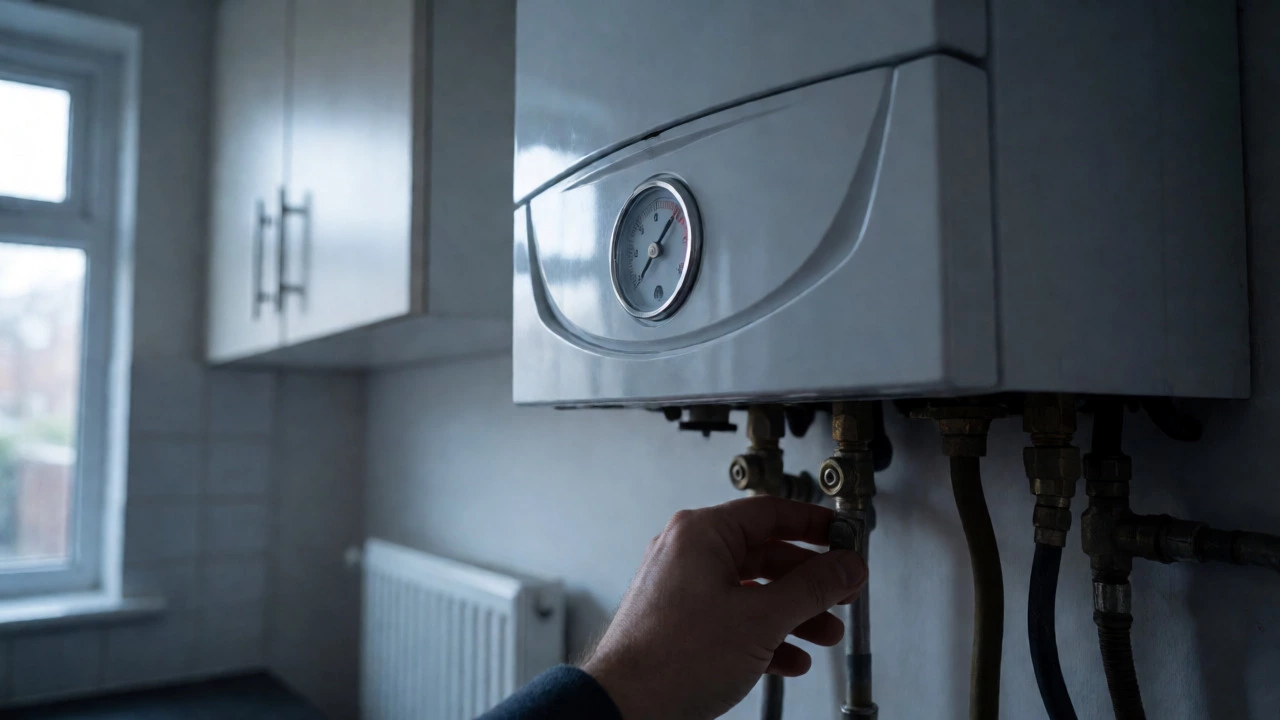
Most modern combi boilers have a pressure gauge on the front. Ideally, this should sit between 1 and 1.5 bar when the system is cold. If it’s below 1 bar, the boiler will shut down to protect itself from overheating due to lack of water flow. This is incredibly common after bleeding radiators or during seasonal changes.
To fix this, locate the filling loop-usually two flexible hoses with valves underneath the boiler. Open both valves slowly until the needle hits 1.2 bar, then close them tightly. If you don’t know which valves these are, consult your user manual. Guessing here can flood your kitchen cabinet.
Reset the System
Error codes often appear after a power cut or a temporary glitch in the ignition sequence. Most boilers have a reset button. Press it once. Wait a minute. Press it again if necessary. Don’t hold it down for ten seconds thinking it’s a factory reset; you might wipe your programming settings. If the boiler restarts and runs fine, you’ve saved yourself £80-£120.
Bleed the Radiators
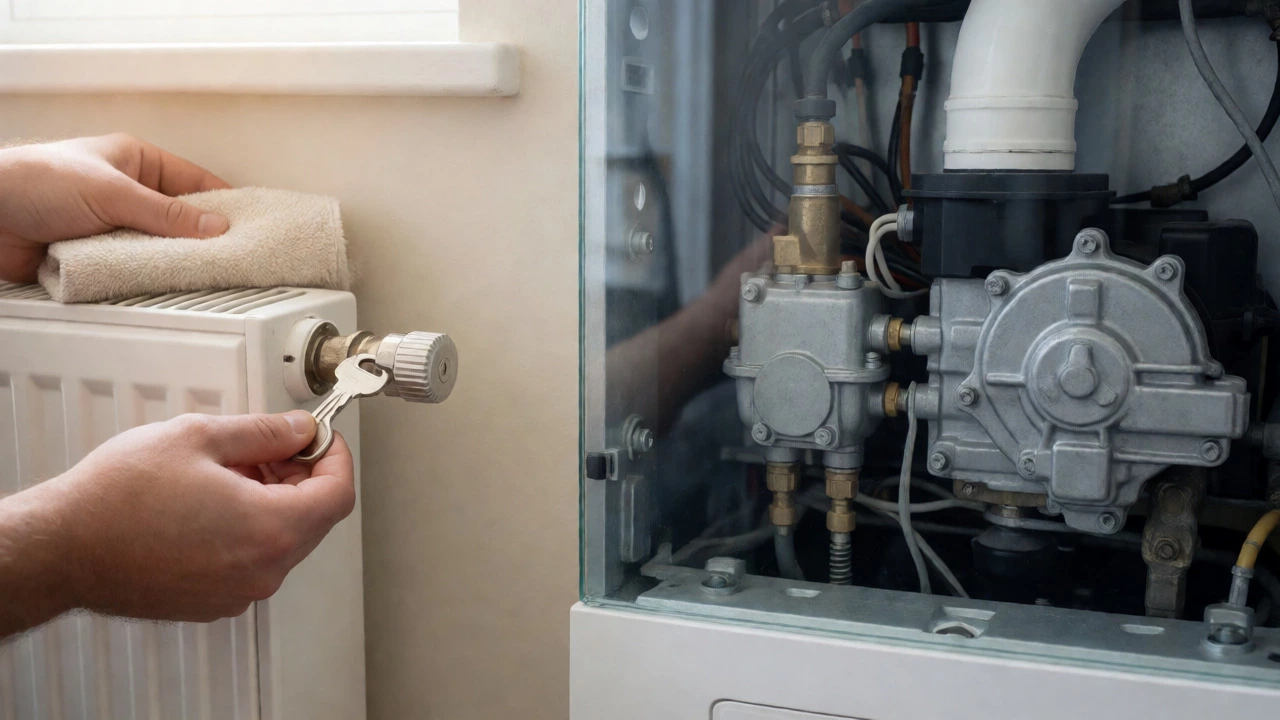
If some radiators are hot and others are cold at the top, you have air locks. Air gets trapped in the highest point of the radiator, preventing hot water from circulating. Use a radiator key to open the bleed valve slightly. You’ll hear a hiss. Close it as soon as steady water flows out. Remember: bleeding radiators drops your system pressure, so check your boiler gauge afterward and repressurize if needed.
When to Stop Poking and Call a Pro
There’s a difference between troubleshooting and repairing. Troubleshooting is finding the cause. Repairing is fixing the faulty part. If you identify a faulty component, leave the replacement to a Gas Safe registered engineer a qualified professional certified to work safely with gas appliances.
Here are clear signs you need help:
- Smell of Gas: Shut off the gas supply immediately, open windows, and call your emergency gas line. Do not use light switches.
- Leaking Water: If water is dripping from the bottom of the unit, it could be a failed pump, a cracked heat exchanger, or a loose pipe joint. All require disassembly.
- Loud Noises: Banging, whistling, or gurgling sounds often indicate kettling (limescale buildup) or a failing fan motor. While limescale treatment is possible, diagnosing the exact source needs expertise.
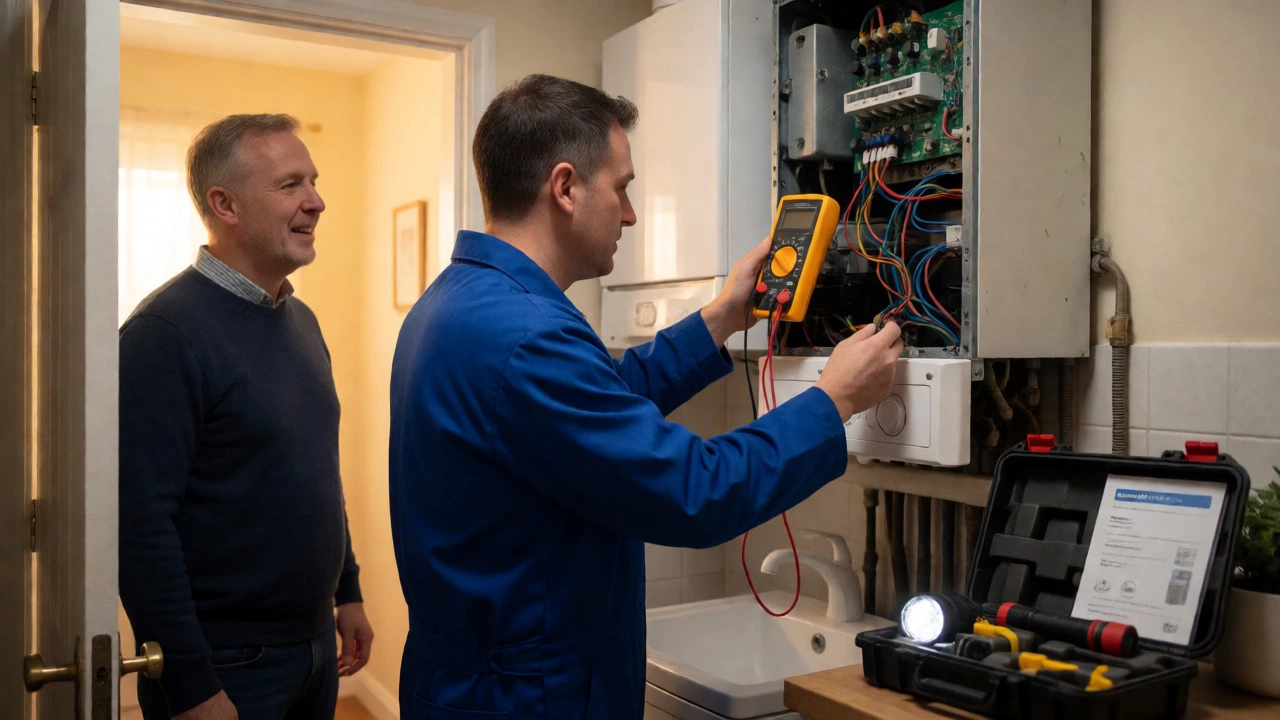
- Faulty Thermostat: If your room thermostat calls for heat but the boiler ignores it, the issue might be in the wiring or the PCB (Printed Circuit Board). Electrical diagnostics can be tricky without a multimeter and schematic knowledge.
The Warranty Trap
This is where many DIY enthusiasts get burned. Most new boilers come with a manufacturer’s warranty ranging from 2 to 10 years. These warranties almost always include a clause stating that unauthorized repairs void the coverage.
Imagine you replace a faulty diverter valve yourself because you watched three YouTube videos. It works for six months. Then, the main heat exchanger fails-a £600 part. You call the manufacturer, expecting free replacement. They ask who did the previous repair. When you say "me," they deny the claim. Suddenly, you’re paying full price for a major component because you tried to save £50 on labor.
Always read your warranty terms. Some manufacturers allow minor adjustments (like pressure checks) but forbid internal part replacements. If your boiler is under five years old, the safest bet is to let an authorized agent handle anything beyond resetting and bleeding.
Tools of the Trade for Minor Maintenance
You don’t need a van full of equipment to maintain your boiler. Keep a small kit nearby for quick fixes:
- Radiator Key: Essential for bleeding radiators. Buy one that fits your specific valve type (square vs. slotted).
- Soft Cloth: For wiping away spills during repressurization.
- Flashlight: Boilers are often installed in dark cupboards or lofts. Good lighting prevents mistakes.
- User Manual: Digital copies are great, but having the PDF downloaded on your phone saves time when you’re standing in a cold hallway.
Avoid buying generic "boiler additives" unless recommended by your installer. Modern sealed systems are designed to last without chemical flushes every year. Unnecessary chemicals can corrode seals or clog filters.
Cost-Benefit Analysis: DIY vs. Pro
Let’s look at the numbers. A standard callout fee for a qualified engineer ranges from £80 to £120 depending on location and time of day. Parts cost extra. Labor rates hover around £60-£90 per hour.
If you can solve the problem with a reset or a repressurization, you’ve effectively earned £100 for twenty minutes of work. That’s a decent hourly rate. However, if you misdiagnose the issue and order the wrong part, you might waste £40 on shipping and returns, plus still need the engineer. The risk increases with complexity.
Consider the scenario of a blocked condensate pipe. This is a common winter fault where ice blocks the plastic drain pipe outside your wall. The boiler shuts down with a lockout code. You can pour warm (not boiling) water over the external pipe outlet to melt the ice. This takes five minutes and costs nothing. Calling an engineer for this simple thaw is often considered a "non-work" callout, meaning you pay the fee anyway. Knowing this trick alone saves significant money annually.
Final Verdict
Can you fix your boiler yourself? Yes, for minor operational issues. You can manage pressure, reset faults, bleed radiators, and clear simple blockages. These tasks keep your system running smoothly and prevent small problems from becoming big ones.
But respect the machine. It combines electricity, water, and combustible gas. If the problem involves internal components, gas connections, or electrical boards, step back. The cost of a professional repair is far less than the cost of a mistake involving gas safety or voided warranties. Stay curious, stay safe, and know when to pick up the phone.
How do I know if my boiler pressure is too low?
Check the pressure gauge on the front of your boiler. Normal operating pressure is typically between 1 and 1.5 bar when the system is cold. If the needle is in the red zone or below 1 bar, your pressure is too low. You will likely see an error code indicating low pressure, and the boiler may fail to fire up.
Is it dangerous to reset a boiler myself?
No, pressing the reset button is generally safe. It simply clears the error code and attempts to restart the ignition sequence. However, if the boiler trips repeatedly after resetting, do not keep resetting it. This indicates a persistent fault that requires professional attention to avoid damaging components.
What does a locked-out boiler mean?
A locked-out boiler has stopped working completely to prevent damage or danger. It displays an error code and won't respond to normal heating demands until the fault is cleared. Common causes include ignition failure, low water pressure, or sensor errors. Resetting may clear it, but if the lockout persists, a technician is needed.
Can I replace a boiler thermostat myself?
Replacing a room thermostat is often a DIY-friendly task, especially if it's wireless or battery-operated. Replacing the internal thermostat or thermistor inside the boiler case usually requires removing panels and handling electrical connections. If you are comfortable with basic electrics and have isolated the power, it's possible. Otherwise, hire a pro to ensure correct calibration and safety.
Why is my boiler making banging noises?
Banging noises, often called "kettling," are usually caused by limescale buildup on the heat exchanger. As water boils around the scale, it creates steam bubbles that collapse violently, causing noise. Another cause is airlocks or a failing pump. Bleeding radiators might help if air is the issue, but kettling often requires a professional power flush.
Does DIY repair void my boiler warranty?
It depends on the manufacturer's terms. Generally, replacing internal parts like pumps, fans, or circuit boards yourself will void the warranty. Adjusting settings, checking pressure, and bleeding radiators are usually permitted. Always check your specific warranty document before attempting any repair that involves opening the casing.