- 24 Aug 2026
- Gideon Thornton
- 0
🔥 Boiler Repair vs. Replacement Advisor
Enter Your Boiler Details
Fill in the details to get a personalized recommendation based on industry best practices.
Your boiler is the heart of your home's comfort, but it rarely announces trouble with a loud alarm. Instead, it whispers. A faint hiss, a drop in water pressure, or a radiator that stays cold while others burn hot. Ignoring these subtle cues can turn a £150 fix into a £2,000 replacement. Knowing when to panic and when to wait saves you money and keeps your family safe.
In this guide, we break down the specific symptoms that demand immediate attention versus those that just need a scheduled service. We’ll look at real-world scenarios from homes across the UK, including common issues seen in older properties here in Bristol where hard water affects system performance differently than in softer regions.
Key Takeaways
- Immediate danger: Yellow flames, pilot light smell, or no heat/hot water requires an engineer within 24 hours.
- Monitor closely: Low pressure (below 1.0 bar), frequent locking out, or noisy gurgling needs a service within 2 weeks.
- Scheduled maintenance: Slight efficiency drops or minor leaks are best addressed during your annual service.
- Cost factor: Repairs on boilers over 8 years old often exceed the cost of a new unit plus installation.
The Red Flags: When to Call for Emergency Help
Some signs mean your boiler isn't just broken; it’s potentially unsafe. Gas boilers operate under high pressure and involve combustion, so certain failures carry risks of carbon monoxide poisoning or fire. If you notice any of these, stop using the boiler and call a Gas Safe registered engineer immediately.
- Yellow or Orange Flames: In open-flue systems, blue flames indicate complete combustion. Yellow or orange flames mean incomplete burning, which produces Carbon Monoxide. This odorless gas is deadly. If you see this, ventilate the room and get professional help.
- The Smell of Gas: It smells like rotten eggs. If you smell it near the boiler, turn off the gas supply valve at the meter and leave the house until a professional checks the line.
- No Hot Water or Heating at All: If the boiler has completely failed and your home is freezing, especially in winter, this is an emergency. However, if it’s summer, you have more time to book a standard appointment.
- Water Leaks from the Boiler Body: A small drip might be a condensate trap issue, but a steady stream from the main body suggests a cracked heat exchanger. This is a major component failure.
Warning Signs That Need Attention Soon
Not every issue is an emergency, but ignoring them leads to bigger problems. These signs suggest wear and tear that will worsen without intervention. You don’t need to call at midnight, but book a service within the next two weeks.
Dropping Pressure
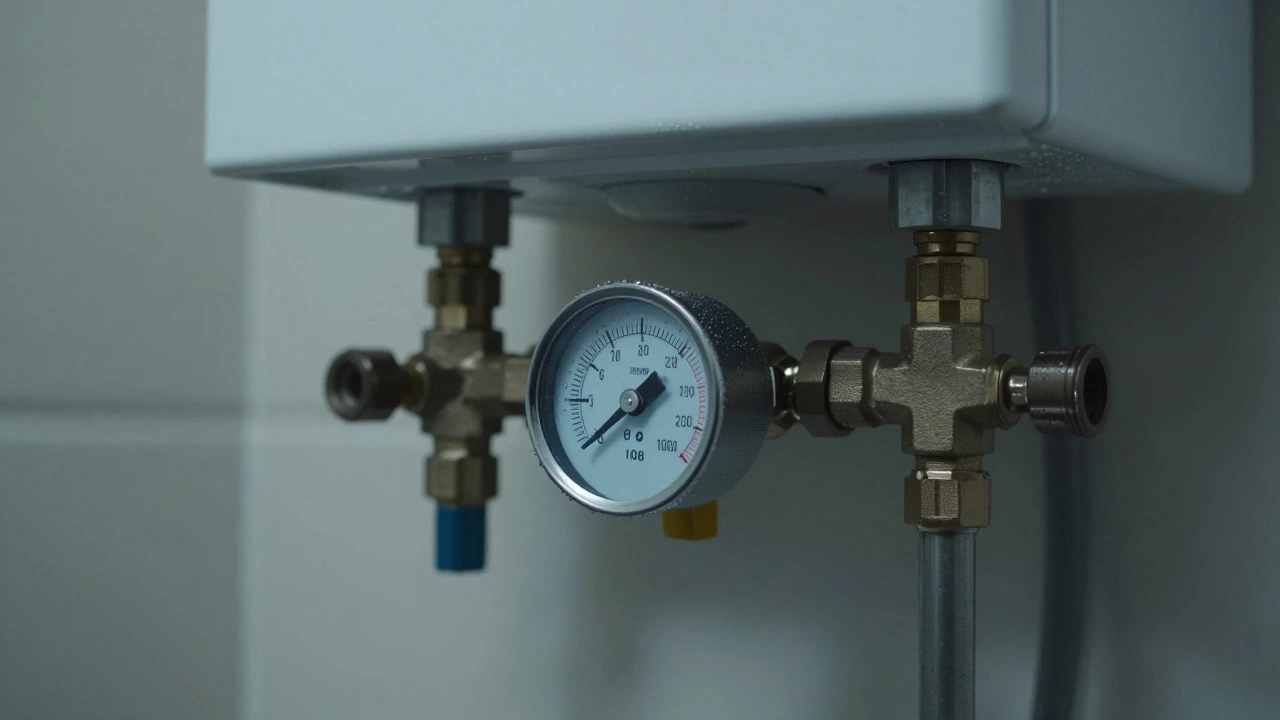
Most modern combi boilers operate between 1.0 and 1.5 bar. If the gauge dips below 1.0 bar, the system may lock out. While topping up the pressure via the fill loop is a temporary fix, constant drops indicate a leak. Common culprits include a failing expansion vessel or a leaking radiator valve. In hard water areas like parts of Bristol, limescale buildup can also restrict flow, causing pressure fluctuations.
Frequent Lockouts
If your boiler turns off and shows an error code repeatedly, it’s “locking out” as a safety measure. This often happens when the flame sensor fails to detect ignition. Cleaning the sensor is a quick fix, but if it happens weekly, the sensor or ignition module likely needs replacing. Frequent lockouts strain the components, shortening the boiler's lifespan.
Noisy Operation
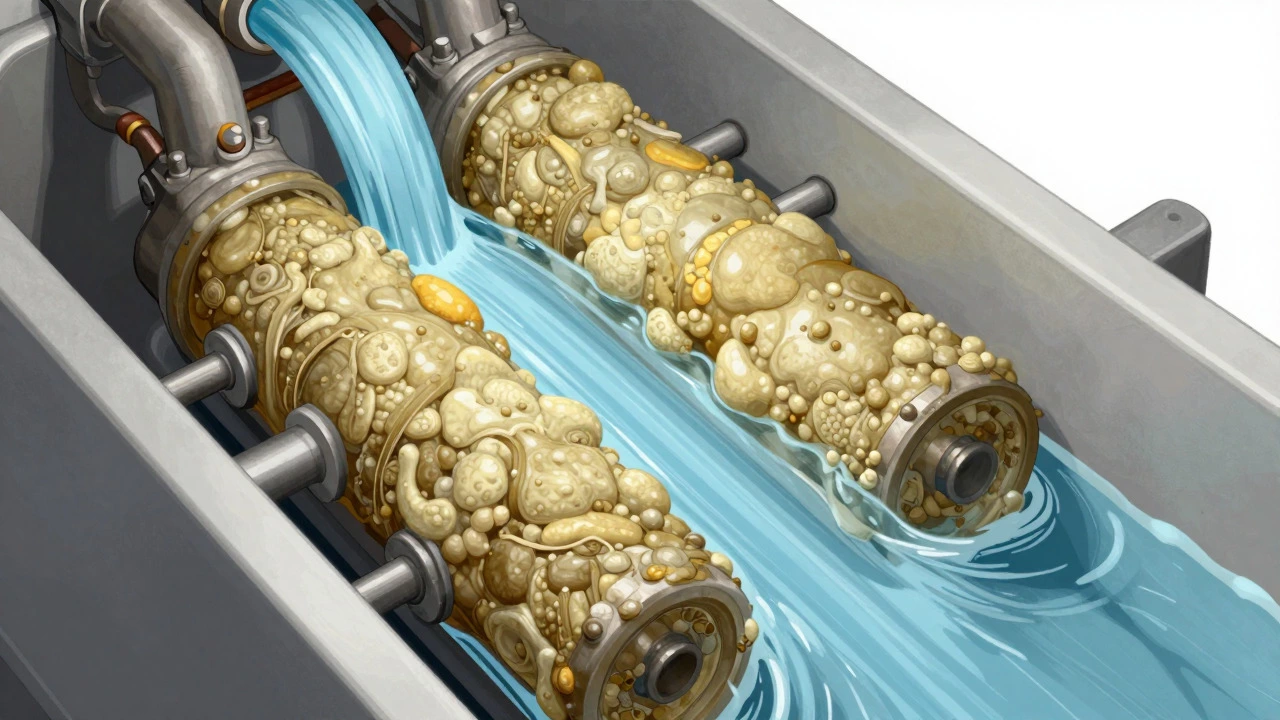
A healthy boiler runs quietly. Gurgling sounds usually mean air trapped in the system, which you can bleed from radiators. But banging or kettling noises suggest limescale buildup on the heat exchanger. Scale acts as an insulator, forcing the boiler to work harder and run hotter, which accelerates corrosion. This is particularly common in areas with water hardness above 200 ppm.
When Is Repair Not Worth It?
This is the most common question homeowners face. The general rule of thumb: if the repair cost exceeds 50% of the price of a new boiler, replace it. But age matters too. Boilers typically last 10-15 years. If your unit is 12 years old and needs a £600 heat exchanger, a new condensing boiler installed for £2,500 might save you money in energy bills over the next decade.
| Boiler Age | Repair Cost | Recommendation | Reasoning |
|---|---|---|---|
| Under 5 years | Any amount | Repair | Still under warranty; high remaining lifespan. |
| 5-8 years | Less than £500 | Repair | Worthwhile if efficiency is still good. |
| 5-8 years | More than £500 | Consider Replacement | New units offer better efficiency (90%+). |
| Over 8 years | More than £300 | Replace | Older tech is less efficient; parts are scarce. |
Common Causes of Boiler Failure by Region
Where you live affects how your boiler behaves. In southern England, including Bristol, water hardness is a primary enemy. Limescale builds up inside pipes and the heat exchanger, reducing efficiency by up to 10%. This forces the boiler to cycle on and off more frequently, wearing out the pump and fan. In contrast, northern regions with softer water suffer less from scale but may experience more corrosion due to different mineral content. Regardless of location, poor maintenance is the number one cause of premature failure. An annual service cleans out debris, checks pressure, and tests safety valves, catching small issues before they become expensive repairs.

How to Prepare for a Boiler Service
When you book a service, preparation makes the process faster and cheaper. Here is what you should do:
- Clear the Area: Ensure there is at least 60cm of space around the boiler for the engineer to access panels.
- Check Your Records: Have your warranty details and previous service reports ready.
- Note Symptoms: Write down exactly what’s wrong. Does it make noise? At what time of day? What error codes appear? Specifics help the engineer bring the right parts.
- Ask Questions: Ask about your boiler’s condition score. Most engineers provide a 1-10 rating. Below 6 means significant wear is present.
Frequently Asked Questions
How often should I service my boiler?
Once a year is the standard recommendation. This ensures safety compliance and maintains warranty validity. If your boiler is older than 10 years, consider servicing it twice a year to catch early signs of failure.
What does it mean if my boiler pressure is low?
Low pressure usually indicates a leak in the system. While you can top it up temporarily, repeated drops mean you need to find the source. It could be a radiator, a pipe joint, or the internal expansion vessel. Ignoring it can lead to pump damage.
Is it worth repairing a 15-year-old boiler?
Generally, no. Unless the repair is very cheap (under £200) and the boiler is running efficiently, replacement is usually better. Modern boilers are significantly more energy-efficient, which offsets the installation cost through lower energy bills within 3-5 years.
What are the signs of a failing heat exchanger?
A failing heat exchanger often causes leaks, loss of pressure, or a drop in hot water temperature. It may also cause the boiler to lock out frequently. Since the heat exchanger is the core component, its failure often necessitates a full boiler replacement.
Does hard water affect boiler life?
Yes. Hard water causes limescale buildup, which insulates the heat exchanger and reduces efficiency. Installing a magnetic water treatment device or using a softener can extend the life of your boiler and reduce scale-related repairs.