
- 11 Jan 2026
- Gideon Thornton
- 0
Cold Shower Safety Risk Calculator
This tool helps determine if taking a cold shower with a broken boiler is safe for you based on your circumstances. Cold showers can be dangerous, especially in winter conditions.
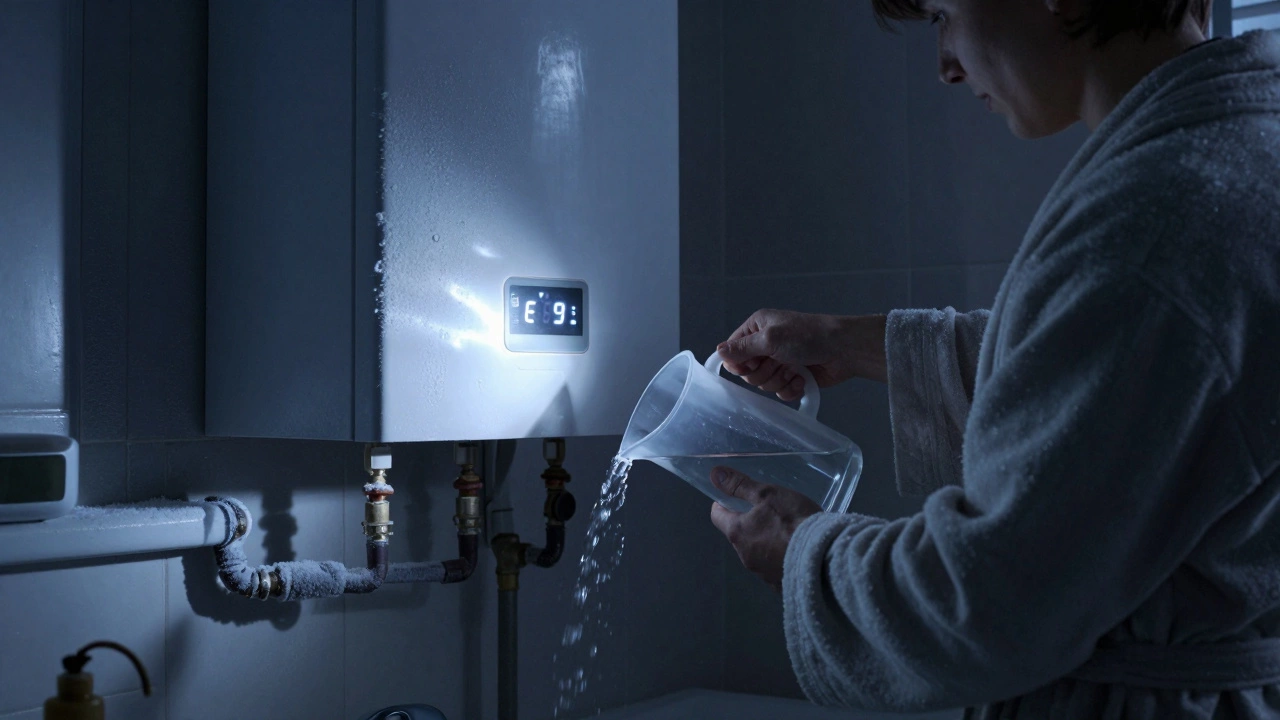
If your boiler suddenly stops working, the first thing you might wonder is: can you shower with a broken boiler? The short answer is yes - but only if you’re okay with a cold shower. Without a functioning boiler, your hot water supply is gone. In the UK, where cold showers aren’t exactly a luxury, this isn’t just uncomfortable - it can be a real problem, especially in winter.
Why Your Boiler Controls Your Hot Water
Most homes in the UK use a combi boiler, which heats water on demand. When you turn on the tap or shower, cold water flows through the boiler, gets heated instantly, and comes out hot. No tank. No waiting. Just hot water when you need it. But if the boiler breaks - whether it’s a faulty thermostat, a blocked pump, a pressure issue, or a complete electrical failure - that chain breaks too. No boiler, no hot water. Not even a trickle.Some older systems use a separate hot water tank, heated by the boiler. If that boiler dies, the tank might still have warm water for a few hours - but once it cools down, you’re out of luck. Either way, the boiler is the heart of your hot water system. And when it stops, your shower stops with it.
What Happens If You Try to Shower Anyway?
You can physically turn on the shower. The water will flow. But it’ll be ice-cold. In January in Bristol, that’s not just unpleasant - it’s risky. Cold showers can trigger muscle spasms, raise blood pressure, and even cause dizziness. If you’re elderly, have a heart condition, or are recovering from illness, a sudden blast of cold water can be dangerous.There’s also the risk of scalding - if the boiler is partially working, you might get bursts of hot water mixed with cold. That’s a recipe for burns, especially for kids or older adults with slower reflexes. A broken boiler doesn’t always mean “no heat.” Sometimes it means “unpredictable heat.” That’s worse.
How Long Can You Go Without Hot Water?
Most people can manage one or two days without hot water - if they plan ahead. But beyond that, it gets messy. Washing dishes, doing laundry, cleaning, and personal hygiene all suffer. In a household with kids or multiple adults, the lack of hot water quickly becomes a logistical nightmare.Emergency plumbers in Bristol report a 40% spike in boiler repair calls during cold snaps. January 2025 saw over 12,000 emergency boiler calls in the South West alone. If your boiler fails now, you’re not alone - but you’re also not safe waiting.
Safe Alternatives While You Wait for Repair
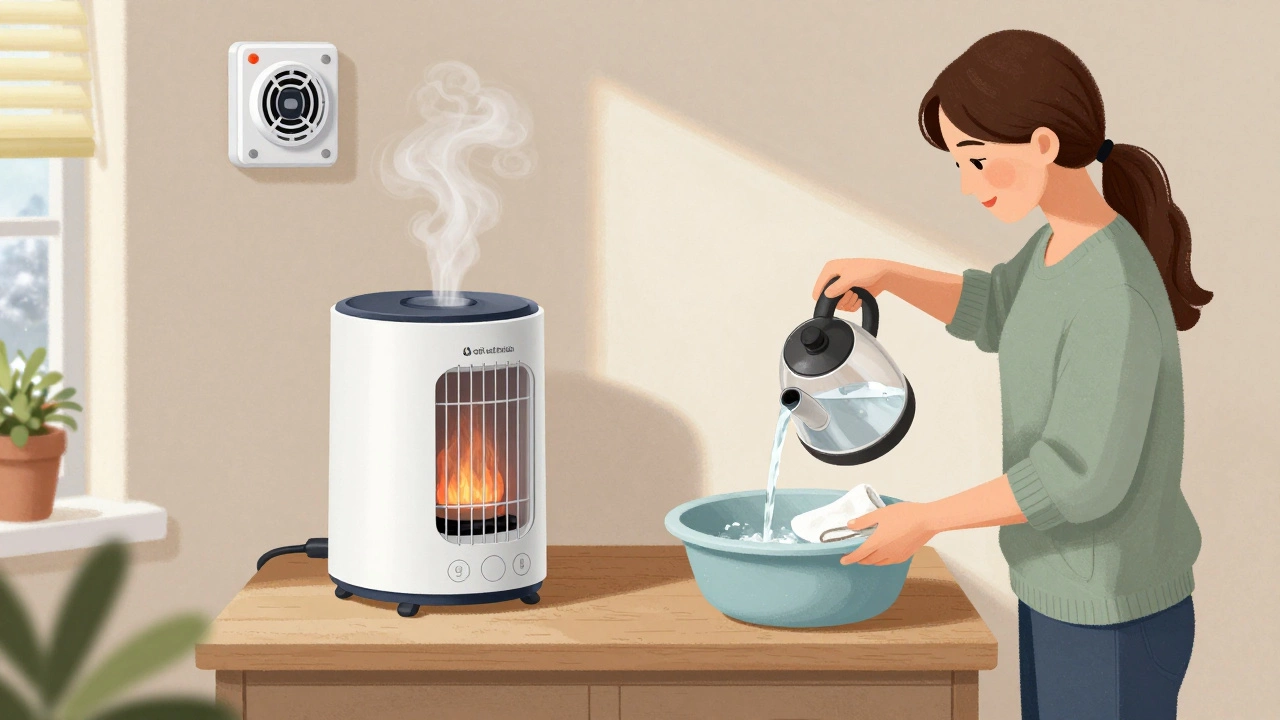
You don’t have to suffer through cold showers. Here are practical, safe alternatives:- Use a kettle and jug - Boil water in a kettle, pour it into a basin, and use a washcloth to sponge bathe. Add warm (not boiling) water to your sink for washing your hair or face. It’s not ideal, but it works.
- Visit a gym or public pool - Many gyms in Bristol offer showers for a small fee. Some community centres allow public access for a nominal charge. Check local listings.
- Use a portable immersion heater - These plug into a standard socket and heat water in a bucket or basin. Make sure it’s a certified model with automatic shut-off. Never leave it unattended. They’re not for full-body showers, but they can give you a few minutes of warm water for cleaning up.
- Ask a friend or family - If you have someone nearby with working hot water, it’s okay to ask. Most people are happy to help.
Never use a gas camping stove or outdoor heater indoors to heat water. That’s how carbon monoxide poisoning starts. And never fill a bathtub with cold water and try to warm it with a hairdryer or electric blanket. That’s a fire and electrocution risk.
When to Call a Gas Safe Registered Engineer
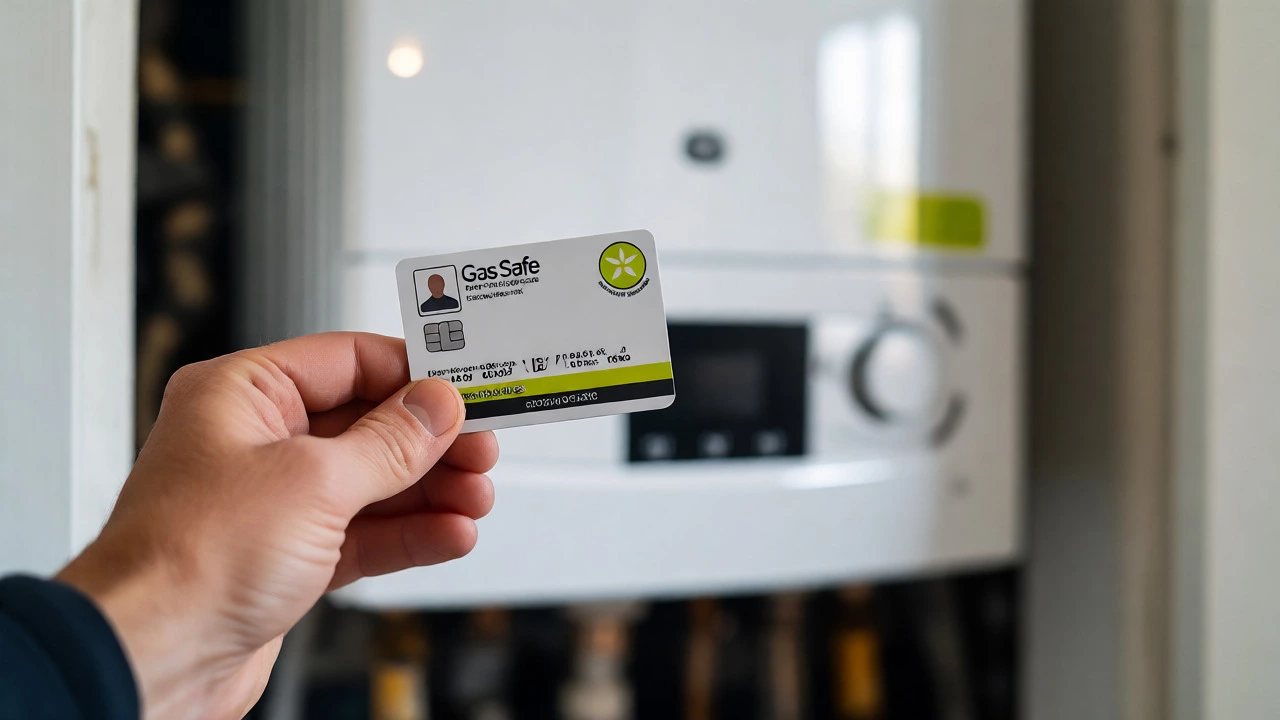
If your boiler is broken, don’t try to fix it yourself. Boilers run on gas, electricity, and high pressure. A mistake can lead to leaks, explosions, or carbon monoxide poisoning. In the UK, only a Gas Safe registered engineer is legally allowed to work on gas boilers.Signs you need an emergency call:
- No hot water AND no central heating
- Strange smells (like rotten eggs - that’s gas)
- Black soot around the boiler or discoloured flames
- Loud banging, gurgling, or hissing noises
- The boiler keeps switching off
If you see any of these, turn off the boiler at the mains and call a Gas Safe engineer immediately. In Bristol, most reputable firms offer 24/7 emergency service. Don’t wait until morning. Cold weather doesn’t pause.
How Long Does a Boiler Repair Take?
It depends. Simple fixes - like resetting pressure or replacing a thermostat - can take under an hour. More serious issues - like a cracked heat exchanger or a failed pump - might need a replacement part that takes 1-3 days to arrive. In those cases, you’ll need to plan for several days without hot water.Some engineers will bring a temporary electric water heater to your home while they work. It’s not common, but it’s worth asking. A few companies in Bristol now offer this as part of their emergency service. It’s not free, but it’s better than freezing.
What If Your Boiler Can’t Be Repaired?
If your boiler is over 10-15 years old, or if the repair cost is more than half the price of a new one, replacement is often the smarter move. New A-rated combi boilers are 30% more efficient than models from 10 years ago. You’ll save money on bills, and you’ll get reliable hot water again.Government grants like the Boiler Upgrade Scheme still run in 2026. If you qualify, you can get up to £7,500 off a heat pump installation. Even if you don’t qualify for a grant, many boiler installers offer 0% finance deals. Paying £2,000 over 12 months is easier than paying £50 a month in emergency call-out fees.
Preventing This From Happening Again
Boiler failures don’t come out of nowhere. Most are caused by neglect:- Not having your boiler serviced annually
- Ignoring low pressure warnings
- Letting sludge build up in the system
- Using non-compatible water softeners
Get a service every year. It costs £60-£100, but it can save you £1,000 in emergency repairs. Keep a log of pressure readings. If the pressure drops below 1 bar, top it up - or call someone. Don’t wait until it hits zero.
Install a carbon monoxide alarm near your boiler. It’s not just a good idea - it’s required by law in rented properties, and it’s a lifesaver in any home. A simple £25 alarm could save your life.
Final Thoughts
Can you shower with a broken boiler? Technically, yes - but you shouldn’t. Cold showers are risky, and waiting too long to fix the boiler only makes things worse. Use safe alternatives. Call a professional. Don’t gamble with gas. And don’t forget: fixing your boiler now isn’t just about comfort - it’s about safety, health, and saving money in the long run.Can I still use the shower if my boiler is broken?
You can turn on the shower, but the water will be cold. Most boilers in the UK heat water on demand, so if the boiler is broken, there’s no hot water. Using cold water in winter can be dangerous, especially for children, elderly people, or those with health conditions.
How long can I go without hot water after my boiler breaks?
Most households can manage 1-2 days with alternatives like sponge baths or kettle-heated water. Beyond that, hygiene and daily routines become difficult. If your boiler fails during winter, don’t wait - call a Gas Safe engineer within 24 hours.
Is it safe to use a portable water heater while my boiler is broken?
Yes, if you use a certified, plug-in immersion heater designed for home use. Make sure it has an automatic shut-off and never leave it unattended. Never use gas-powered heaters indoors or try to heat water with a hairdryer - those are fire and electrocution hazards.
Should I try to fix my boiler myself?
No. Boilers involve gas, high pressure, and electricity. Only a Gas Safe registered engineer is legally allowed to work on them in the UK. DIY attempts can cause leaks, carbon monoxide poisoning, or explosions. Always call a professional.
When should I replace my boiler instead of repairing it?
Replace your boiler if it’s over 10-15 years old, if repair costs exceed half the price of a new one, or if it keeps breaking down. New A-rated boilers are 30% more efficient and can save you hundreds on bills each year. Government grants may cover part of the cost.