- 22 Oct 2026
- Gideon Thornton
- 0
Hot Water Troubleshooter
Select the symptoms you are experiencing to identify potential causes and estimated repair costs.
You step into the shower, expecting warmth after a long day, but get hit with an icy blast instead. It’s frustrating, uncomfortable, and honestly, a bit of a panic moment. Hot water running cold is one of the most common plumbing complaints, yet it rarely means you need to replace your entire system immediately. In fact, in my experience fixing units across Bristol, about 80% of these cases are minor fixes you can spot yourself before calling a pro.
The issue usually boils down to three main culprits: a problem with the heat source, a blockage in the flow, or a control failure. Whether you have a traditional tank-style water heater, a modern combi boiler, or an electric immersion unit, the logic remains similar. Let’s walk through exactly what’s happening inside your pipes and how to diagnose it without turning your bathroom into a swamp.
Check Your Power and Thermostat Settings First
Before you grab a wrench, check the obvious stuff. It sounds too simple to be true, but it happens constantly. If you have an electric water heater, go to your consumer unit (fuse box). Has a breaker tripped? A faulty heating element can cause a short circuit that trips the breaker, cutting power completely. Reset it once; if it trips again immediately, you’ve got a dead element or wiring fault.
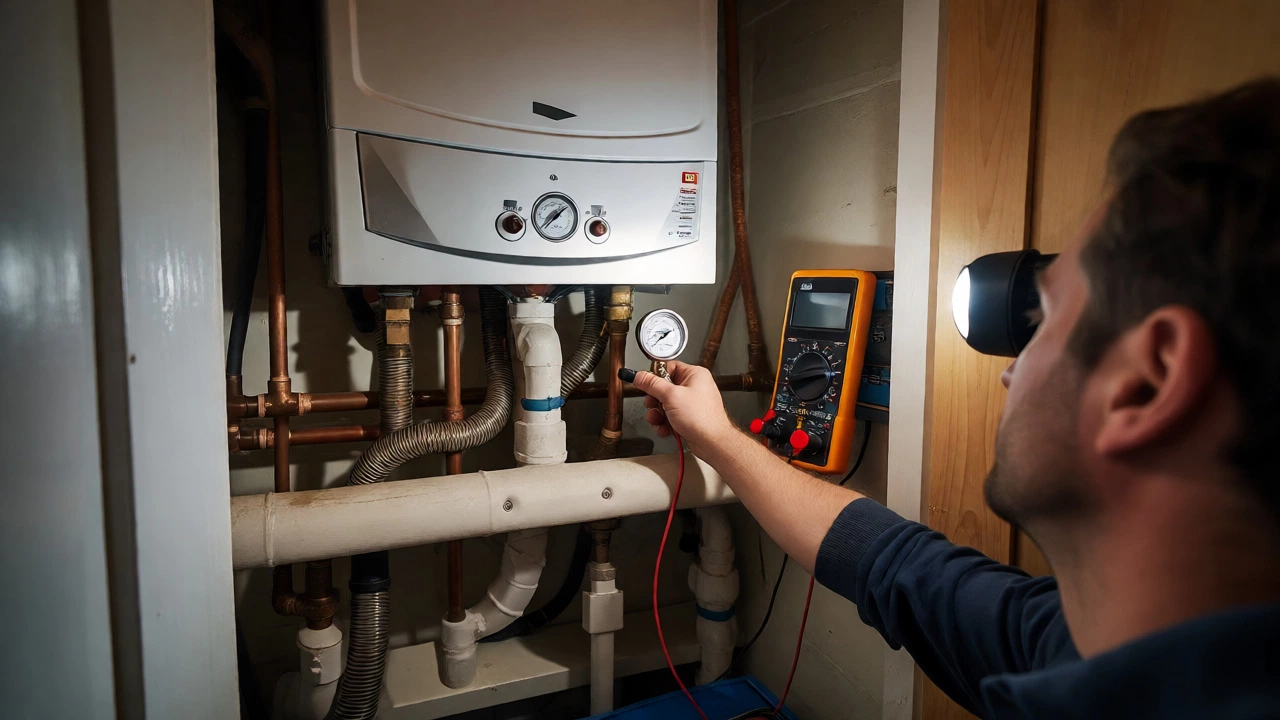
For gas boilers, check the pressure gauge. Most residential gas boilers operate between 1.0 and 1.5 bar when cold. If the needle is near zero, the boiler won’t ignite for hot water demand because it thinks there isn’t enough water to circulate safely. You might need to top up the pressure using the filling loop. If the pressure is fine, look at the thermostat dial on the unit itself. Did someone accidentally turn it down? Or perhaps the digital display shows an error code? Note that code down-it’s the fastest way to narrow down the issue.
The Dip Tube Might Be Broken
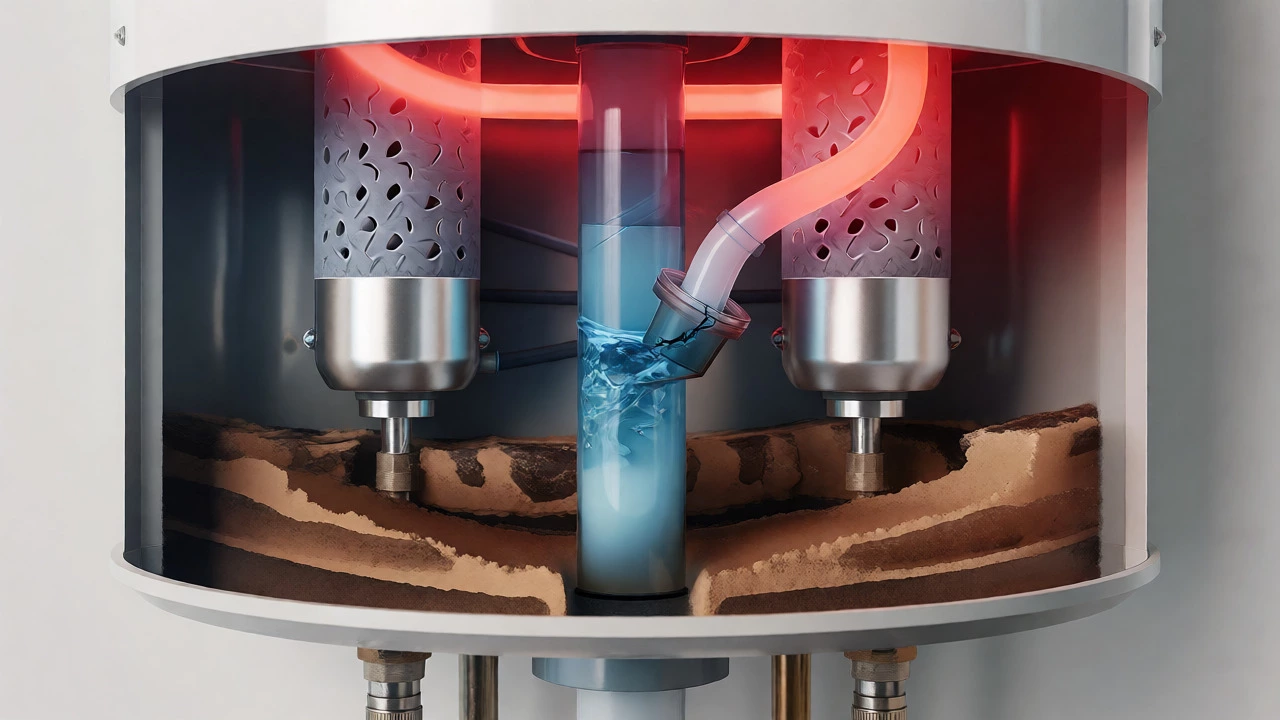
This is a sneaky one, especially in older tank heaters. Inside your storage tank, there’s a plastic pipe called a dip tube. Its job is to send incoming cold water to the bottom of the tank so it doesn’t mix with the hot water at the top. Over time, this plastic gets brittle from heat exposure and cracks.
When it breaks, cold water shoots straight out the hot tap outlet. The result? Lukewarm or cold water coming out of your taps, even though the tank is full of hot water. How do you know? If the water starts hot but quickly turns cold, or if it’s never quite hot enough despite the tank being set correctly, suspect the dip tube. Replacing it requires draining the tank and removing the inlet valve, which is a moderate DIY job if you’re handy with plumbing fittings.
Sediment Buildup Is Insulating Your Heating Elements
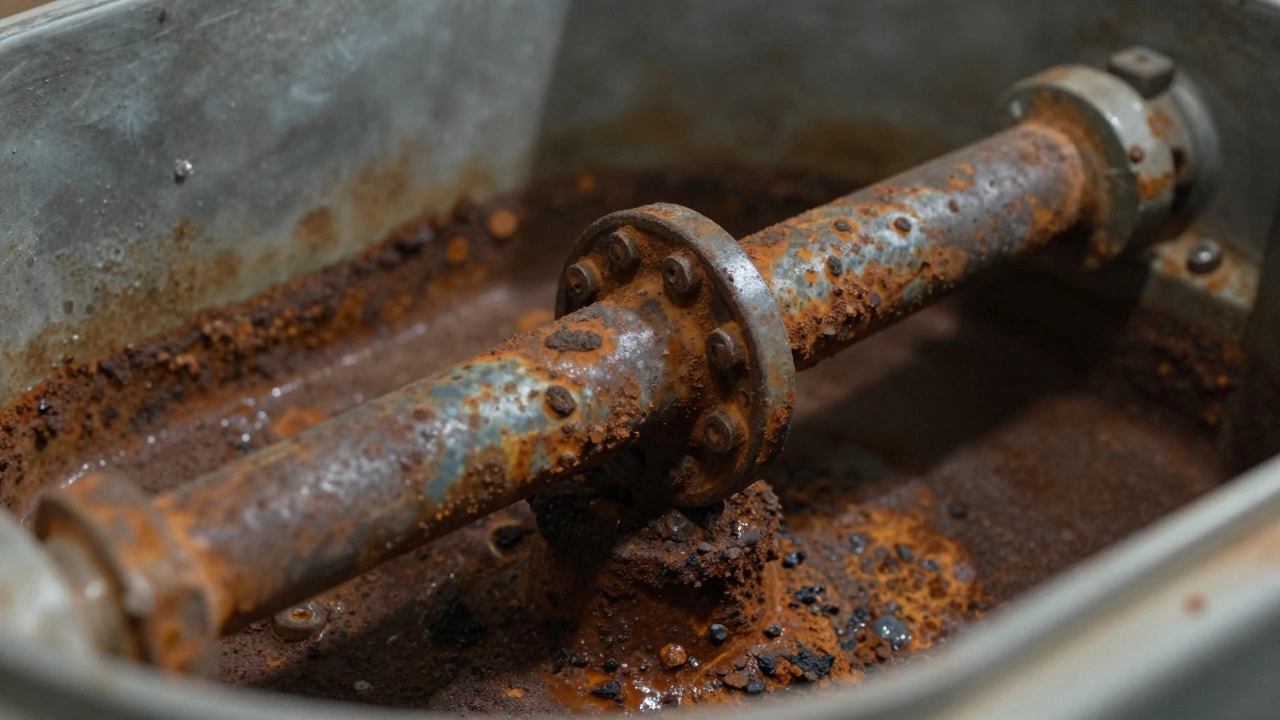
If you live in a hard water area-like much of the UK-you likely deal with limescale. Minerals like calcium and magnesium settle at the bottom of the tank over years. This sediment layer acts as an insulator. For electric heaters, the lower heating element sits right in this mud. Instead of heating the water, it heats the sludge. Eventually, the element burns out or simply fails to transfer heat efficiently.
With gas burners, sediment sits under the burner assembly, making it harder for flames to heat the tank walls. Symptoms include popping or cracking noises during heating cycles and reduced hot water capacity. You might think you have a smaller tank than you actually do. Flushing the tank annually can prevent this, but if it’s been years, you might need a professional descaling service. Don’t ignore the noise; it’s your tank crying for help.
Faulty Heating Elements or Burners
Electric water heaters typically have two elements: an upper and a lower. If the upper element fails, you’ll still get some hot water, but only until the water level drops below that element. Then, the lower element takes over, but recovery times slow down significantly. If both fail, you get cold water only. Testing them requires a multimeter to check for continuity. No continuity means the element is dead and needs replacement.
Gas systems rely on thermocouples and flame sensors. If the pilot light goes out frequently, or the main burner ignites but shuts off after a few seconds, the thermocouple might be dirty or broken. This safety device ensures gas doesn’t leak if the flame dies. Cleaning it with emery cloth often fixes the issue. If not, replacement is cheap and quick, but always ensure the gas supply is isolated first.
Mixing Valve Issues Can Trick You
Sometimes the water is hot, but it feels cold at the tap. This points to a mixing valve problem. These valves blend hot and cold water to prevent scalding. If the valve gets stuck in the "cold" position or has failed internally, it won’t let enough hot water through, no matter how hot your tank is.
To test this, bypass the mixing valve if possible, or check other fixtures. If the kitchen sink gets hot water but the bathroom shower doesn’t, the issue is localized to that specific fixture’s valve or cartridge. If every tap in the house runs cold, the central mixing valve (often found on combi boilers) is likely at fault. These parts wear out and may need replacing by a qualified plumber.
High Demand Exceeds Recovery Rate
Do you have a large family or guests staying over? You might just be using more hot water than your system can produce. A standard 40-gallon tank provides limited hot water before it runs out. Once depleted, you wait for the recovery period-time it takes to heat new cold water entering the tank.
If you notice cold water only after multiple showers or heavy appliance use (like running the dishwasher while someone showers), your heater might be undersized for your household. Upgrading to a larger tank or switching to a tankless water heater solves this permanently. Tankless units provide unlimited hot water on demand, provided the flow rate matches your usage patterns.
| Cause | Symptoms | DIY Fixability | Estimated Cost (UK) |
|---|---|---|---|
| Tripped Breaker | No power to unit, no lights | Easy | £0 |
| Low Boiler Pressure | Error code F22/F28, no ignition | Medium | £0-£50 |
| Broken Dip Tube | Lukewarm water, fast cooling | Hard | £50-£150 |
| Failed Element | Partial hot water, high energy bill | Medium | £100-£250 |
| Sediment Buildup | Popping noises, low volume | Medium | £80-£200 |
| Faulty Thermocouple | Pilot light won't stay lit | Hard (Gas) | £100-£200 |
When to Call a Professional
Some jobs are worth doing yourself, like flushing a tank or resetting a breaker. Others involve gas lines, electrical components under load, or complex valve assemblies where mistakes can lead to leaks or carbon monoxide risks. If you smell gas, hear loud banging (kettling), or see water pooling around the base of the heater, stop using it and call a Gas Safe registered engineer or a certified plumber immediately.
Remember, regular maintenance prevents most of these issues. An annual service keeps elements clean, checks safety valves, and ensures your system runs efficiently. It’s far cheaper than emergency repairs in the middle of winter.
How long should it take for hot water to come back?
Recovery time depends on the tank size and fuel type. Electric tanks typically take 30-60 minutes to reheat fully. Gas heaters are faster, usually recovering in 20-30 minutes. If it takes longer than this, your heating elements or burner may be failing.
Can I fix a leaking water heater myself?
If the leak comes from a loose connection or a faulty drain valve, yes. However, if the tank itself is leaking from corrosion, you cannot patch it effectively. The tank must be replaced. Check the temperature and pressure relief valve first, as it often drips when testing.
Why does my hot water run cold then hot?
This fluctuation often indicates a failing mixing valve or a partially blocked aerator. In combi boilers, it can also signal low flow rates triggering the boiler to cycle on and off. Clean your shower heads and check boiler pressure levels.
Is it dangerous to keep using a water heater with no hot water?
Generally, no immediate danger exists unless there is a gas leak or electrical fault. However, prolonged lack of hot water can lead to hygiene issues and increased electricity costs if the system tries to compensate inefficiently. Address it promptly to avoid further damage.
How often should I flush my water heater?
Flush your tank once a year to remove sediment buildup. In areas with very hard water, consider flushing twice a year. This simple task extends the life of your heating elements and improves efficiency.