- 20 Jul 2026
- Gideon Thornton
- 0
Water Heater Health Check Tool
Answer the questions below to get a personalized assessment of your water heater's health and recommended actions.
Check for These Symptoms:
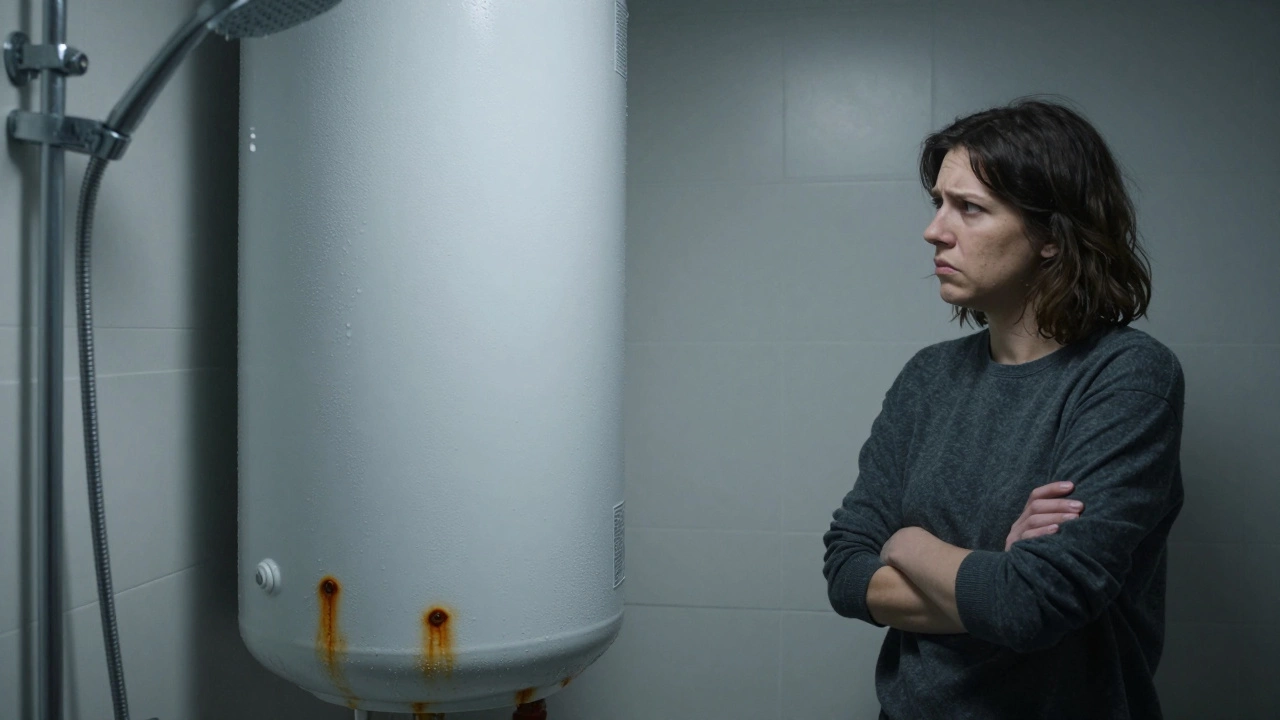
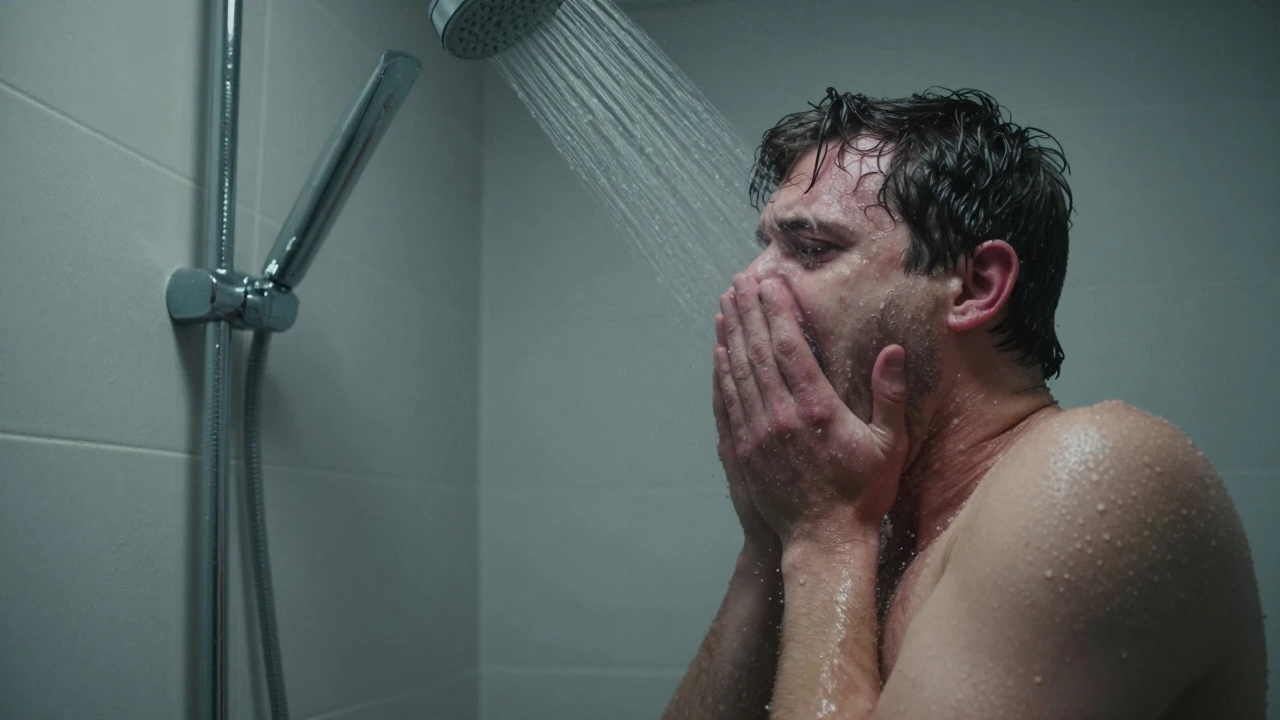
You turn on the shower, expecting a warm rinse after a long day. Instead, you get a blast of ice-cold water that makes you jump. Or maybe the water comes out brown and smells like rotten eggs. These aren't just minor inconveniences; they are loud signals from your plumbing system. Your water heater is a household appliance designed to heat and store water for domestic use is likely nearing the end of its life.
Ignoring these warning signs can lead to catastrophic failures. A ruptured tank doesn't just stop providing hot water; it floods your home with hundreds of gallons of stagnant water. Catching the trouble early saves you from expensive emergency repairs and potential structural damage. Here is how to spot the trouble before it becomes a disaster.
The Temperature Tells a Story
Inconsistent water temperature is often the first red flag. If your hot water runs out faster than usual or takes forever to heat up again, your unit is struggling. This usually points to two main culprits: sediment buildup or a failing heating element.
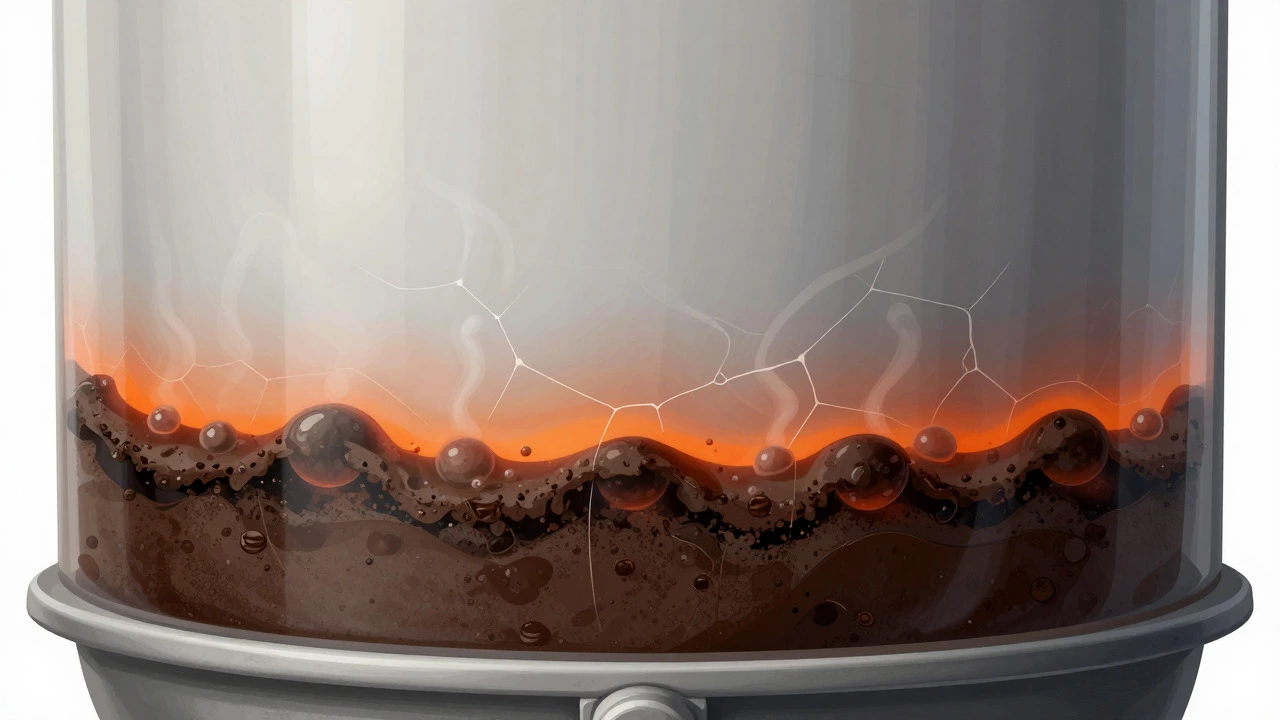
Over time, minerals in your water settle at the bottom of the tank. This layer of sediment acts as an insulator between the burner (or electric element) and the water. The heater has to work harder and longer to push heat through that sludge. You might notice the water feels lukewarm even when the thermostat is set high. In gas models, this can cause the tank to overheat locally, leading to cracking. In electric models, the elements may burn out prematurely because they are submerged in mineral crust rather than clean water.
If you have a tankless water heater is an on-demand water heating system that heats water only when needed, look for different symptoms. Tankless units don't store water, so sediment clogs the internal heat exchanger instead. You’ll see reduced flow rates or error codes flashing on the display panel. Unlike storage tanks, tankless systems rarely fail suddenly; they degrade gradually as scale builds up inside the narrow pipes.
Strange Noises Are Never Good
A quiet water heater is a happy water heater. If yours starts popping, banging, or rumbling, pay attention. Those sounds are caused by trapped steam bubbles escaping through layers of sediment. As the water below the sediment layer boils, it creates steam. That steam tries to rise but gets blocked by the hard crust of minerals. When it finally breaks through, it causes a small explosion-like pop.
This noise isn't just annoying; it’s destructive. The repeated pressure waves stress the glass lining inside the steel tank. Eventually, micro-cracks form. Once those cracks connect, water leaks out. You might hear hissing sounds too, which indicates a leak near the top of the tank where the valves are located. Hissing from the pressure relief valve means the internal pressure is dangerously high, often due to a malfunctioning thermostat or a blocked vent.
Rust and Leaks: The Final Countdown
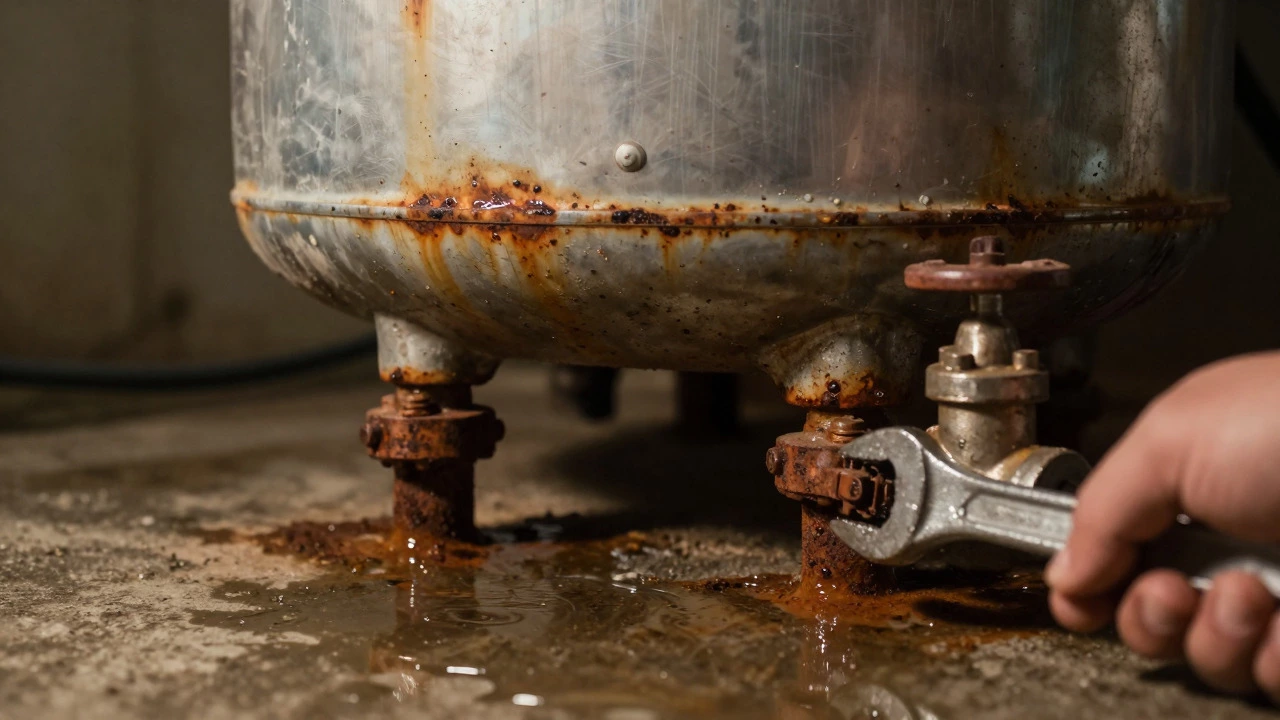
Check the base of your unit regularly. Puddles around the water heater are never normal. Condensation is common in humid climates, but standing water suggests a breach in the tank itself. If you see rust-colored water coming from your faucets, the internal anode rod has likely failed. The anode rod sacrifices itself to protect the steel tank from corrosion. Once it’s gone, the tank starts eating itself from the inside out.
Look for wet spots on the ceiling below the heater if it’s installed in an attic or upstairs bathroom. Even a slow drip can rot drywall and support beams over months. If you see moisture on the sides of the tank, especially near the seams, replace the unit immediately. Steel tanks do not weld back together once they crack. Patch kits are temporary fixes that buy you days, not years.
| Symptom | Likely Cause | Urgency Level | Action Required |
|---|---|---|---|
| Popping/Banging noises | Sediment buildup | Medium | Flush tank or replace if older than 10 years |
| Rusty water | Corroded anode rod/tank | High | Replace anode rod or entire unit |
| Cold water suddenly | Failed heating element or thermocouple | High | Professional diagnosis needed |
| Water pooling at base | Tank rupture or loose connections | Critical | Shut off power/water, call plumber |
| Rotten egg smell | Bacterial growth | Low-Medium | Sanitize tank or replace magnesium anode |
The Smell Test: Sulfur and Rotten Eggs
If your hot water smells like sulfur or rotten eggs, bacteria are thriving in your tank. Specifically, sulfate-reducing bacteria react with the magnesium or aluminum anode rod to produce hydrogen sulfide gas. While not immediately dangerous, this smell indicates the anode rod is depleted. Without that protective rod, corrosion accelerates rapidly.
In some cases, the smell comes from the dip tube degrading. Old plastic dip tubes can break down and release odors into the water supply. If flushing the tank doesn’t remove the smell, you need a new anode rod-preferably one made of zinc or aluminum alloy, which resists bacterial reaction better than standard magnesium.
Age Matters More Than You Think
Most conventional tank water heaters last between eight and twelve years. Tankless models can go fifteen to twenty years with proper maintenance. If your unit is approaching or past this window, start planning for replacement. Don’t wait for a failure. An old unit operating beyond its lifespan is a ticking time bomb. Efficiency drops significantly too. A ten-year-old heater uses about 30% more energy than a modern Energy Star-rated model. That extra cost adds up quickly on your utility bills.
Check the serial number plate on the side of the tank. Manufacturers encode the manufacture date there. If you can’t read it, assume it’s old. If you bought the house five years ago and the heater was already there, it’s probably twelve years old. Start saving now.
When to Call a Professional vs. DIY Fixes
Some issues are easy to fix yourself. Flushing the tank removes sediment and extends life. Replacing a faulty thermostat or heating element is manageable for handy homeowners with basic electrical skills. But if you see rust on the tank exterior, hear loud banging despite flushing, or notice persistent leaks, call a licensed plumber.
Gas water heaters require special caution. If the pilot light won’t stay lit, check the thermocouple first. It’s a cheap part that senses flame presence. If cleaning or replacing it doesn’t help, the gas valve or burner assembly might be failing. Gas leaks are deadly. If you smell gas-not just rotten eggs from water, but actual natural gas odorant-evacuate and call the gas company immediately.
Preventive Maintenance Extends Lifespan
Annual maintenance prevents most premature failures. Flush the tank every six to twelve months to remove sediment. Test the pressure relief valve by lifting the lever briefly. Water should spray out freely. If it dribbles or sticks, replace the valve. Inspect the anode rod every three years. If it’s heavily corroded or covered in calcium, swap it out.
For tankless systems, descale annually using vinegar or a commercial descaling solution. Hard water areas need quarterly treatments. Install a whole-house water softener if your hardness exceeds seven grains per gallon. Soft water reduces scale formation by up to 90%, dramatically extending equipment life.
How do I know if my water heater needs to be replaced?
If your water heater is over 10 years old, shows visible rust, leaks from the tank body, produces inconsistent temperatures, or makes loud popping noises, it likely needs replacement. Minor issues like a bad thermostat can be repaired, but tank integrity cannot be restored once compromised.
Is it safe to use a water heater that smells like rotten eggs?
Yes, the smell itself is harmless but indicates bacterial activity and a failing anode rod. The real risk is accelerated tank corrosion. Replace the anode rod promptly to prevent leaks. If the smell persists after replacement, sanitize the tank with chlorine bleach.
Can I flush my own water heater?
Absolutely. Turn off power/gas, connect a garden hose to the drain valve, open the valve, and let water flow until clear. Wear safety glasses and gloves as the water may be hot and contain debris. Do this annually to extend tank life.
Why does my hot water run out so fast?
Sediment buildup reduces effective tank capacity. A 50-gallon tank with 10 inches of sediment holds far less usable hot water. Flushing helps temporarily, but if the unit is old, replacement is more cost-effective than repeated flushes.
What’s the difference between tank and tankless failure signs?
Tank heaters show leaks, rust, and noise. Tankless units display error codes, reduced flow rate, or failure to ignite. Both suffer from scale buildup, but tankless systems fail more silently until performance drops noticeably.