- 31 May 2026
- Gideon Thornton
- 0
Extractor Fan Health Checker
Select the issues you are currently experiencing with your extractor fan:
Diagnostic Result
Ready to Check
Select symptoms above and click Analyze.
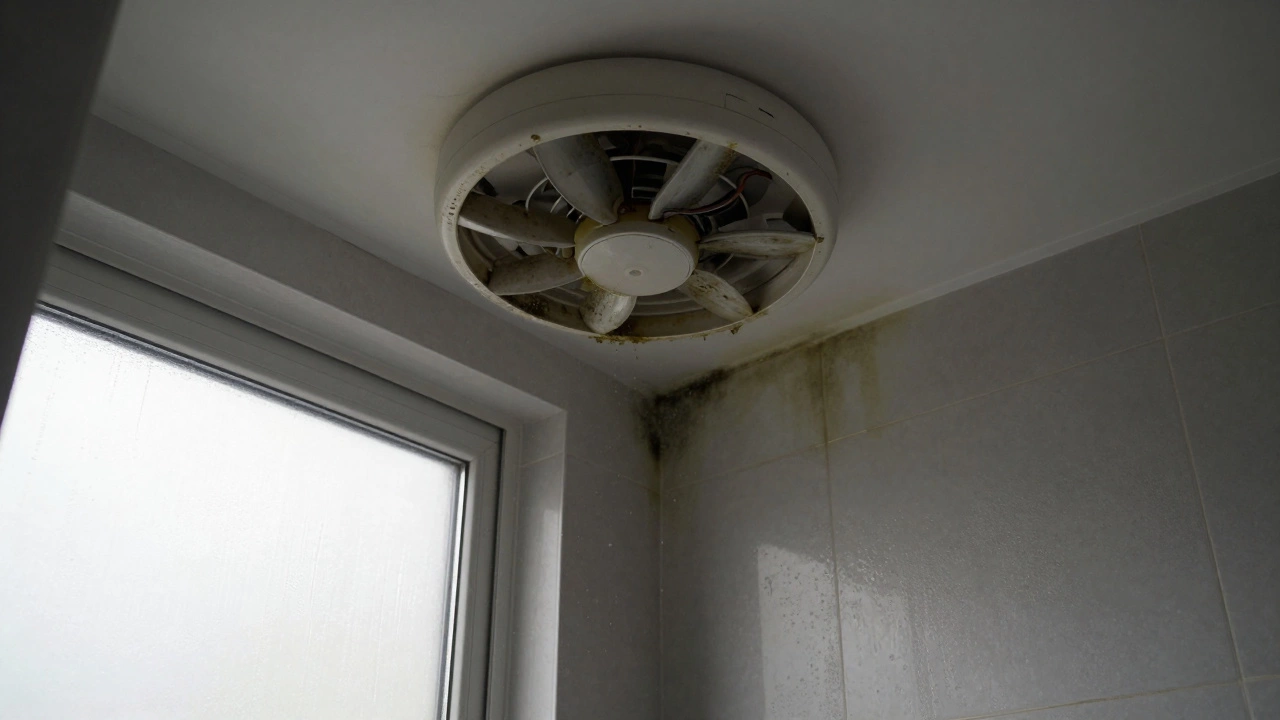
That high-pitched whine coming from your ceiling or the sudden smell of stale air in the kitchen isn't just annoying-it's a signal. You might be wondering if your extractor fan is simply dirty or if it has finally reached the end of its road. The short answer is yes, they absolutely wear out. Unlike lightbulbs that burn out instantly, extractor fans degrade slowly, losing efficiency and increasing noise long before they stop working completely.
In the UK, where damp and condensation are constant battles, a failing extractor fan can lead to serious structural issues like mould growth and rotting timber. Understanding when to clean, when to repair, and when to replace is crucial for keeping your home healthy and your energy bills down. Let’s look at what actually breaks inside these units and how you can spot the trouble early.
The Average Lifespan of an Extractor Fan
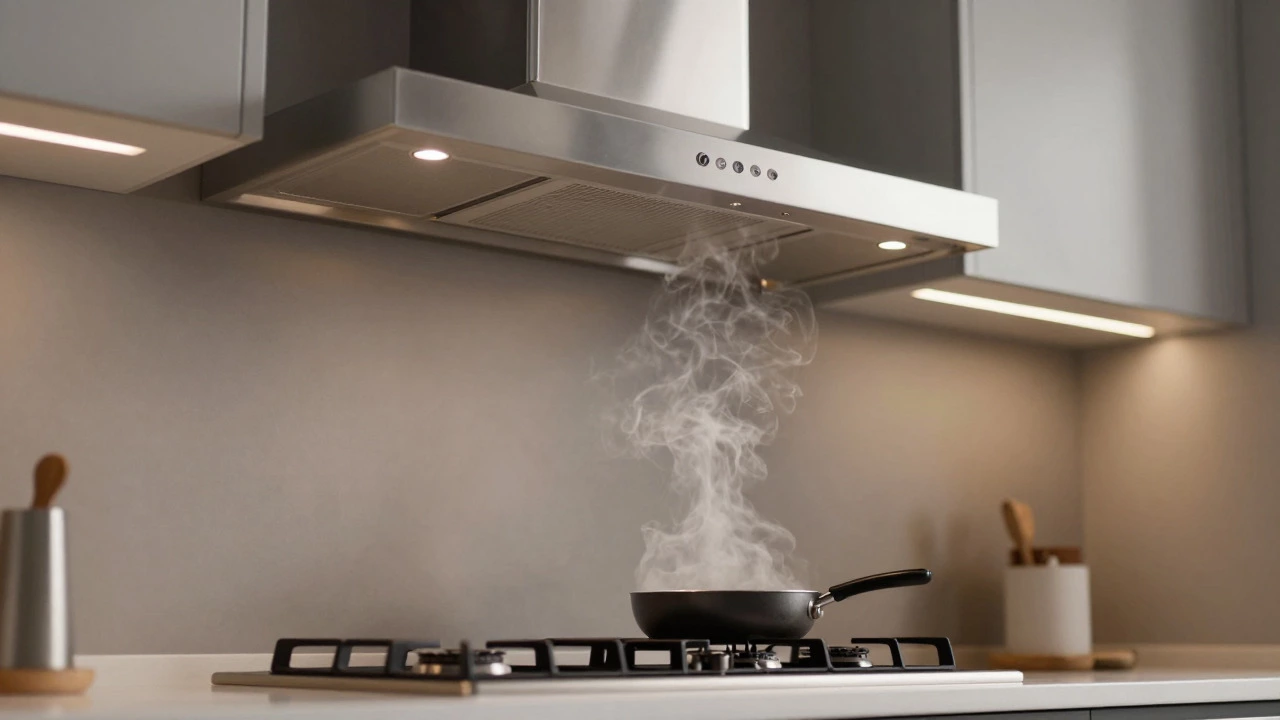
Most standard residential extractor fans are designed to last between 10 to 15 years. However, this number varies wildly depending on usage patterns and installation quality. A bathroom fan that runs for 20 minutes after every shower faces significantly more stress than a kitchen hood used only during heavy cooking sessions.
Cheaper models found in budget DIY stores often use plastic bearings and lower-grade motors. These components tend to fail around the 7-to-8-year mark. Higher-quality units with ball-bearing motors and metal housings can easily push past the 15-year threshold. If your fan is older than 10 years and making noise, don’t expect it to keep going much longer without major intervention.
| Fan Type | Average Lifespan | Common Failure Point |
|---|---|---|
| Bathroom Ceiling Fan | 10-12 Years | Motor Bearings |
| Kitchen Hood (Ducted) | 12-15 Years | Grease Buildup/Motor Overheat |
| Window/Inline Fan | 8-10 Years | Seal Degradation/Vibration |
| Recirculating Hood | 10-14 Years | Carbon Filter Saturation |
Signs Your Extractor Fan Is Wearing Out
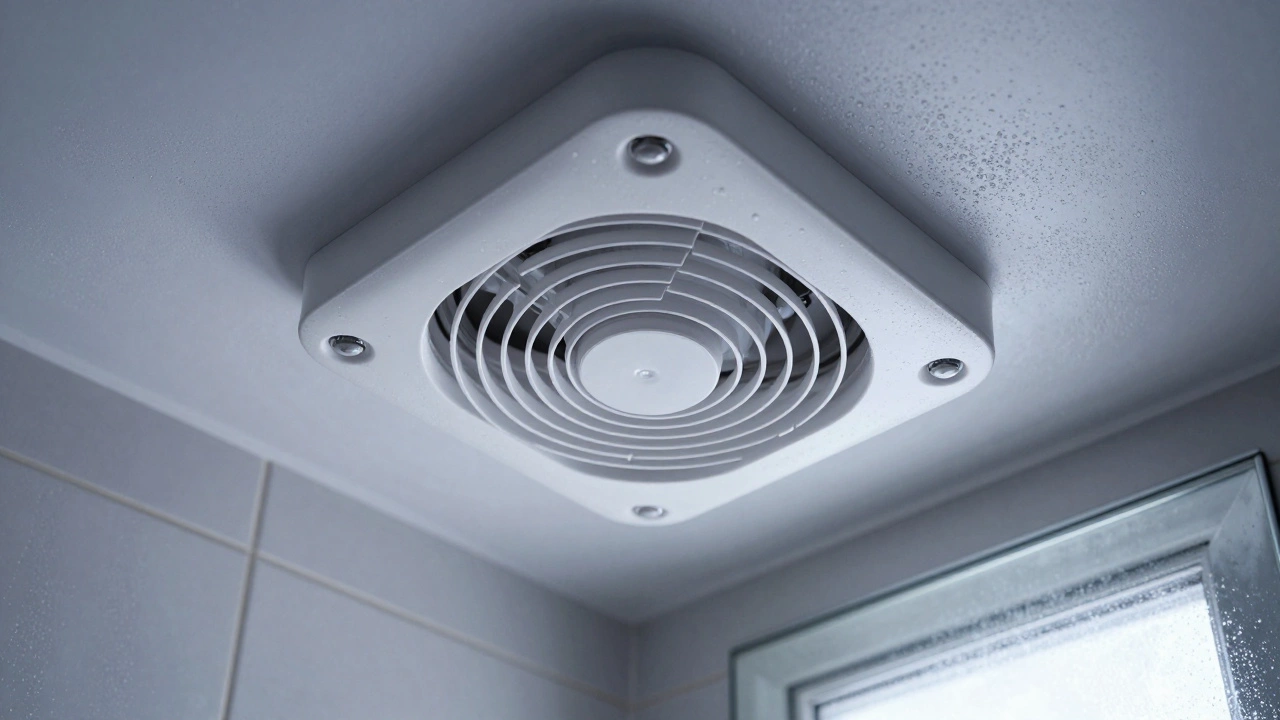
You don’t need to be an engineer to tell when a fan is struggling. There are three primary indicators that your unit is nearing the end of its useful life: noise, airflow reduction, and moisture retention.
Noise changes are usually the first warning sign. A healthy fan hums quietly. As the motor bearings wear down, friction increases. This creates a grinding, rattling, or high-pitched squealing sound. In Bristol, where many homes have older plasterboard ceilings, this vibration can even cause cracks in the plaster if left unchecked. If your fan sounds like a lawnmower starting up, the motor is likely failing.
Reduced suction power is another clear symptom. If you cook onions and the smell lingers for hours, or if your bathroom mirror fogs up immediately after a hot shower despite the fan running, the impeller blades may be warped or clogged with grease and dust. While cleaning helps, significant loss of pressure often indicates motor weakness.
Persistent condensation suggests the fan isn't moving enough air to meet the room's ventilation requirements. According to Part F of the Building Regulations in England and Wales, specific air change rates must be met. If your fan can no longer achieve this, it’s not just inefficient; it’s non-compliant and potentially damaging your property structure.
Internal Components That Fail First
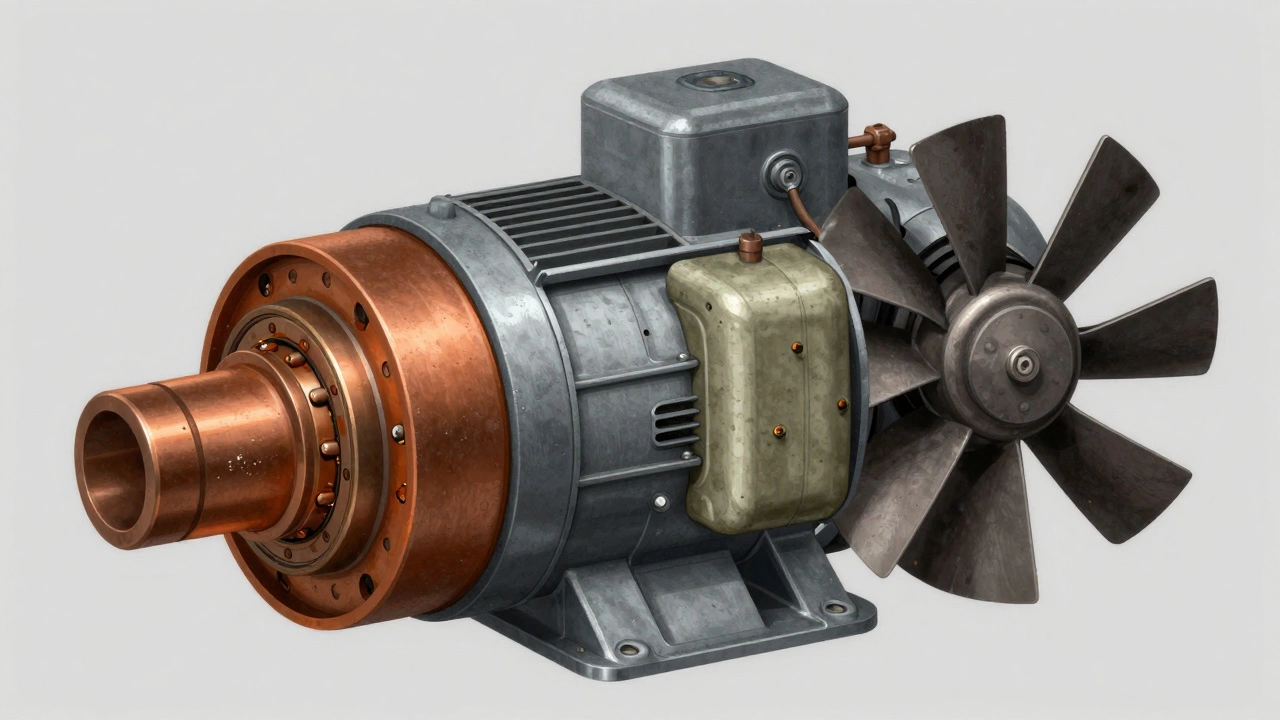
To understand why fans wear out, you have to look inside. The two most vulnerable parts are the motor bearings and the capacitor.
Bearings: Most domestic fans use sleeve bearings made of bronze or plastic. Over time, lubricant dries out, and debris gets trapped. Without proper lubrication, the shaft rubs directly against the bearing surface. This generates heat and eventually seizes the motor. Ball bearings last longer but are heavier and more expensive, so they’re rare in entry-level models.
Capacitors: The capacitor gives the motor the initial kickstart it needs to spin. As capacitors age, their ability to hold charge diminishes. This results in a fan that won’t start unless you manually nudge the blade, or one that spins very slowly. Replacing a capacitor is cheap and easy, but if the motor itself is weak, a new capacitor won’t save it.
Impeller Blades: In kitchen hoods, grease acts like glue. It builds up on the spinning blades, unbalancing them. An unbalanced impeller causes excessive vibration, which accelerates wear on the motor mounts and bearings. Regular cleaning of filters and blades can extend life by several years, but once the metal warps from heat and imbalance, it cannot be fixed.
Repair vs. Replace: Making the Right Choice
When you hear that grinding noise, the instinct might be to call a repair technician. But here’s the reality check: labor costs in the UK for appliance repair often exceed £80-£120 plus parts. A decent new extractor fan costs between £40 and £150.
If your fan is less than 5 years old, repairing the capacitor or replacing the motor might make sense. These are relatively simple swaps if you’re handy with a screwdriver. However, if the unit is over 10 years old, the wiring may be brittle, the housing cracked, and the efficiency ratings outdated. Investing money into an obsolete unit is rarely wise.
Consider also the energy efficiency rating. Older fans consume significantly more electricity per cubic meter of air moved. Newer models with EC (Electronically Commutated) motors are quieter, lighter, and up to 50% more energy-efficient. Swapping an old fan for a modern one pays for itself through reduced energy bills and improved comfort.
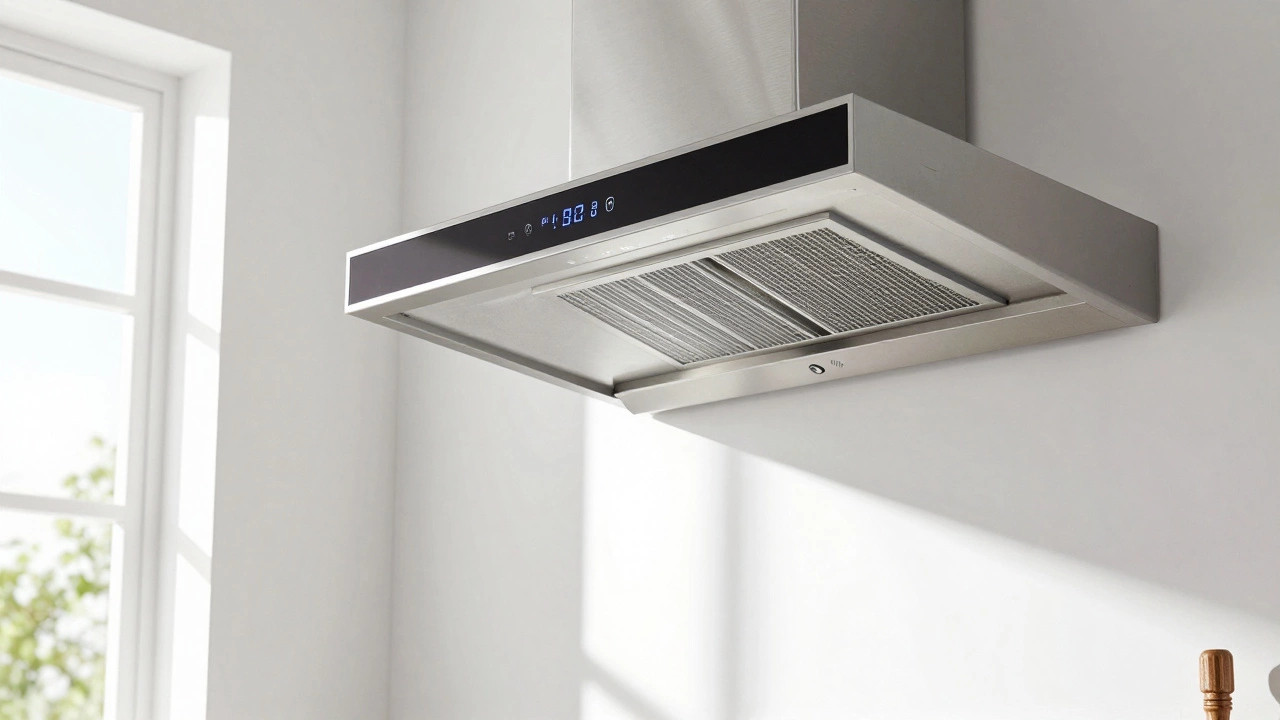
Maintenance Tips to Extend Fan Life
You can’t stop entropy, but you can slow it down. Simple maintenance habits add years to your extractor fan’s life.
- Clean filters monthly: Grease filters in kitchens and mesh screens in bathrooms trap particles. Wash them with warm soapy water. Clogged filters force the motor to work harder, generating excess heat.
- Vacuum the housing annually: Dust accumulates inside the fan casing. Use a vacuum cleaner with a brush attachment to remove dust from the motor fins and impeller blades. This prevents overheating and maintains balance.
- Check ductwork for blockages: Birds, nests, or collapsed ducting can restrict airflow. Ensure the external vent flap opens freely and isn’t blocked by snow or leaves.
- Lubricate bearings (if applicable): Some industrial-style fans have accessible oil ports. A few drops of sewing machine oil can revive a noisy bearing temporarily. Note: Most sealed domestic motors do not allow this.
Choosing a Replacement Unit
When buying a new extractor fan, focus on airflow capacity, measured in liters per second (l/s). For a typical UK bathroom, you need at least 15 l/s. For a kitchen, aim for 30-50 l/s depending on the size and type of cooking. Don’t buy a fan that’s too powerful either; excessive noise and draftiness can be uncomfortable.
Look for units with timer switches or humidity sensors. These automate operation, ensuring the fan runs long enough to clear moisture without wasting energy. Ducted systems are always superior to recirculating ones because they remove pollutants entirely rather than filtering them back into the room.
How do I know if my extractor fan motor is dead?
If the fan doesn’t spin at all, even when you manually turn the blades, the motor is likely seized or burnt out. Check if the timer switch works and if there’s power reaching the unit. If power is present but the motor makes a humming noise without spinning, the capacitor might be faulty. If it’s silent and hot to the touch, the internal windings have probably failed.
Can I clean an extractor fan myself?
Yes, but safety first. Always turn off the power at the consumer unit before touching any part of the fan. Remove the grille and wash filters. Use a soft brush or vacuum to clean the impeller blades. Avoid using water directly on the motor housing. For deep cleaning inside the ductwork, professional help is recommended.
Is it worth repairing an old extractor fan?
Generally, no. If the fan is over 10 years old, replacement is more cost-effective. Labor costs for repair often exceed the price of a new, more efficient unit. Additionally, newer models offer better noise reduction and energy savings, providing immediate value upon installation.
Why does my extractor fan smell like burning?
A burning smell usually indicates overheating due to lack of lubrication in the bearings or electrical insulation breaking down. Turn off the fan immediately. If the smell persists after cooling, the motor may be damaged internally. This is a fire hazard, and the unit should be inspected or replaced promptly.
What is the difference between ducted and recirculating fans?
Ducted fans extract air from the room and expel it outside through a pipe. This removes moisture, odors, and pollutants completely. Recirculating fans filter the air and blow it back into the room. They are less effective at removing humidity and require frequent filter changes. Ducted systems are preferred for bathrooms and kitchens where moisture control is critical.