- 22 Dec 2025
- Gideon Thornton
- 0
Extractor Fan Installation Cost Calculator
Calculate Your Installation Cost
Estimate costs based on your specific requirements
When you’re replacing a noisy or broken extractor fan in your bathroom or kitchen, you might find yourself wondering: should I call a plumber, an electrician, or someone else entirely? It’s a common question - especially when you’re juggling home repairs and trying to avoid hiring multiple people. The short answer? Plumbers don’t typically install extractor fans, but they might help if there’s a ducting or ventilation issue tied to plumbing.
What Does an Extractor Fan Actually Do?
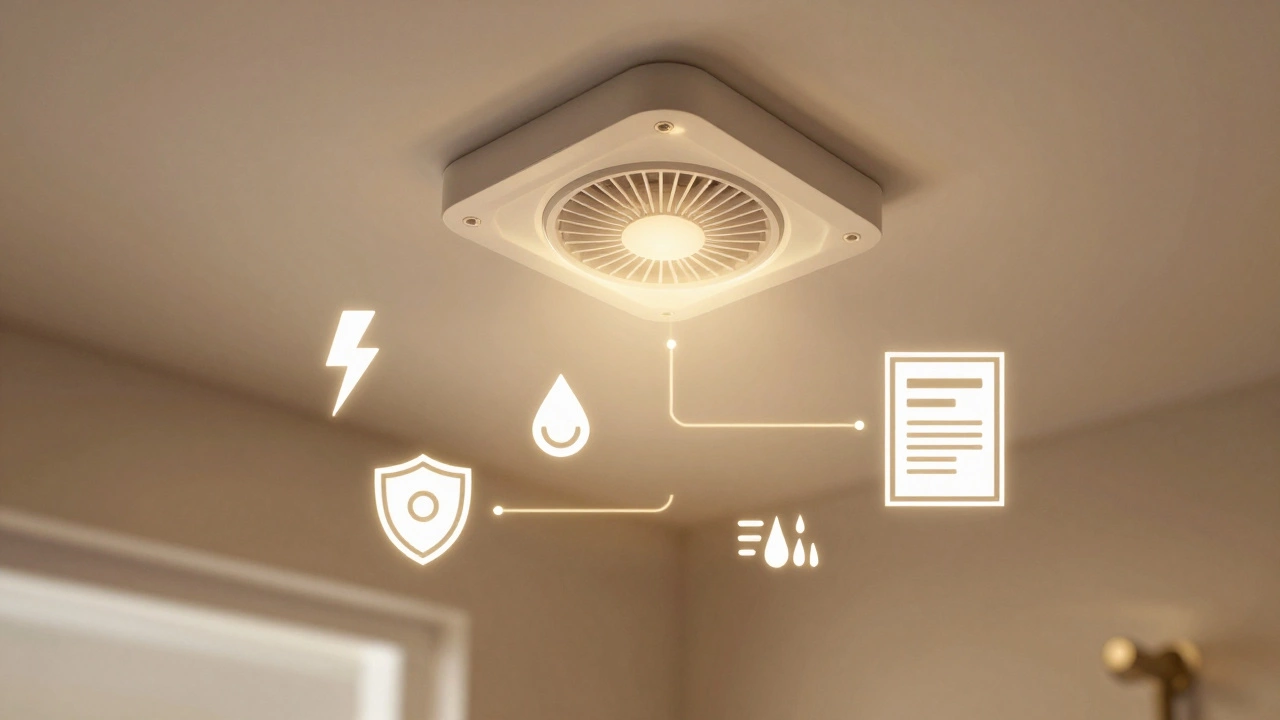
An extractor fan pulls moist, stale, or smelly air out of a room and vents it outside. In bathrooms, it prevents mold by removing humidity from showers. In kitchens, it clears grease, smoke, and cooking odors. These fans are usually mounted on walls or ceilings and connected to a duct that runs through the roof, wall, or loft. Some are simple pull-cord models; others are smart, timer-controlled units with humidity sensors.Installing one isn’t just about screwing a box to the wall. It requires electrical wiring, proper ducting, sealing gaps to prevent drafts, and ensuring the outlet is correctly positioned to avoid recirculating air back into the house. That’s why the job often involves more than one trade.
Why Plumbers Usually Don’t Install Extractor Fans
Plumbers are trained to handle water pipes, drainage, boilers, and heating systems. They’re experts at fixing leaks, rerouting pipes, and installing water-based fixtures like showers and sinks. But extractor fans are electrical appliances. Their core function - moving air - doesn’t involve water flow, so it falls outside most plumbers’ standard scope.Some plumbers may have basic electrical skills, especially if they work on bathroom renovations. But even then, installing a fan isn’t their main job. In the UK, any electrical work that involves fixed wiring - like connecting a fan to the lighting circuit or a dedicated fused spur - must be done by a qualified electrician under Part P of the Building Regulations. If a plumber tries to wire it themselves without certification, they’re breaking the law and risking your safety.
When a Plumber Might Be Involved
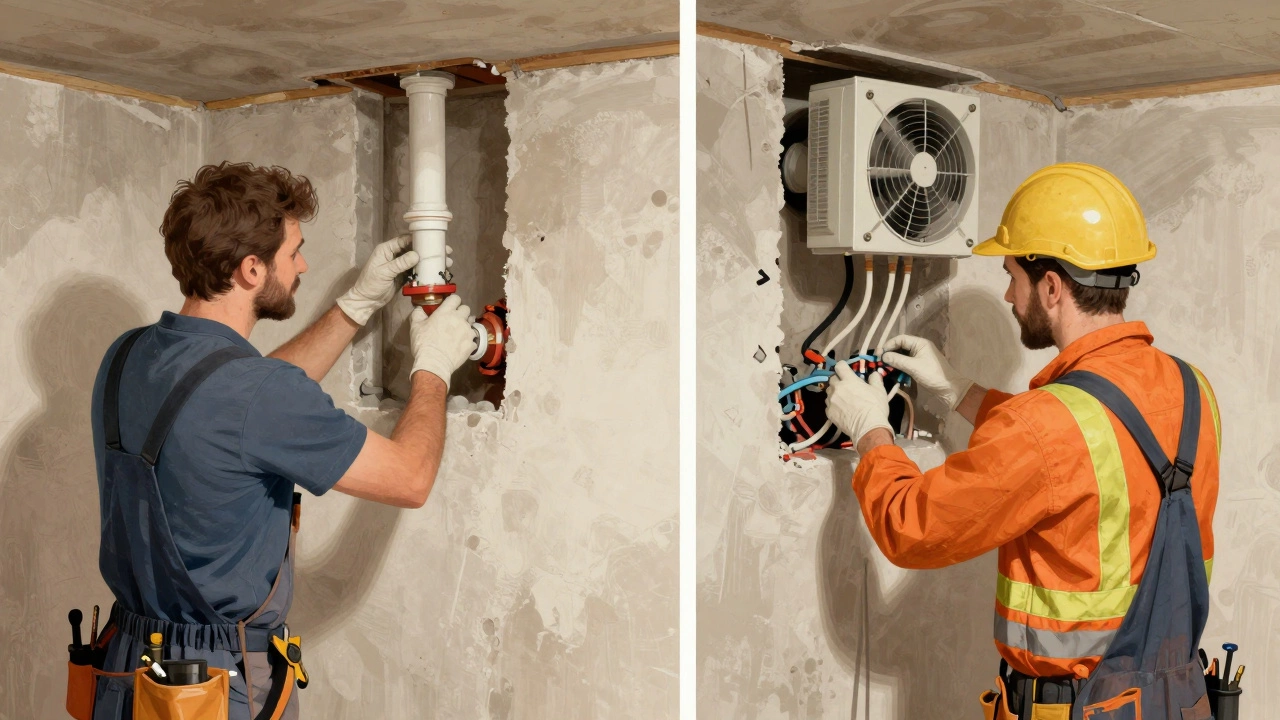
There are exceptions. If your extractor fan needs to vent through a wall that also has a soil pipe or if you’re rerouting a vent duct that runs alongside plumbing lines, a plumber might help with the physical ducting. For example, if you’re replacing an old fan and the existing duct was routed through a wall cavity that also holds a waste pipe, the plumber might assist in cutting or adjusting the space so the new duct fits without interfering with plumbing.Also, if you’re installing a fan as part of a full bathroom refit - say, moving the shower, relocating the sink, and adding a new vent - a plumber might coordinate with the electrician. But they won’t be the one wiring the fan. They’ll just handle the structural or ducting part.
Who Should You Call? The Right Professional for the Job
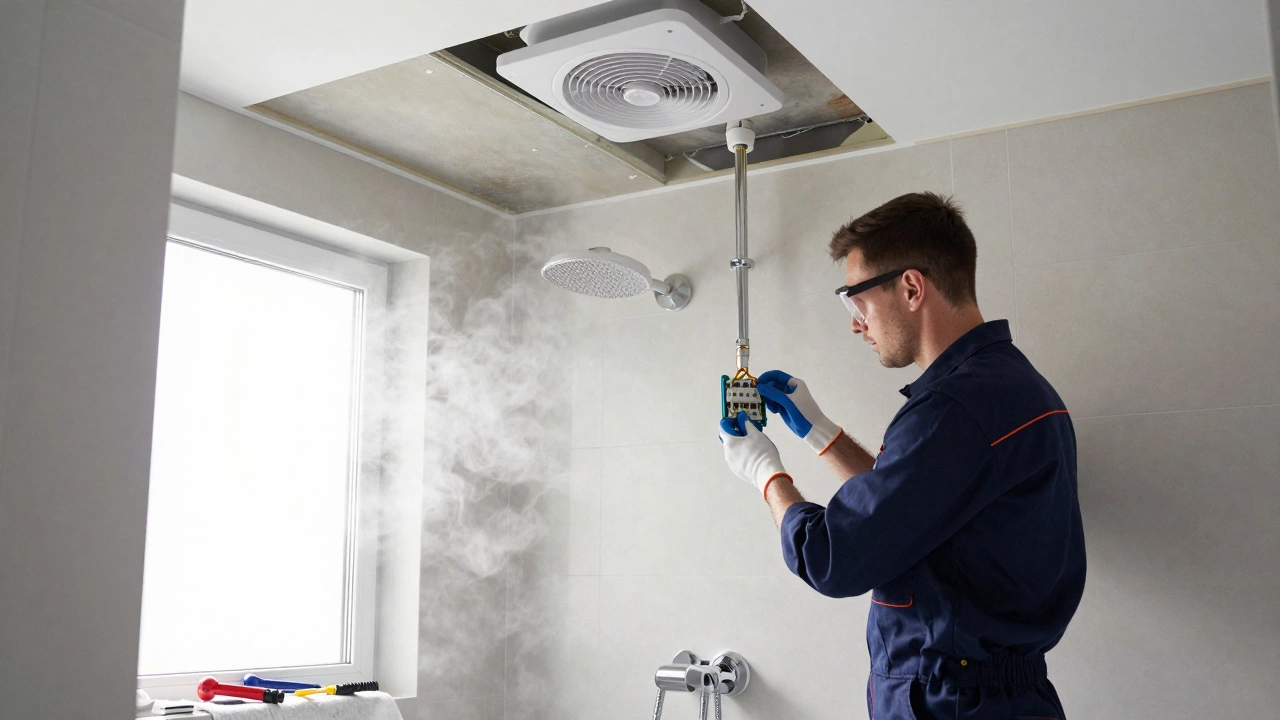
For most extractor fan installations, you need an electrician. Specifically, one who’s certified under the NICEIC or ELECSA schemes. They’ll:- Turn off power and test circuits safely
- Install a fused connection unit if needed
- Run the correct cable (usually 1.5mm twin and earth)
- Connect the fan to the lighting circuit or a timer switch
- Ensure the outlet is positioned correctly for effective ventilation
- Provide a Minor Works Certificate, which you need for building regulations compliance
If the fan needs new ducting - especially if you’re going through the roof or an external wall - you might also need a handyman or a specialist in ventilation systems. Some companies offer full extractor fan installation packages that include both electrical and ducting work.
What Happens If You Do It Yourself?
You can buy a fan from B&Q or Amazon for under £50 and try to install it yourself. But if you get the wiring wrong, you risk:- Electrical shock
- Fires from overloaded circuits
- Mold growth due to poor ventilation
- Invalidating your home insurance
In the UK, DIY electrical work in kitchens and bathrooms must comply with Part P. If an inspector finds unapproved work during a property sale or insurance claim, you could be forced to pay for a certified electrician to fix it - often at double the original cost.
Common Mistakes People Make
Here are the top errors we see in Bristol homes:- Using flexible ducting that’s too long or has too many bends - this reduces airflow by up to 40%
- Venting into the loft instead of outside - this causes condensation and rot
- Connecting the fan to a regular light switch instead of a timer - fans need to run for 10-15 minutes after you leave the room
- Ignoring the need for a backdraft damper - without it, cold air comes back in during winter
A good electrician will use rigid PVC ducting, keep runs under 3 meters, and install a timer or humidity sensor. They’ll also seal all joints with silicone or duct tape rated for ventilation systems.
Cost and Time Estimates
In Bristol, a standard extractor fan installation costs between £120 and £220, depending on:- Location (bathroom vs kitchen)
- Access difficulty (loft access, brick wall vs plasterboard)
- Whether new ducting is needed
- Model complexity (basic fan vs smart Wi-Fi model)
Most jobs take 2-4 hours. If you’re replacing an old unit in the same spot, it’s usually quicker. If you’re moving the fan or cutting through a brick wall, expect to pay more and wait longer.
Extractor Fan vs Bathroom Ventilation: What’s the Difference?
Some people confuse extractor fans with trickle vents or mechanical ventilation heat recovery (MVHR) systems. Trickle vents are small openings in windows that let air in slowly - they’re not powerful enough to remove steam. MVHR systems are whole-house solutions that recover heat while ventilating - they’re expensive and usually installed in new builds.An extractor fan is the simplest, most cost-effective solution for single rooms. It’s what 90% of UK homes use. If your bathroom smells like a sauna after a shower, you don’t need an MVHR system. You need a properly installed extractor fan.
What to Look for in a Installer
When hiring someone, always check:- They’re registered with NICEIC, ELECSA, or STROMA
- They offer a certificate for the work
- They don’t just say “I’ve done this before” - ask for proof of certification
- They explain how the fan will be wired and vented - if they can’t, walk away
Don’t hire someone from Facebook Marketplace who says they’ll “sort it out for £80.” That’s not a bargain - it’s a liability.
When to Replace Instead of Repair
If your fan is over 10 years old, making grinding noises, or doesn’t clear steam after 10 minutes, it’s time to replace it. Older fans often have worn motors, blocked ducts, or outdated wiring. Repairing them rarely makes sense - a new fan costs less than an electrician’s call-out fee for a repair.Modern fans are quieter, more efficient, and come with built-in timers and humidity sensors. A basic model with a 15-minute timer costs £40-£70. Pair it with professional installation, and you’ll have a system that lasts 15+ years.
Final Advice
Don’t assume plumbers handle extractor fans just because they work in bathrooms. They don’t. The right person is a qualified electrician who understands ventilation standards. If your ducting needs major changes, they might bring in a second tradesperson - that’s normal.Get three quotes. Ask for certificates. Don’t rush. A properly installed extractor fan prevents mold, protects your walls, and keeps your home healthy. It’s not a luxury - it’s basic home safety.