
- 11 Jun 2026
- Gideon Thornton
- 0
Water Heater Health Diagnostic Tool
Select the symptoms you are currently experiencing to generate a health score and recommended action plan.
Current Symptoms & Status
Diagnostic Result
Status Title
Description goes here.
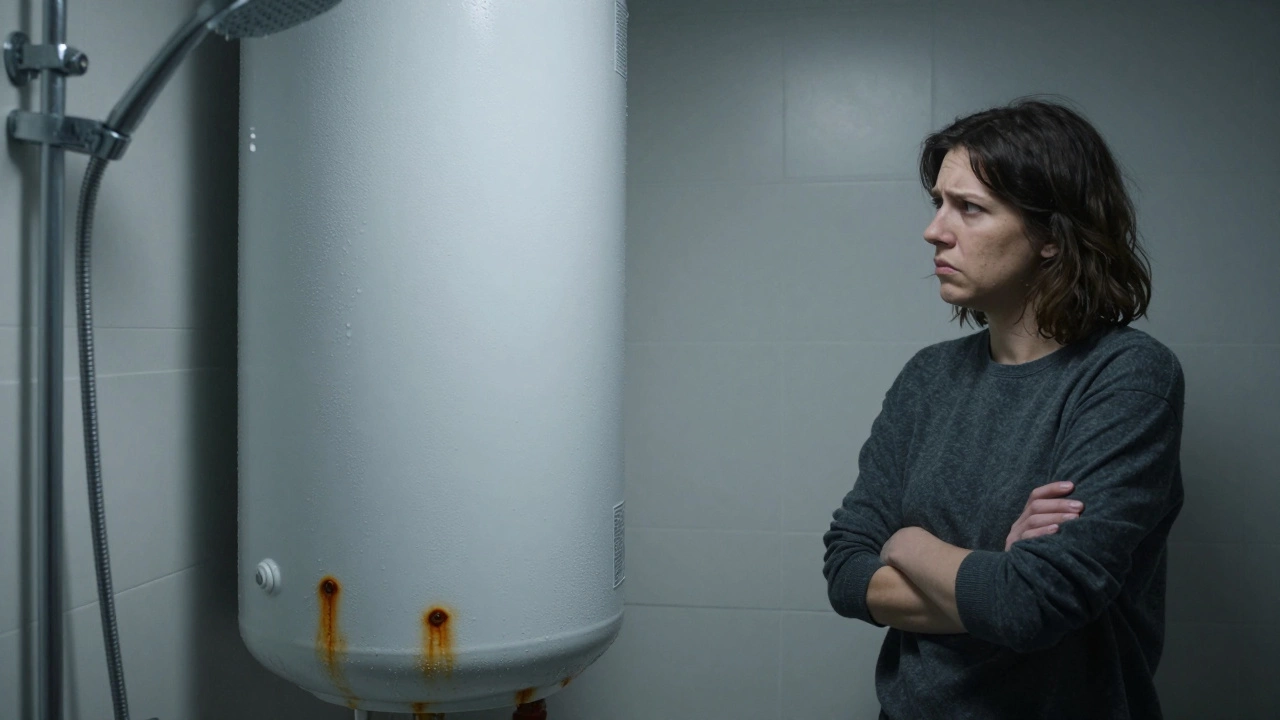
Imagine stepping into a shower after a long day in Bristol, only to be hit by ice-cold water. Or worse, finding a puddle expanding around the base of your unit while you’re trying to get ready for work. These aren’t just minor annoyances; they are clear signals that your water heater is a vital home appliance responsible for heating and storing domestic hot water is failing. Ignoring these red flags can lead to catastrophic leaks, skyrocketing energy bills, or even safety hazards like carbon monoxide exposure.
You don’t need to be a plumber to spot trouble. Most failures give you weeks, sometimes months, of warning before total breakdown. By learning to recognize the subtle changes in temperature, sound, and appearance, you can schedule a timely water heater repair is the process of diagnosing and fixing faults in residential heating systems to prevent failure instead of facing an emergency replacement. Let’s look at the seven most common signs your system is on its last legs and what you should do about them.
1. Inconsistent or Insufficient Hot Water
The most obvious sign of trouble is when the water isn’t hot enough, or it runs out faster than usual. If you find yourself taking shorter showers or waiting longer for the tap to warm up, your unit is struggling. This issue often stems from a few specific components failing.
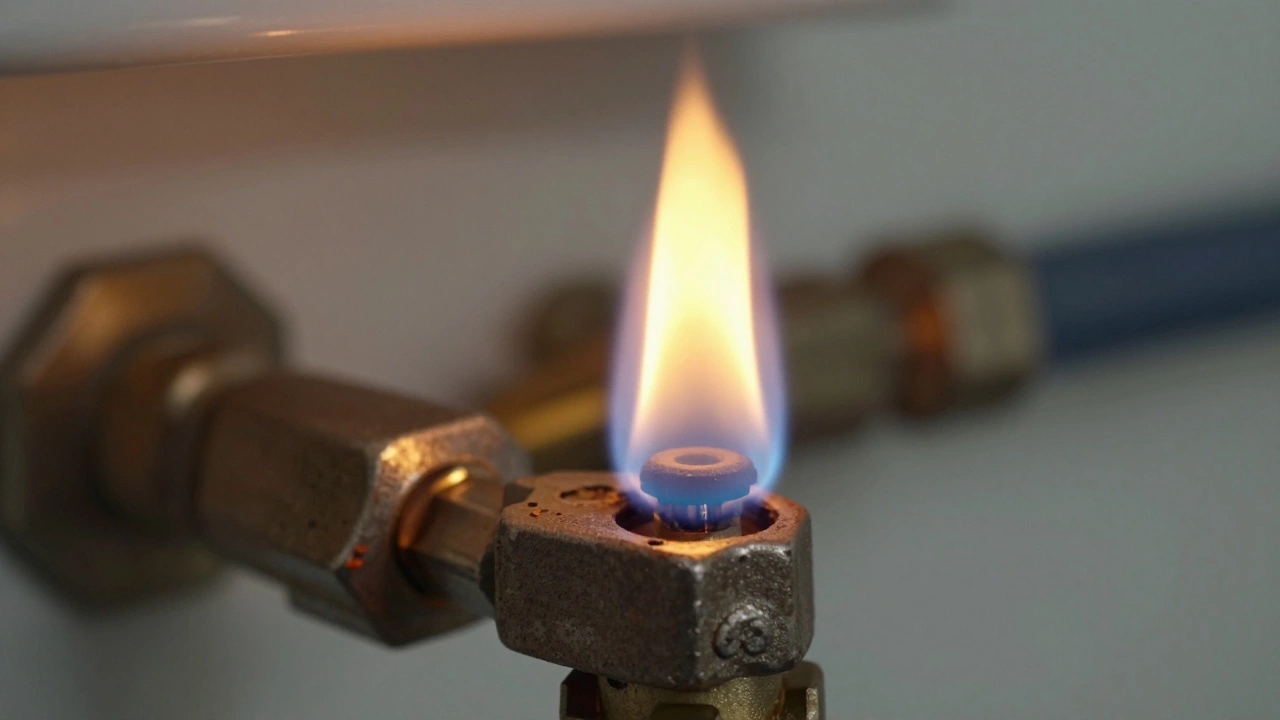
In a standard tank-style heater, a broken thermostat is a device that regulates the temperature of the water heater by controlling the heating elements might be set too low or malfunctioning. However, if the thermostat is fine, the culprit is likely sediment buildup. Over time, minerals from hard water settle at the bottom of the tank. This layer of sludge acts as an insulator between the burner (or electric element) and the water, preventing efficient heat transfer. You end up paying for gas or electricity that heats rock-hard mineral deposits instead of your bathwater.
If you have a tankless water heater is an on-demand system that heats water without a storage tank, inconsistent temperatures can also indicate flow rate issues. If multiple fixtures are running simultaneously, the unit might not keep up with the demand. Check if the problem occurs during peak usage times. If so, your unit might simply be undersized for your household needs, or the internal heat exchanger is clogged.
2. Discolored or Rusty Water
Turn on your hot water tap and let it run for a minute. Does the water look brown, yellow, or rusty? If the cold water is clear but the hot water is tinted, your water heater is the source. This is rarely just a cosmetic issue.
Rust in the water usually means one of two things: the anode rod is a sacrificial metal rod inside the tank designed to corrode instead of the steel tank has been completely consumed, or the tank itself is rusting from the inside out. The anode rod is the unsung hero of your water heater. It attracts corrosive elements in the water, sacrificing itself to protect the steel tank. Once this rod is gone, corrosion attacks the tank directly.
If you see rust particles in your laundry or soap scum turning pinkish-brown, act quickly. A tank that is actively rusting internally is prone to pinhole leaks. These leaks start small but grow rapidly, eventually leading to a full tank rupture. Replacing an anode rod is a relatively inexpensive maintenance task, but ignoring it can cost you hundreds in emergency repairs and water damage cleanup.
3. Strange Noises: Popping, Cracking, or Rumbling
Your water heater should hum quietly. If it starts sounding like a popcorn machine or a distant thunderstorm, something is wrong. These noises-popping, cracking, rumbling, or banging-are caused by trapped steam bubbles bursting through layers of sediment.
Here’s how it works: as the water heats up, the sediment at the bottom traps pockets of water. These pockets turn to steam because they can’t escape easily. When the pressure builds enough, the steam bursts through the sediment layer, creating a loud bang. This phenomenon is known as "thermal shock." Not only is it annoying, but the repeated expansion and contraction of the tank walls due to uneven heating can weaken the metal structure over time.
If your unit is making these noises more than once a week, it’s time for a flush. Flushing the tank removes the sediment, restoring efficiency and silence. For older units, however, excessive noise can also indicate a failing dip tube or loose heating elements. Listen closely: if the noise comes from the top, check the air vent. If it’s from the bottom, it’s almost certainly sediment.
4. Moisture or Leaks Around the Base
Water pooling around the base of your heater is never normal. Even a small amount of moisture can signal a serious leak. Before panicking, identify the source. Check the connections at the top where the pipes enter the tank. Loose fittings or worn washers here are easy fixes. Tighten them with a wrench or replace the gaskets.
If the leak is coming from the pressure relief valve (the little lever on the side), the valve might be faulty or the pressure in the tank is too high. Test the valve by lifting the lever briefly; water should flow out and then stop. If it keeps dripping, replace the valve immediately. This is a critical safety component.
However, if the water is seeping from the seams of the tank itself or from the very bottom center, the tank has likely corroded through. This is a terminal diagnosis. There is no patch for a cracked steel tank. You will need a complete replacement. Do not ignore this sign. A ruptured tank can release hundreds of gallons of water in minutes, causing significant structural damage to your home.
5. Age of the Unit
Like cars, water heaters have a lifespan. Most traditional tank-style units last between 8 and 12 years. Tankless models can last 15 to 20 years with proper maintenance. If your unit is approaching or exceeding these ages, start planning for a replacement regardless of other symptoms.
Check the serial number on the data plate attached to the side of the tank. Manufacturers encode the production date in these numbers. For example, many brands use the first letter or digit to represent the year. If your heater is 10+ years old and showing any of the signs above, repair costs may outweigh the value of extending its life by another six months. Investing in a new, energy-efficient model now can save you money on utility bills in the long run.
6. Pilot Light Issues (Gas Heaters)
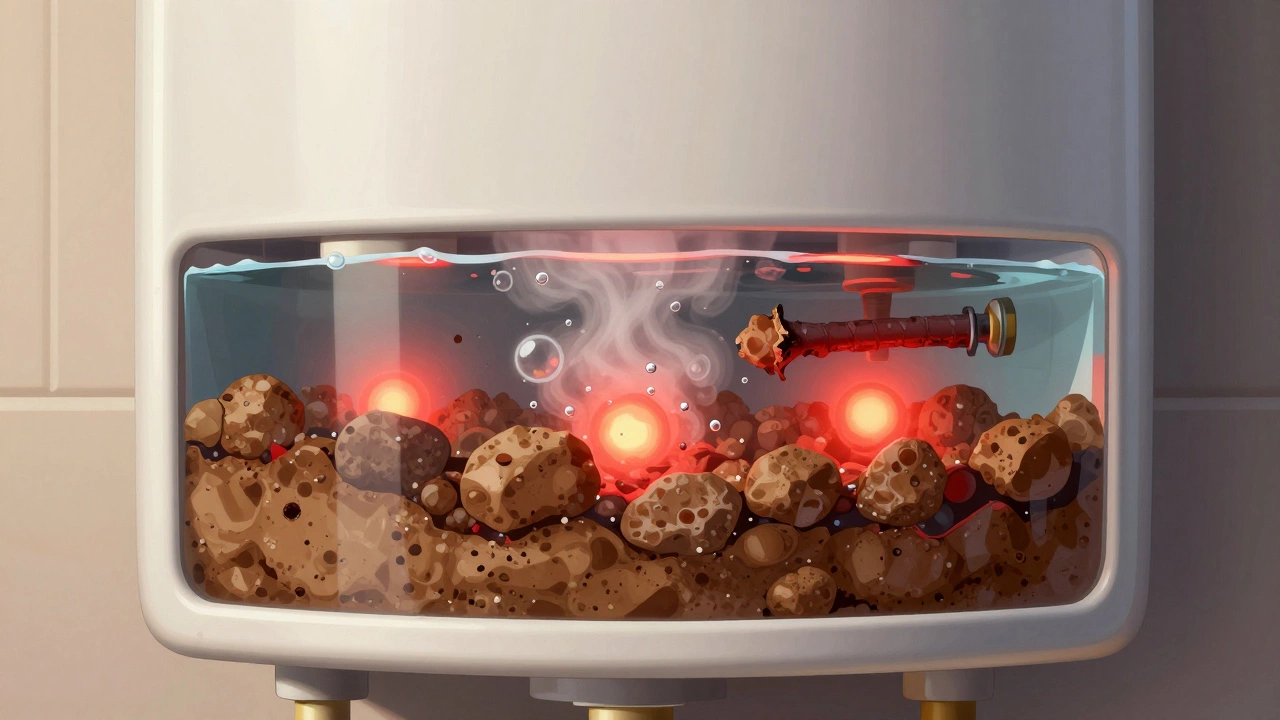
If you have a gas-powered water heater, the pilot light is essential. It ignites the main burner to heat the water. If the pilot light frequently goes out or burns with a yellow or orange flame instead of blue, you have a problem.
A blue flame indicates complete combustion and efficiency. A yellow or flickering flame suggests incomplete combustion, which can produce carbon monoxide-a deadly, odorless gas. This could be due to a dirty thermocouple, a blocked vent, or a misaligned burner. Never ignore a yellow flame. Install carbon monoxide detectors near the water heater and ensure they are working. If the pilot light won’t stay lit after multiple attempts to relight it, call a professional. Gas line issues are dangerous and require expert handling.
7. Higher Energy Bills
Have your gas or electricity bills crept up without a change in your usage habits? An inefficient water heater is a common culprit. As sediment builds up, the heater has to work harder and longer to reach the desired temperature. A failing insulation blanket or a corroded tank can also cause heat loss.
Compare your current bills to those from previous years. If there’s a noticeable spike, especially during winter months, your water heater might be losing efficiency. Modern units are significantly more energy-efficient than older models. Upgrading can reduce your energy consumption by 20-30%, offsetting the cost of the new unit over time.
| Symptom | Likely Cause | Immediate Action | Long-Term Solution |
|---|---|---|---|
| Inconsistent Heat | Sediment Buildup / Thermostat | Adjust Thermostat | Flush Tank / Replace Thermostat |
| Rusty Water | Corroded Anode Rod / Tank | Test Water Quality | Replace Anode Rod / Replace Unit |
| Noisy Operation | Trapped Steam / Sediment | Monitor Frequency | Professional Flush / Descale |
| Leaking Base | Corrosion / Loose Fittings | Tighten Connections | Replace Unit if Tank Cracked |
| Yellow Flame | Dirty Burner / Vent Issue | Install CO Detector | Professional Cleaning / Vent Repair |
When to Call a Professional vs. DIY Fixes
Some issues, like tightening a pipe connection or adjusting the thermostat, are safe for homeowners to handle. However, dealing with gas lines, electrical components, or pressurized tanks requires expertise. If you smell gas, see significant leakage, or hear loud banging noises, shut off the power or gas supply and call a licensed technician immediately. Attempting complex repairs without proper training can void warranties and create safety hazards.
Regular maintenance is key to extending the life of your water heater. Schedule an annual inspection to check the anode rod, flush the tank, and test the pressure relief valve. This proactive approach prevents most emergencies and keeps your hot water flowing smoothly for years to come.
How much does it cost to fix a leaking water heater?
The cost depends on the source of the leak. Minor leaks from loose fittings or valves may cost £50-£150 for parts and labor. However, if the tank itself is leaking, replacement is necessary, costing between £800-£2,500 depending on the type and size of the unit.
Can I flush my own water heater?
Yes, flushing a tank-style water heater is a manageable DIY task. Turn off the power/gas, connect a garden hose to the drain valve, and open the valve to let water and sediment flow out. Repeat until the water runs clear. Be cautious of hot water and heavy sediment bags.
What is the average lifespan of a water heater?
Traditional tank water heaters typically last 8-12 years. Tankless water heaters can last 15-20 years with regular maintenance. Factors like water quality, usage frequency, and maintenance history affect longevity.
Is it safe to use a water heater with a yellow pilot light?
No, a yellow pilot light indicates incomplete combustion, which can produce carbon monoxide. Shut off the gas supply and contact a professional immediately. Ensure you have working carbon monoxide detectors in your home.
Should I replace or repair my 10-year-old water heater?
If your 10-year-old unit is showing multiple signs of failure (leaks, noise, inefficiency), replacement is usually more cost-effective. Newer models are more energy-efficient, potentially saving you money on bills. Repairs on aging units often lead to further breakdowns shortly after.