- 12 Nov 2026
- Gideon Thornton
- 0
Water Heater Lifespan Estimator
Answer the questions below to estimate how long your current water heater might last compared to the average, and get personalized maintenance tips.
Estimated Remaining Life
Calculating...-- Years
Analyzing your inputs...
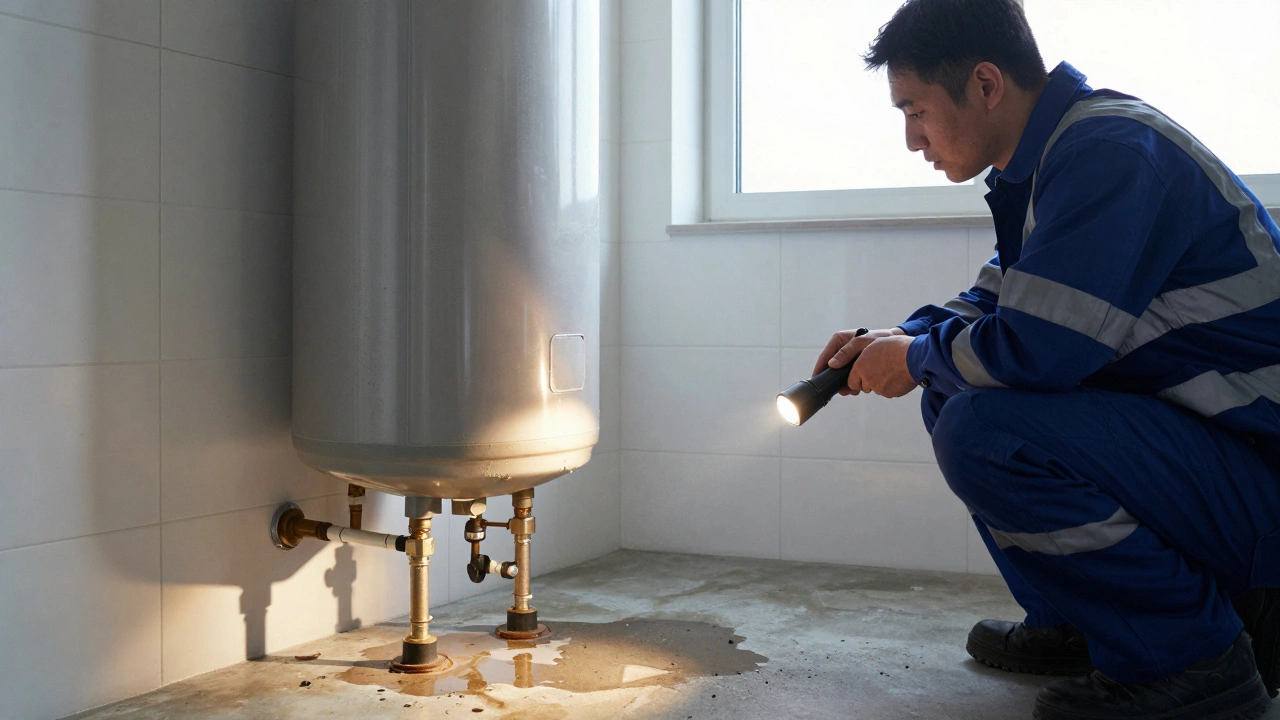
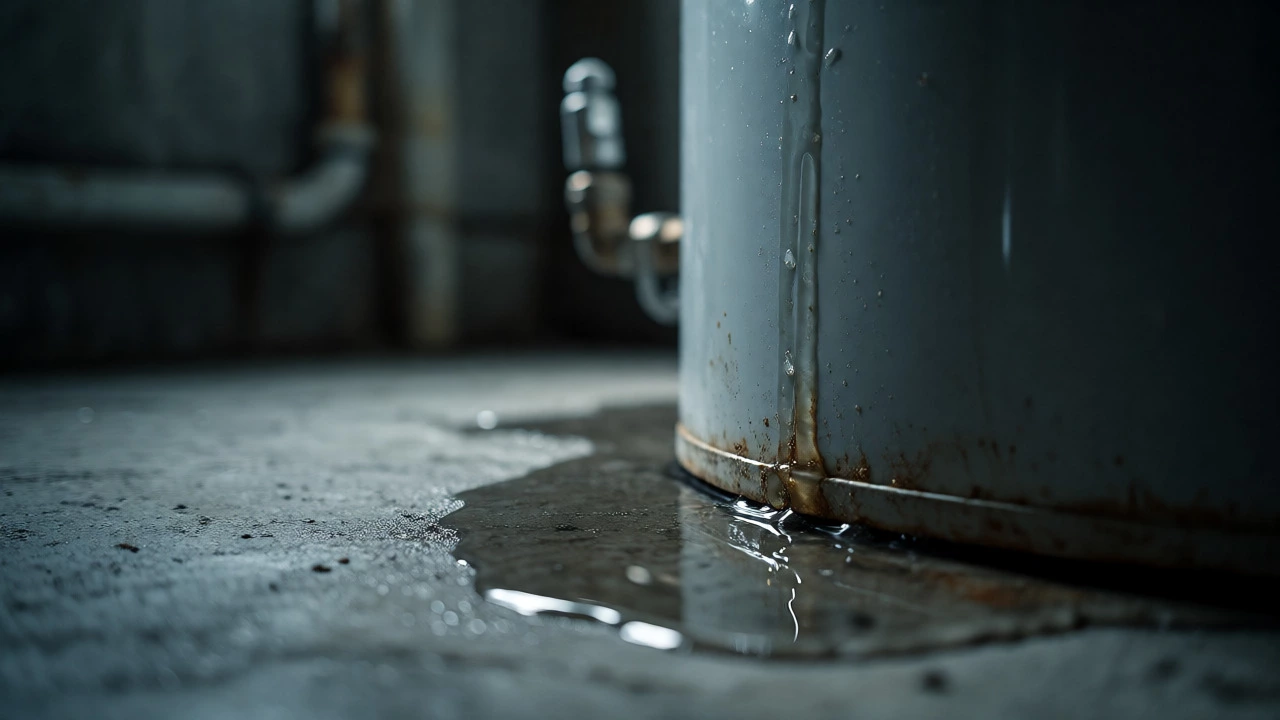
You bought a new water heater three years ago. The salesman promised it would last ten. Suddenly, you’re staring at a cold shower and a puddle on the utility room floor. It feels like a scam, doesn’t it? But here’s the truth: your water heater didn’t fail because it was cheap junk. It failed because of chemistry and physics working against it every single day.
Most water heaters are designed with a nominal lifespan of 8 to 12 years. Yet, many households in the UK and beyond see failures at the 5-year mark. Why the discrepancy? It comes down to specific stressors that accelerate wear and tear. If you understand these mechanisms, you can spot the warning signs before disaster strikes.
The Silent Killer: Sediment Buildup
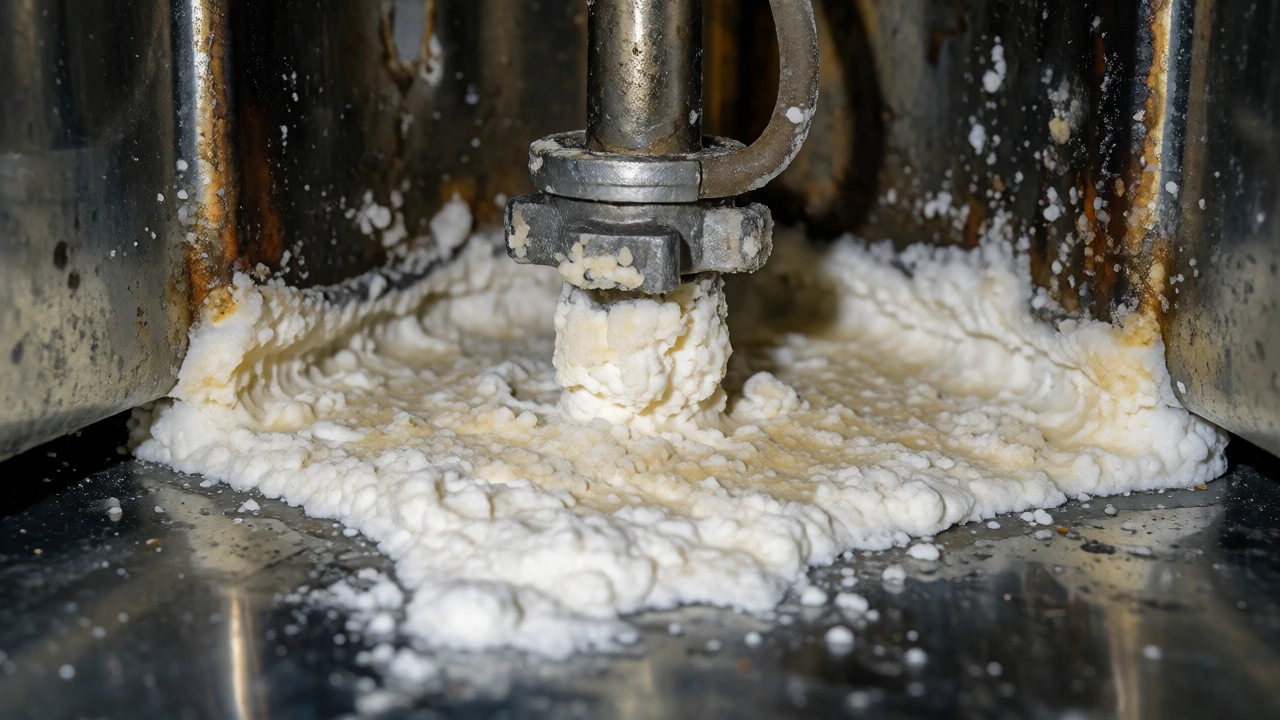
Tap water isn’t pure H₂O. It contains minerals like calcium and magnesium. When heated, these minerals precipitate out of the solution and settle at the bottom of the tank. This layer is called sediment. Think of it as a thick, insulating blanket sitting between your heating element (or burner) and the water.
This creates two major problems. First, efficiency plummets. The heat has to travel through this rocky barrier, meaning your unit runs longer to achieve the same temperature. Second, and more critically, it causes overheating. In electric tanks, the lower heating element gets trapped in sediment. It can’t transfer heat to the water effectively, so its own temperature spikes until it burns out. In gas units, the sediment sits directly above the burner, causing the steel tank bottom to overheat and weaken structurally.
Regular flushing removes this accumulation. If you live in a hard water area, skipping this maintenance step is the number one reason for premature failure.
The Sacrificial Lamb: Anode Rod Corrosion
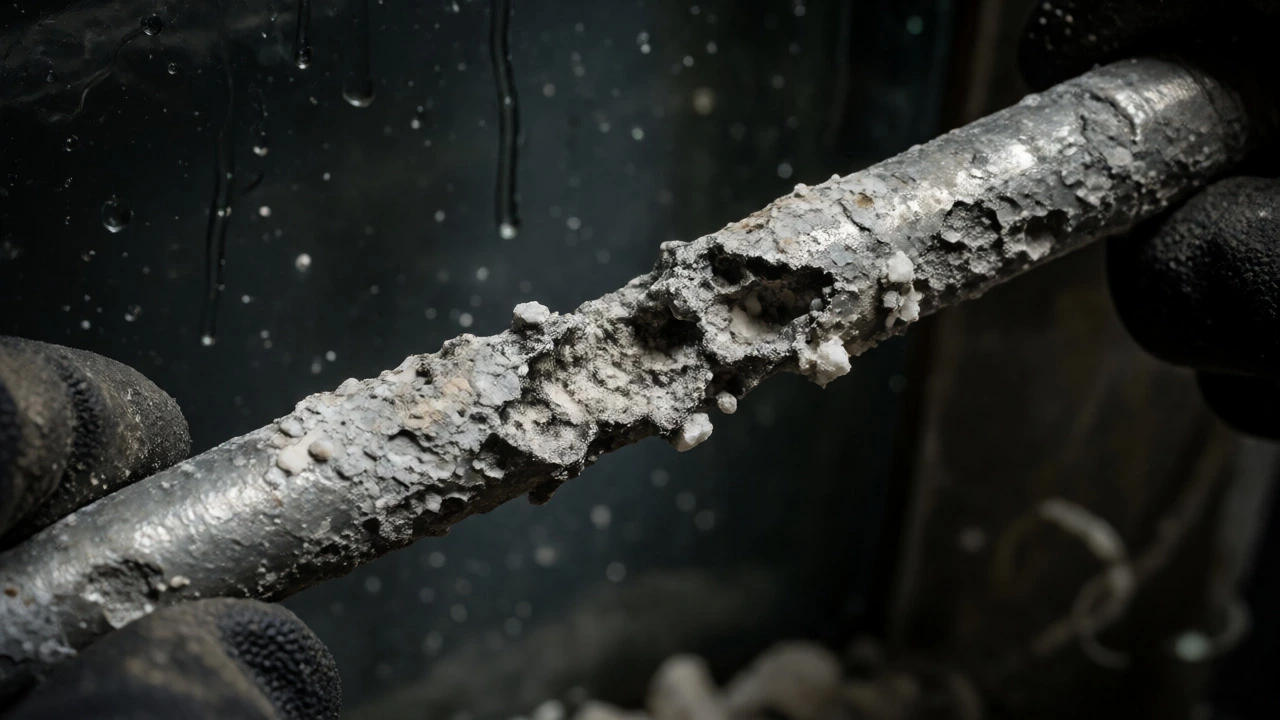
Inside almost every standard storage water heater lives a critical component: the anode rod. This is usually a steel core coated in magnesium or aluminum. Its job is simple but vital-it corrodes instead of the steel tank. This process is called electrolysis. Because the rod is more "active" than the tank lining, the corrosive elements in the water attack the rod first.
| Rod Type | Best For | Lifespan Risk |
|---|---|---|
| Magnesium | Soft water areas | Dissolves fastest; best protection |
| Aluminum | Hard water areas | Lasts longer; less reactive |
| Zinc Alloy | Sulfur smells | Adds deodorizing properties |
Once the anode rod is fully consumed, the corrosion attacks the tank walls directly. Since most tanks have thin glass linings, once those crack or peel, rust sets in rapidly. Replacing the anode rod every 3-5 years is far cheaper than replacing the entire unit. Many homeowners never check this part, leading to unexpected leaks from the top or sides of the tank.
Hard Water Damage: The Regional Factor
If you live in Bristol, London, or much of the South East, you know about hard water. Hard water accelerates both sediment buildup and anode consumption. The high mineral content acts as an abrasive inside the tank and increases electrical conductivity, speeding up galvanic corrosion.
In soft water areas, such as parts of Scotland or Wales, anode rods might last 7-10 years. In hard water zones, they might be gone in 2-3 years. If you don’t adjust your maintenance schedule for local water hardness, you are essentially gambling with your appliance’s life. Installing a whole-house water softener can extend the life of not just your water heater, but also your washing machine and dishwasher.
Temperature Settings: Too Hot to Handle
Many people crank their thermostat up to 60°C (140°F) thinking it guarantees hot showers. However, higher temperatures dramatically increase the rate of scale formation. At 60°C, calcium carbonate precipitates much faster than at 50°C (122°F). This doubles the speed at which sediment accumulates.
Furthermore, extreme heat stresses the plastic components inside the tank, such as the dip tube. The dip tube directs incoming cold water to the bottom of the tank. If it melts or cracks due to excessive ambient heat, cold water mixes directly with the hot water at the top outlet. You’ll notice shorter showers and fluctuating temperatures long before the tank actually fails. Keeping your setting around 50-55°C is the sweet spot for longevity and safety.
Pressure Problems: The Expansion Tank Oversight
Modern homes are sealed tight for energy efficiency. When water heats up, it expands. Without a place to go, pressure builds up inside the closed system. This is where the expansion tank comes in. Older systems often lacked them, relying on backflow into the mains. Today, check valves prevent backflow, trapping that expanding water.
Excessive pressure forces water past seals and gaskets. It also puts strain on the tank itself. Over time, this cyclic stress fatigues the metal. A faulty pressure relief valve (T&P valve) is another common culprit. If it drips constantly, it’s trying to save your tank. If it doesn’t open when it should, the tank could rupture. Checking this valve annually by lifting the lever ensures it moves freely and reseats properly.
Installation Errors That Shorten Lifespan
Sometimes, the fault lies with the setup, not the usage. Poor ventilation around gas units leads to condensation issues. Condensation causes external rusting, which weakens the casing and eventually penetrates the insulation. Incorrect pipe sizing can cause thermal shock-rapid temperature changes that warp internal components.
Another frequent mistake is ignoring the drain pan. While it doesn’t prevent failure, it manages the aftermath. If a leak goes unnoticed for weeks, the water damage costs can exceed the price of a new heater. Proper installation includes accessible service points for the anode rod and drain valve, making future maintenance easier rather than a hassle to avoid.
Signs Your Heater Is Nearing the End
You don’t need to wait for a flood to act. Watch for these indicators:
- Rusty Water: Brownish tint indicates internal tank corrosion.
- Popping Noises: Sediment boiling under the heating element.
- Short Showers: Loss of capacity due to sediment displacing water volume.
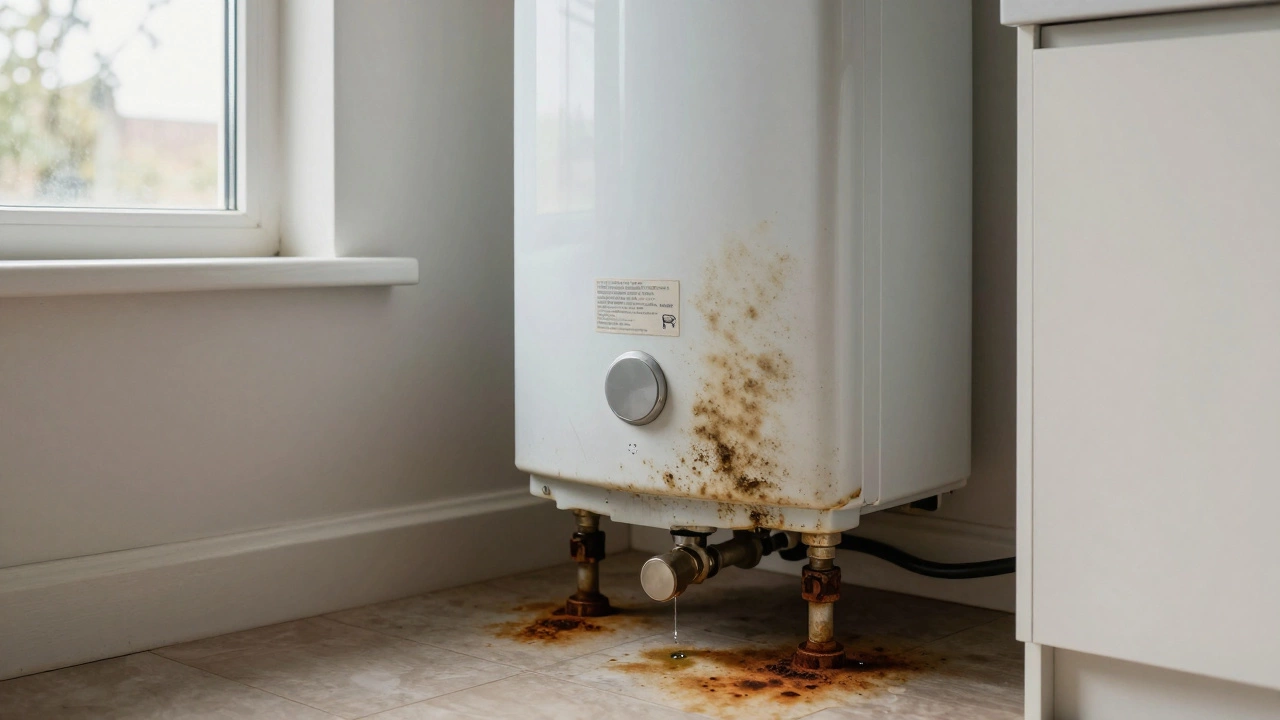
- Moisture Around Base: Early sign of a slow leak from the tank or fittings.
If you hear rumbling or popping, flush the tank immediately. If you see moisture, tighten connections first. If the leak persists from the tank body itself, replacement is likely necessary.
How long should a water heater really last?
Typically 8 to 12 years. However, with aggressive maintenance like annual anode rod checks and bi-annual flushing, some units reach 15 years. Conversely, neglect in hard water areas can reduce this to 5 years.
Can I replace the anode rod myself?
Yes, if you have basic DIY skills. You’ll need a hex socket wrench and a new rod. Turn off power/water, drain a few gallons, unscrew the old rod, and install the new one. Be prepared for some water spillage.
Does turning down the temperature save money?
Yes. Lowering the temperature from 60°C to 50°C reduces standby heat loss and slows scale buildup. It saves energy and extends the life of the tank and dip tube simultaneously.
What does a leaking T&P valve mean?
It means the pressure or temperature inside the tank exceeded safe limits. This could be due to a faulty valve, excessive pressure from the municipal supply, or a lack of an expansion tank. Replace the valve if it drips after testing.
Is tankless better for avoiding these failures?
Tankless heaters avoid sediment-related tank rot since there is no standing water. However, they are susceptible to flow sensor failures and heat exchanger scaling. They require regular descaling but generally have a longer lifespan (20+ years).