- 26 Nov 2026
- Gideon Thornton
- 0
Anode Rod Health Checker
Use this tool to assess if your water heater's sacrificial anode rod needs replacement. Answer the questions below to get a diagnostic report.
Analysis
Please fill in the details above and click "Check Anode Condition".
Recommended Actions:
You might think your water heater is dying because of age or a faulty thermostat. But often, the culprit is hiding inside the tank, quietly dissolving away to save you from rust. That part is the sacrificial anode rod. It’s a steel or magnesium core coated in zinc, aluminium, or other metals, designed to corrode instead of your steel tank. When it fails, your expensive appliance starts eating itself from the inside out. Knowing how to spot a bad anode rod early can save you hundreds in replacement costs and prevent a sudden flood in your utility room.
What Exactly Does an Anode Rod Do?
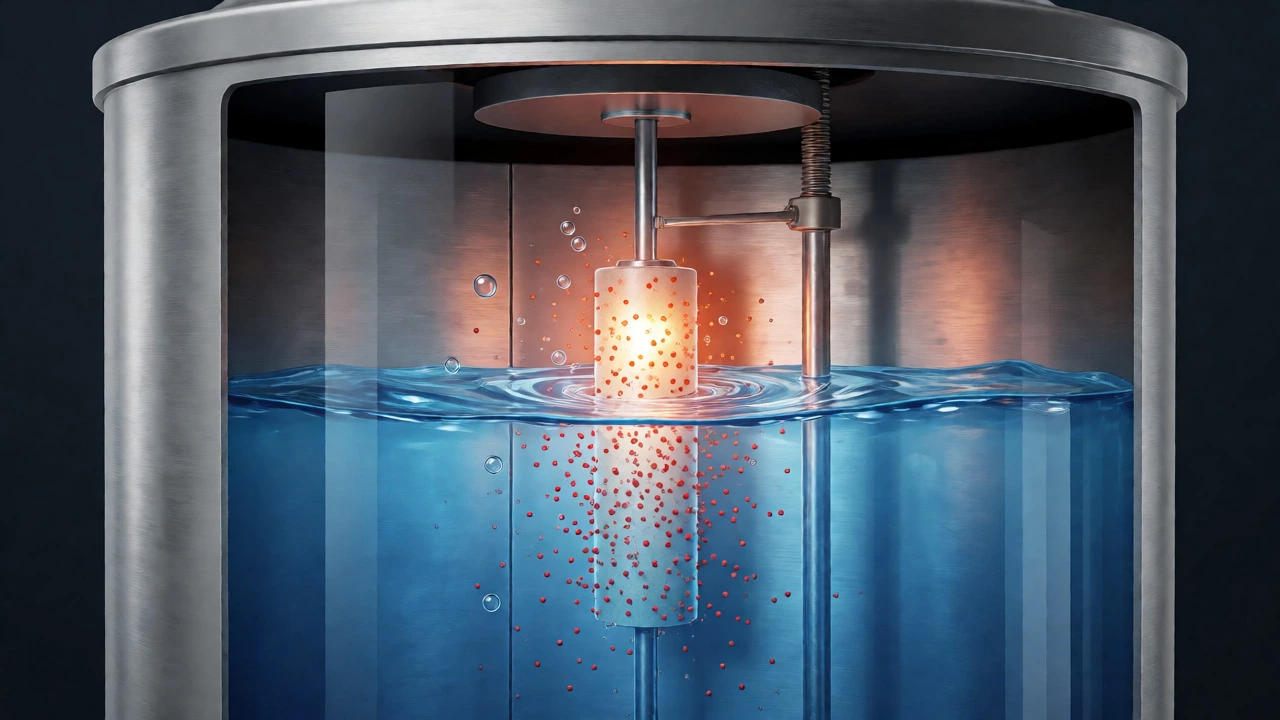
Think of the anode rod as a bodyguard for your water heater. Water contains dissolved minerals that conduct electricity. When these minerals touch two different metals-like the steel of your tank and the copper of your pipes-they create a tiny electrical current. This process, called electrolysis, causes corrosion. The anode rod is made of a metal that is more "active" than steel. So, when that electrical current hits, the rod sacrifices itself by corroding first. Without it, your tank walls would start rusting and leaking within just a few years. Most manufacturers recommend checking this component every one to three years, depending on your water hardness.
The Smell Test: Rotten Eggs in Hot Water
This is the most obvious sign and usually the first thing homeowners notice. If your hot water smells like rotten eggs or sulphur, but your cold water doesn’t, you likely have a depleted anode rod. Specifically, if you have a standard magnesium anode, bacteria in the water feed on the hydrogen gas released by the degrading rod. This produces hydrogen sulphide, which stinks exactly like rotten eggs. If you switch to an aluminium-zinc alloy rod, this smell often disappears because those metals don’t react with the bacteria in the same way. So, if the smell persists after flushing the tank, the rod is probably gone.
Visual Inspection: What Does a Bad Rod Look Like?
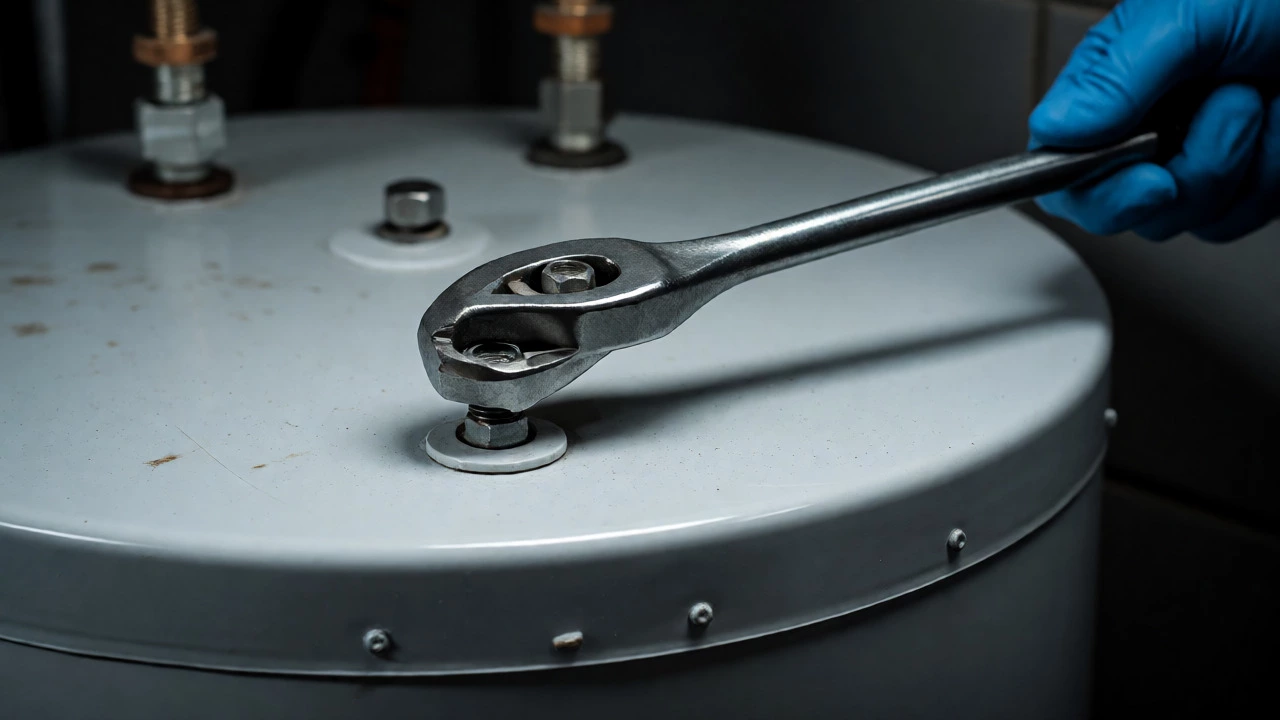
You need to physically inspect the rod to be sure. Turn off the power (or gas) and the water supply. Drain a few gallons from the tank to lower the pressure, then locate the hex head bolt on top of the tank. Use a long breaker bar or pipe wrench to unscrew it. Pull the rod out carefully-it might be heavy.
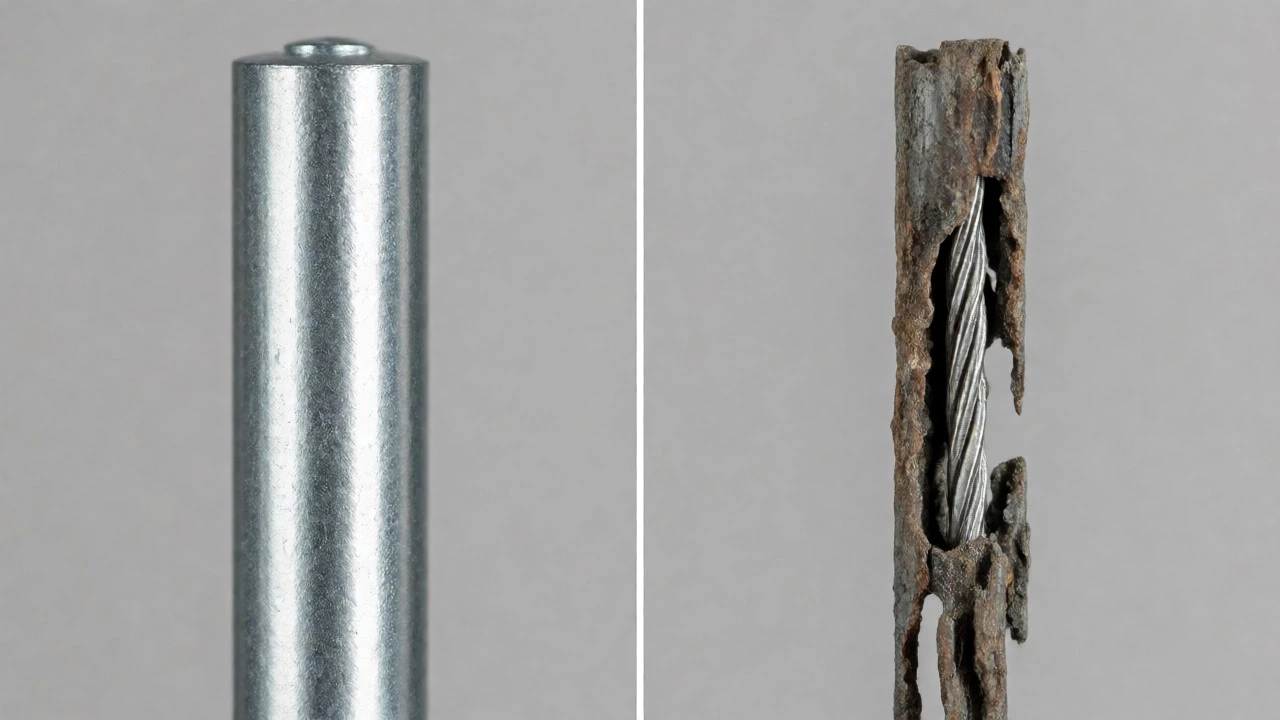
- New Rod: Smooth, solid metal, about 3/4 inch thick.
- Worn Rod: Thin, uneven, with chunks missing. You might see deep grooves or pitting.
- Dead Rod: Barely any wire left. Sometimes only the central steel cable remains, wrapped in a thin layer of remaining metal. If you can see bare steel underneath, it’s too late.
If the rod looks like a jagged piece of driftwood rather than a smooth cylinder, it has done its job and needs replacing immediately. Don’t wait for the next shower to find out if your tank leaks.
Age and Usage Patterns Matter
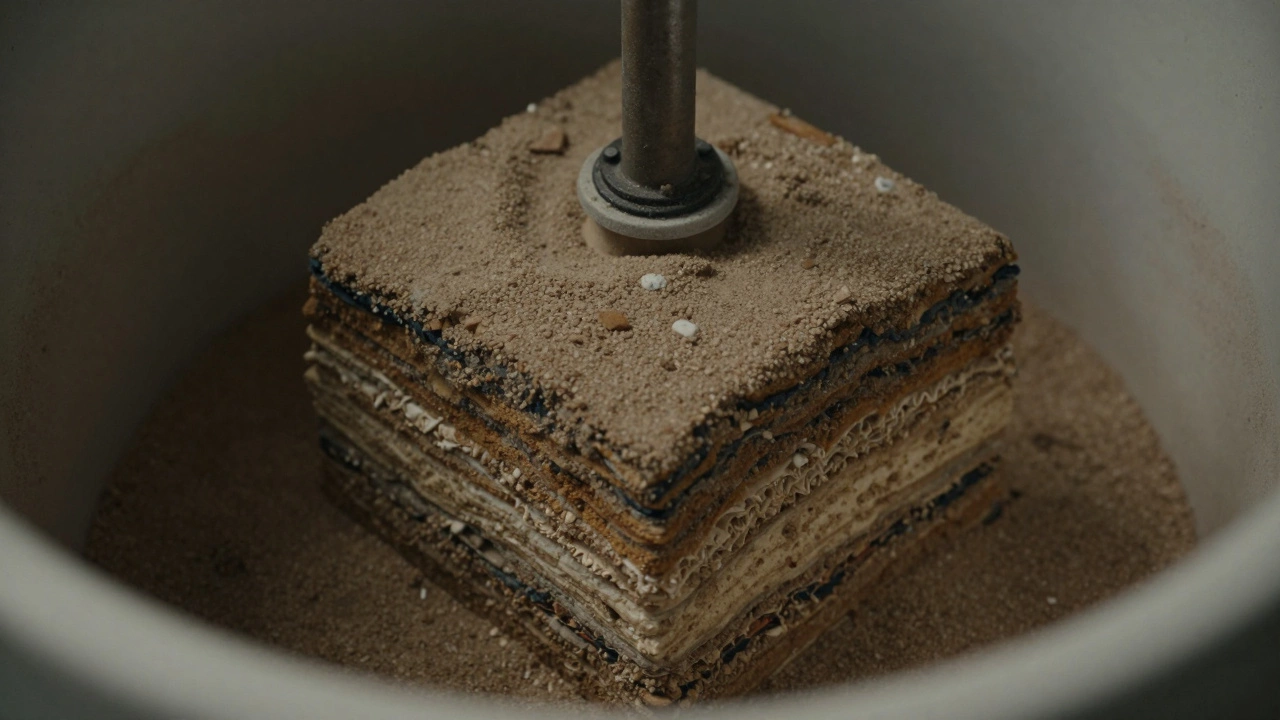
Time alone isn’t the only factor. How much hot water you use speeds up the depletion rate. A family of four taking daily showers will burn through an anode faster than a single person who rarely uses hot water. Hard water is another major accelerant. Minerals like calcium and magnesium coat the rod, preventing it from reacting properly. In some cases, the rod gets encased in so much limescale that it stops working entirely, even if there’s still metal underneath. This is common in areas with very hard water, such as parts of Bristol or the wider UK countryside where borehole water is used.
Types of Anode Rods: Which One Fits Your System?
Not all rods are created equal. Choosing the right type depends on your water chemistry and local regulations. Here’s a quick breakdown:
| Type | Best For | Lifespan | Pros | Cons |
|---|---|---|---|---|
| Magnesium | Soft water areas | 3-5 years | High protection, cheap | Can cause sulphur smell, degrades fast in hard water |
| Aluminium-Zinc | Hard water areas | 5-7 years | No smell, lasts longer | Slightly less protective than magnesium |
| Powered Impressed Current | Very large tanks or severe corrosion | 10+ years | Never replaces, adjustable voltage | Expensive upfront, needs external power |
In the UK, many modern heaters come with flexible link rods that connect to the inlet pipe. These are easier to replace but follow the same wear rules. If you’re unsure which type you have, check your manual or ask a local plumber. Using the wrong type in the wrong water condition can lead to premature failure.
When to Call a Professional
Replacing an anode rod sounds simple, but it can go wrong quickly. If the hex bolt is seized due to years of heat and corrosion, forcing it can crack the tank’s glass lining. If you’ve never done plumbing work before, consider hiring a pro. They have the right tools, like impact drivers, to loosen stuck bolts without damaging the heater. Also, if your water heater is over ten years old, replacing the anode might not be worth it. At that point, the tank itself may already be compromised. A professional can assess whether saving the tank is financially sensible compared to installing a new unit.
How often should I replace my anode rod?
Most experts recommend inspecting the rod every two to three years. Replacement frequency depends on water quality. In soft water, a rod might last five years. In hard water or high-usage households, you might need to replace it every two years. Regular checks prevent unexpected failures.
Can I replace an anode rod myself?
Yes, if you have basic DIY skills. You’ll need a socket wrench, a bucket, and possibly a pipe wrench if the bolt is tight. Ensure the power and water supply are off before starting. If the bolt won’t budge, stop and call a plumber to avoid cracking the tank.
Does a bad anode rod affect energy bills?
Indirectly, yes. A failing rod leads to sediment buildup and corrosion, which insulates the heating element. This forces the heater to work harder and longer to maintain temperature, increasing energy consumption. Keeping the rod healthy helps maintain efficiency.
What happens if I ignore a bad anode rod?
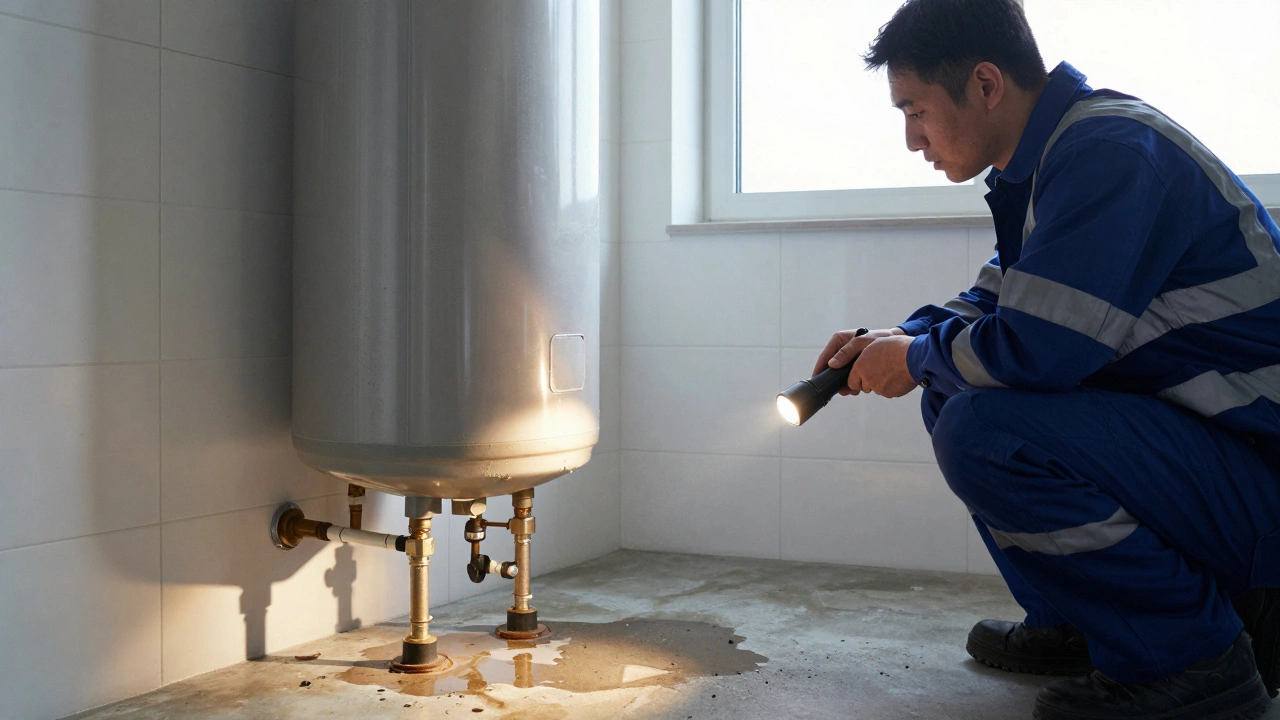
The steel tank begins to corrode. Once the tank rusts through, it will leak. There is no way to patch a rusted tank effectively; you’ll need to replace the entire water heater. Ignoring the rod turns a £30 part into a £500+ emergency replacement.
Are powered anode rods better?
They offer superior protection and never need physical replacement, but they cost significantly more upfront. They are ideal for homes with aggressive water chemistry or if you plan to keep the water heater for its maximum lifespan. However, they require an electrical connection and proper grounding to work safely.