- 14 Jun 2026
- Gideon Thornton
- 0
Water Heater Repair vs. Replace Calculator
Use this tool to make a data-driven decision. Enter your unit's details below to see if it makes financial sense to fix it or buy a new one.
Enter Details
Fill in the fields on the left to get an instant recommendation based on industry standards.
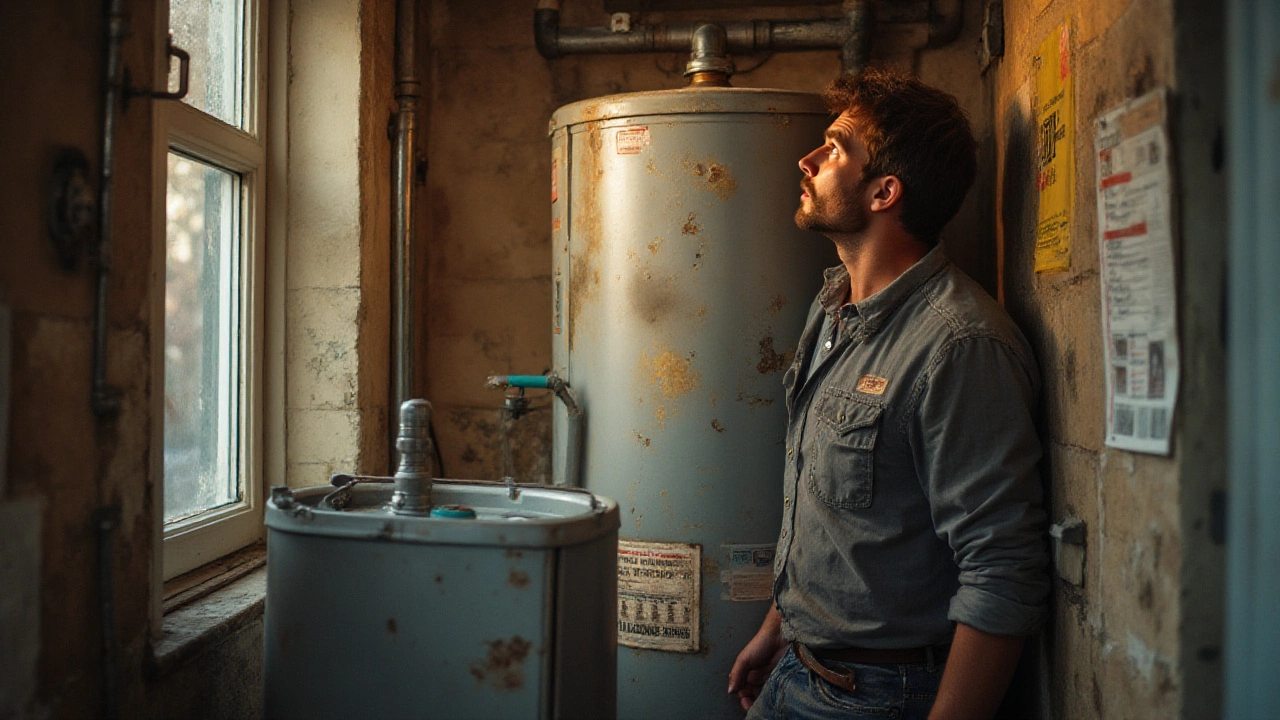
You step into the shower, expecting warmth, but only lukewarm or cold water comes out. It’s frustrating, especially on a damp Bristol morning. Before you call for an emergency water heater repair, you might be asking yourself a simpler question: is this unit just old? Knowing exactly how long your system should last helps you decide whether to fix it or replace it.
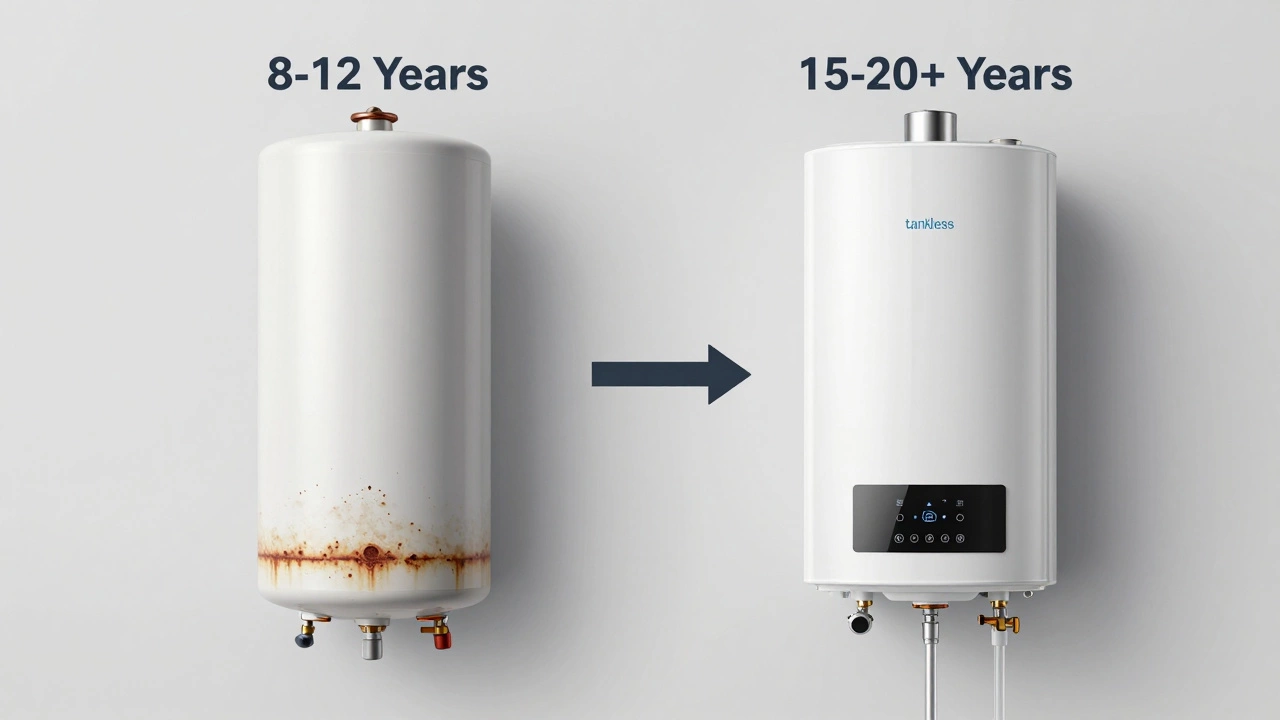
The short answer depends entirely on what type of system you have installed in your home. A standard storage tank model typically lasts between 8 and 12 years. If you have a modern tankless system, that number jumps significantly to 15 to 20 years. However, these are averages. Real-world performance hinges on water quality, maintenance habits, and usage patterns.
Understanding Tank vs. Tankless Lifespans
To understand longevity, we first need to look at the two main contenders in the market. The traditional storage tank water heater and the on-demand tankless water heater operate differently, which directly impacts their durability.
| Feature | Traditional Storage Tank | Tankless (On-Demand) |
|---|---|---|
| Average Lifespan | 8-12 Years | 15-20+ Years |
| Mechanism | Heats and stores water in a steel tank | Heats water instantly as it flows through pipes |
| Main Failure Point | Tank corrosion and rust | Heat exchanger scaling |
| Maintenance Needs | Annual flushing, anode rod check | Descaling every 1-3 years |
| Cost Efficiency | Lower upfront cost, higher energy use | Higher upfront cost, lower energy use |
Storage tanks hold a large volume of water constantly heated. This constant heating and cooling cycle puts stress on the internal components. Over time, the steel lining degrades. Once the tank corrodes through, it leaks. You cannot patch a leaking tank; you must replace the entire unit. That is why the lifespan ceiling is relatively low.
Tankless units, by contrast, do not store water. They heat water only when you turn on a tap. Because there is no standing water sitting in a vessel, the risk of catastrophic tank failure is eliminated. The primary wear component is the heat exchanger. While durable, it can suffer from mineral buildup, especially in areas with hard water. With proper care, however, these units often outlast the roof over them.
Why Your Water Heater Might Fail Early
If your unit is only five years old and acting up, something else is at play. Age isn't always the enemy. Several factors can drastically shorten the life of your heating system.
- Hard Water Minerals: In many parts of the UK, including Bristol, water contains dissolved calcium and magnesium. Inside a tank, these minerals settle at the bottom, creating sediment. This layer acts as an insulator between the burner (or element) and the water. The heater has to work harder and run hotter to get the job done. This overheating stresses the glass lining and accelerates corrosion.
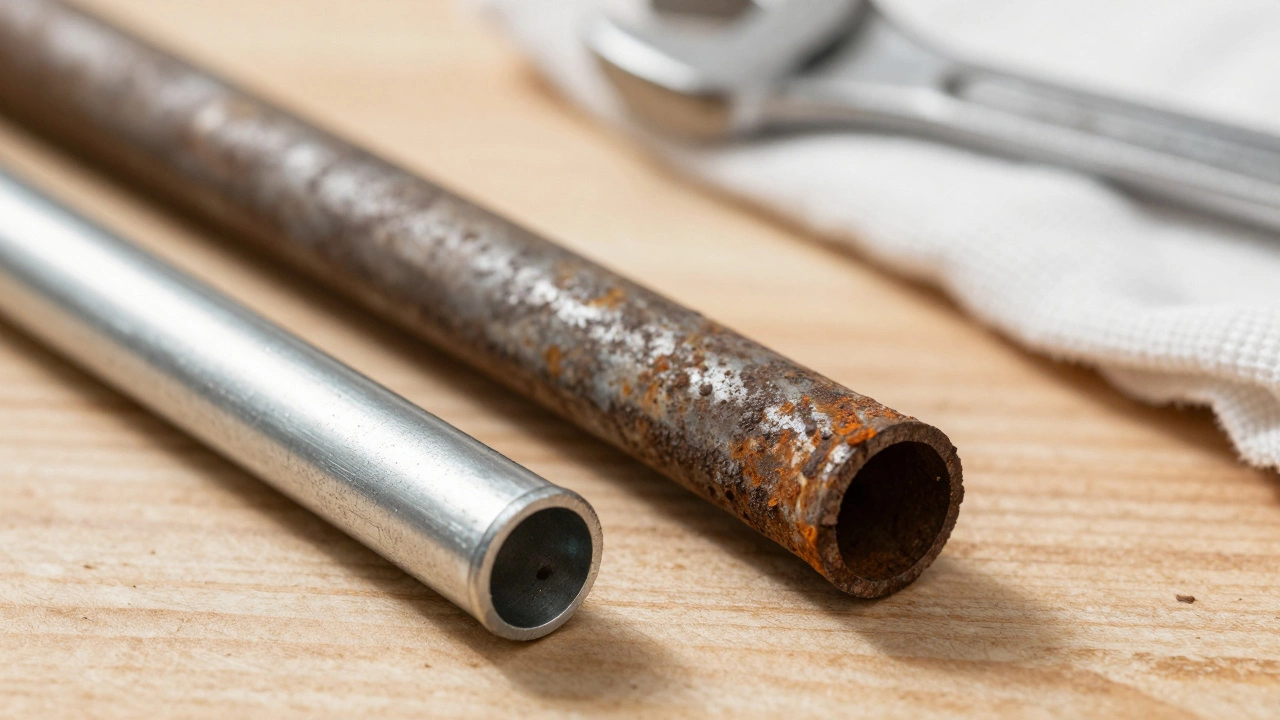
- Neglected Anode Rods: Most storage tanks have a sacrificial anode rod made of magnesium or aluminum. Its job is to corrode *instead* of the steel tank. If you never check or replace this rod, once it dissolves completely, the tank itself begins to rust. This is the single most common cause of premature tank death.
- High Temperature Settings: Setting your thermostat too high (above 60°C or 140°F) increases pressure inside the tank and speeds up scale formation. It also wastes energy. Keeping it around 50-55°C (120-130°F) is usually sufficient for household needs and extends component life.
- Lack of Flushing: Sediment buildup doesn't just reduce efficiency; it causes rumbling noises and eventual overheating of the tank floor. Flushing the tank annually removes this grit.
Signs It’s Time to Replace, Not Repair
Knowing the average lifespan is useful, but observing your specific unit is critical. Don't wait for a flood. Watch for these warning signs that indicate the end of the road.
- Rusty Water: If hot water comes out brown or orange, but cold water is clear, the tank's interior is likely corroding. This is a definitive sign of failure. No amount of cleaning will fix this.
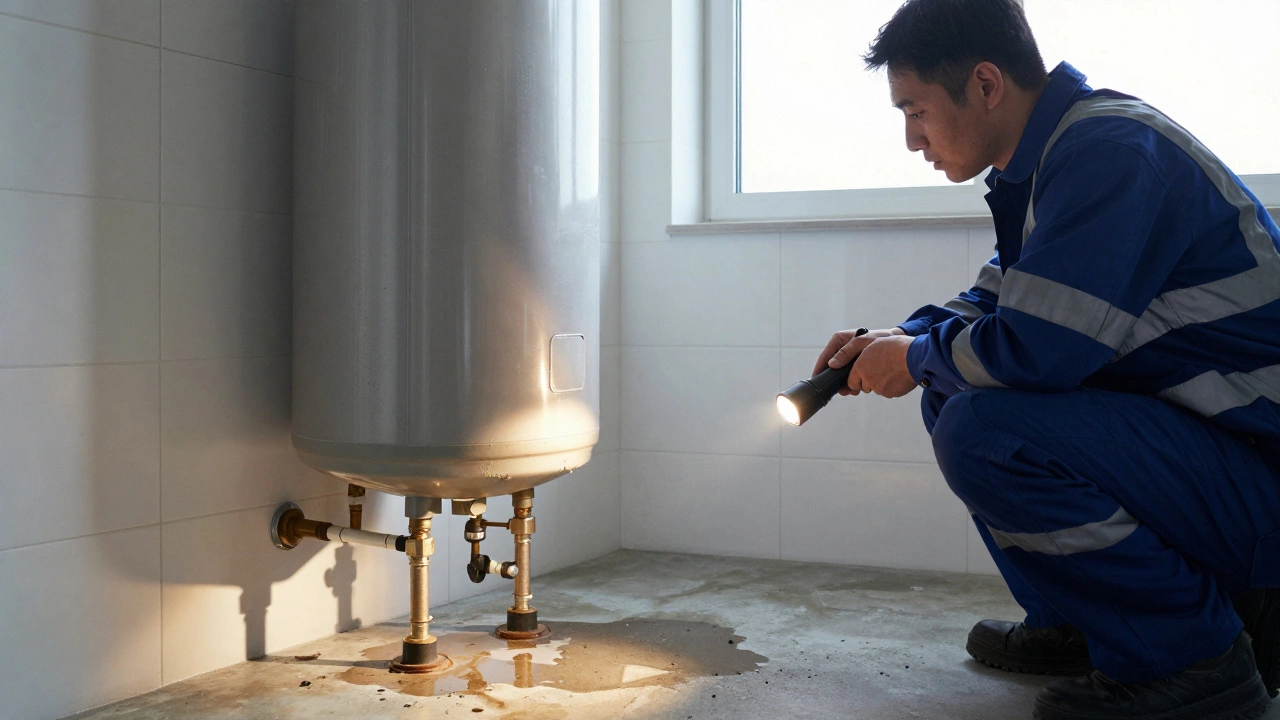
- Water Around the Base: Puddles near the base of the unit suggest a leak. Small condensation is normal in humid conditions, but steady dripping from the tank body or fittings means the integrity is compromised. If the tank itself is leaking, replacement is mandatory.
- Inconsistent Temperatures: If the water fluctuates wildly between scalding and freezing, the thermostat or heating elements may be failing. In older units, this often signals broader electrical or gas control issues that aren't worth fixing.
- Noises: Popping, banging, or rumbling sounds indicate heavy sediment buildup. While flushing might help temporarily, persistent noise suggests the tank is struggling to transfer heat efficiently, leading to premature burnout.
- Age: If your unit is over 10 years old (for tanks) or 15 years old (for tankless), consider replacement proactively. Waiting for it to break down during winter or a busy week is risky and expensive.
Maintenance Tips to Extend Life
You can push your water heater beyond its expected lifespan with simple, regular maintenance. Think of it like changing the oil in your car. It takes twenty minutes but saves thousands in repairs.
For Storage Tanks:
- Flush Annually: Connect a hose to the drain valve at the bottom of the tank and let it run until the water runs clear. This removes sediment.
- Check the Anode Rod: Every three to five years, inspect the anode rod. If more than half of it is gone, replace it. This costs less than £50 and can add years to the tank's life.
- Test the T&P Valve: The Temperature and Pressure relief valve prevents explosions. Lift the lever occasionally to ensure it discharges water freely. If it sticks, replace it immediately.
For Tankless Units:
- Descaling: Depending on your local water hardness, descale the unit every 1 to 3 years. This involves circulating a vinegar or citric acid solution through the heat exchanger to dissolve mineral deposits.
- Filter Cleaning: Tankless units have inlet filters to catch debris. Clean these every six months to maintain flow rate and efficiency.
Repair vs. Replace: Making the Decision
When your system fails, the math often dictates the choice. Here is a simple rule of thumb used by many technicians in the industry:
If the cost of the repair exceeds 50% of the price of a new unit, and the current unit is more than halfway through its expected lifespan, replace it. For example, if a new water heater costs £800 and your 9-year-old tank needs a £400 heating element replacement, buy a new one. You’ll get better efficiency, a warranty, and peace of mind.
Conversely, if a 4-year-old unit has a faulty thermostat costing £100 to fix, repair it. The core structure (the tank) is still sound, and you have many years left.
Also consider efficiency. Older models are significantly less efficient than modern ones. Replacing an aging unit with a high-efficiency model can reduce your energy bills, offsetting the initial investment over time. In the UK, where energy prices fluctuate, this financial incentive is real.
Frequently Asked Questions
What is the average lifespan of a gas water heater?
A standard gas storage tank water heater typically lasts between 8 and 12 years. Gas tankless models generally last longer, averaging 15 to 20 years, provided they receive regular descaling and maintenance to prevent mineral buildup in the heat exchanger.
Can I extend the life of my water heater?
Yes, regular maintenance is key. For tank models, flush the sediment annually and replace the sacrificial anode rod every few years. For tankless models, perform descaling treatments based on your local water hardness. Keeping the temperature setting moderate (around 50-55°C) also reduces stress on the components.
Is it worth repairing a 10-year-old water heater?
Usually, no. At 10 years old, a standard tank is at the upper limit of its lifespan. Unless the repair is very minor (like a simple valve or thermostat swap), the likelihood of another major failure soon is high. Investing in a new, more efficient unit is typically the smarter financial decision.
Why does my water heater make popping noises?
Popping or rumbling sounds are caused by sediment buildup at the bottom of the tank. As the water heats, steam bubbles form under the layer of sediment and burst, creating noise. This indicates reduced efficiency and potential overheating of the tank floor. Flushing the tank can resolve this issue.
What are the signs that my water heater is leaking?
Look for puddles or moisture around the base of the unit. Check for wetness on the pipes connected to the tank. If you see rust-colored water coming from your hot taps, the internal tank may be corroding and leaking internally before it becomes visible externally. Immediate inspection is required if leaks are suspected.
Does hard water affect water heater lifespan?
Yes, hard water significantly shortens lifespan. Minerals like calcium and magnesium precipitate out of the water and build up as scale. In tanks, this leads to sediment and overheating. In tankless units, it clogs the heat exchanger. Installing a water softener or performing regular descaling/flushing is essential in hard water areas.