- 19 Oct 2026
- Gideon Thornton
- 0
Hot Water Diagnostic Tool
Is your kitchen tap scalding while your bathroom shower runs cold? Use this diagnostic tool to identify the likely culprit before calling a plumber.
Likely Cause:
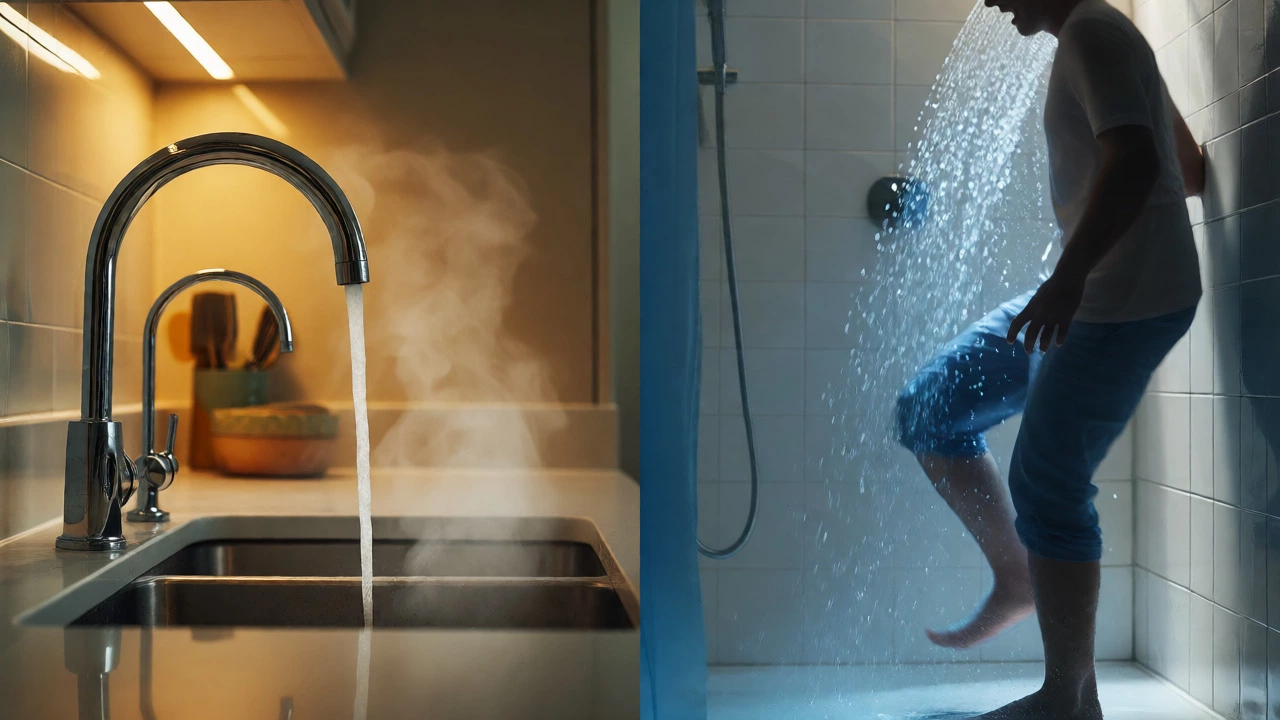
You turn on the kitchen tap and get scalding hot water instantly. You walk into the bathroom, step into the shower, and get a cold blast that makes you jump. It’s frustrating, confusing, and honestly, it feels like your house is playing favorites with your plumbing. But here’s the thing: this isn’t magic, and it rarely means your entire water heater is broken. In fact, if the kitchen works fine, your boiler or tank is likely doing its job perfectly. The problem is almost always local to the bathroom fixtures or the pipes leading there.
This specific mismatch-hot in one room, cold in another-is one of the most common complaints homeowners face, yet it’s often misunderstood. People panic, assuming they need a new £1,000 boiler replacement when they might just need a £20 part replaced or a simple cleaning routine. Before you call an engineer and pay for a call-out fee, let’s walk through exactly what’s happening inside your walls and under your sinks. We’ll look at the physics of your pipes, the mechanics of your taps, and the sneaky little valves that control temperature distribution.
Check the Basics Before Blaming the Boiler
It sounds too simple to be true, but half the time, the issue isn’t mechanical failure-it’s user error or a temporary glitch. Start by testing every hot tap in the house. Is it just the bathroom sink? Or is the bathtub shower also cold? If only one fixture is affected, your water heater is innocent. If all bathroom fixtures are cold but the kitchen is hot, we’re looking at a branch line issue.
First, check your mixer taps. Modern bathroom mixers have two separate inputs: hot and cold. If the hot feed is blocked or disconnected, you’ll only get cold water, even if the tap handle is turned fully to the left (or right, depending on orientation). Try turning the tap to full hot. If nothing comes out, or only cold water flows, the hot supply to that specific tap is compromised. This is distinct from a pressure balance issue, where you get water flow but no heat.
Next, consider recent usage patterns. Did someone run a long bath or use multiple showers recently? In homes with older combi boilers, there’s a limit to how much hot water can be delivered simultaneously. However, this usually results in lukewarm water everywhere, not ice-cold water in one room while the other stays boiling. So, unless your boiler is severely undersized for your household demand, simultaneous usage is unlikely to be the sole culprit for a total lack of heat in the bathroom.
The Hidden Culprit: Limescale and Pipe Blockages
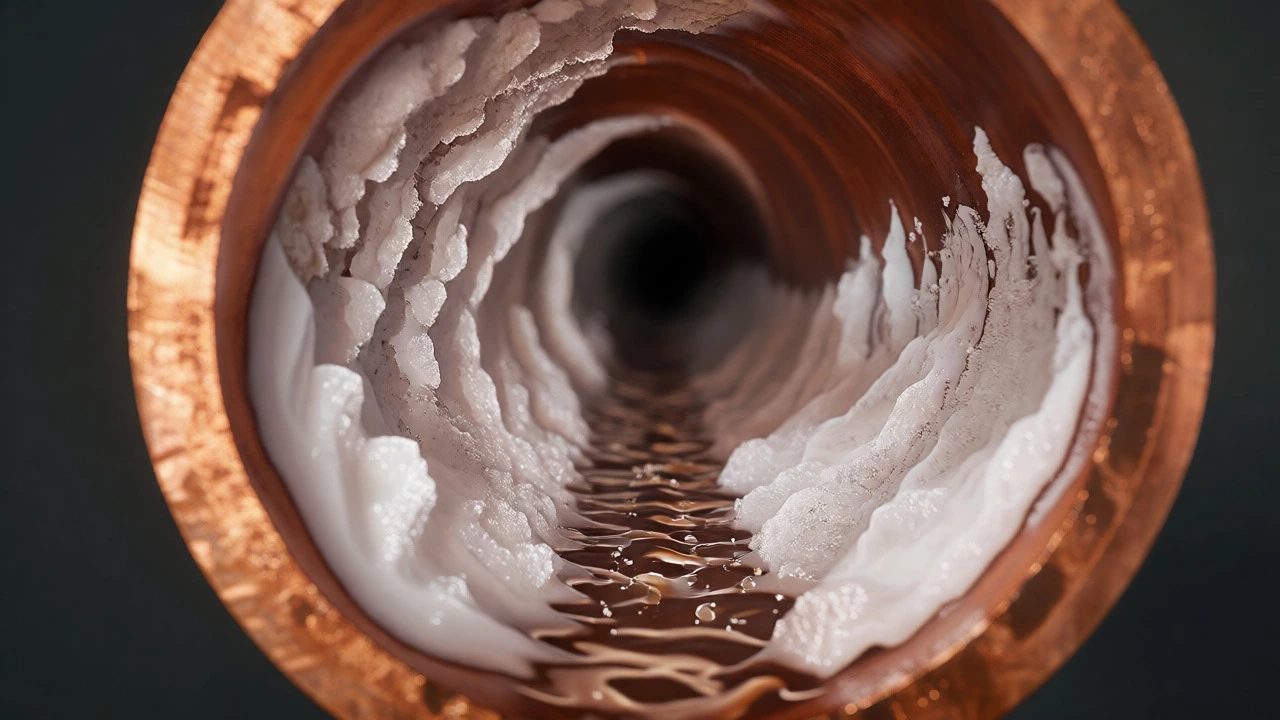
If you live in a hard water area-which covers a huge chunk of the UK, including Bristol where I’m based-you have a silent enemy building up inside your pipes: limescale. Over years, calcium carbonate deposits accumulate, narrowing the internal diameter of your pipework. Think of it like cholesterol in arteries. The kitchen sink might have shorter, wider runs of pipe, allowing enough flow to maintain heat. But the bathroom? That often involves longer vertical runs up to upstairs bathrooms, tighter bends, and smaller bore pipes.
Limescale restricts flow rate. When flow is restricted, the hot water moves slower through the pipe. By the time it reaches the bathroom, it has lost significant heat to the surrounding cool air and walls. Worse, if the blockage is severe, the hot water might not reach the tap at all within a reasonable timeframe, leaving you standing in a trickle of cold water while waiting for heat that never arrives.
| Symptom | Limescale Buildup | Faulty Mixing Valve |
|---|---|---|
| Time to Hot Water | Longer than usual; gradual decline over months | Instantly cold or fluctuating wildly |
| Water Pressure | Reduced flow volume (trickle) | Normal pressure, wrong temperature |
| Other Taps | May affect whole branch line | Isolated to specific fixture |
To test for this, remove the aerator (the mesh screen) from the end of your bathroom tap. Check for white, chalky debris. If you see chunks of scale, that’s your smoking gun. Cleaning the aerator might help slightly, but if the blockage is deep in the pipework, you’ll need a professional descaling service or, in extreme cases, repiping sections of the system.
Mixing Valves and Thermostatic Controls Gone Wrong
Many modern homes, especially those built after the 2000s, use thermostatic mixing valves (TMVs) to prevent scalding. These devices blend hot and cold water to ensure the output never exceeds a safe temperature, usually around 48°C. They are brilliant for safety but notorious for failing in ways that mimic "no hot water."
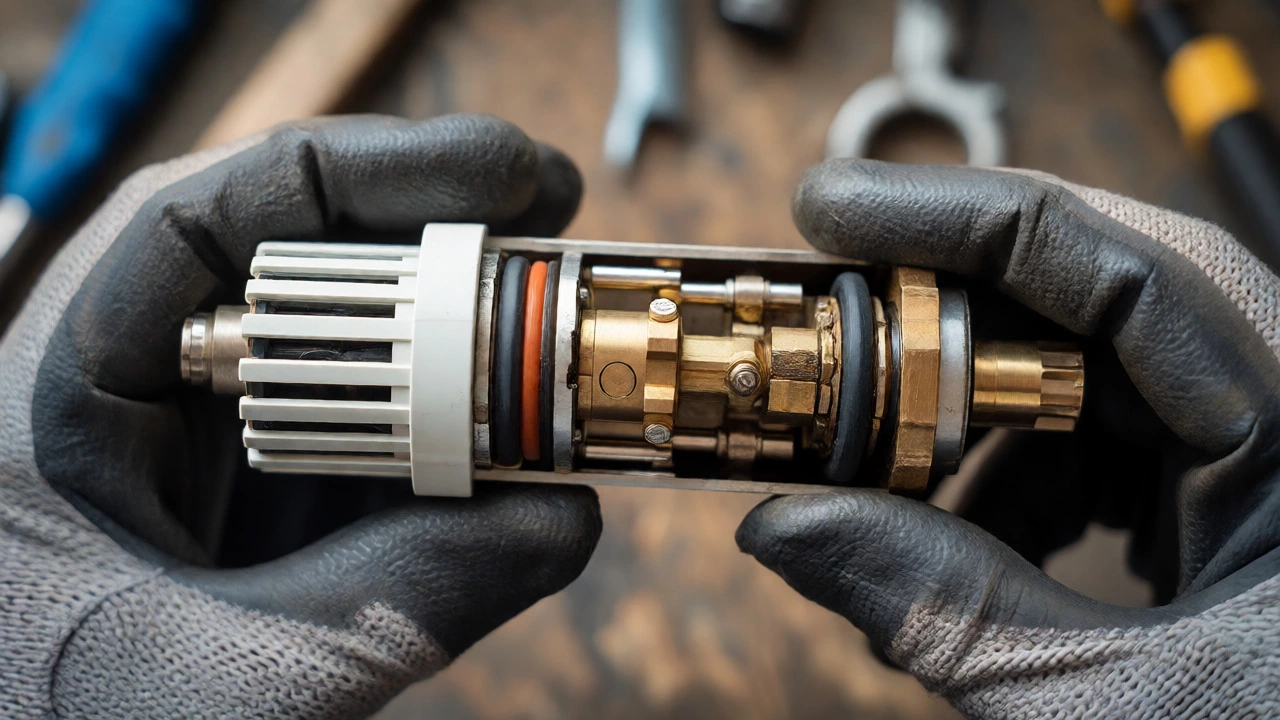
A TMV has two thermostatic cartridges-one controlling hot, one controlling cold. If the hot cartridge fails, sticks, or gets jammed by debris, it might close off the hot water inlet entirely. Result? You open the tap expecting warmth, but the valve only lets cold water through. This is particularly common in showers with digital controls or high-end basin mixers.
How do you know if it’s the valve? If you have a traditional tap without a TMV, skip this section. But if your bathroom fittings are modern, look for signs of erratic behavior. Does the temperature swing from freezing to boiling with tiny movements of the handle? That’s a classic stuck cartridge symptom. Sometimes, simply cycling the tap back and forth rapidly can dislodge minor debris and restore function temporarily. But generally, these cartridges are sealed units that need replacement, not repair.
Pipe Layout and Distance Loss
Physics plays a bigger role than we’d like to admit. Hot water loses heat as it travels. If your water heater is located far from the bathroom-for example, in a garage or basement-the hot water has to travel through meters of copper or plastic pipe before reaching you. Along the way, it transfers heat to the surrounding structure.
In many older homes, the kitchen is closer to the boiler than the upstairs bathroom. The distance might be only five meters more, but combined with uninsulated pipes running through cold lofts or external walls, that extra length can result in a noticeable temperature drop. If the water takes three minutes to arrive, it might arrive at 35°C instead of 60°C, feeling merely warm rather than hot.
Insulation is the fix here. Wrapping exposed pipes in foam lagging slows down heat loss significantly. If you access your loft or underfloor voids, check if the pipes leading to the bathroom are bare. Uninsulated copper pipes act as radiators, dumping their heat into the attic space before it ever reaches your shower head. Adding insulation sleeves is a cheap, DIY-friendly upgrade that pays dividends in comfort and energy efficiency.
Air Locks and Pressure Imbalances
Have you recently had work done on your plumbing? Or did you notice the problem start after a burst pipe was fixed? Air locks are trapped pockets of air inside the pipework that stop water flow. Because air compresses and water doesn’t, an air lock can completely block the path of hot water, forcing it to take a different route or stopping it dead.
Kitchen sinks are often lower in the system or have easier access points, making them less prone to trapping air in critical spots compared to upstairs bathrooms. To clear an air lock, try opening all hot taps in the house, starting with the lowest one and working upwards. Let them run until the flow becomes steady and smooth. Sometimes, connecting a hose between the kitchen cold and hot taps (with both ends opened) can force water through the system to push the air bubble out, but this requires care to avoid cross-contamination.
Pressure imbalances can also cause issues. If your cold water mains pressure is significantly higher than your hot water storage pressure, cold water can "win" the battle inside a mixer tap, pushing back against the hot feed. This results in a weak trickle of lukewarm water or complete dominance by the cold side. Checking the pressure gauges on your boiler (if accessible) can reveal if the hot circuit is under-pressurized.
When to Call a Professional
You’ve checked the taps, cleaned the aerators, insulated the pipes, and bled the air locks. Still getting cold water in the bathroom? Now it’s time to bring in a plumber. Here’s what they’ll look for:
- Failed Diverter Valve: In shower setups, a diverter directs water to the bath spout or the shower head. If it’s faulty, it might not be routing hot water correctly.
- Internal Boiler Fault: While rare if the kitchen works, some boilers have secondary circuits or plate heat exchangers that can fail partially. A specialist diagnostic is needed here.
- Collapsed Pipe: In very old systems, lead or thin copper pipes can physically collapse due to corrosion or external pressure, blocking flow entirely.
- Incorrect Pipe Sizing: If the bathroom was renovated recently, narrow pipes might have been used, restricting flow below the threshold needed to trigger the boiler’s flow switch (for combi systems).
Before the engineer arrives, note down exactly when the problem started, whether it’s constant or intermittent, and if any other changes occurred in the house (new appliances, leaks, renovations). This context saves them-and you-time and money.
Why does my shower go cold when I flush the toilet?
This indicates a pressure imbalance or insufficient hot water recovery rate. Flushing the toilet uses cold mains water, which drops the overall pressure available to the shower mixer. If your hot water source (like a combi boiler) can't compensate quickly enough, the mixer shifts to add more cold water to maintain flow, causing the temperature to plummet. Installing a pressure-balancing shower valve can solve this.
Can low water pressure cause no hot water?
Yes, specifically with combi boilers. Most combi boilers require a minimum flow rate (often around 2-3 liters per minute) to ignite the burner. If limescale or a blockage reduces the flow below this threshold, the boiler won't fire up, resulting in cold water. The kitchen tap might still work because it has a larger outlet or shorter pipe run, maintaining sufficient flow to trigger the boiler.
How do I know if my mixing valve is broken?
Symptoms include sudden inability to get hot water, water that is scalding hot regardless of setting, or temperatures that fluctuate wildly without changing the handle position. If you have a thermostatic shower, try adjusting the temperature dial. If there's no change in output temperature, the thermostat element is likely failed and needs replacing.
Is it cheaper to fix pipes or replace the boiler?
Fixing localized pipe or valve issues is almost always cheaper. Replacing a mixing valve cartridge costs £20-£50 plus labor. Descaling a system might cost £100-£200. A new boiler costs £800-£1,500+. Since your kitchen has hot water, the boiler itself is likely functional, so focus on fixing the delivery system to the bathroom first.
Does pipe insulation really make a difference?
Absolutely. Uninsulated pipes lose heat rapidly, especially in winter. Foam insulation sleeves reduce heat loss by up to 50% in exposed areas. For long runs to upstairs bathrooms, this ensures the water arrives hotter and faster, reducing wait times and wasted water.