- 15 Oct 2026
- Gideon Thornton
- 0
Electric Oven Diagnostic Assistant
Answer the questions below to narrow down the cause of your oven's issue.
Is the oven completely dead?
Check if the clock/display lights up or if any interior light turns on when opening the door.
Does the oven heat up at all?
Turn the oven on to a standard temperature (e.g., 180°C). After 10 minutes, does the interior feel hot?
How does it behave while heating?
Select the symptom that best describes the cooking result.
Do you hear the fan running?
Listen closely near the back/center of the oven cavity.
Recommended Action:
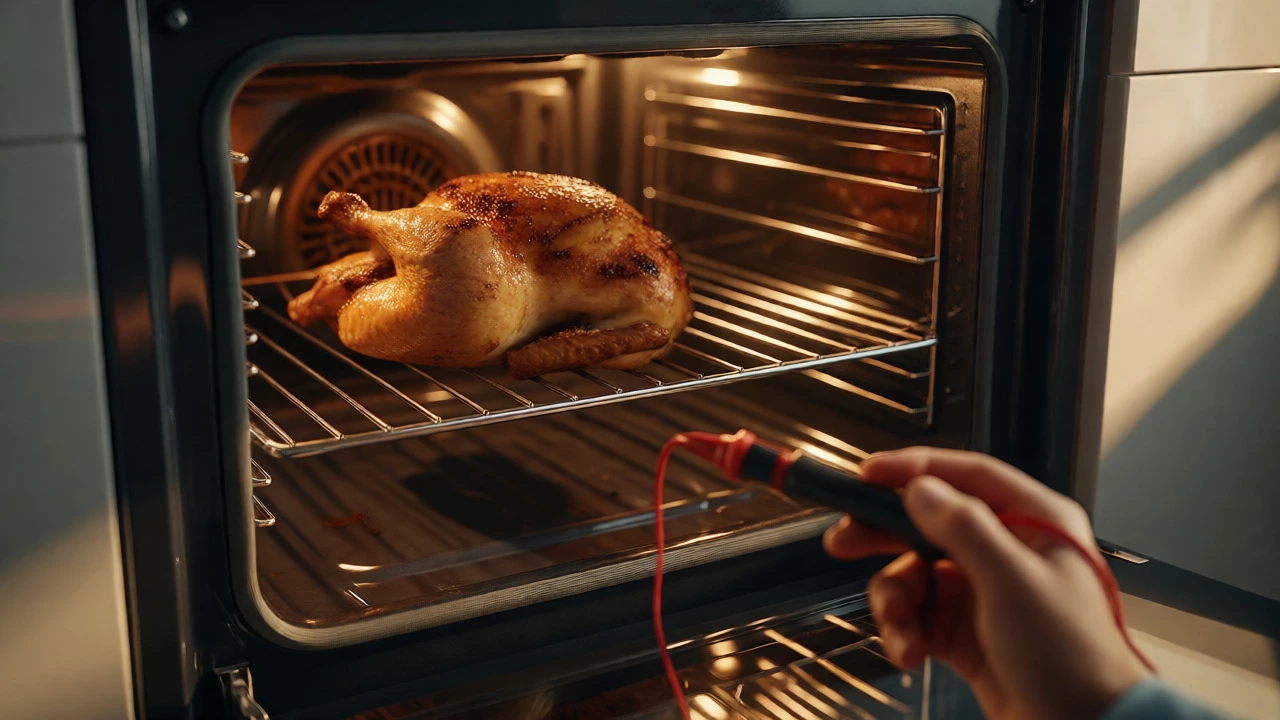
You turn the knob to 200°C, slide in your roast chicken, and walk away. Two hours later, you open the door to find lukewarm, undercooked meat staring back at you. Or maybe the light stays on, but the heat never arrives. It’s frustrating, especially when you have guests coming over or a meal plan falling apart. Before you reach for your phone to call an engineer, there is a good chance you can pinpoint the issue yourself. Electric ovens are surprisingly simple machines built from a few key components. Understanding how they work lets you diagnose faults with confidence, saving you both time and money.
The Power Supply Check
It sounds obvious, but it’s the most common reason an oven seems "dead." Before blaming the internal parts, check the external connections. Does the clock display work? If the display is blank, the oven isn’t getting power. This could be a tripped circuit breaker in your consumer unit (fuse box) or a blown fuse in the plug if your oven uses one. Modern built-in ovens often connect directly to the mains via a fused spur rather than a standard plug.
- Check the Consumer Unit: Look for any switches that have flipped down. Reset them carefully.
- Test the Outlet: Plug another appliance into the same socket or spur to ensure it has live electricity.
- Inspect the Cable: Look for visible damage to the cable entering the wall or the connection point behind the oven.
If the lights and fan work but the oven doesn’t heat, the problem lies deeper within the appliance. This distinction-power present vs. no heat-is crucial for narrowing down the culprit.
Heating Element Failure
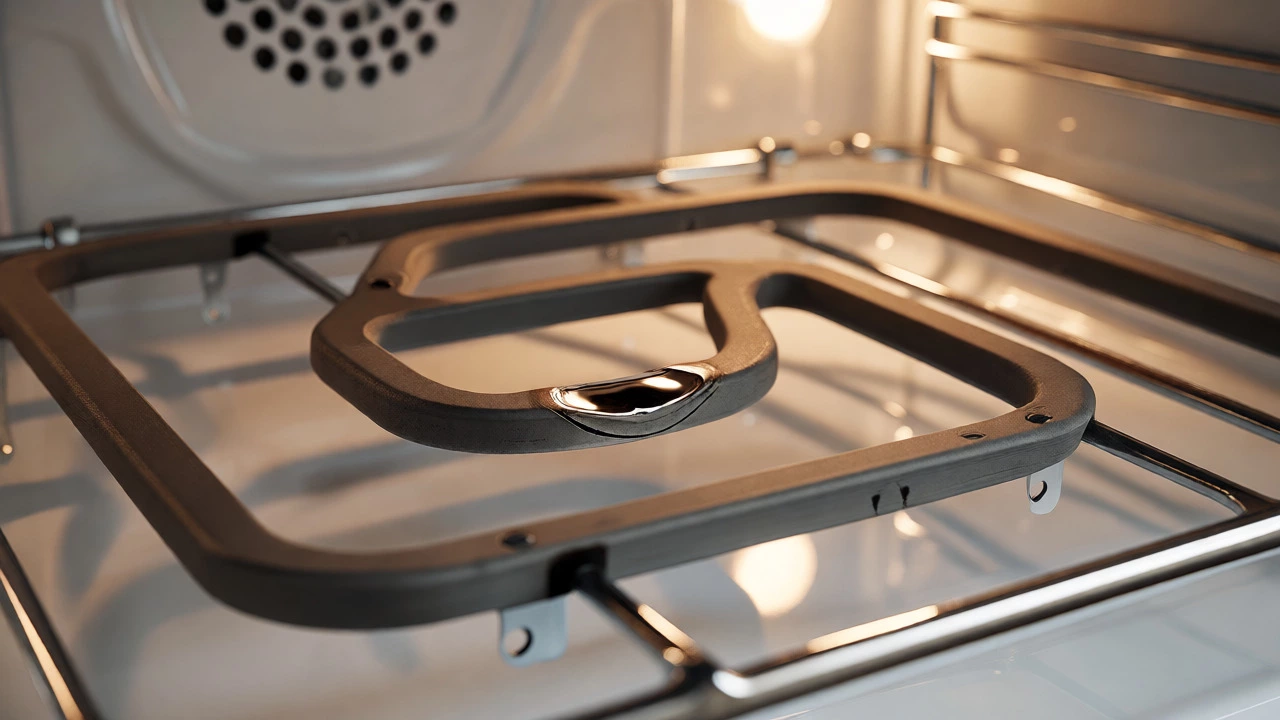
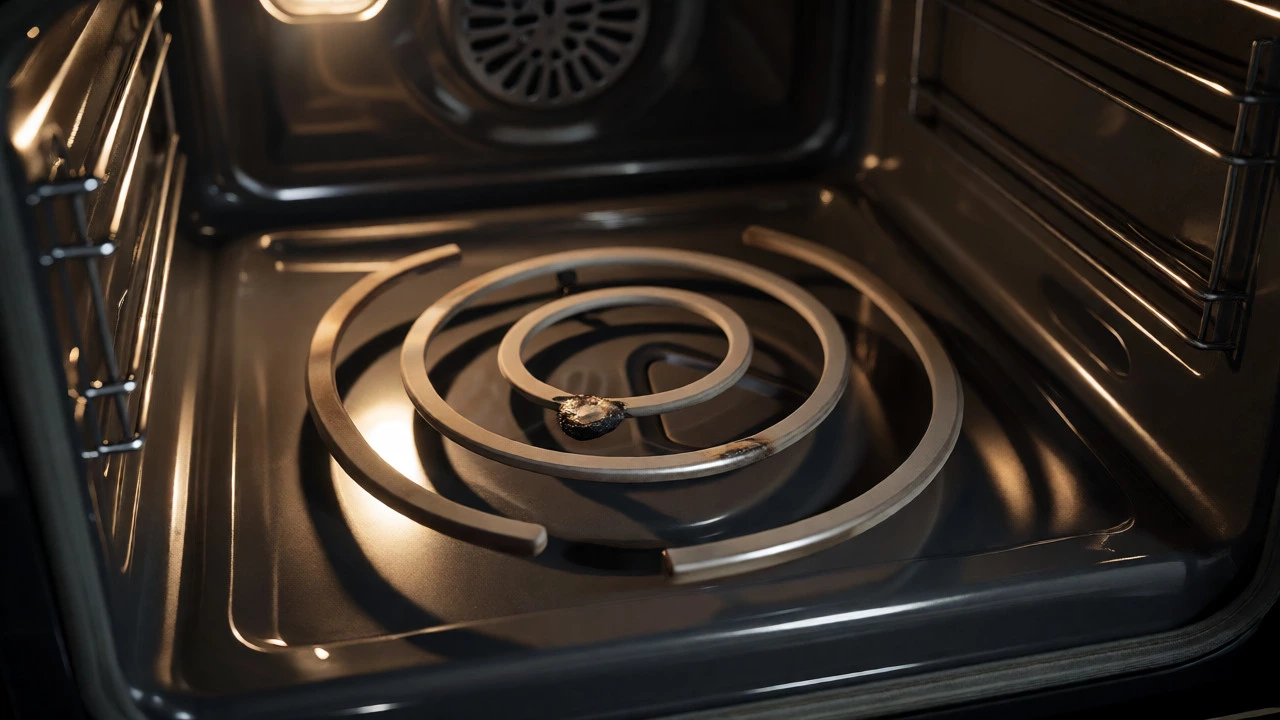
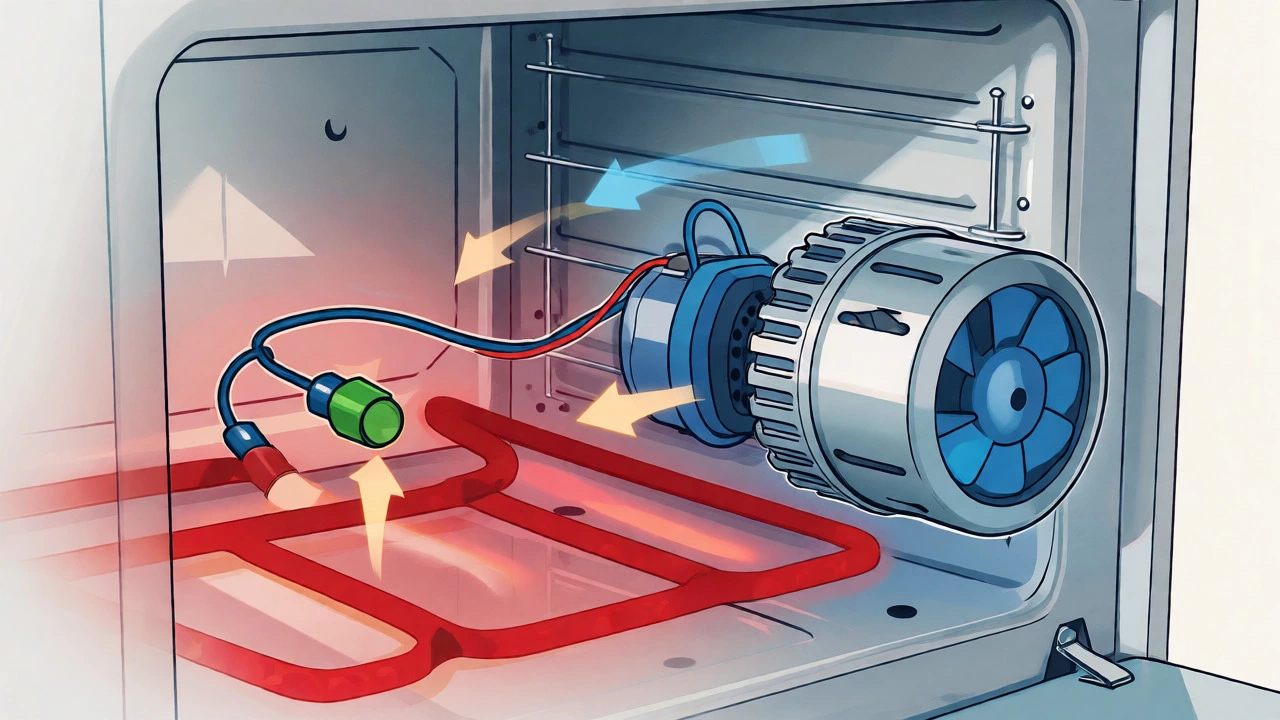
The heating elements are the heart of your electric oven. They convert electrical energy into heat through resistance. Most ovens have multiple elements: a bottom element for baking, a top grill element for browning, and sometimes a circular element around the fan for convection cooking.
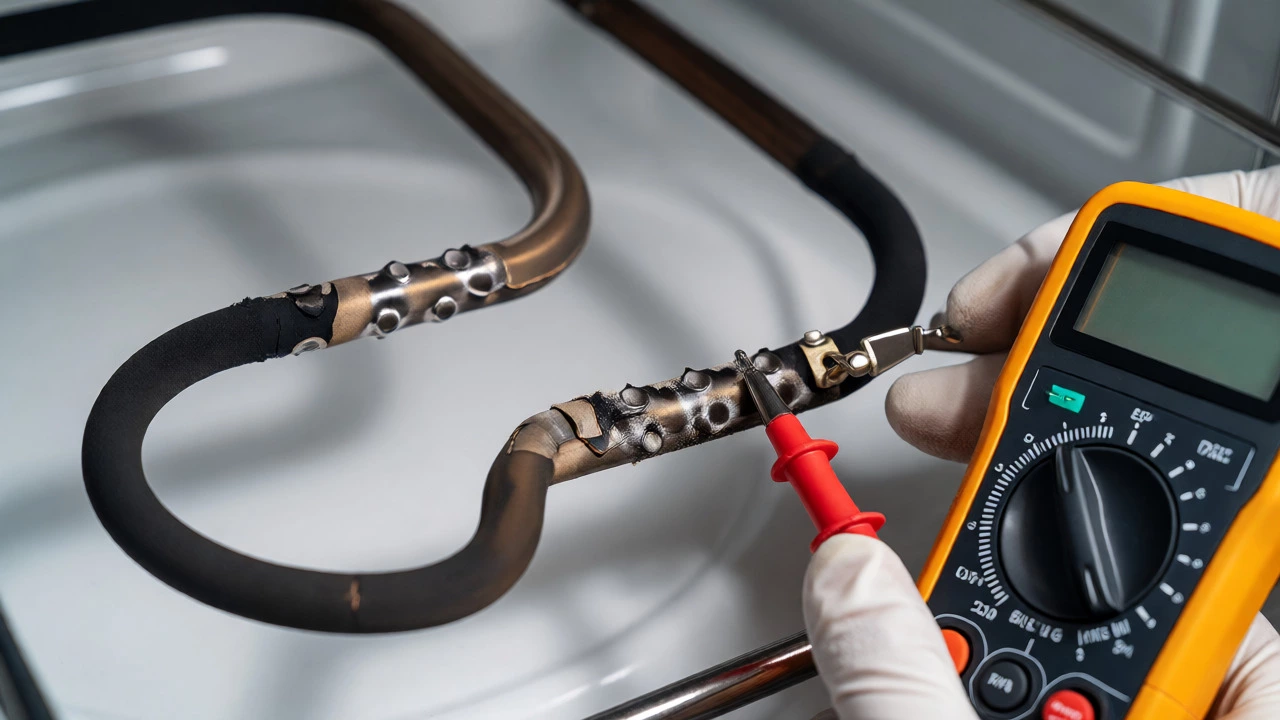
Visual inspection is your best tool here. Turn off the power at the mains, wait for the oven to cool completely, and pull out the racks. Look closely at the elements. Do you see any blisters, cracks, or holes in the metal sheath? A burnt-out element often looks physically damaged, like a burnt piece of toast. However, not all failures are visible. An element can look perfect but still be broken internally.
To confirm this, you need a multimeter. Set it to continuity mode (or resistance/ohms). Touch the probes to the terminals of the element. If the meter shows infinite resistance (often displayed as 'OL' or '1'), the circuit is broken inside, and the element needs replacing. If it shows a low resistance value (typically between 50 and 100 ohms depending on the model), the element is likely fine.
The Thermostat and Temperature Sensor
If your oven heats up but doesn’t hold the right temperature, the thermostat is usually to blame. The thermostat acts as the brain, telling the heating elements when to turn on and off based on the internal temperature. In older ovens, this was a mechanical dial connected to a bimetallic strip. Newer models use electronic sensors.
Symptoms of a faulty thermostat include:
- The oven overheats significantly, burning food quickly.
- The oven never reaches the set temperature, leaving food raw.
- The temperature fluctuates wildly.
Testing a thermostat requires removing the rear panel of the oven. You’ll find the sensor probe inside the cavity. Using a multimeter, measure the resistance across the sensor terminals while heating it gently with a hairdryer. The resistance should change smoothly as the temperature rises. If the reading jumps erratically or stays static, the sensor is dead. Replacing these parts is relatively straightforward for anyone comfortable using screwdrivers and basic wiring diagrams.
The Thermal Fuse Safety Switch
This is the silent killer of many electric ovens. The thermal fuse is a safety device designed to cut power to the heating elements if the oven gets too hot, preventing fires or component damage. Unlike a regular fuse, a thermal fuse is non-resettable. Once it blows, it must be replaced.
Why does it blow? Often, it’s a symptom of another problem, such as a stuck relay or a blocked ventilation fan causing overheating. But sometimes, it just fails due to age or a power surge. If your oven has power (lights/fan work) but absolutely no heat, and the elements test fine, suspect the thermal fuse.
Locating it can be tricky. It’s usually found near the motor housing or behind the control panel. You’ll need to unplug the oven and remove the relevant covers. Test it with a multimeter for continuity. If there is no continuity, replace it immediately. Note: Always address the root cause of overheating (like cleaning filters or checking fans) before installing a new fuse, or it will blow again.
Fan Motor Issues in Convection Ovens
Modern ovens rely heavily on fans to circulate hot air evenly. If the fan stops spinning, your oven may heat unevenly or fail to reach temperature efficiently. Listen closely when you turn the oven on. Do you hear the fan whirring? If it’s silent, or if it makes a grinding noise, the motor might be seized or burnt out.
A common misconception is that if the fan doesn’t spin, the oven won’t heat at all. In many designs, the fan runs only when the oven is on, but the heating elements might still work. However, some ovens have interlocks that prevent heating if the fan isn’t detected. Check your user manual for this specific behavior.
| Symptom | Likely Culprit | Diagnostic Action |
|---|---|---|
| Oven completely dead (no lights) | Mains supply or Control Board | Check fuse box; test voltage at terminal block |
| Lights/Fan work, no heat | Thermal Fuse or Heating Element | Test thermal fuse for continuity; inspect elements visually |
| Uneven cooking | Fan Motor or Element | Listen for fan operation; check element integrity |
| Overheating/Burning food | Thermostat/Sensor | Test sensor resistance response to heat |
| Door not sealing properly | Door Seal/Gasket | Inspect rubber seal for tears or hardening |
Control Panel and User Interface Errors
With digital ovens come digital problems. Sometimes the issue isn’t mechanical but electronic. If the display flashes error codes, consult your manual. These codes often point directly to a failed sensor or communication breakdown between the control board and the oven body.
Touchscreen panels can also become unresponsive. This is often due to moisture ingress or worn-out capacitors on the main PCB (Printed Circuit Board). Try resetting the oven by turning off the power at the mains for 5-10 minutes. This clears temporary glitches in the software logic. If the problem persists, the control board itself may need professional replacement, which is often more expensive than fixing simpler components.
When to Call a Professional
While many electric oven faults are DIY-friendly, some scenarios require a qualified technician. If you smell burning plastic or see smoke, stop immediately and disconnect the power. This could indicate a short circuit or melting insulation, which poses a fire risk.
Also, consider calling a pro if:
- You are uncomfortable working with high-voltage components.
- The oven is under warranty (DIY repairs often void warranties).
- The fault involves the main control board or complex wiring harnesses.
- You’ve replaced the obvious parts (elements, fuses) and the problem remains.
Remember, safety first. Always isolate the power source before touching any internal components. Electricity doesn’t forgive mistakes, especially in a wet kitchen environment.
Preventive Maintenance Tips
Identifying problems is half the battle; preventing them is the other. Regular maintenance extends the life of your oven significantly.
- Clean Spills Promptly: Sugary spills can burn onto elements, causing them to fail prematurely.
- Check Door Seals: A torn gasket lets heat escape, forcing the elements to work harder and wear out faster.
- Ventilation: Ensure the vents around the oven aren’t blocked by cabinets or debris. Proper airflow prevents overheating and protects the thermal fuse.
By keeping these habits in mind, you reduce the likelihood of sudden breakdowns during critical cooking moments.
Can I replace an oven heating element myself?
Yes, replacing a heating element is one of the easiest DIY repairs. You typically need a Phillips screwdriver and pliers. After isolating the power, remove the screws holding the element, disconnect the wires (take a photo first for reference), install the new element, reconnect the wires, and secure it. No special tools are required.
How much does it cost to fix an electric oven?
Costs vary widely. Parts like heating elements or thermal fuses range from £20 to £60. Labor charges for a professional engineer in the UK typically start around £80-£120 for a call-out and first hour of work. If the control board fails, costs can exceed £200, making replacement of the oven a viable option if it's older.
Why is my oven light on but not heating?
This usually indicates a failure in the heating circuit specifically. The most common causes are a blown thermal fuse, a faulty heating element, or a defective thermostat. Since the light and fan (if applicable) work, the main power supply is intact, pointing to a component-specific break in the heating loop.
Is it safe to use an oven with a cracked glass door?
Generally, yes, if the crack is superficial and confined to the inner pane. Most modern oven doors have double or triple glazing. However, if the outer pane is cracked or the door feels unstable, it’s safer to replace the glass assembly to prevent shattering under thermal stress.
What does a bad thermal fuse sound like?
A bad thermal fuse is silent. You won't hear it blow. The symptom is simply that the oven stops heating entirely while other functions (lights, fan) continue to operate normally. It cuts the circuit invisibly.