- 9 Feb 2026
- Gideon Thornton
- 0
Fridge Compressor Diagnostic Tool
Compressor Health Check
Answer these 6 questions based on your fridge's condition to determine if the compressor is failing. This tool follows the diagnostic steps from our guide.
1. Sound Check
2. Temperature Check
3. Coil Temperature
4. Leak Check
5. Start Relay Test
6. Fridge Age
Diagnostic Result
If your fridge isn’t cooling like it used to, and the lights are still on but the food is warming up, you’re probably wondering: is my fridge compressor gone? It’s a common fear-especially in winter when you can’t afford to lose your frozen veggies or that batch of homemade stock. The compressor is the heart of your fridge. Without it, refrigerant doesn’t circulate, and cooling stops. But how do you know for sure it’s dead, and not just something simple like a dirty coil or a faulty thermostat?
Listen for the hum
A working compressor makes a low, steady hum. Not loud, not rattling-just a quiet, continuous vibration you feel more than hear. If you kneel down by the back or bottom of the fridge (where the compressor usually sits), you should hear it running every 10 to 20 minutes, depending on how full the fridge is and how often the door opens.If you hear nothing at all-not even a click-then the compressor might not be getting power. But if you hear a loud buzz, a clicking sound every few seconds, or a rattling noise that sounds like a marble rolling inside a tin can, that’s a red flag. A buzzing compressor that won’t start usually means the motor is trying to turn but can’t. That’s a classic sign of a failing start relay or a locked-up compressor.
Check the temperature
Put a thermometer in a glass of water and leave it in the middle of the fridge for 24 hours. If it reads above 5°C (41°F), your fridge isn’t cooling properly. Now check the freezer. If it’s above -12°C (10°F), the problem is almost certainly the compressor. A fridge can still feel cold near the vents even if the compressor has failed, because residual cold lingers. But if the whole interior is lukewarm, the refrigerant isn’t moving.Don’t rely on the built-in digital display. Those often just show what the thermostat thinks it’s set to-not what the actual temperature is. A thermometer is your best friend here.
Feel the coils
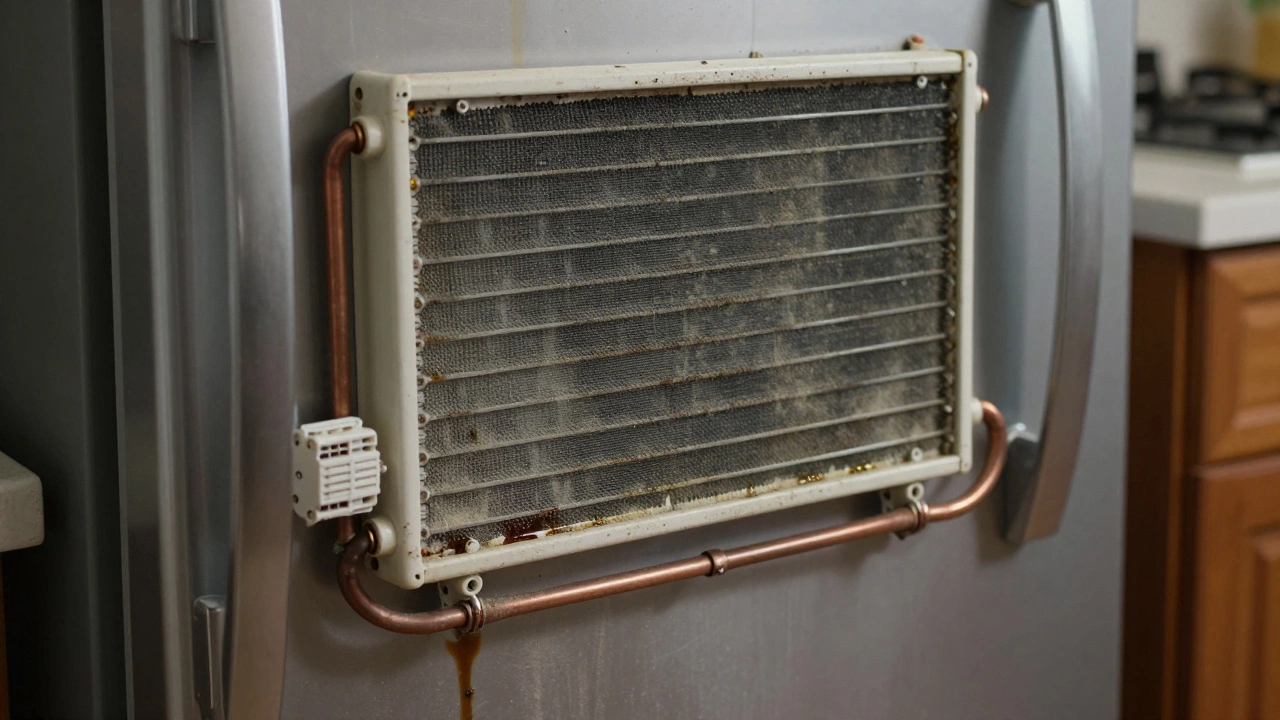
Go to the back of the fridge. You’ll see a set of metal coils-usually black or grey. If the compressor is working, those coils should be warm to the touch, sometimes even hot. That’s because the compressor pumps hot refrigerant gas through them to release heat into the room.If the coils are completely cold, or only slightly warm, that’s bad news. It means the refrigerant isn’t being pressurized and pushed through the system. A compressor that’s dead won’t generate that heat. If the coils are dusty or blocked, clean them first. But if they’re clean and still cold, the compressor isn’t doing its job.

Look for leaks or oil
A compressor that’s failing might leak refrigerant oil. Look around the compressor area, especially near the copper tubes. If you see a greasy residue, or a dark, oily film on the metal, that’s a sign of a refrigerant leak. Refrigerant escapes through tiny cracks when the compressor overheats or wears out. Once the gas is gone, cooling stops-even if the compressor still runs.Some leaks are slow. You might not notice them until the fridge stops cooling entirely. If you’ve had to recharge the fridge before, or if it’s been more than 10 years since you bought it, this is a likely culprit.
Test the start relay
Before you assume the compressor is dead, check the start relay. It’s a small, usually white or black plastic box clipped onto the side of the compressor. You can unplug the fridge, pull it off, and shake it. If you hear a rattle inside, the relay is broken. It’s a cheap fix-around £15 to £25 in the UK-and it’s often the real problem.Replace it first. If the fridge still doesn’t start after that, the compressor is likely the issue. Most DIYers skip this step and jump straight to replacing the whole compressor, which is expensive and often not worth it.
Compare the age and cost
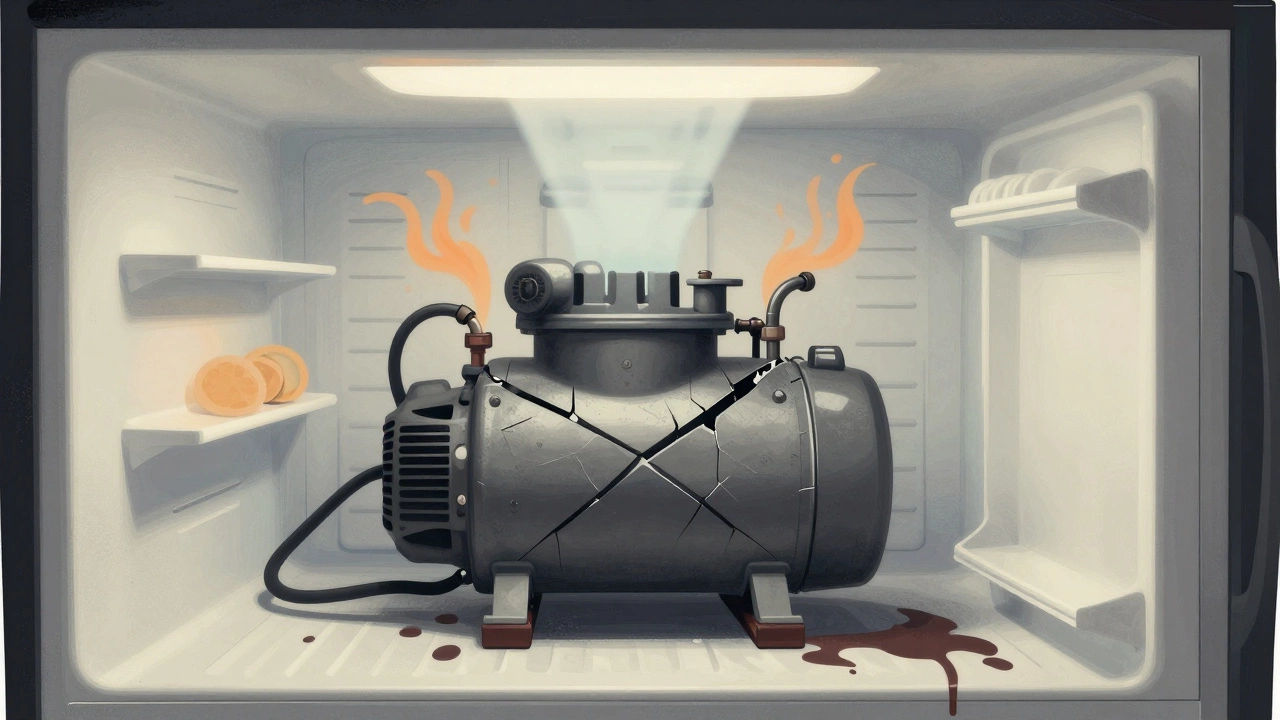
If your fridge is older than 10 years, replacing the compressor usually isn’t a smart move. A new compressor costs £200 to £400, plus labour. A new A-rated fridge costs between £400 and £700, and you’ll save money on electricity over time. The UK’s Energy Saving Trust says a 15-year-old fridge uses twice as much power as a new one.Ask yourself: Are you emotionally attached to this fridge? Does it have a special feature you can’t find elsewhere? If not, it’s time to let go. Many people keep old fridges out of habit, not logic. The cost of repeated repairs adds up faster than you think.
What to do next
If you’ve checked the relay, the coils, the temperature, and the noise-and everything points to a dead compressor-you have two choices: repair or replace.- If the fridge is under warranty or less than 5 years old, contact the manufacturer. Some brands still cover compressors for 5-10 years.
- If it’s 5-10 years old, get a quote for compressor replacement. But be warned: some repair shops will charge you £300 just to diagnose it, then say it’s not fixable.
- If it’s over 10 years old, start shopping for a new one. Look for models with an A+++ rating. They’re quieter, use less energy, and often come with better warranties.
Don’t ignore the signs. A fridge with a failing compressor doesn’t just stop cooling-it can start leaking refrigerant into your kitchen. Some older models use R134a or R600a-gases that are harmless in small amounts but shouldn’t be breathed in over time. And if the compressor overheats, it can trip your circuit breaker or, in rare cases, cause a fire.
Prevention tips
To avoid this mess in the future:- Keep the coils clean every 6 months. Dust clogs them and forces the compressor to work harder.
- Don’t overload the fridge. Air needs to circulate.
- Check the door seals yearly. A leaky seal makes the compressor run non-stop.
- Unplug it for 10 minutes if it’s running constantly. Sometimes a reset helps.
- Replace the fridge before it hits 12 years. Most compressors don’t last longer.
Most people think their fridge will last forever. But like a car engine, the compressor is a mechanical part that wears out. You don’t wait until it dies to replace your brakes. Don’t wait until your food spoils to replace your fridge.