- 16 Nov 2026
- Gideon Thornton
- 0
Water Heater Reset Troubleshooter
Is your water heater constantly tripping the reset button? Use this tool to narrow down the likely cause based on your specific symptoms.
Step 1: Identify Your Heater Type
Step 2: Describe the Symptom
Diagnosis Result
Select your heater type and symptoms above, then click "Analyze Issue" to get personalized troubleshooting steps.
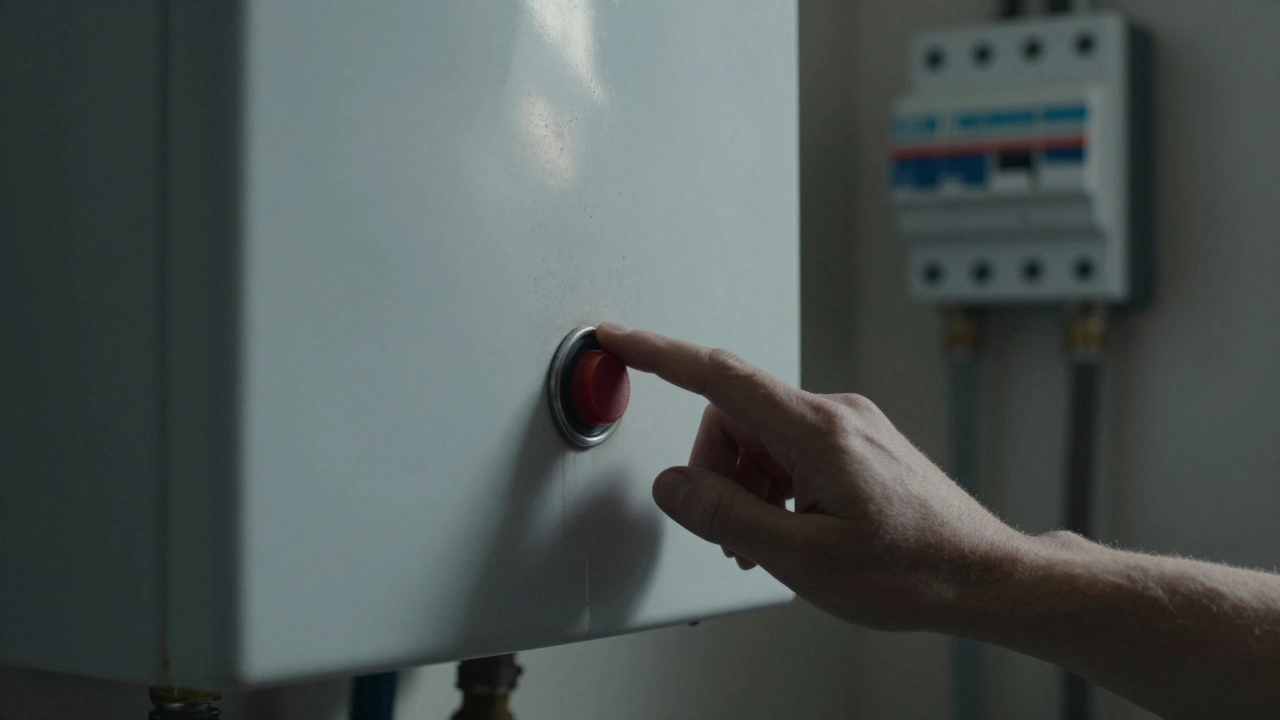
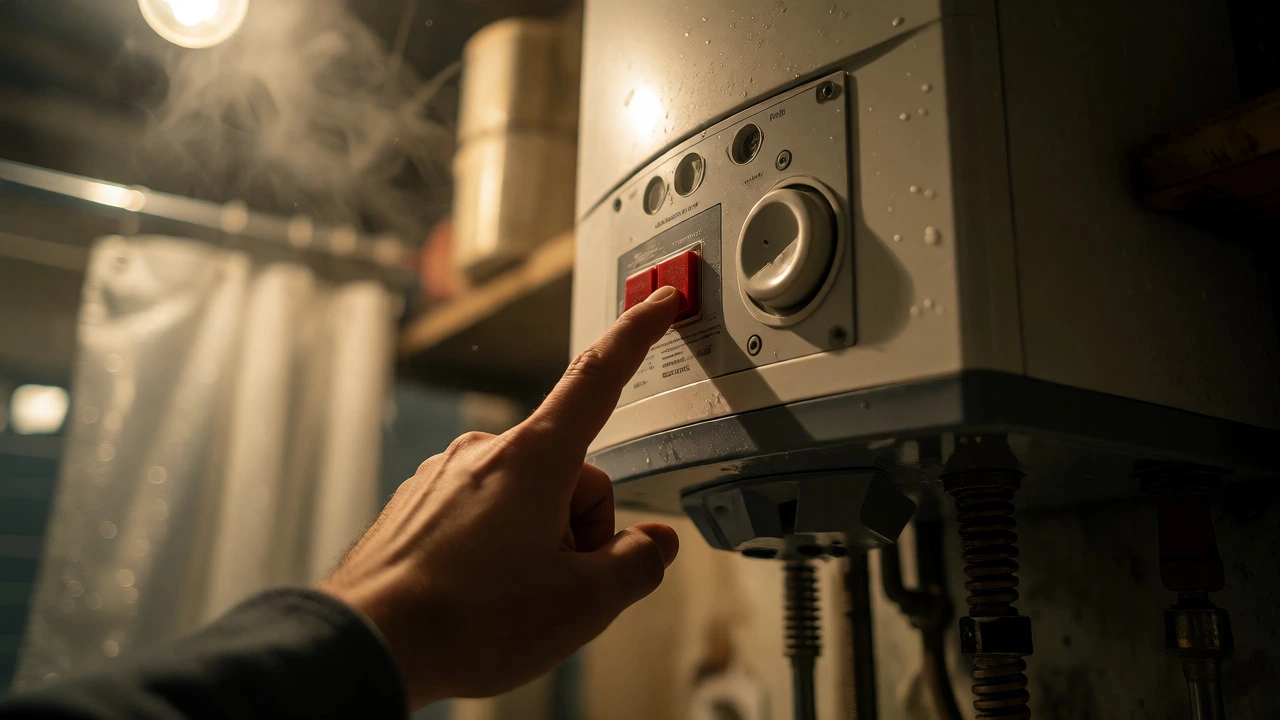
You step into the shower, expecting warmth, but get hit with a blast of cold. Frustrating, right? You head to the utility closet, press the reset button on your electric or gas water heater, and within an hour, you have hot water again. But two days later, it happens again. Why does this cycle continue?
This isn't just bad luck. It's a symptom. Your water heater is trying to tell you something specific about its internal health. If you keep resetting it without fixing the root cause, you're essentially putting a bandage on a broken bone. In this guide, we'll break down exactly why your unit keeps tripping, how to diagnose the culprit yourself, and when to call a professional.
The Quick Fix vs. The Real Problem
Before we dive deep, here is what you need to know immediately. Most resets are triggered by safety mechanisms shutting down power or fuel flow due to overheating or ignition failure. This is not normal operation.
- Electric Heaters: Likely suffering from a faulty thermostat, a failing heating element, or sediment buildup causing dry-fire conditions.
- Gas Heaters: Often dealing with a dirty thermocouple, a weak flame sensor, or issues with the pilot light assembly.
- Sediment Buildup: A universal enemy in hard-water areas (like much of Bristol) that insulates elements and causes erratic temperature readings.
If you've reset the button more than twice in a week, stop using hot water heavily and investigate. Continuing to force it can burn out components that cost hundreds to replace.
Understanding the Safety Mechanisms
To fix the problem, you need to understand what triggers the reset. Modern water heaters include multiple layers of protection designed to prevent fires, explosions, or carbon monoxide leaks. When these systems detect abnormal conditions, they cut power or gas.
For electric units, the primary safeguard is the Energy Cut Off (ECO) device. Located behind the access panels near the thermostats, the ECO trips if the water temperature exceeds approximately 180°F (82°C). This usually means the upper thermostat failed to signal the lower element to turn off, or the element itself shorted out, dumping heat uncontrollably.
In gas models, the thermocouple is the critical component. It sits in the pilot flame and generates a small electrical current proving the pilot is lit. If the pilot goes out, the thermocouple cools, stops sending the signal, and the gas valve shuts off. Sometimes, the thermocouple fails even if the pilot is lit, tricking the system into thinking there's no flame.
Common Culprits for Electric Water Heaters
If you have an electric tank, three main issues cause repeated resets. Let's look at them in order of likelihood.
Faulty Thermostats
Thermostats wear out. Over time, the bimetallic strip inside loses sensitivity. A stuck thermostat might read 120°F when the water is actually 160°F. Because it thinks the water is cool, it keeps energizing the heating element until the water boils or hits the ECO limit, forcing a trip.
Pro Tip: Check for loose wiring first. Vibration from the house or nearby appliances can loosen terminal screws on the thermostat. Loose connections create resistance, generating heat that falsely triggers the safety cutoff.
Heating Element Failure
Elements corrode over time, especially in hard water. A cracked sheath allows electricity to leak into the water tank (ground fault), which trips the breaker or the internal reset. Alternatively, scale buildup on the element acts as insulation. The element gets incredibly hot because it can't transfer heat to the water efficiently. This localized overheating trips the high-limit switch.
Sediment Accumulation
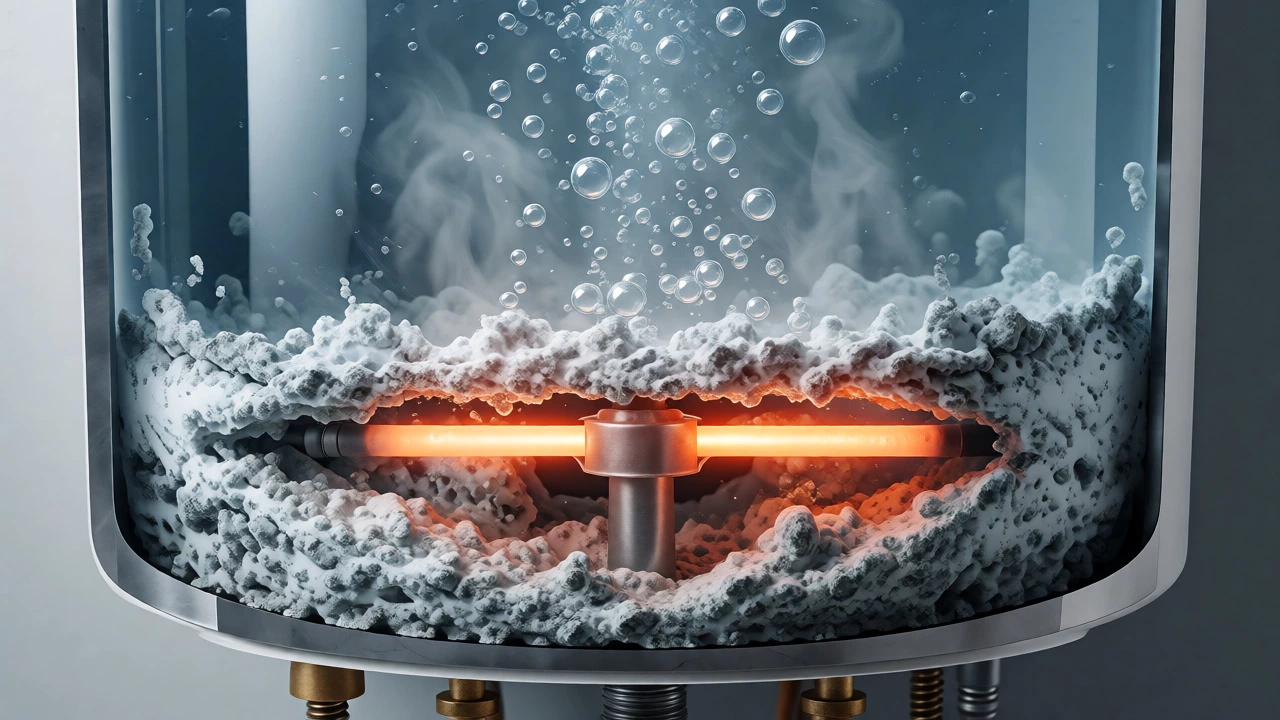
Minerals like calcium and magnesium settle at the bottom of the tank. In electric heaters, this sediment can cover the lower heating element. Since the element is buried in mineral mud rather than surrounded by water, it overheats rapidly. This is extremely common in older tanks (10+ years).
| Symptom | Likely Cause | DIY Check |
|---|---|---|
| Reset trips immediately after pressing | Shorted element or wiring | Check for burnt smell or visible damage on terminals. |
| Hot water returns, then cuts out in 1-2 hours | Failing upper thermostat or element | Use a multimeter to test continuity and voltage output. |
| No hot water, reset holds briefly | Sediment covering lower element | Flush the tank; listen for popping sounds during heating. |
Common Culprits for Gas Water Heaters
Gas units rely on combustion stability. If the flame flickers or dies, the system locks out.
Dirty or Faulty Thermocouple
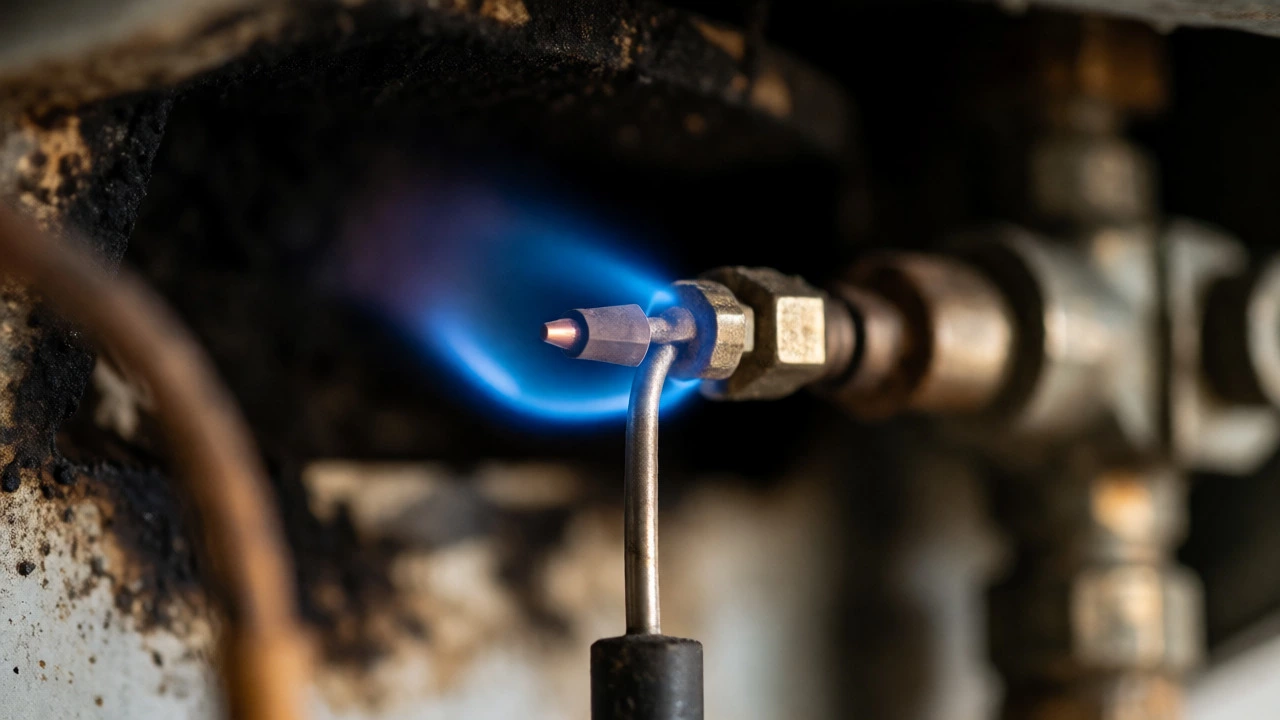
The thermocouple is a fragile sensor. Soot from the burner can coat it, preventing it from sensing heat accurately. Or, it simply reaches the end of its life (typically 5-7 years). If the tip isn't fully engulfed in the blue part of the pilot flame, it won't generate enough voltage to hold the gas valve open. After a few seconds, the valve closes, cutting the main burner.
Pilot Light Problems
A yellow or lifting pilot flame indicates poor combustion. This often stems from clogged pilot tubes filled with dust or spider webs. Debris blocks the tiny gas passage, causing an unstable flame that blows out easily. Once the pilot goes out, the thermocouple cools, and the gas supply shuts down completely.
Main Burner Ignition Delay
If the pilot stays lit but the main burner doesn't ignite quickly, unburned gas accumulates. When it finally lights, it creates a small explosion (a "bang") that can blow out the pilot. This delayed ignition is often caused by a failing gas control valve or low gas pressure.
How to Perform Basic Diagnostics
You don't need to be a plumber to do some initial checks. Always prioritize safety: turn off power or gas before touching internal components.
- Visual Inspection: Look for signs of leakage around the tank base or pipes. Even a small drip can drop water onto electrical components, causing shorts.
- Check the Pilot (Gas): Ensure the flame is steady and blue. Adjust the screw if it's too low, ensuring it engulfs the top half of the thermocouple.
- Test Continuity (Electric): Use a multimeter set to Ohms. Touch probes to the element terminals. You should see a reading between 10 and 16 ohms. An infinite reading means the element is burned out.
- Inspect Wiring: Pull gently on wire connectors. If any come loose, tighten them. Corroded wires should be replaced.
When Sediment Is the Silent Killer
In regions with hard water, sediment is the number one reason for premature water heater failure. It reduces efficiency by up to 20% and causes the noise you hear-popping, cracking, or rumbling. These sounds occur when steam bubbles form under the layer of sludge and burst through it.
If you haven't flushed your tank in over a year, do it now. Connect a hose to the drain valve at the bottom, run it outside, and open the valve. Allow water to flow until it runs clear. This removes the insulating layer that causes overheating and resets.
Age Matters: Know When to Replace
Most standard storage water heaters last 8-12 years. If yours is approaching this age and requires frequent resets, repairing it might not be worth the money. Parts become harder to find, and the risk of tank rupture increases. A new unit offers better energy efficiency and reliability.
Consider replacement if: * The tank shows signs of rust or moisture at the seams. * Repairs exceed 50% of the cost of a new unit. * You consistently run out of hot water despite having a large enough tank.
Preventing Future Resets
Maintenance is cheap compared to repairs. Here is a simple schedule to keep your system running smoothly:
- Annual Flush: Drain a gallon or two to remove sediment.
- Anode Rod Check: Every 2-3 years, inspect the sacrificial anode rod. If it's consumed, replace it to prevent tank corrosion.
- Thermostat Calibration: Ensure your setting is at 120°F (49°C). Higher temperatures increase scale buildup and energy costs.
- Clear Combustion Area (Gas): Keep the area around the burner free of dust and lint.
By staying proactive, you avoid the midnight cold showers and the emergency plumber calls. Remember, the reset button is a safety feature, not a start button. Treat it with respect, and your water heater will reward you with consistent, reliable heat.
Is it safe to keep resetting my water heater?
It is generally safe for a short period, but not indefinitely. Frequent resets indicate an underlying fault that could lead to component failure or, in rare cases, overheating risks. Limit resets to once or twice while diagnosing the issue.
Why does my water heater reset only at night?
This often points to a thermostat issue or a slow leak. At night, water usage drops, allowing the tank to reach higher temperatures. If the thermostat is faulty, it may overshoot the target temp, triggering the ECO. Additionally, thermal expansion during cooling cycles can stress weak seals.
Can hard water cause my water heater to reset?
Yes, absolutely. Hard water contains minerals that accumulate on heating elements and sensors. This buildup insulates the element, causing it to overheat and trip the safety switch. Regular flushing and installing a water softener can mitigate this.
How much does it cost to fix a water heater that keeps resetting?
Costs vary by region and issue. Replacing a thermocouple or thermostat typically ranges from £100 to £200 including labor. Heating element replacements are similar. However, if the tank itself is leaking or severely corroded, replacement costs (£600-£1,200 installed) may be more economical.
What does the red light on my water heater mean?
On many modern units, a flashing red light indicates a diagnostic error code. Consult your owner's manual to decode the flash pattern. Common codes relate to ignition failures, flame detection errors, or vent blockages.