- 6 Jul 2026
- Gideon Thornton
- 0
Water Heater Reset Risk Analyzer
Answer three questions about your water heater's behavior to determine the immediate danger level.
Ready for Analysis
Select options above to see your risk assessment.
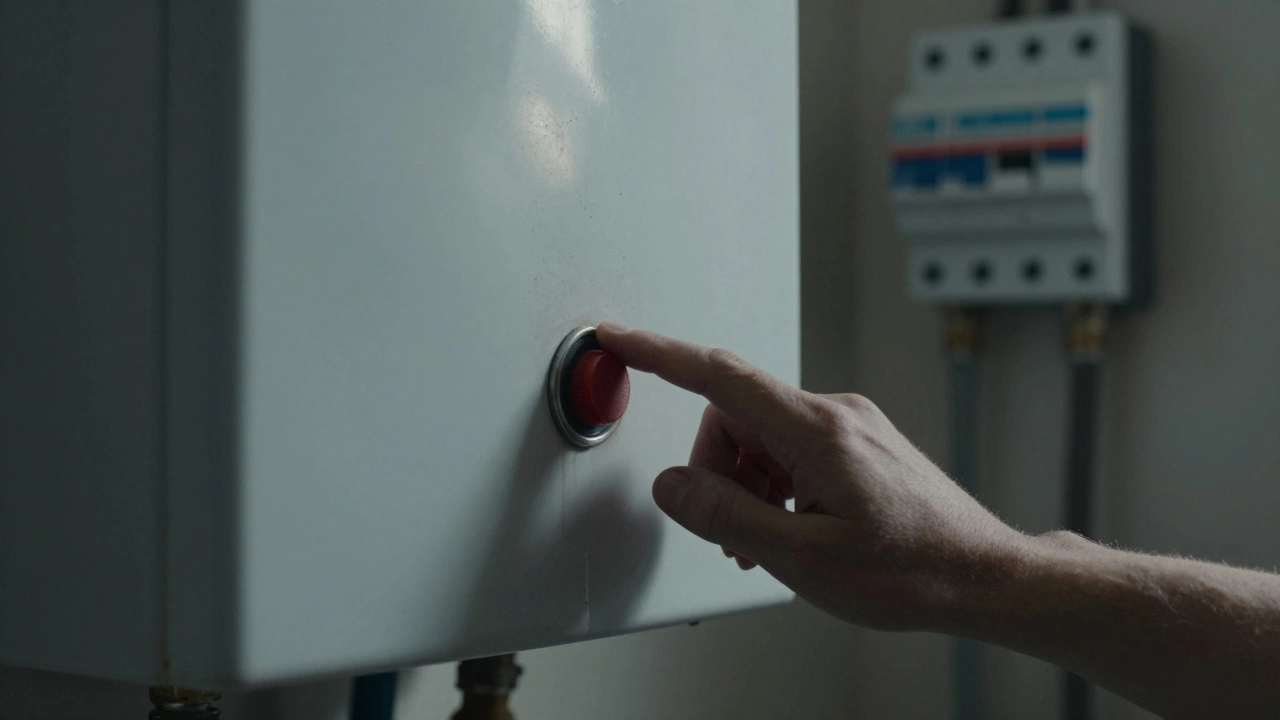
It is tempting to treat a stubborn appliance like a computer. When it freezes or stops working, you hit the restart button. With a water heater that is a household system designed to heat and store domestic hot water, this instinct can be dangerous. Many homeowners in Bristol and across the UK find themselves tapping the reset button on their electric unit or relighting the pilot on a gas model repeatedly because the hot water cuts out again minutes later.
You might think you are just waking the machine up. In reality, you are likely ignoring a distress signal. The reset mechanism exists for a reason: it trips when conditions become unsafe. Keeping it reset without fixing the underlying issue turns your bathroom into a potential hazard zone involving electrical shorts, gas leaks, or catastrophic tank failure.
The Safety Switches That Are Trying to Save You
To understand why resetting fails, you need to know what you are actually resetting. Most modern water heaters have two primary layers of protection. Ignoring these is like turning off the check engine light by cutting the wire instead of fixing the car.
| Component | Function | Why It Trips |
|---|---|---|
| High-Limit Thermostat (Electric) | Cuts power if water gets too hot | Thermostat failure, sediment buildup, stuck relay |
| Thermal Cut-Off (Gas) | Shuts off gas valve if flame is lost or overheats | Drafts blowing out pilot, faulty thermocouple, blocked vent |
| Circuit Breaker / GFCI | Stops electricity flow during faults | Short circuit, ground fault, element burnout |
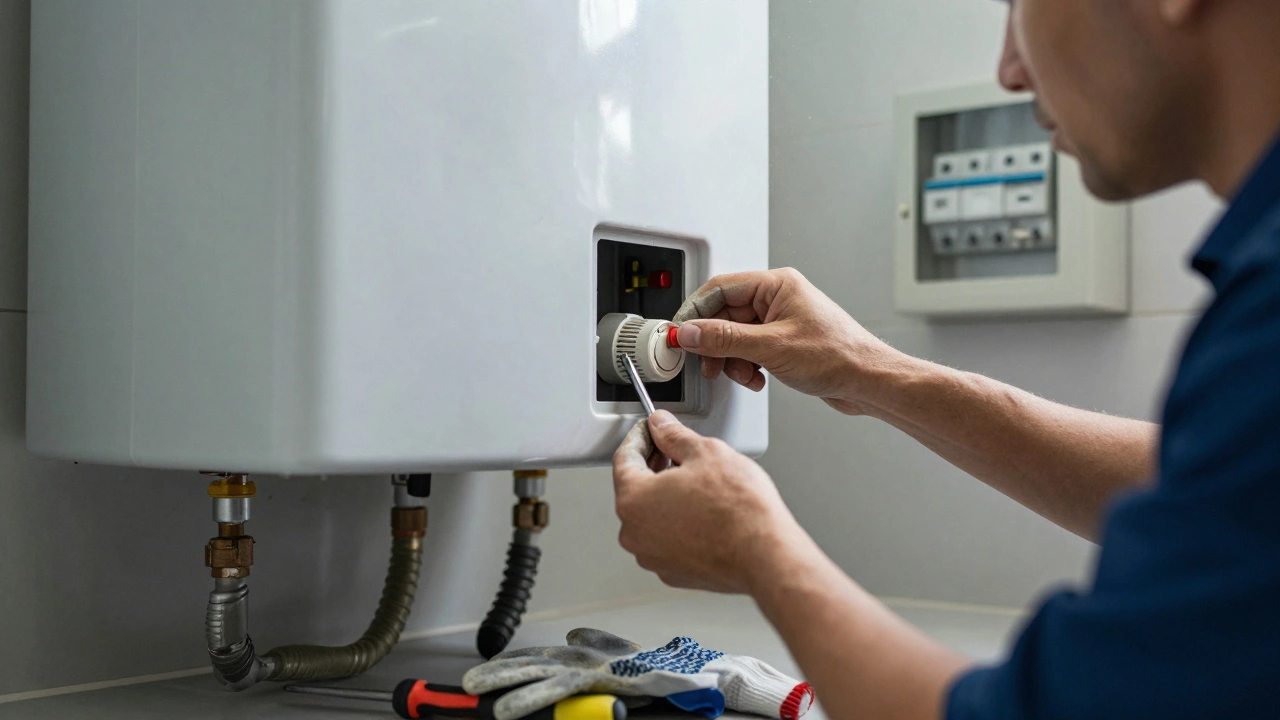
When an electric water heater’s high-limit switch trips, it means the temperature inside the tank has exceeded safe limits-usually above 140°F (60°C). This happens when the thermostat fails to tell the heating element to turn off. If you reset the switch, power returns, the element heats up, and the cycle repeats until the metal components degrade further.
For gas units, the thermal cut-off is often linked to the pilot light assembly. If the pilot goes out due to a draft or a dirty sensor, the gas valve closes. Relighting it temporarily restores heat, but if the root cause remains, the unit will shut down again. Repeatedly forcing gas ignition can lead to incomplete combustion, producing carbon monoxide.
Electrical Hazards of Repeated Resets
If you are dealing with an electric model, the risks are immediate and severe. The heating elements in a standard immersion heater that is an electrical component submerged in water to transfer heat draw significant current. A frequent trip at the consumer unit (fuse box) suggests a ground fault or a short circuit.
Consider this scenario: The insulation on a heating element degrades over time due to age or mineral buildup. Eventually, the live wire touches the metal sheath. Since the element is submerged in water, this creates a direct path to earth. The Ground Fault Circuit Interrupter (GFCI) or the main breaker trips to prevent electrocution. If you keep flipping the breaker back on, you are exposing yourself to the risk of shock every time you touch a tap or showerhead connected to that system. In worst-case scenarios, this leads to arcing fires within the wiring junction box.
In the UK, where older properties may have outdated wiring, this risk is amplified. A persistent trip indicates that the load is exceeding the circuit's capacity or that there is a lethal fault. No amount of resetting fixes a broken wire; only replacement does.
Gas Leaks and Carbon Monoxide Risks
Gas water heaters present a different set of dangers. If your unit keeps shutting off, it might be due to a failing thermocouple or a clogged burner. However, repeated attempts to reignite the pilot can mask a more sinister problem: a gas leak.
If the gas valve is sticking open slightly even when the unit is "off," or if the pilot assembly is leaking, you could be filling your utility room with invisible, odorless gas. Modern appliances add mercaptan to give gas a rotten egg smell, but not everyone detects it immediately. If you keep trying to light the pilot, you are introducing sparks near accumulating gas pockets. This can result in a small explosion or fireball inside the combustion chamber.
Furthermore, if the flue or venting system is blocked-a common issue in Bristol homes with bird nests or debris-the exhaust gases cannot escape. These gases include carbon monoxide (CO), which binds to hemoglobin in your blood 200 times faster than oxygen. Symptoms of CO poisoning include headaches, dizziness, and nausea. If your water heater shuts down repeatedly, check your CO detectors. Do not ignore them. Call Gas Safe registered engineers immediately if you suspect a leak.
Sediment Buildup and Thermal Stress
One of the most common reasons for nuisance trips is sediment. Hard water areas, including parts of the South West, deposit calcium and magnesium minerals at the bottom of the tank. Over years, this layer thickens.
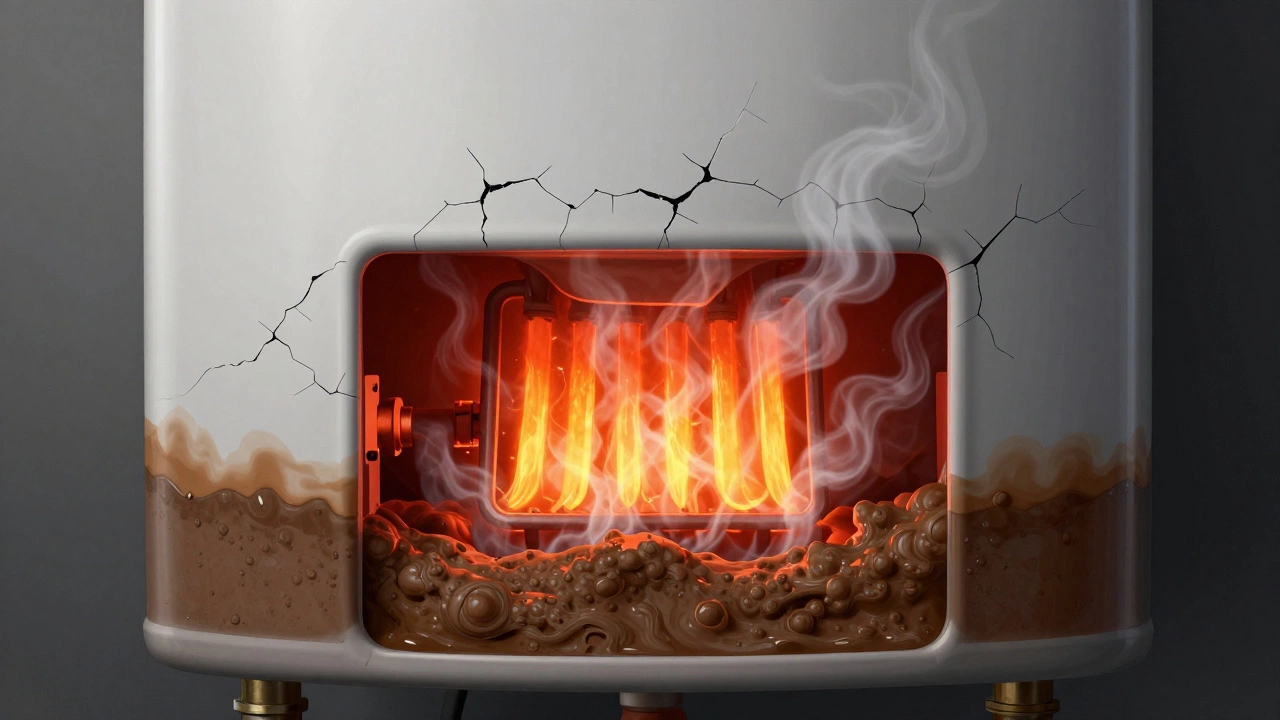
Here is how it works: The heating element sits just above the sediment layer. As the water heats, the minerals insulate the element from the water. The element itself gets much hotter than intended because it cannot transfer heat efficiently. This overheating triggers the high-limit switch. When you reset it, the element continues to overheat. This thermal stress causes the glass lining of the tank to crack. Once the lining cracks, the steel tank begins to rust from the inside out. Eventually, this leads to pinhole leaks and total tank failure, flooding your home with thousands of liters of hot water.
Resetting the switch does not remove the sediment. It only delays the inevitable. Flushing the tank annually removes this layer and restores efficiency. If your heater is more than ten years old and trips frequently, the sediment load is likely critical.
When to Stop Resetting and Call a Pro
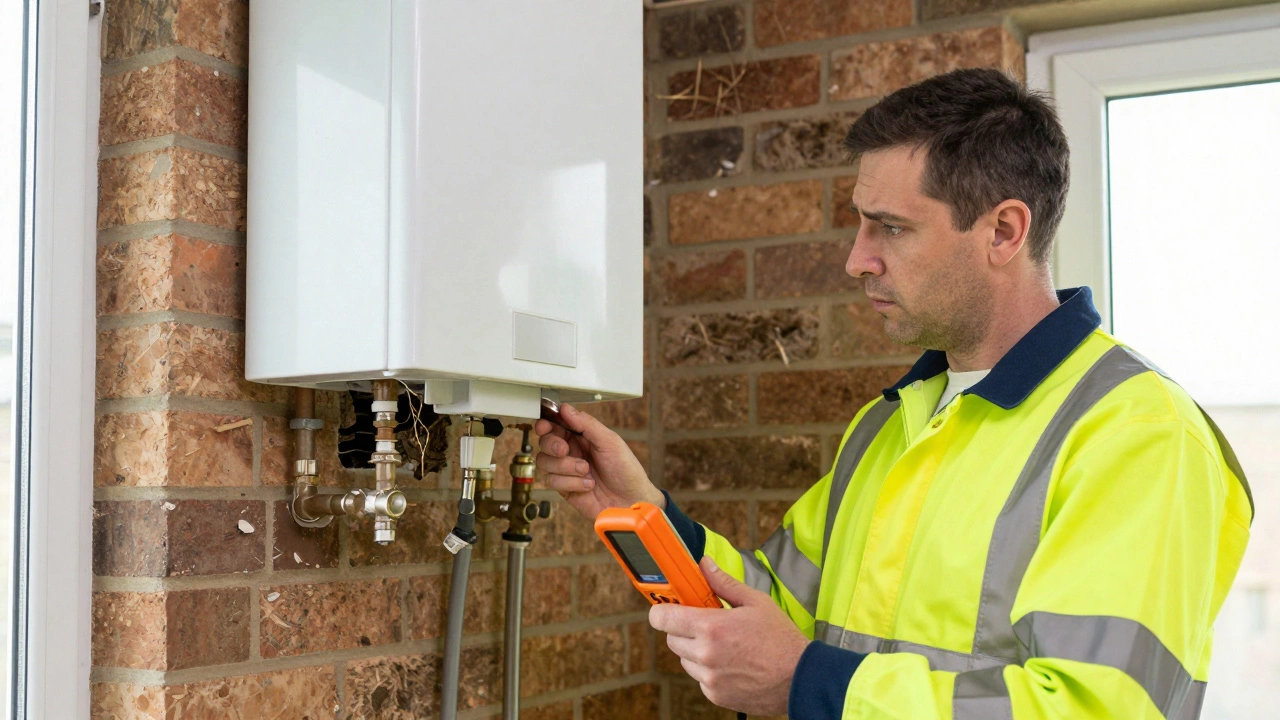
You should stop attempting DIY resets immediately if you notice any of the following signs:
- Burning smells: This indicates melting insulation or overheating components.
- Hissing noises: Suggests a leak or pressure release valve activation.
- Discolored water: Rusty water points to internal tank corrosion.
- Frequent tripping: If it trips more than once a day, the fault is active and worsening.
- Age of unit: If the heater is over 10-15 years old, repair costs often exceed replacement value.
In the UK, gas work must be performed by a Gas Safe registered engineer. For electric systems, a qualified electrician should inspect the wiring and elements. Attempting to bypass safety switches voids insurance policies and puts lives at risk.
Maintenance Tips to Prevent Future Issues
Prevention is far cheaper and safer than emergency repairs. Here is how to extend the life of your water heater:
- Flush the tank annually: Drain a few gallons from the bottom to remove sediment. Check the water color; if it’s brown, keep flushing until clear.
- Test the TPR valve: The Temperature and Pressure Relief valve prevents explosions. Lift the lever monthly to ensure it moves freely and reseats properly.
- Check the anode rod: Every three years, inspect the sacrificial anode rod. If it’s heavily corroded, replace it to protect the tank lining.
- Inspect vents: For gas units, ensure the flue pipe is clear of obstructions like leaves or bird nests.
- Monitor energy bills: A sudden spike in gas or electricity usage often signals inefficiency due to sediment or a failing element.
By respecting the reset button as a warning rather than a solution, you protect your home and family. If your water heater keeps fighting you, listen to it. It is telling you that something is wrong. Professional diagnosis ensures that the fix is permanent and safe.
How many times can I reset my water heater?
You should never reset a water heater more than once to troubleshoot a temporary glitch. If it trips again after one reset, stop immediately. Repeated resets indicate a persistent fault such as a short circuit, gas leak, or thermostat failure that requires professional attention.
Is it dangerous to reset a tripped water heater breaker?
Yes, it can be very dangerous. If the breaker trips due to a ground fault or short circuit, resetting it exposes you to electrocution risks and potential electrical fires. Only reset it once to rule out a surge; if it trips again, call an electrician.
Why does my gas water heater keep shutting off?
Common causes include a dirty thermocouple, drafts blowing out the pilot light, a clogged burner, or a blocked flue. Less commonly, it could be a gas supply issue or a failing control board. Always check for carbon monoxide leaks before attempting repairs.
Can resetting the water heater fix a leaking tank?
No. Resetting the safety switches has no effect on physical leaks. A leaking tank usually indicates internal corrosion or a cracked liner. The only solution is to replace the water heater unit entirely to prevent flooding and structural damage.
How do I know if my water heater needs replacing?
Signs include age over 10-15 years, frequent repairs, rusty water, constant tripping of safety switches, and visible leaks around the base. If repair costs exceed 50% of the price of a new unit, replacement is the more economical and safer choice.