
- 27 Apr 2026
- Gideon Thornton
- 0
Extractor Fan Repair Diagnostic Tool
Is your extractor fan acting up? Use this diagnostic tool to find out the best course of action.
What is the fan doing?
The "Pencil Test"
With the power on, gently give the blades a push with a pencil. Does it start spinning and keep going?
Physical Inspection
Isolate the power, remove the cover, and try to spin the impeller by hand. How does it feel?
Vibration Check
Check if the impeller is securely seated on the shaft and if mounting screws are tight. Is it still rattling?
Electrical Failure
A burning smell usually indicates the internal windings have melted. This is a critical failure.
Design Check
Look at the unit. Is the motor a separate component that can be unscrewed, or is the whole fan a single sealed plastic box?
Diagnosis: Failed Capacitor
Your motor is likely fine! The capacitor is just unable to give the motor the "kick" it needs to start. Replacing the capacitor is much cheaper than replacing the whole motor.
Diagnosis: Seized Bearings
The bearings have failed or are clogged. While you can try cleaning them, once they seize, the motor is effectively scrap.
Action: Replace Motor
Your fan is modular. You can replace just the motor. Important: Match the voltage, wattage, and shaft diameter exactly from the data plate.
Action: Full Unit Replacement
Your fan is a sealed unit. It cannot be repaired. You will need to purchase a new extractor fan and potentially measure your wall hole (usually 100mm or 150mm).
Issue Resolved!
The rattle was likely due to loose mounting or an unbalanced impeller. Ensure everything is tight and the fan is balanced.
Is it actually possible to swap that motor?
You're staring at a bathroom or kitchen fan that's either making a dying groan or has gone completely silent. The big question is: can you just swap the motor without ripping the whole unit out of the wall? The short answer is yes, but with a massive catch. Whether you can do it depends entirely on whether your fan is a "modular" design or a "sealed" unit.
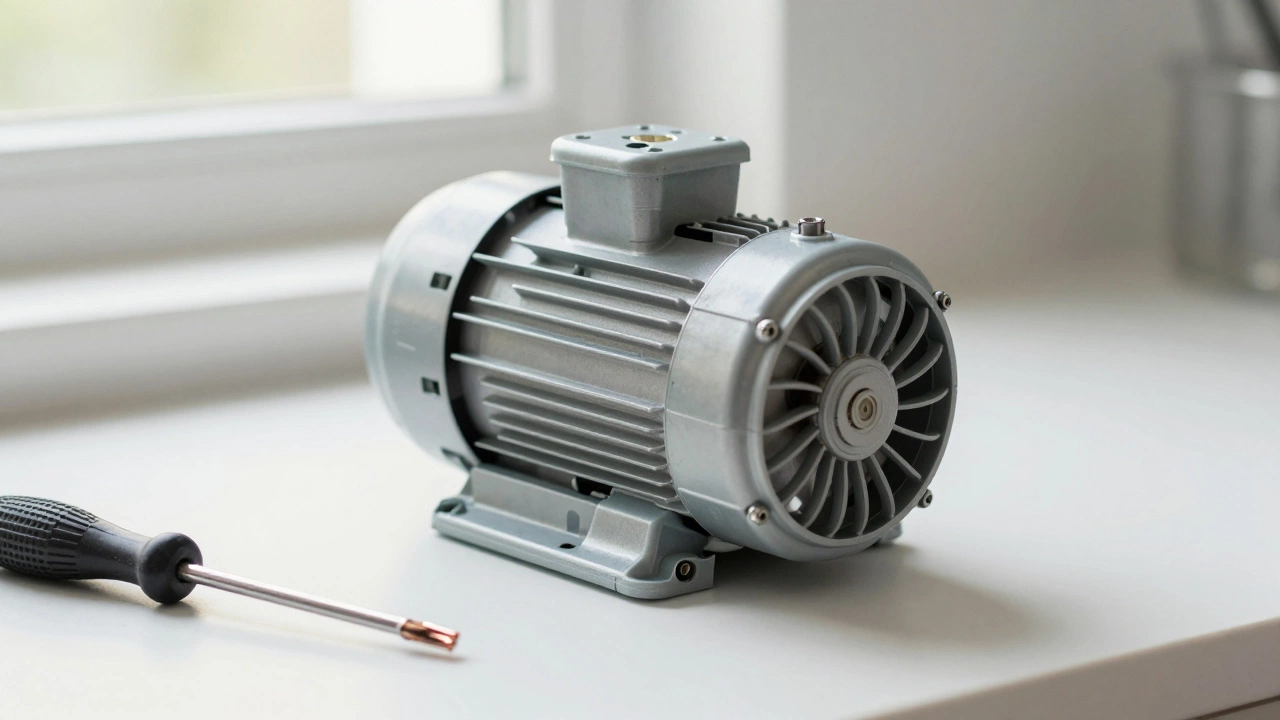
In a modular setup, the extractor fan motor is the electromagnetic component that spins the impeller to move air out of a room. These are often designed to be popped out of a plastic housing. However, many modern, cheap fans are built as one single piece. If the motor dies in those, you aren't replacing a part; you're replacing the whole appliance. Before you buy a new motor, you need to figure out if your fan is a repairable machine or a disposable plastic box.
Quick Summary: What you need to know
- Check the design: Modular fans allow motor swaps; sealed units require full replacement.
- Safety first: Always isolate the power at the consumer unit, not just the wall switch.
- Matching specs: You must match the voltage, wattage, and shaft size exactly.
- Cost vs. Value: If a new fan costs £40 and a motor costs £30, just buy the new fan.
Spotting the signs of a dead motor
Before you start unscrewing things, make sure the motor is actually the problem. I've seen plenty of people buy a new motor only to realize the capacitor was the only thing that actually failed. A capacitor is like a small battery that gives the motor the "kick" it needs to start spinning. If your fan hums but doesn't move, or if you can spin the blades by hand and then it starts working, your motor is likely fine-it's the capacitor that's shot.
A truly dead motor usually shows a few specific symptoms. First, there's the smell of ozone or burning plastic-that's a clear sign the internal windings have melted. Then there's the physical resistance. If you flick the power off and try to spin the impeller, it should glide freely. If it feels gritty or stuck, the bearings have seized. While you can sometimes clean bearings with a lubricant, once they've gone, the motor is effectively scrap.
The process of replacing a modular motor
If you've confirmed you have a repairable unit, the process is straightforward, but you have to be methodical. Start by shutting off the power at the main breaker. Don't trust the light switch; extractor fans are often wired into a permanent live feed for the timer function.
- Remove the outer grille or cover. Most of these are held in by plastic clips or a single screw.
- Carefully pull the fan housing away from the wall. Keep an eye on the wiring-don't yank it, or you'll pull the wires right out of the wall cavity.
- Disconnect the wires from the motor. You'll likely see a small plastic connector or screw terminals. Note which wire goes where; taking a photo here saves a lot of headache later.
- Unscrew the motor from the mounting bracket. This usually involves two or three small screws.
- Slide the old motor out and slide the new one in. Ensure the impeller (the fan blades) is seated correctly on the shaft.
- Reconnect the wiring and test the unit before sliding it back into the wall.
Matching the right motor to your fan
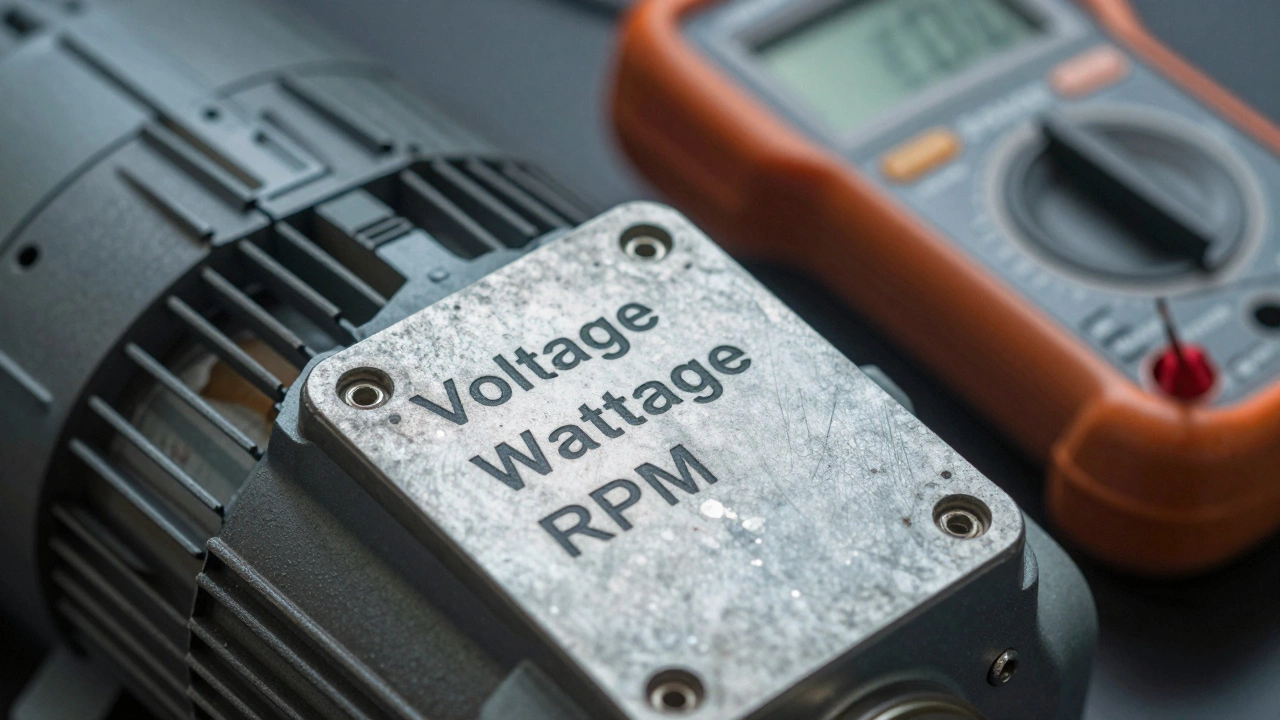
You can't just buy any motor from a hardware store and expect it to fit. You need to look at the data plate on the side of the old motor. This plate tells you the technical specifications that must match perfectly to avoid blowing a fuse or starting a fire.
| Attribute | Why it matters | What to check |
|---|---|---|
| Voltage | Prevents electrical failure | Usually 230V for UK mains |
| Wattage | Determines power draw/heat | Must match or be slightly lower |
| Shaft Diameter | Ensures impeller fits | Measured in millimeters (mm) |
| RPM | Controls airflow volume | Rotations per minute |
| Bearing Type | Affects lifespan/noise | Sleeve vs. Ball bearings |
If you're dealing with a kitchen extractor hood, the motors are usually much larger and more powerful. These often involve a centrifugal fan setup. Replacing these is more involved because you have to deal with grease buildup. I recommend using a degreaser on the housing before you put the new motor in, otherwise, the new bearings will get clogged with old cooking oil within months.
When to give up and replace the whole unit
There is a tipping point where repair becomes a waste of time. If your fan is an older model from the early 2000s, you're likely fighting a losing battle. Modern fans are significantly more efficient. For example, switching to a DC Motor (Direct Current) can reduce energy consumption by up to 70% compared to old AC motors. DC motors also run much quieter, which is a godsend if the fan is located right next to your bed in a small en-suite.
Another factor is the cost of parts. If you're ordering a specific motor from a manufacturer, shipping costs and the part price often climb to 60% or 70% of the cost of a brand new unit. In the UK, a basic bathroom extractor is incredibly cheap. If the cost of the replacement motor is more than half the price of a new fan, just swap the whole thing. You get a fresh warranty and a more energy-efficient product.
Common pitfalls to avoid
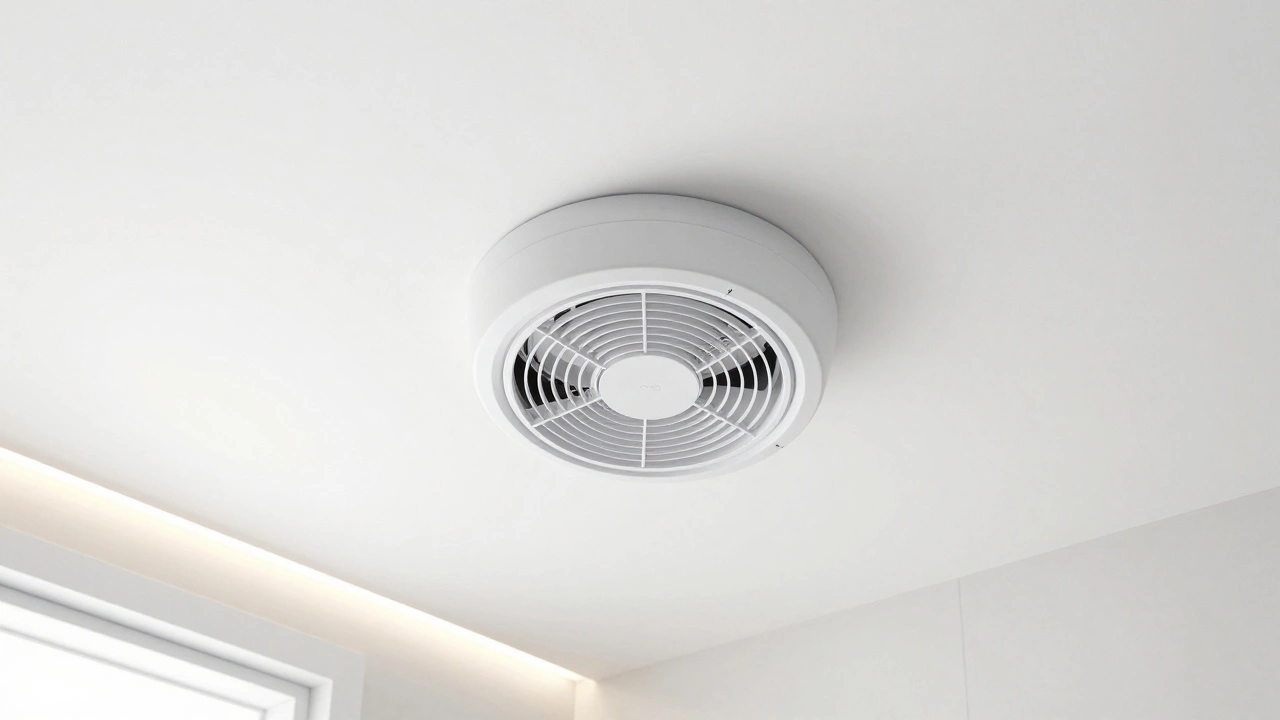
One big mistake people make is ignoring the ducting. You can put a brand new, powerful motor in, but if the ducting is collapsed or clogged with dust, the motor will overheat because it's fighting against too much backpressure. This is called "static pressure." If the air can't get out, the motor works harder, gets hotter, and burns out faster.
Another common error is failing to check the polarity or the wiring configuration on timer-controlled fans. If you have a fan with an over-run timer, it has three wires: a permanent live, a switched live, and a neutral. If you mix up the live wires during the motor swap, the fan might stay on forever or refuse to start. Always use a multimeter to verify the power is off and the connections are solid before flipping the breaker back on.
Maintaining your new motor for the long haul
Once the new motor is humming along, you can make it last much longer with a tiny bit of effort. The biggest killer of extractor motors is dust. In a bathroom, it's a mix of lint and moisture; in a kitchen, it's airborne grease. Every three months, take a vacuum cleaner to the grille and suck out the buildup. If the motor is accessible, a quick blast of compressed air can clear the vents and keep the motor cool.
If you have a high-end motor with replaceable bearings, a drop of machine oil every year can prevent them from seizing. However, most modern residential motors are sealed, meaning you can't lubricate them. In that case, focusing on the airflow is your best bet. Ensure the external vent flap on the outside of your house isn't stuck shut; if the motor is pushing against a closed flap, it's basically a ticking time bomb.
How do I know if I need a new motor or just a new capacitor?
If the fan makes a humming sound but the blades aren't turning, try giving the blades a gentle push with a pencil. If the fan starts spinning and continues on its own, your capacitor has failed. If the motor is silent, smells burnt, or the blades are physically stuck, you need a new motor.
Can I use a motor from a different brand of fan?
Generally, no. Even if the electrical specs match, the physical mounting points and the shaft size for the impeller almost always differ between brands. You should always source a motor specifically designed for your model number to ensure it fits securely and balances correctly.
Is it dangerous to replace an extractor fan motor myself?
It is safe as long as you completely isolate the electricity. Turning off a wall switch is not enough, as many fans have a permanent live wire for the timer. You must turn off the circuit at the consumer unit (fuse box) and verify the power is dead using a voltage tester before touching any wires.
Why is my new motor making a loud rattling noise?
This is usually caused by an unbalanced impeller or a loose mounting screw. Ensure the fan blades are pushed all the way onto the motor shaft and that the motor is clamped tightly to its bracket. If the impeller is chipped or warped, it will vibrate and create a rattling sound.
How long should an extractor fan motor last?
A quality motor should last 5 to 10 years depending on usage. Bathroom fans in high-moisture areas typically wear out faster due to corrosion. Kitchen fans last longer if the grease filters are cleaned regularly to prevent the motor from overheating.
Next steps for your repair
If you've opened your fan and realized it's a sealed unit, don't waste time looking for a motor. Your next step is to measure the hole in your wall or ceiling. Standard sizes are usually 100mm or 150mm. Once you have that measurement, shop for a high-efficiency DC unit to save on your energy bills. If you're unsure about the wiring, this is the point where calling a qualified electrician is the smartest move-it's a quick job for them and guarantees your house won't have an electrical fault.