- 1 Jan 2026
- Gideon Thornton
- 0
Fridge Repair Cost Estimator
Fridge Diagnosis Tool
Determine if you should repair or replace your refrigerator based on age and repair costs
Results
Pro Tip: Energy-efficient models use 40% less power than 10-year-old units. Over 5 years, this saves £150-£200 on electricity bills.
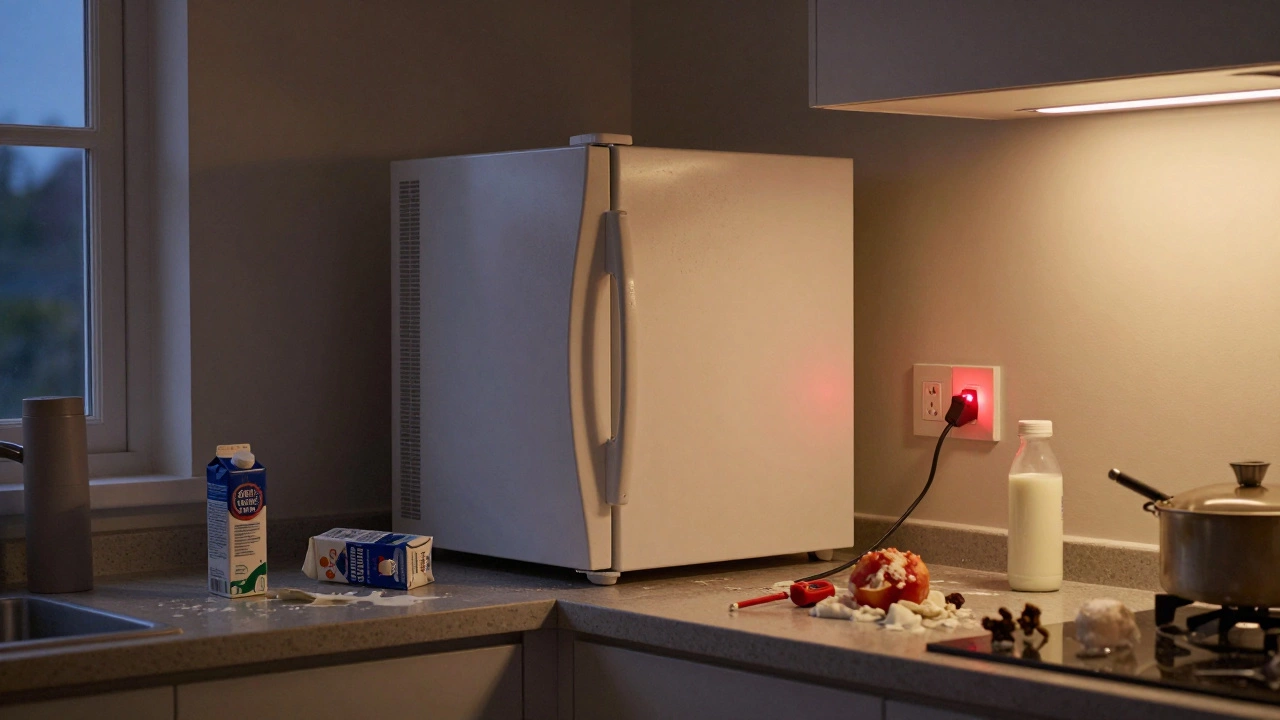
If your fridge suddenly stops cooling, it’s not just an inconvenience-it’s a crisis. Milk spoils in hours. Frozen food thaws. And before you know it, you’re staring at a stinking mess and a £200+ replacement bill. This isn’t rare. In Bristol alone, fridge repair calls spike by 40% in winter when power surges hit older units. So why does it happen? And more importantly, what can you actually do about it?
Power Supply Issues Are the Most Common Culprit
Before you panic, check the simplest thing: is the fridge even getting electricity? A tripped GFCI outlet, a blown fuse, or a loose plug can make your fridge go silent. Many people assume the fridge is broken when it’s just not plugged in properly. Look behind the fridge-sometimes the plug gets yanked out during cleaning or moving. Check your circuit breaker panel. If the fridge’s circuit is tripped, reset it. If it trips again immediately, don’t keep resetting it. That’s a sign of a deeper electrical fault.
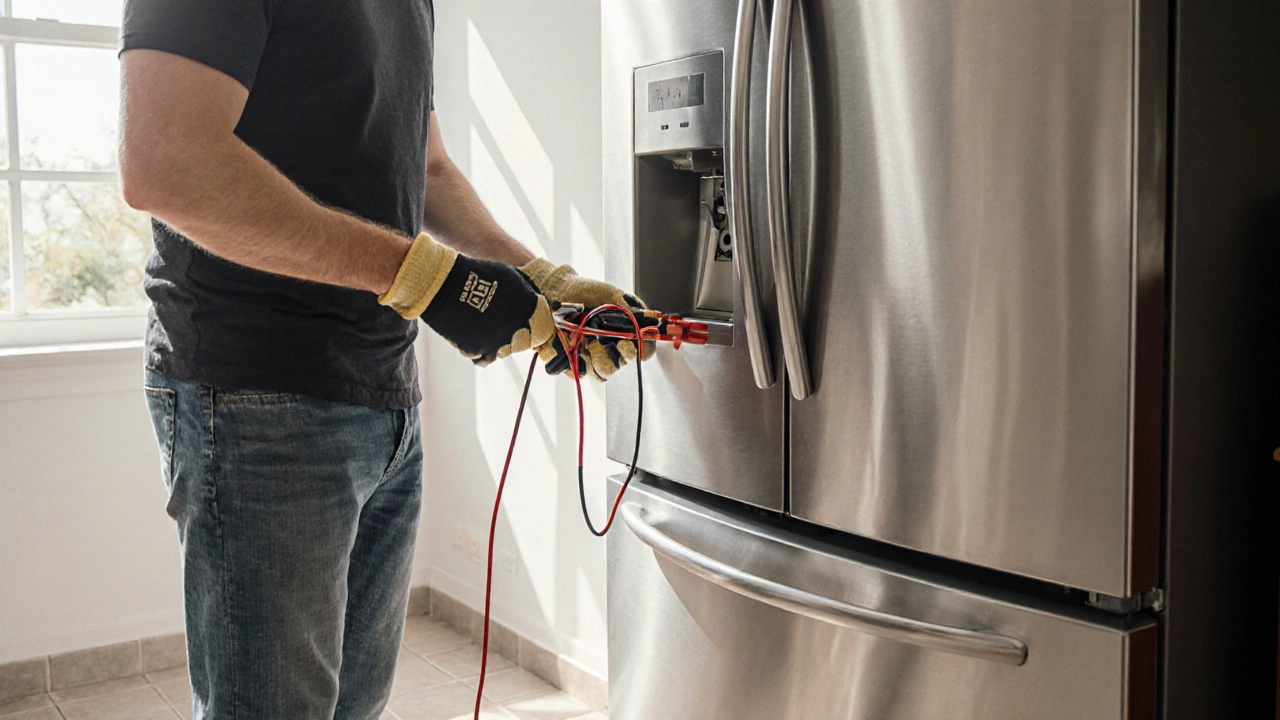
Older homes in Bristol often have 15-amp circuits shared between the fridge and other appliances. If you’ve added a kettle, toaster, or coffee maker to the same circuit, you’re overloading it. Fridge compressors need a strong, steady 120V to start. If voltage drops below 105V, the compressor won’t engage. Use a simple plug-in voltage tester-you can buy one for £8 at any hardware store-to confirm the outlet is delivering full power.
The Compressor Is the Heart of Your Fridge
If the fridge hums but doesn’t cool, the compressor might be failing. This is the pump that moves refrigerant through the system. When it dies, the fridge becomes a warm box. You’ll hear a loud click every few minutes-that’s the overload protector trying and failing to restart the compressor.
Compressors don’t just die out of nowhere. They wear out from constant use, especially if the condenser coils are clogged with dust. In homes with pets or dusty kitchens, coils can get coated in fur and fluff within months. That forces the compressor to work harder, overheat, and burn out. If your fridge is over 10 years old and the compressor is failing, repair costs often hit £300-£450. That’s close to the price of a new mid-range fridge. Many people choose replacement over repair at this point.
Clogged Condenser Coils Are a Silent Killer
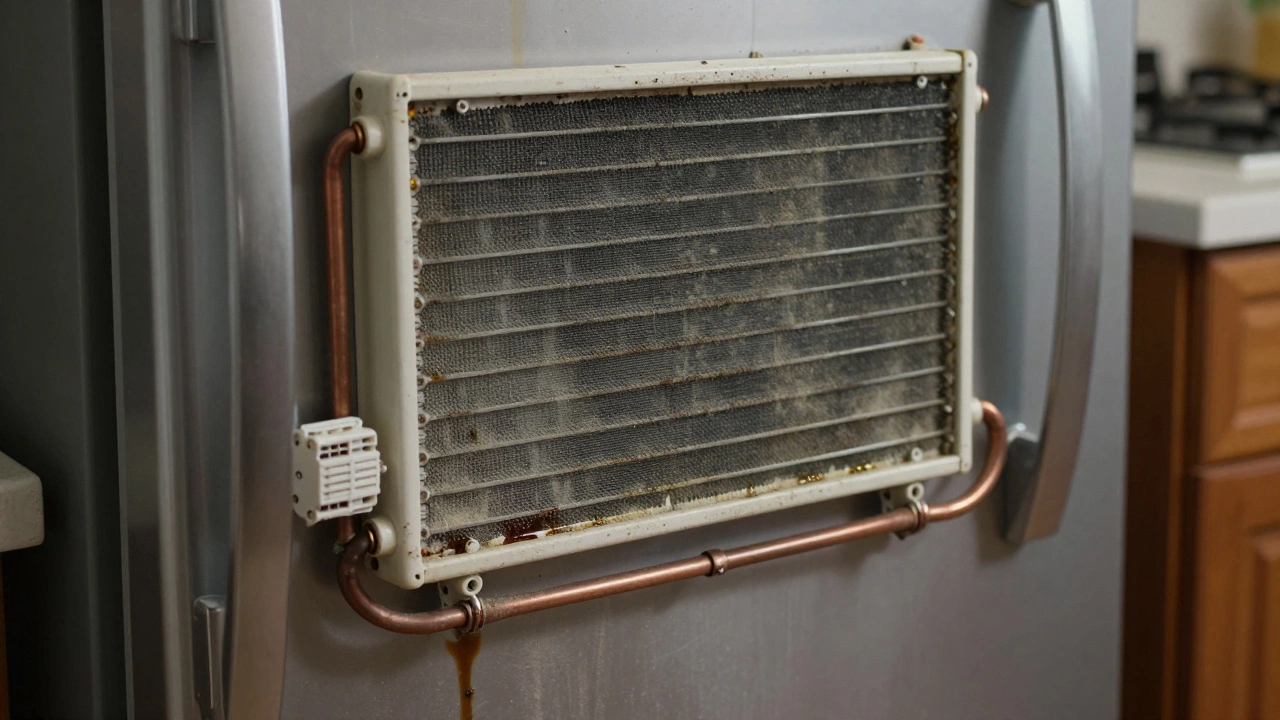
Condenser coils are usually at the back or bottom of the fridge. They look like a series of metal tubes. Their job is to release heat from the refrigerant. If they’re covered in dust, lint, or pet hair, heat can’t escape. The fridge runs non-stop but never gets cold. You might notice the back of the fridge is unusually hot, or the motor runs constantly.
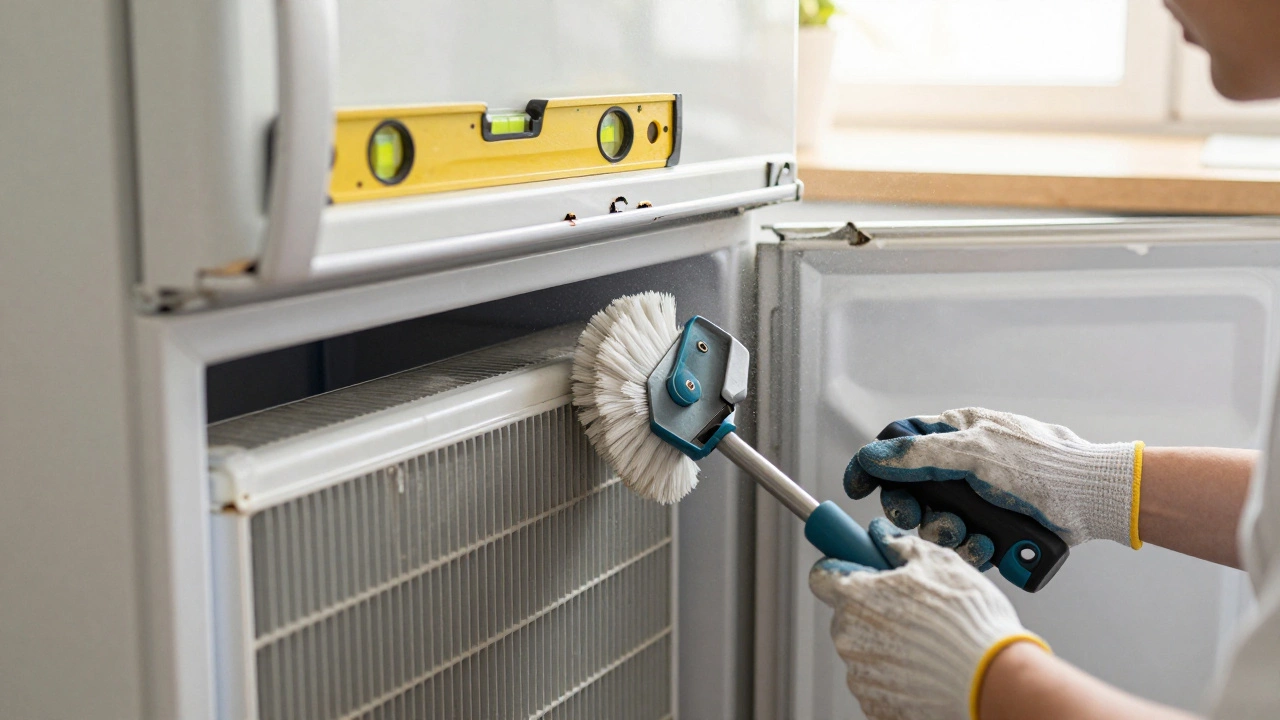
Cleaning them takes 15 minutes. Unplug the fridge. Pull it away from the wall. Use a vacuum with a brush attachment or a coil cleaning brush (under £10 online). Gently brush off the dust. Don’t use compressed air-it can push debris deeper into the coils. Do this every six months. It’s the single best way to extend your fridge’s life. A clean coil can add 5-7 years to its lifespan.

Thermostat or Control Board Failure
If your fridge is digital, a faulty control board can shut down cooling without warning. The display might still work, but the compressor won’t turn on. This often happens after a power surge. A surge can fry the board’s microchips while leaving the lights and buttons intact.
Older fridges with dial thermostats can also fail. The thermostat is a small cylinder behind the temperature knob. If it sticks or loses calibration, it won’t signal the compressor to run. You can test it by turning the knob to the coldest setting. If you hear a faint click, it’s likely working. No click? It’s probably dead. Replacing a thermostat costs £40-£70. Replacing a control board? £150-£250, and it’s not always worth it unless the fridge is under 5 years old.
Refrigerant Leak: Rare, But Serious
Refrigerant leaks are uncommon but serious. Modern fridges use R600a or R134a-both are sealed systems. If there’s a leak, the fridge loses its ability to cool. Signs include: no cold air, the compressor running non-stop, and sometimes an oily residue near the coils or tubing. Refrigerant isn’t something you can top up like engine oil. You need a certified technician with special tools to find the leak, repair it, and recharge the system. It’s expensive-£200-£400-and if the leak is in the evaporator coil inside the freezer wall, repair is often impossible. Most technicians will recommend replacement.
Door Seals and Air Leaks
Bad door seals won’t make your fridge stop working entirely, but they can cause it to overwork and eventually fail. If cold air leaks out, the compressor runs longer and hotter. Check the seals by closing a piece of paper in the door. If you can pull it out easily, the seal is weak. Replace the gasket-it costs £20-£50 and takes 20 minutes. Also, make sure the fridge is level. If it’s tilted forward, the door won’t close tightly. Use a spirit level on top of the fridge. Adjust the front legs until it’s perfectly flat.
When to Repair vs. Replace
Here’s a simple rule: if your fridge is over 10 years old and the repair cost is more than half the price of a new one, replace it. A new energy-efficient fridge uses 40% less power than a 10-year-old model. Over five years, that saves you £150-£200 on bills. Also, newer models have better temperature control, so your food lasts longer.
For fridges under 5 years old, repairs are usually worth it-especially if it’s under warranty. Even if the warranty has expired, a £100 fix for a thermostat or fan is far cheaper than a £700 replacement.
What to Do Right Now
If your fridge has stopped cooling:
- Unplug it for 5 minutes, then plug it back in. Sometimes a reset fixes a glitch.
- Check the outlet with a voltage tester.
- Listen: is there a hum? A click? Or complete silence?
- Feel the back of the fridge-is it hot? That means the compressor is running but can’t release heat.
- Inspect the door seals and clean the coils if they’re dusty.
- If none of that works, call a fridge repair technician. Don’t keep trying to fix it yourself if you’re not sure.
Don’t throw food away yet. Wrap frozen items in blankets and move them to a cooler with ice packs. You’ve got 24-48 hours before everything spoils.