- 14 Dec 2025
- Gideon Thornton
- 0
Boiler Emergency Risk Calculator
This tool helps you determine if your broken boiler situation qualifies as an emergency in the UK winter. Based on government guidelines and public health data, we'll assess your risk level and provide urgent advice.
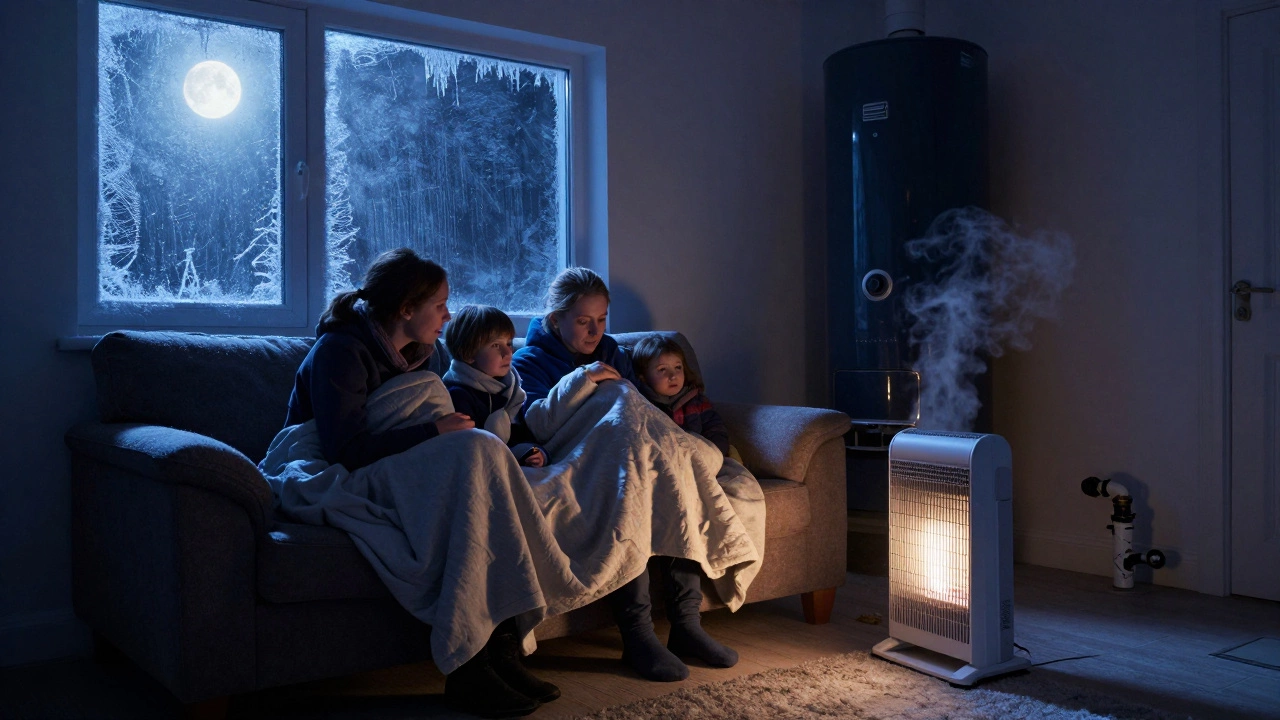
When your boiler breaks down in the middle of December, you don’t just feel cold-you feel unsafe. The pipes might freeze. The house might get damp. Kids and elderly relatives are shivering. And if you’re not sure whether this counts as an emergency, you’re wasting time you don’t have.
Yes, a broken boiler is usually an emergency in the UK winter
In the UK, especially between November and March, a broken boiler isn’t just inconvenient-it’s a health risk. The government’s Cold Weather Plan for England classifies prolonged exposure to cold homes as a serious public health issue. People over 65, young children, and those with heart or respiratory conditions are at real risk when indoor temperatures drop below 18°C for more than a few hours.
If your boiler has completely stopped working and there’s no other source of heat-no electric radiators, no gas fire, no wood burner-then you’re in an emergency situation. It’s not about comfort anymore. It’s about preventing hypothermia, worsening asthma, or triggering heart problems. In Bristol, where winter nights regularly dip below 0°C, a cold house can become dangerous within 12 hours.
When is a boiler issue NOT an emergency?
Not every boiler problem needs an ambulance-level response. If your boiler is making strange noises but still heating the house, that’s a repair, not an emergency. Same if the thermostat isn’t responding but the radiators are warm. Or if you’ve lost hot water but the central heating still works.
These are problems you can wait a day or two to fix. But if the boiler has shut down completely, no heat, no hot water, and the house is getting colder by the hour-that’s when you call for help immediately.
What makes a boiler failure dangerous?
It’s not just the cold. A broken boiler can lead to hidden dangers:
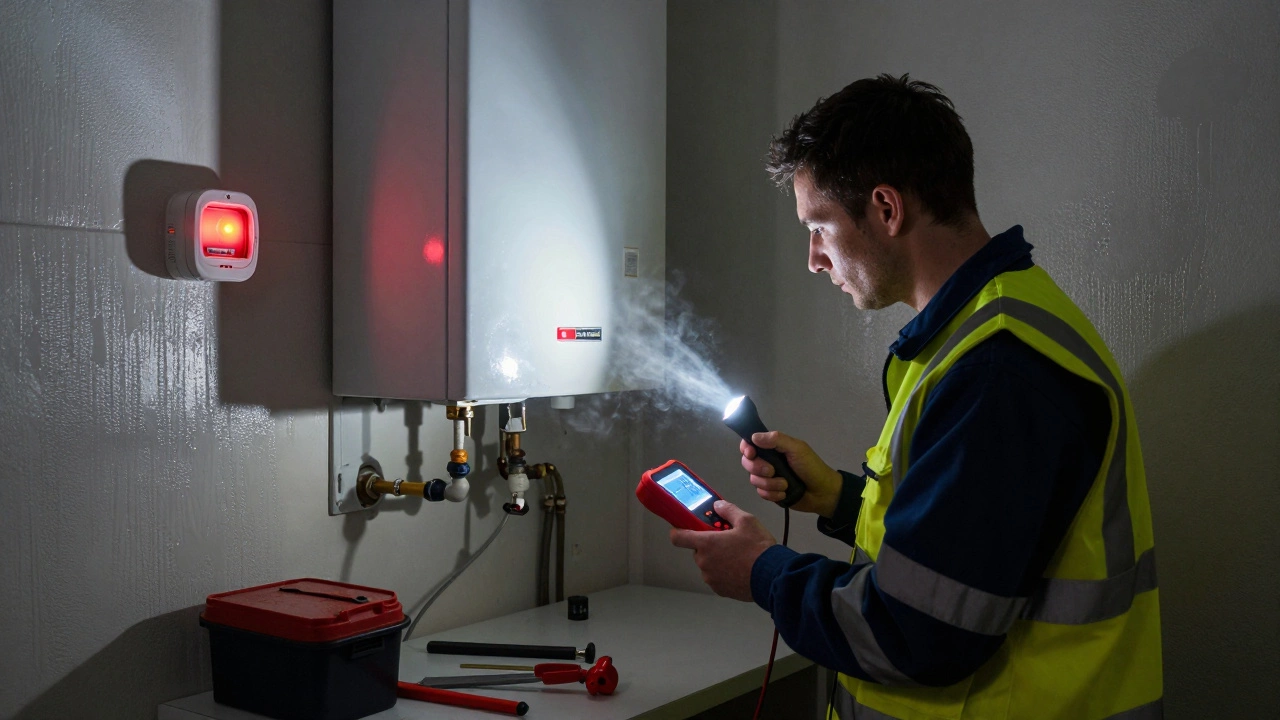
- Carbon monoxide leaks-if the boiler is faulty or has been tampered with, it can emit this invisible, odorless gas. Symptoms include headaches, dizziness, nausea, and confusion. In severe cases, it can be fatal.
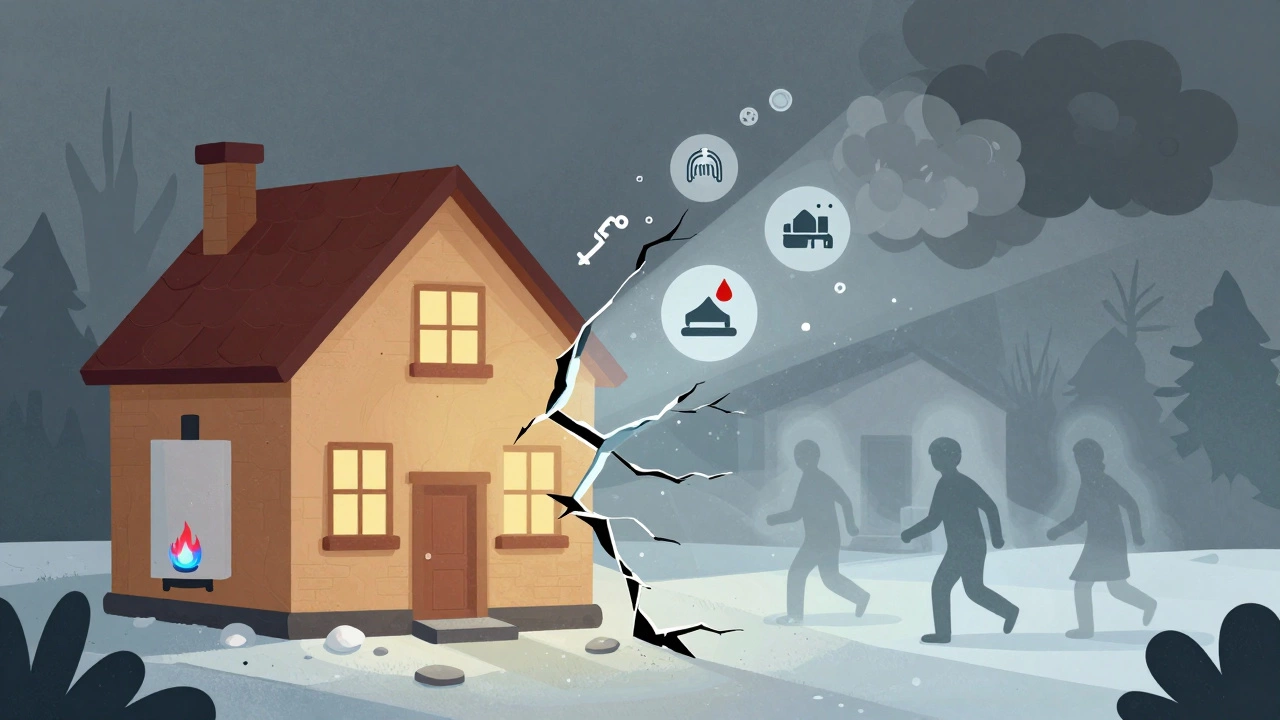
- Frozen pipes-when the boiler stops, water in pipes can freeze and burst. A single burst pipe can cause £10,000+ in water damage.
- Mould and damp-without heat, condensation builds up fast. Within days, mould can grow on walls and windows, especially in bathrooms and bedrooms. This triggers allergies and asthma.
- Loss of hot water-no showers, no handwashing, no cleaning. This isn’t just uncomfortable-it’s a hygiene risk.
In 2024, the Health and Safety Executive reported over 1,200 cases of carbon monoxide poisoning linked to faulty heating systems in England and Wales. Most happened during winter months. That’s not a statistic-it’s someone’s parent, child, or neighbour.
What should you do right now?
If your boiler is dead and the house is freezing, follow these steps:
- Turn off the boiler-switch it off at the wall. Don’t try to restart it. If there’s a gas leak or electrical fault, restarting could make things worse.
- Open windows slightly-this sounds backwards, but if you suspect carbon monoxide, ventilation is critical. Don’t seal the house up.
- Move to a warmer room-if you have a gas fireplace, electric heater, or even a space heater, go there. Keep doors closed to trap heat.
- Call a Gas Safe registered engineer-this is non-negotiable. Never use an unregistered technician. You can find one instantly at www.gassaferegister.co.uk or by calling 0800 408 5500.
- Call your energy supplier-some providers offer emergency support, especially for vulnerable customers. They may send a temporary heater or arrange priority repair.
If you feel dizzy, nauseous, or confused-leave the house immediately and call 999. That’s not a drill. Carbon monoxide doesn’t wait.
How fast can you get help?
In Bristol, most Gas Safe engineers offer 24/7 emergency callouts during winter. Response times vary: 2-4 hours for priority cases, 6-8 hours for non-critical emergencies. If you’re elderly, disabled, or have young children, mention it when you call. Many firms give priority to vulnerable households.
Don’t wait for a quote. Emergency boiler repairs cost more, yes-but not as much as a hospital bill or a flooded living room. A typical emergency boiler repair in the UK ranges from £150 to £400, depending on the fault. Replacing a burst pipe? That’s £1,500 minimum.
What’s covered by home insurance?
Most home insurance policies include boiler breakdown cover-but only if you’ve paid for it as an add-on. Standard buildings insurance won’t cover it. Check your policy documents. If you’re unsure, call your insurer. Some providers, like Aviva and Direct Line, offer emergency boiler cover as part of their premium packages.
If you’re renting, your landlord is legally required to fix a broken boiler within 24 hours under the Landlord and Tenant Act 1985. Send them a text or email right away. Keep a copy. If they don’t respond, contact your local council’s environmental health department. They can issue an enforcement notice.
Prevention is cheaper than emergency repair
Most boiler failures happen because they weren’t serviced. A yearly service by a Gas Safe engineer costs around £80-£120. It catches small issues before they become disasters. Over 60% of emergency boiler calls in 2024 were for problems that could’ve been caught during a routine check.
Here’s what to do every year:
- Schedule a boiler service in late summer or early autumn
- Check for unusual smells, noises, or yellow flames (blue flame = good, yellow = danger)
- Install a carbon monoxide alarm near the boiler and in bedrooms
- Keep the area around the boiler clear-no storage, no curtains, no clutter
- Know how to turn off your gas and water mains
One simple step: buy a £25 carbon monoxide alarm. It’s the cheapest life insurance you’ll ever buy.
What happens if you ignore it?
People delay calling for help because they think, “It’ll fix itself,” or “I’ll wait until morning.” That’s how emergencies turn into tragedies.
In 2023, a woman in Weston-super-Mare died after her boiler failed for three days. She had no alarm. She didn’t know the signs of poisoning. Her family only found her when they came to visit.
Don’t be that person. Don’t wait for a warning sign. If your boiler’s dead and the house is cold-act now. Your body, your home, and your family depend on it.
Is a broken boiler an emergency in the UK?
Yes, if the boiler has completely stopped working and there’s no alternative heat source, especially during winter. A cold home can lead to hypothermia, carbon monoxide poisoning, frozen pipes, and mould growth-all serious health risks. In the UK, this qualifies as a heating emergency.
Can I fix a broken boiler myself?
No. Boilers involve gas, electricity, and pressurised water. DIY repairs are dangerous and illegal under UK law. Only Gas Safe registered engineers can legally work on gas boilers. Trying to fix it yourself could cause a gas leak, fire, or carbon monoxide release.
How long can a house go without heating before it becomes unsafe?
In winter temperatures, a house can become unsafe in under 12 hours if the indoor temperature drops below 18°C. For elderly people, children, or those with health conditions, this timeline can be even shorter. Signs of danger include shivering, confusion, or cold skin.
What should I do if I smell gas when my boiler breaks?
Leave the house immediately. Do not turn lights on or off, use phones, or light matches. Once outside, call the National Gas Emergency Service on 0800 111 999. They’ll send someone within the hour. Never re-enter until they say it’s safe.
Does home insurance cover boiler repairs?
Only if you’ve added boiler breakdown cover as an optional extra. Standard home insurance doesn’t cover repairs or replacements. Renters should check their landlord’s policy. If your boiler breaks and you’re not covered, call your energy supplier-they may offer emergency support.
How much does an emergency boiler repair cost?
Emergency boiler repairs in the UK typically cost between £150 and £400, depending on the issue and time of day. Urgent calls outside normal hours may cost more. Compare this to the cost of a burst pipe (£1,500+) or hospital treatment for carbon monoxide poisoning-emergency repair is the cheaper option.
Next steps: Don’t wait for the next breakdown
If your boiler is over 10 years old, consider replacing it. Modern condensing boilers are 90%+ efficient. Older ones waste up to 30% of their fuel. You’ll save money, reduce emissions, and avoid emergency calls.
Book your next service now. Even if your boiler feels fine. Winter doesn’t wait. Neither should you.