- 12 Jan 2026
- Gideon Thornton
- 0
If your hot water heater suddenly stops producing hot water, the first thing to try isn’t calling a plumber-it’s resetting it. Most modern water heaters have a safety feature that shuts off power or gas if something goes wrong, like overheating or a faulty thermostat. Resetting it is simple, safe, and often fixes the problem in under five minutes. You don’t need tools, special skills, or a service call. Just follow these steps.
Why Your Water Heater Might Need a Reset
Water heaters don’t just stop working for no reason. The most common triggers for a reset are:
- A tripped high-limit switch (most common on electric models)
- A pilot light that went out (gas models)
- Overheating from a stuck thermostat
- Power surge or electrical glitch
- Mineral buildup causing the element to overheat
When any of these happen, the heater’s safety system kicks in. It’s not broken-it’s protecting itself. Resetting it restores normal operation in most cases. If it doesn’t, then you’ve got a deeper issue.
How to Reset an Electric Water Heater
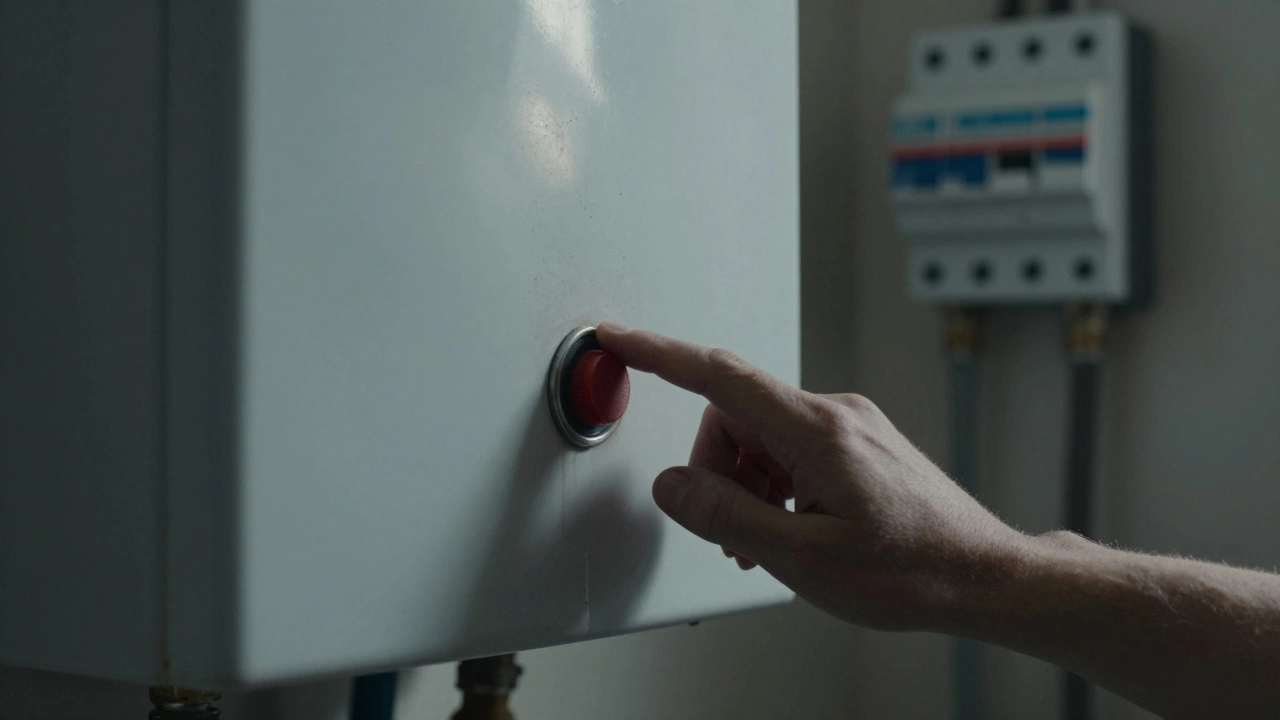
Electric water heaters have a red reset button, usually located near the top of the unit behind a small access panel. Here’s how to find and press it:
- Turn off the power to the water heater at the circuit breaker. This is non-negotiable. You’re working near live wires, even if the heater is off.
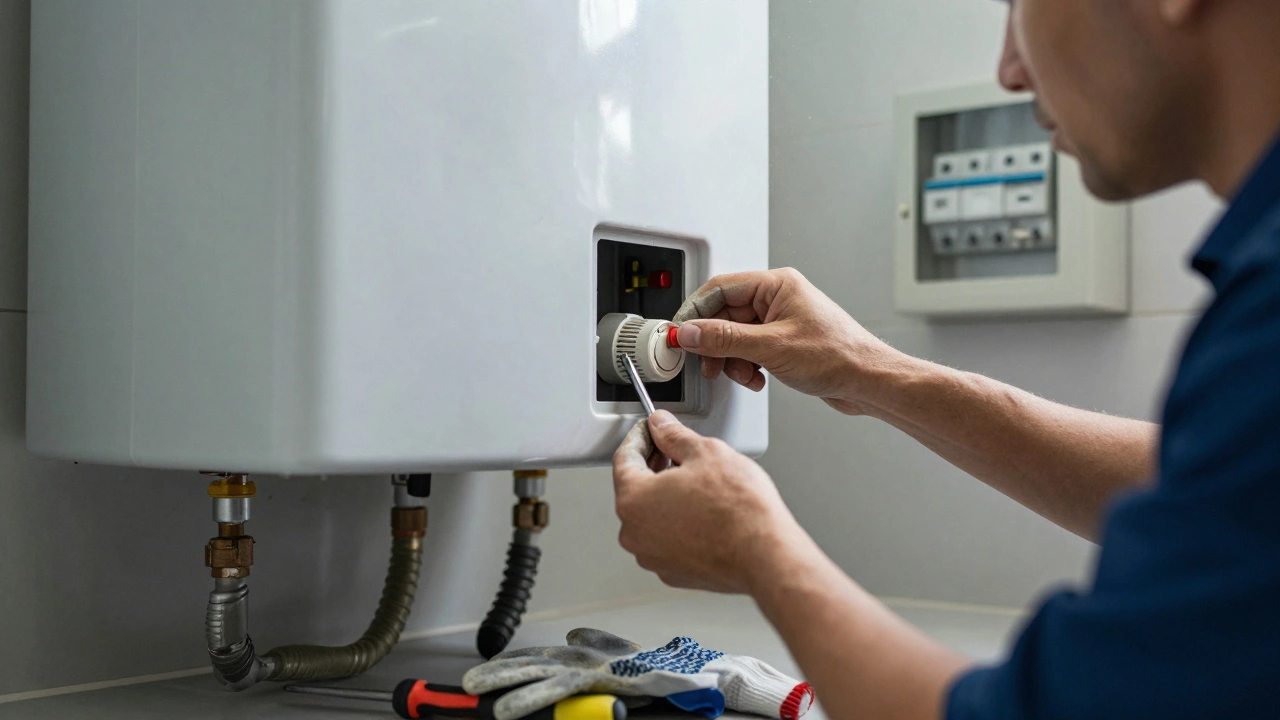
- Locate the access panel on the side of the tank. It’s usually labeled "Thermostat" or has a screw on each corner.
- Remove the panel with a screwdriver. You might need to peel back some insulation.
- Look for a small red button, about the size of a dime, near the upper thermostat.
- Press the button firmly until you hear a click. That’s the reset switch engaging.
- Replace the panel and insulation.
- Turn the breaker back on.
Wait 30 to 60 minutes for the water to heat up. If hot water returns, you’re done. If not, the reset button may have tripped again because of an underlying problem-like a bad heating element or thermostat.
How to Reset a Gas Water Heater
Gas water heaters don’t have a reset button. Instead, you reset them by relighting the pilot light. If the pilot went out, the thermocouple shuts off the gas supply as a safety measure.
- Turn the gas control knob to the "Off" position. Wait at least five minutes. This lets any lingering gas clear out.
- Find the pilot light assembly. It’s usually at the bottom of the tank, near the gas valve.
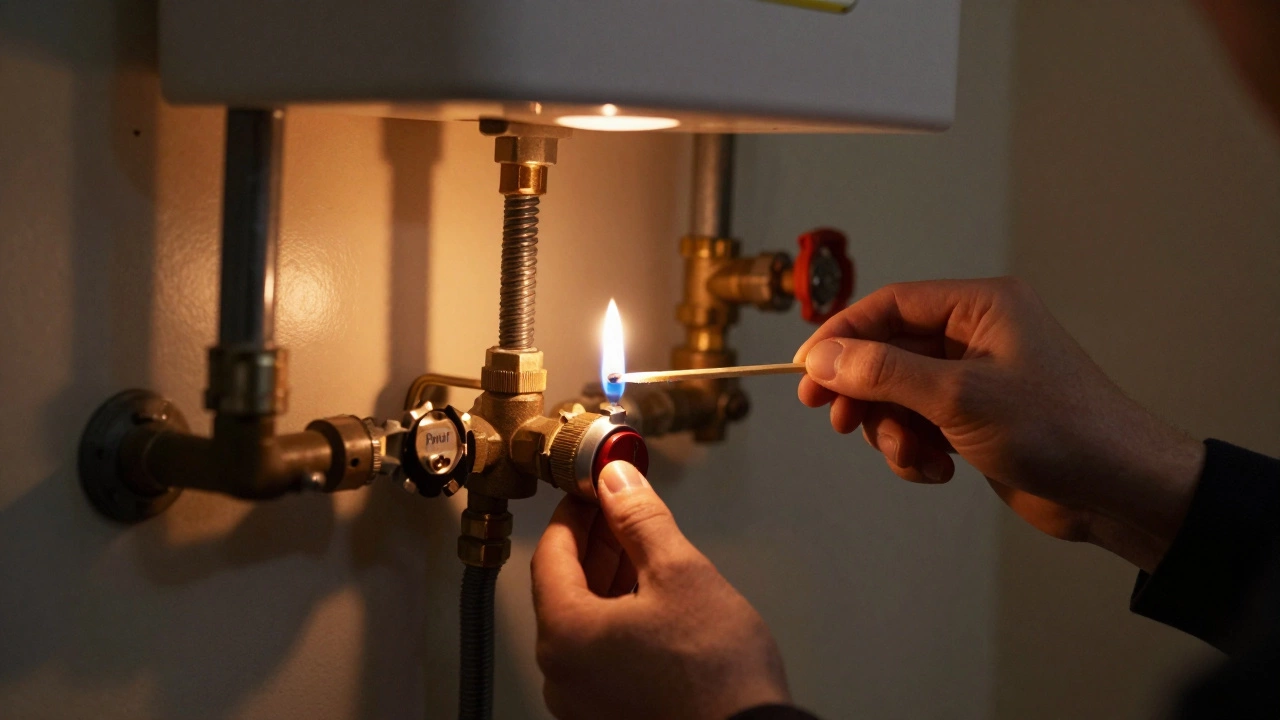
- Turn the knob to "Pilot" and press and hold it down.
- While holding the knob, use a long lighter or match to ignite the pilot. You should see a small blue flame.
- Keep holding the knob for 30 to 60 seconds after the flame lights. This lets the thermocouple heat up and signal the gas valve to stay open.
- Release the knob. If the flame stays lit, turn the knob to "On." If it goes out, repeat the process.
If the pilot won’t stay lit after two tries, the thermocouple is likely faulty. It’s a cheap part ($15-$25) and easy to replace, but if you’re not comfortable, call a pro.
What If the Reset Button Won’t Stay In?
This is a red flag. If you press the reset button and it pops right back out, or trips again within hours, something’s wrong. The reset switch isn’t broken-it’s doing its job by shutting down a dangerous condition.
Common causes:
- A shorted heating element (electric)
- A faulty thermostat
- Mineral buildup causing the element to overheat
- Loose or corroded wiring
Don’t keep resetting it. That’s like ignoring a car’s check engine light. You risk fire or a burst tank. Test the heating elements with a multimeter if you know how. If not, call a licensed technician. Most will charge $75-$150 for a diagnostic, but they’ll know exactly what’s wrong.
When to Call a Professional
Resetting your water heater is safe and easy-but only if you’re dealing with a simple trip. Here’s when to stop and call for help:
- The pilot light won’t stay lit after two attempts
- The reset button trips repeatedly
- You smell gas (leave the house immediately and call your utility company)
- Water is leaking from the tank
- The water is discolored or smells like rotten eggs
- Your heater is over 10 years old and keeps having issues
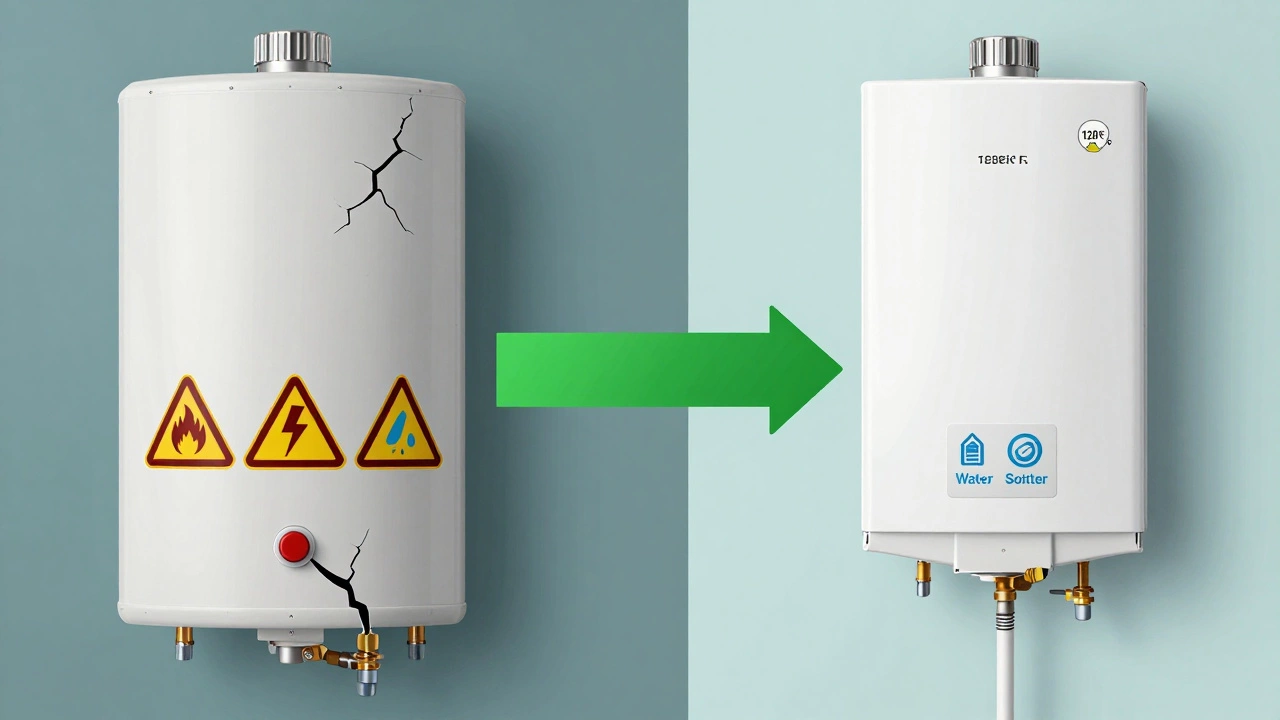
Older heaters (10+ years) are more prone to failure. If you’ve reset it three times in six months, replacement is cheaper than ongoing repairs.
Preventing Future Trips
Once your heater’s working again, take steps to keep it running smoothly:
- Set the thermostat to 120°F (49°C). Higher temps increase wear and risk of scalding.
- Flush the tank once a year. Drain a few gallons through the spigot at the bottom to remove sediment.
- Install a water softener if you have hard water. Minerals build up fast and kill elements.
- Check the anode rod every 3-5 years. It protects the tank from corrosion. If it’s half gone, replace it.
These simple habits can double your heater’s lifespan. Most units last 8-12 years. With care, they can hit 15 or more.
Electric vs. Gas: What’s Different?
People often confuse the reset process between electric and gas models. Here’s a quick comparison:
| Feature | Electric Water Heater | Gas Water Heater |
|---|---|---|
| Reset Method | Red reset button near thermostat | Relight pilot light |
| Power Source | 240V electrical circuit | Natural gas or propane |
| Common Failure | Tripped high-limit switch | Pilot light out or bad thermocouple |
| Time to Reset | 5 minutes | 10-15 minutes |
| Tools Needed | Screwdriver | Long lighter or match |
Electric models are easier to reset for most homeowners. Gas models require more attention to safety, especially with gas leaks.
What Happens If You Don’t Reset It?
Nothing happens right away. The heater just sits there, cold. But if you ignore a tripped reset switch, you’re not just losing hot water-you’re risking damage.
Overheating can crack the tank lining. Repeated tripping can fry the thermostat or burn out the heating element. And if you keep trying to force power to a faulty system, you might trip the main breaker or start an electrical fire.
Resetting isn’t a fix-all-but it’s the first, safest step. It tells you whether the problem is simple or serious.
Can I reset my water heater without turning off the power?
No. For electric water heaters, always turn off the power at the breaker before touching any internal parts. Even if the heater is off, live wires are still connected. A shock can be fatal. Gas heaters don’t need power turned off, but you must shut off the gas supply before relighting the pilot.
Why does my water heater reset so often?
Frequent resets usually mean something’s wrong internally. The most common causes are a bad thermostat, a failing heating element, or heavy mineral buildup. If the reset button trips more than once every few months, it’s time to test or replace those parts. Ignoring it leads to bigger, costlier repairs.
Is it safe to reset a water heater myself?
Yes-if you follow the steps carefully. Electric models require turning off the breaker. Gas models require handling a pilot light safely. If you’re unsure about gas lines or electrical wiring, call a professional. It’s not worth the risk. Most resets take under 15 minutes and cost nothing but your time.
How long does it take for hot water to come back after resetting?
About 30 to 60 minutes for a full tank to heat up. Electric heaters take longer than gas ones because gas heats water faster. If you don’t have hot water after an hour, the reset didn’t fix the underlying issue.
Can a water heater explode if I don’t reset it?
Not from a simple reset failure. Modern water heaters have pressure relief valves and multiple safety features. But if the thermostat fails and keeps heating the water past 210°F, pressure can build up dangerously. That’s why the reset switch exists-to prevent exactly that. If your heater is old, leaking, or making loud noises, don’t delay repairs.
Resetting your water heater is one of the easiest home fixes you can do. It saves money, avoids unnecessary service calls, and gives you control over your comfort. Most people think water heaters are mysterious machines, but they’re built to be maintained. Learn how yours works, and you’ll never be left in the cold again.