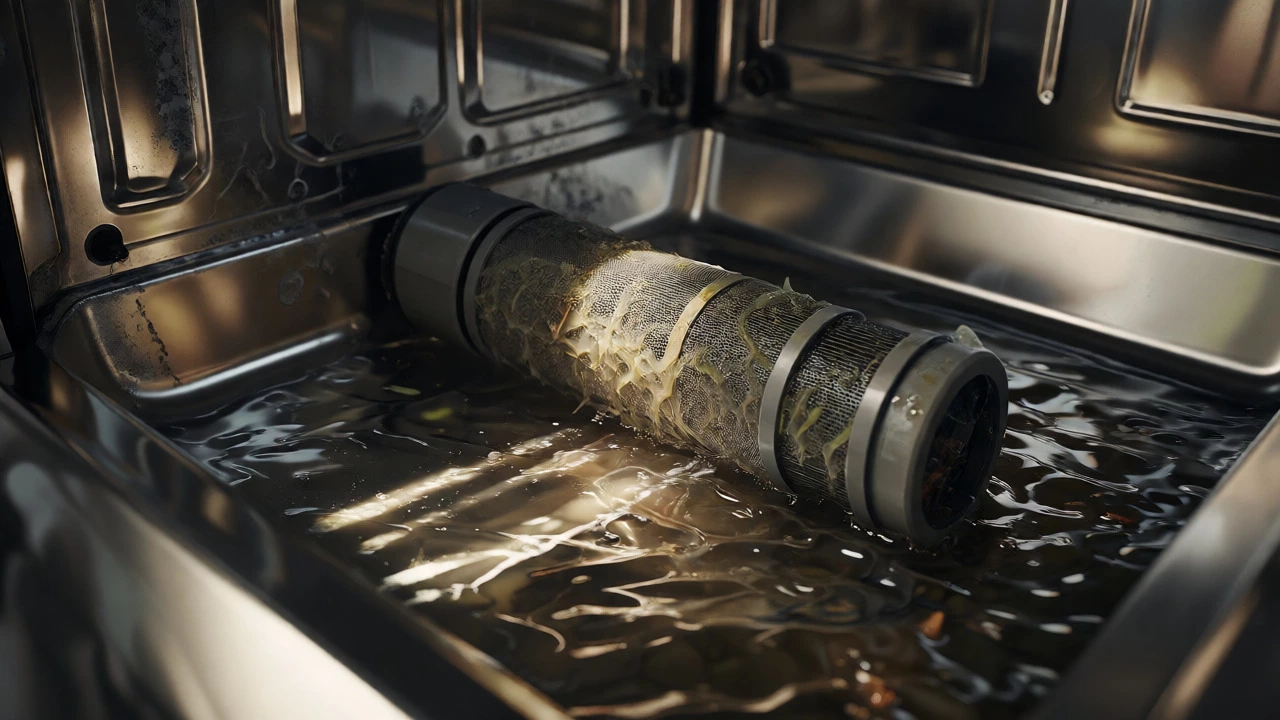
Discover the most common dishwasher fault: drainage blockages. Learn how to fix them yourself, identify other frequent issues, and decide when to repair or replace.

If you’ve ever watched a dishwasher sputter or an oven lose heat, you know how frustrating a broken kitchen appliance can be. The good news? Most problems have a simple fix, and knowing a few basics can save you time, money, and the hassle of waiting for a technician.
Start with the easy stuff. A noisy washing machine often means a loose drum belt or clogged filter – both quick to check and replace. For ovens that won’t heat, a blown fuse or a faulty heating element is usually the culprit; swapping a fuse takes minutes, and replacing an element can be done with a screwdriver and a bit of safety gear. If your hob has hot spots, it might just need a clean contact or a new burner cap. These small steps cover the majority of calls we get and can be done by anyone with a basic tool kit.
Some jobs are best left to experts. Gas hobs, for example, involve fuel lines and ignition systems – a small mistake can be dangerous. Same with built‑in refrigeration units; refrigerant handling requires certification. If you spot a cracked oven door, a leaking water heater, or a dryer that won’t spin, it’s smarter to book a qualified repair person. Professionals can also run safety checks on gas appliances and ensure everything complies with UK regulations.
Understanding the typical lifespan of each appliance helps you decide when repair makes sense and when replacement is smarter. A good electric oven usually lasts 12‑15 years, while a dishwasher can push 10‑12 years with regular cleaning. Washing machines tend to survive around 8‑10 years, and a tumble dryer can keep going for a decade if you clean the lint filter and vent regularly. When an appliance hits the low‑end of its expected life and repairs keep piling up, it’s often cheaper in the long run to replace it with a newer, more efficient model.
Maintenance is the secret sauce. Run a monthly check on seals, hoses, and filters. Flush water heaters yearly to stop sediment buildup – it costs a few pounds and extends the unit’s life. Keep your extractor fans dust‑free; a clean fan runs quieter and uses less power. Simple habits, like not overloading the washer and wiping spills from the oven right away, go a long way toward preventing costly breakdowns.
When you do need a professional, look for a local service that specializes in kitchen appliances. A company that knows the quirks of UK models, offers transparent pricing and can provide emergency call‑outs will save you the stress of hidden fees. Check reviews, ask about guarantees, and always confirm that the technician is Gas Safe registered for any gas work.
Bottom line: a little knowledge and regular upkeep can keep most kitchen appliances humming for years. Use quick checks for minor glitches, know the lifespan of each gadget, and don’t hesitate to call a qualified repair expert when safety or complex parts are involved. With the right approach, you’ll spend less on repairs and enjoy a kitchen that works the way it should.
Discover the most common dishwasher fault: drainage blockages. Learn how to fix them yourself, identify other frequent issues, and decide when to repair or replace.

How long does a dishwasher really last? This article breaks down what you can expect from your machine, the signs it's time for a replacement, and what affects its lifespan. You'll find practical tips to help your dishwasher last longer and learn when a repair actually makes sense. Get the real scoop on warranties and how newer models stack up against those from the past. Make smarter choices about fixing or replacing your dishwasher with simple, actionable advice.

Electric stoves, while convenient, can sometimes throw a wrench in your cooking plans. Two common problems that users might encounter are faulty heating elements and malfunctioning temperature controls. Understanding these issues, along with some handy troubleshooting tips, can save you from a costly service call. This article dives into these problems and offers practical advice for keeping your stove in top shape.

When your cooker breaks down, you've got a decision to make: fix it or ditch it. Understanding the value of repair versus replacement involves weighing potential costs, the age of the appliance, and the environmental impact of disposal. With a little guidance, you can make an informed choice. This article dives into the pros and cons of repairing a cooker, aiming to ease your decision-making process.

Deciding whether to repair or replace a gas oven can be challenging. This article explores the key factors that should influence your decision, such as the age and condition of the oven, cost implications, and the potential benefits of upgrading. It aims to provide practical insights into when it's worth calling a professional for a repair and when it might be time to consider a new purchase. Readers will gain valuable tips on how to assess their appliance's situation and ensure safe and efficient cooking.

Extractor fans are crucial for maintaining indoor air quality by removing humidity, odors, and smoke. When these units fail, it could be due to electrical faults, clogged filters, or mechanical issues. This article explores reasons why an extractor fan might stop working and provides practical tips for diagnosing and resolving these problems. From simple maintenance to identifying signs for professional repair, learn how to keep your fan running efficiently.