- 9 Aug 2026
- Gideon Thornton
- 0
Water Heater Health Diagnostic Tool
Symptom Checker
Select the issues you are currently experiencing with your water heater.
Diagnostic Score
Select symptoms and click Analyze to see if your unit needs repair or replacement.
Recommendations & Next Steps
There is nothing quite as shocking as stepping into a shower only to be blasted with ice-cold water. Or worse, discovering a puddle forming around the base of your water heater is a household appliance that heats and stores water for domestic use. While these units are designed to last for years, they don't last forever. Ignoring early warning signs can lead to catastrophic failure, flooding your home or leaving you without hot water for weeks.
You might think that if it’s producing hot water, it’s fine. But many serious issues develop silently until they become emergencies. Knowing what to look for can save you thousands in flood damage repairs and prevent dangerous gas leaks or electrical shorts. Here are the critical red flags that indicate your water heater needs professional attention immediately.
1. Discolored or Rusty Water
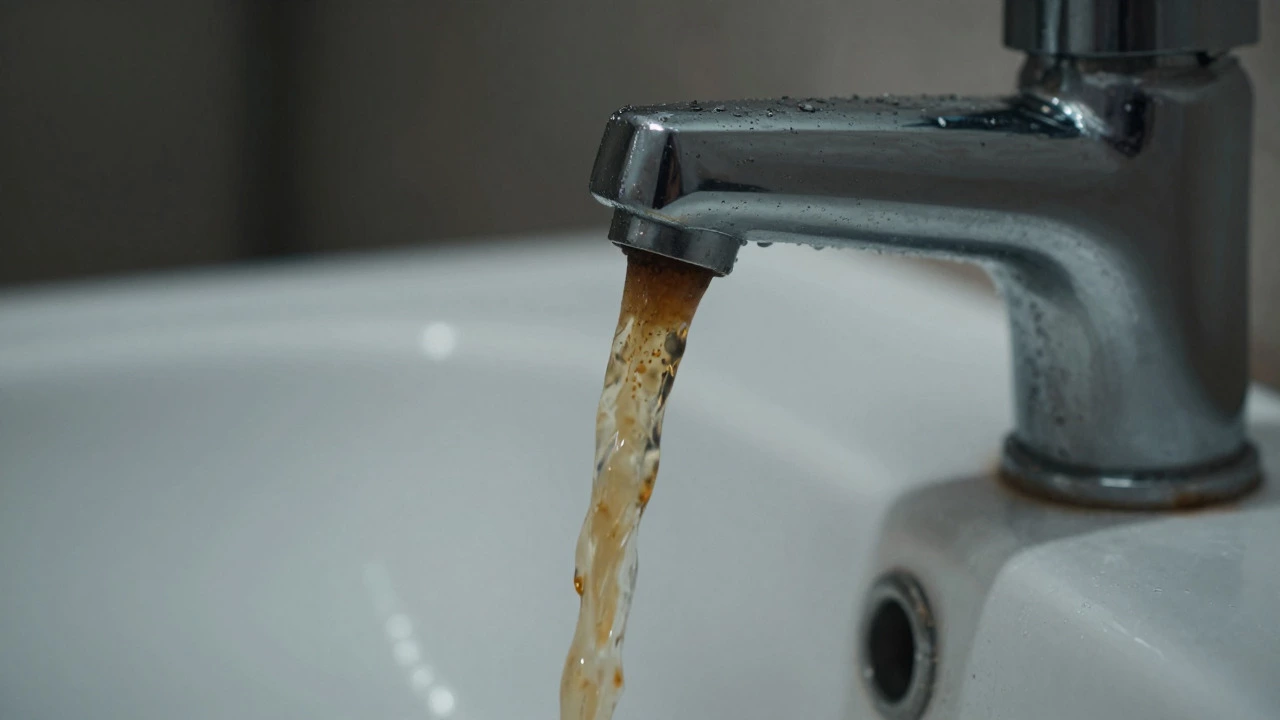
If you turn on the hot water tap and the liquid coming out looks like weak tea, dirty mud, or has a metallic sheen, stop using that faucet. This is one of the most common water heater red flags. Clear cold water paired with rusty hot water points directly to the tank itself.
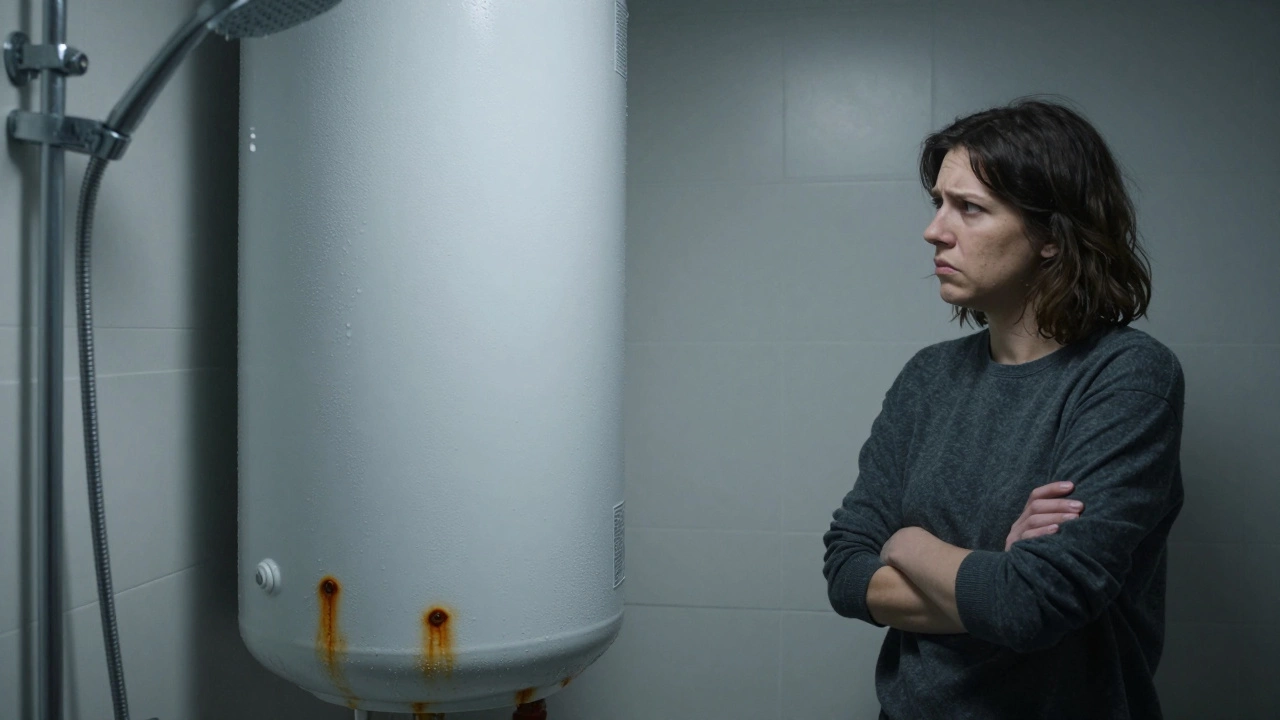
This discoloration usually means the inner lining of the tank is corroding. Most modern tanks have an anode rod-a sacrificial metal rod designed to rust instead of the steel tank wall. When that rod is depleted, the tank walls begin to oxidize. Once you see rust in the water, the structural integrity of the tank is compromised. It is not just an aesthetic issue; it is a sign that a leak is likely imminent. If this happens, schedule a diagnostic check within days, not months.
2. Unusual Noises: Popping, Banging, or Rumbling
A quiet water heater is a happy water heater. If your unit starts making loud popping, banging, or rumbling noises during the heating cycle, it is trying to tell you something is wrong. These sounds are caused by sediment buildup at the bottom of the tank.
Over time, minerals from hard water settle at the bottom. As the burner heats the tank, water trapped beneath this layer of sediment boils and turns to steam. The steam bubbles try to escape through the thick layer of gunk, creating those explosive popping sounds. This process creates "hot spots" on the tank floor, which can warp the metal and cause cracks. In electric models, this sediment can cover the heating elements, causing them to overheat and burn out prematurely. Flushing the tank might help temporarily, but persistent noise often signals advanced wear.
3. Leaking Around the Base or Valves
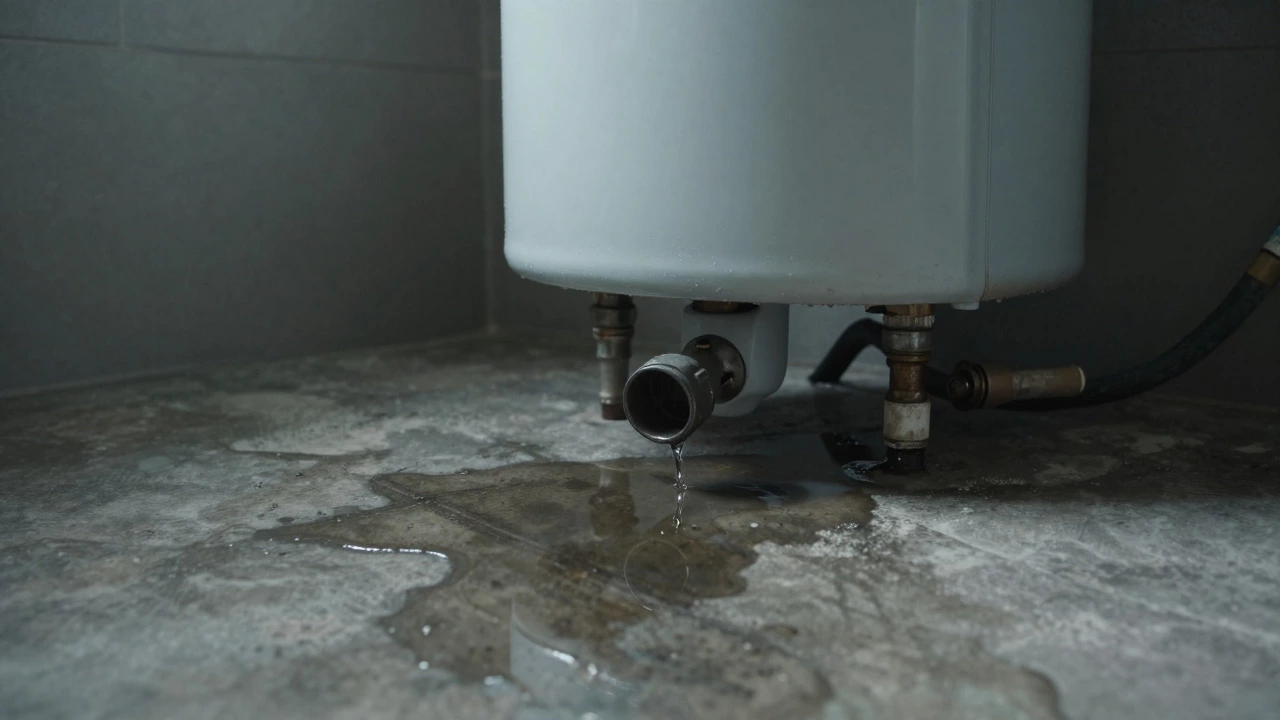
Water pooling around the base of your unit is never normal. Even a small drip suggests a significant problem. You need to identify exactly where the water is coming from, as this dictates the urgency.
- Top of the tank: Leaks here often come from loose connections, faulty inlet/outlet pipes, or a failing Temperature and Pressure Relief (T&P) valve. A dripping T&P valve is a safety feature working correctly to release excess pressure, but it indicates the thermostat may be set too high or the pressure in your home system is too elevated.
- Bottom of the tank: If water is seeping from the very bottom center of the tank, the internal corrosion has likely created a hole. Unfortunately, a leaking tank cannot be repaired; it must be replaced. Continuing to run a leaking tank will result in major water damage to your flooring and subflooring.
- Drain valve: Sometimes the drain valve at the bottom becomes loose or corroded. This is fixable, but it requires a plumber to ensure the seal is tight and the valve isn’t about to fail completely.
4. Inconsistent Water Temperature
If your shower temperature fluctuates wildly-scalding one minute and freezing the next-your water heater is struggling. This inconsistency can stem from several sources, ranging from simple to severe.
In gas units, a partially blocked burner or a failing thermocouple can cause irregular firing. In electric units, one of the two heating elements may have failed, meaning you are only getting partial heat recovery. Another culprit could be a broken dip tube. The dip tube directs incoming cold water to the bottom of the tank so it can heat up properly. If it breaks, cold water mixes with hot water at the top, resulting in lukewarm output. If you find yourself constantly adjusting the thermostat to get comfortable water, the unit is losing efficiency and reliability.
5. The Smell of Rotten Eggs
Hot water that smells like sulfur or rotten eggs is unpleasant, but it also carries health implications. This odor is rarely caused by the water supply itself if the cold water doesn’t smell bad. Instead, it is usually a chemical reaction inside the tank.
Sulfur-reducing bacteria thrive in warm, stagnant environments. They feed on the magnesium anode rod found in many tanks, producing hydrogen sulfide gas as a byproduct. While low levels are mostly a nuisance, high concentrations can indicate a significant bacterial bloom. Replacing the anode rod with an aluminum-zinc hybrid or installing a specialized filter can solve this, but ignoring it allows the bacteria to continue degrading the tank's interior components.
6. Age of the Unit
Age is not a symptom you can see or hear, but it is the single biggest predictor of failure. The average lifespan of a traditional tank-style water heater is between 8 and 12 years. If your unit is older than ten years, it is operating on borrowed time.
Even if it seems to be working fine, the internal components-the glass lining, the anode rod, the valves-are worn down. A ten-year-old unit is far more likely to suffer a sudden catastrophic leak than a three-year-old one. If you are experiencing any other minor issues mentioned above, and the unit is over a decade old, replacement is almost always more cost-effective than repair. Modern units are also significantly more energy-efficient, which can lower your utility bills.
| Symptom | Likely Cause | Urgency Level |
|---|---|---|
| Rusty Water | Corroded Anode Rod / Tank Linings | High |
| Popping Noises | Sediment Buildup | Medium |
| Leaking Base | Internal Tank Failure | Critical |
| Rotten Egg Smell | Bacterial Growth on Anode | Low/Medium |
| No Hot Water | Thermostat or Element Failure | High |
7. Moisture or Condensation on Gas Pipes
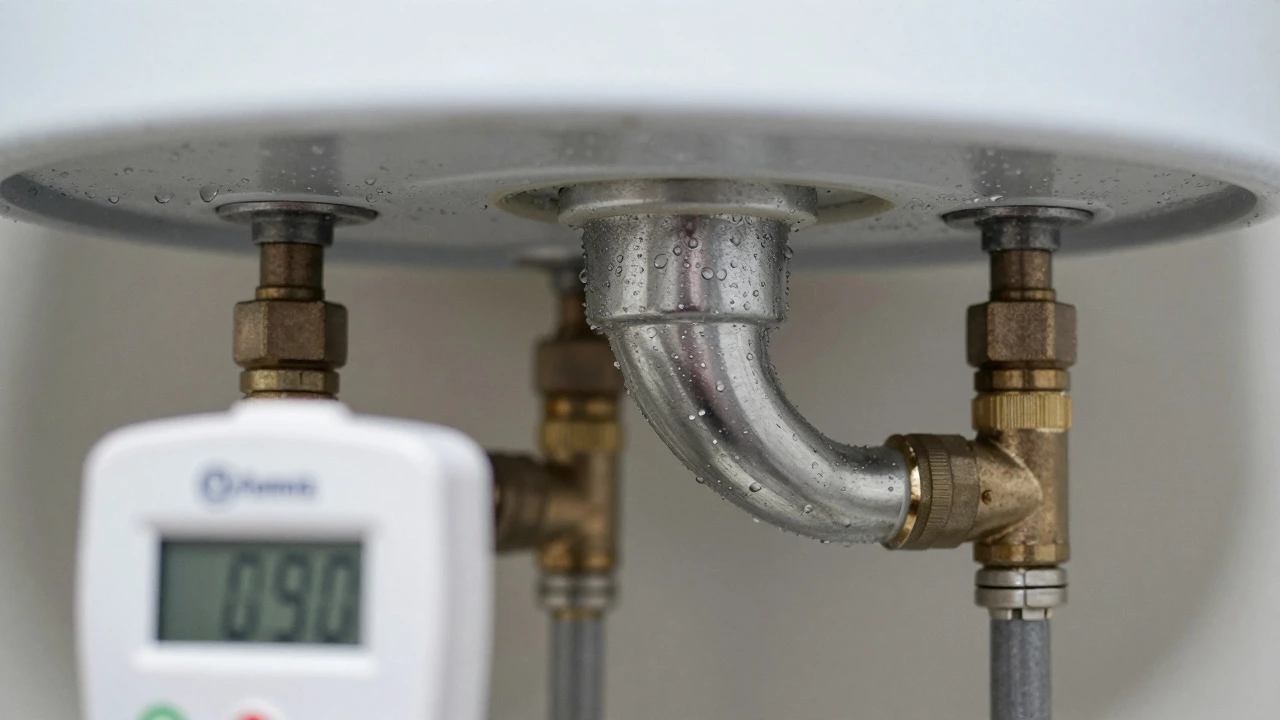
If you have a gas-powered water heater, inspect the gas line and the flue pipe. Excessive condensation or moisture on these pipes can indicate improper venting. If combustion gases are not escaping correctly, they could be backing up into your home. This is a serious safety hazard that risks carbon monoxide poisoning. Always install carbon monoxide detectors near sleeping areas and test them monthly. If you detect moisture on the gas lines, shut off the gas supply and call a professional immediately.
When to Call a Professional vs. DIY Fixes
Some maintenance tasks, like flushing the tank to remove sediment, can be done by a confident homeowner. However, dealing with gas lines, electrical connections, or pressure relief valves requires a licensed technician. In the UK, gas work must be carried out by a Gas Safe registered engineer. Attempting to fix a gas leak or a complex electrical fault without proper certification is dangerous and can void your home insurance.
If you notice multiple red flags simultaneously-for example, rusty water combined with strange noises and the unit is over ten years old-skip the repair quote. Ask for a replacement estimate. Trying to patch together a failing system is a false economy. You will likely spend more on repeated service calls than on a new, efficient unit with a warranty.
How long does a typical water heater last?
A standard tank-style water heater typically lasts between 8 and 12 years. Tankless models can last 20 years or more with proper maintenance. Factors like water hardness, usage frequency, and regular maintenance play a huge role in longevity.
Is it worth repairing an old water heater?
If your unit is less than six years old, repair is usually worthwhile. If it is over ten years old, replacement is generally the better financial decision. Older units are less efficient and more prone to sudden failure, which can lead to costly water damage.
Why is my water heater making popping noises?
Popping noises are caused by sediment buildup at the bottom of the tank. Water trapped under the sediment boils and creates steam bubbles that pop as they escape. Flushing the tank can resolve this, but persistent noise may indicate overheating elements or tank damage.
What causes rotten egg smell in hot water?
The smell is usually caused by sulfur-reducing bacteria reacting with the magnesium anode rod inside the tank. Replacing the anode rod with an aluminum-zinc type or installing a UV sterilizer can eliminate the odor.
Can I flush my own water heater?
Yes, flushing a water heater is a common DIY maintenance task. Turn off the power/gas, connect a hose to the drain valve, and let the tank empty into a floor drain. Be cautious of hot water and sediment clogging the hose. If you are unsure, hire a professional to avoid injury or damage.