- 28 Sep 2026
- Gideon Thornton
- 0
Dryer Repair vs. Replace Calculator
Enter the details below to determine if you should fix your current dryer or invest in a new one based on the 50% rule and age guidelines.
Current Dryer Details
Fill in the details on the left and click "Analyze Decision" to see the recommendation.
You pull your laundry out of the tumble dryer an electrical or gas-powered household appliance that dries clothes by tumbling them in a heated drum, and it’s still damp. Or maybe it’s making a noise like a bag of marbles is trapped inside. Your first instinct? Call a technician. But here’s the uncomfortable truth most repair companies won’t tell you upfront: sometimes fixing it is throwing good money after bad.
Living in Bristol, I’ve seen plenty of dryers that are technically fixable but financially foolish to save. The difference between "repair" and "replace" isn't just about how much the part costs; it's about the age of the machine, the efficiency of new models, and whether you're paying for a band-aid on a terminal illness. If you’re staring at a broken unit wondering if it’s worth the call-out fee, this guide breaks down exactly when to let go.
The 50% Rule: A Simple Math Test
This is the golden rule every homeowner should know before picking up the phone. It’s not complicated, but it saves hundreds of pounds. Here is how it works:
- Determine the age of your dryer. Most standard vented or condenser dryers have a lifespan of 10 to 13 years. Heat pump models can last slightly longer due to less mechanical stress on the heating element, but they are more complex.
- Get a quote for the repair. This includes parts and labour.
- Check the price of a comparable new model. Don’t look at the premium £800 smart dryer yet. Look at what a basic, reliable replacement costs today.
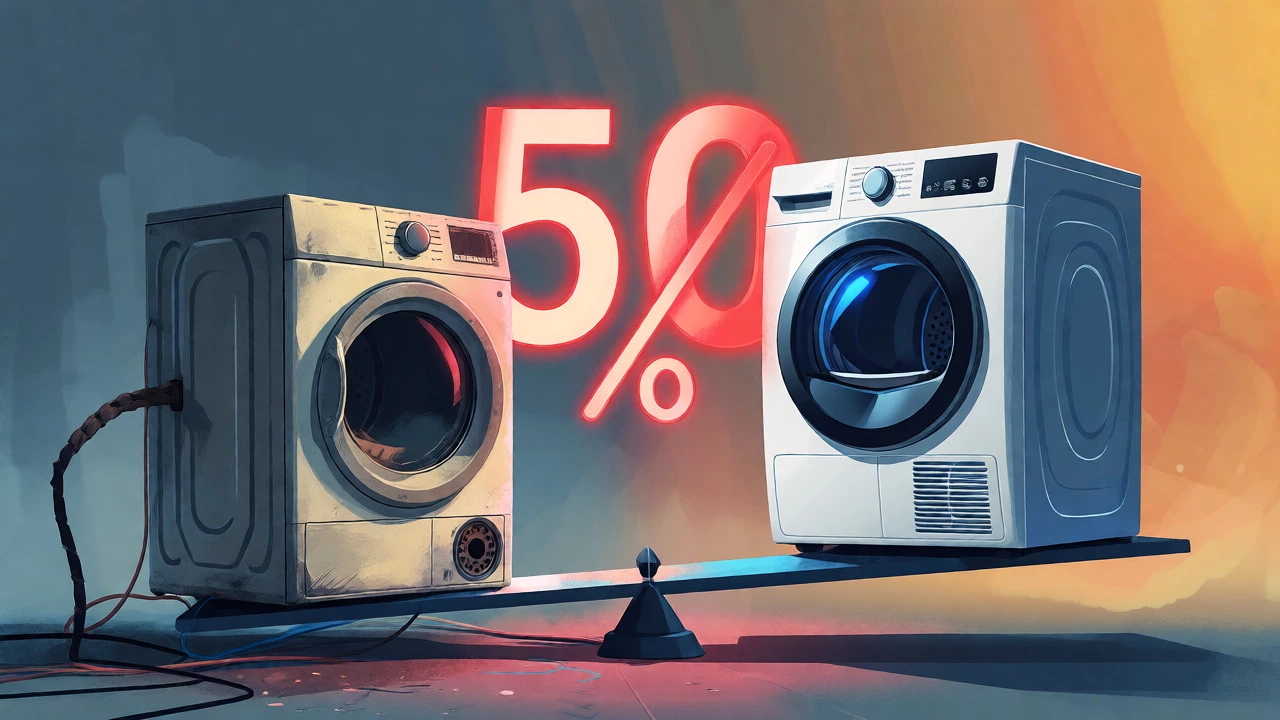
If the repair cost exceeds 50% of the price of a new equivalent model, walk away. Why pay £250 to fix a motor on a ten-year-old machine that only costs £400 new? You’re essentially buying a refurbished risk. New appliances come with warranties-usually one year minimum. Repairs often come with a 90-day guarantee on the specific part fixed, but nothing else. If your control board dies six months after you paid to fix the belt, you’ll be back at square one.
| Scenario | Age of Dryer | Repair Cost | Recommendation |
|---|---|---|---|
| Minor issue (belt, filter) | < 5 Years | < £50 | Repair |
| Major component (motor, heater) | > 10 Years | > £150 | Replace |
| Complex electronics | > 7 Years | > £100 | Consider Replacing |
| Rust or structural damage | Any | N/A | Replace |
Signs Your Dryer Is Beyond Saving
Sometimes the math doesn't matter because the machine is physically failing in ways that make repairs impossible or dangerous. Here are the red flags that scream "buy a new one."
Excessive Rust or Corrosion
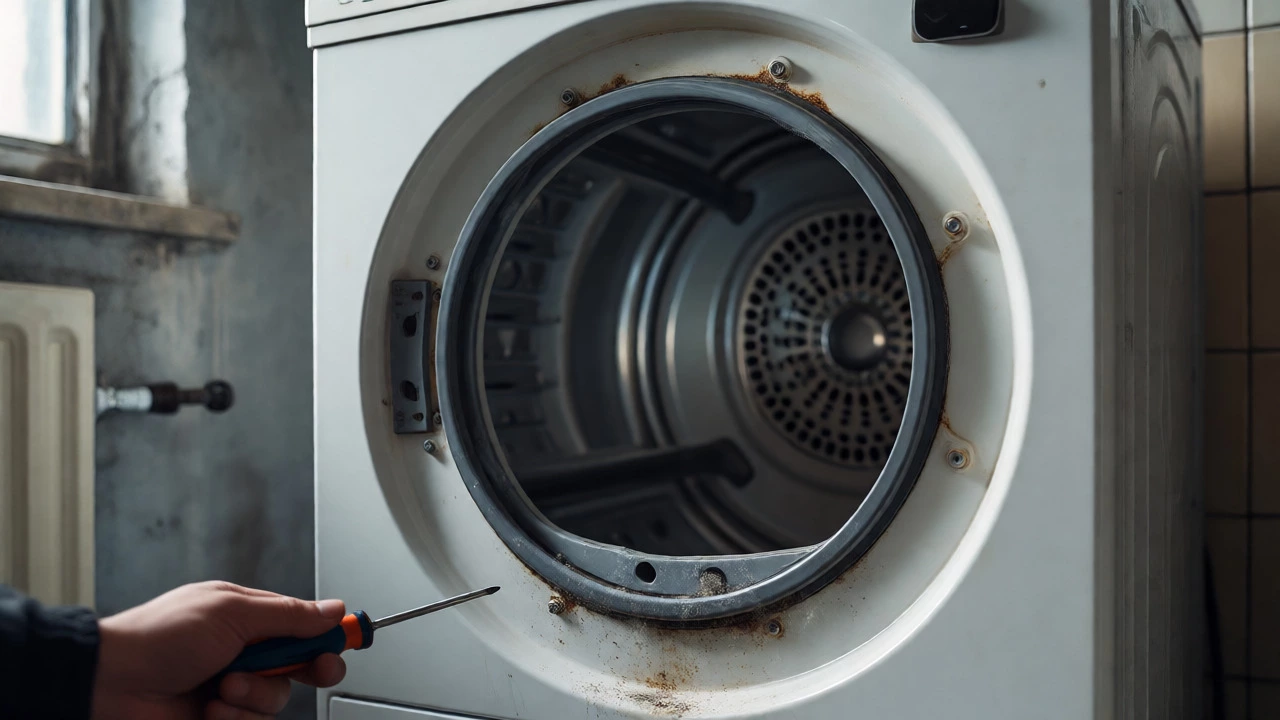
Look at the drum interior and the housing. If you see significant rust, especially around the door seal or the lint trap area, stop. Rust weakens the metal structure. Even if you replace the faulty part, the rust will spread. Worse, sharp rusty edges inside the drum can snag and tear your expensive clothes. No amount of sanding and painting fixes a corroded drum. In older homes in the UK where dampness is common, condensation build-up accelerates this process. If the chassis is compromised, it’s game over.
The Drum Doesn't Turn
A silent dryer is usually a simple fix-a broken belt or a failed idler pulley. But if the drum is seized and won't turn by hand, the bearings might be shot. Replacing drum bearings is a labor-intensive job. It requires disassembling almost the entire unit. Labour costs in the UK can range from £60 to £100 per hour depending on where you live. A bearing replacement can easily hit £300-£400. Unless your dryer is under three years old, this rarely makes financial sense.
Frequent Breakdowns
Did you fix the heating element last month? Now the thermostat has gone? That’s not bad luck; that’s systemic failure. As appliances age, components don't fail randomly-they fail sequentially. The vibration from an unbalanced load wears out mounts, which stresses the motor, which overheats the electronics. If you find yourself calling a technician more than once a year, you aren't maintaining an appliance; you're subsidizing its decline.
Why New Dryers Are Worth the Investment
Some people hesitate to replace because they think, "My old dryer dried clothes fine for eight years." True. But technology has moved fast. The energy efficiency standards in the UK and EU have tightened significantly. An old vented dryer might use 2.5 kWh per cycle. A modern heat pump dryer uses as little as 1.5 kWh or less.
Let’s do the real-world math. If you run your dryer five times a week, that’s 260 cycles a year. The difference in electricity cost between an inefficient old model and a high-efficiency new one can be £50-£80 annually. Over five years, that’s £250-£400 saved just on bills. That savings alone covers half the cost of a new mid-range machine. Plus, modern heat pump dryers operate at lower temperatures, which is gentler on fabrics. Your jeans and wool jumpers will last longer, saving you money on clothing replacements too.
The Hidden Costs of Ignoring the Problem
Running a struggling dryer isn't just annoying; it’s risky. When a dryer fails to heat properly, clothes stay damp. Damp lint is heavy and clogs vents faster. In gas dryers, incomplete combustion can lead to carbon monoxide leaks. In electric dryers, a faulty thermal fuse that keeps blowing is a fire hazard warning sign.
I recently advised a neighbour who kept resetting his thermal fuse every few weeks to avoid a repair bill. He was ignoring the root cause: a blocked exhaust vent causing overheating. By the time he called me, the wiring insulation near the heater had melted. What would have been a £20 vent cleaning turned into a £150 rewiring job. Don't let small problems snowball into safety hazards.
How to Check Your Warranty Before Calling Anyone
Before you decide to replace, check two things. First, is it still under manufacturer warranty? Standard warranties in the UK are usually one year, but some brands offer extended cover on motors for 5 or 10 years. Check your receipt or register the product online if you haven't already.
Second, check your home insurance. Many comprehensive policies include "appliance breakdown cover." If you have this, the excess might be £50-£100, but the repair could be covered fully. However, insurers often exclude wear-and-tear items like belts or filters. They typically cover sudden mechanical failures. Read the policy wording carefully. If the claim value is low, it might be better to pay cash and keep your no-claims bonus intact.
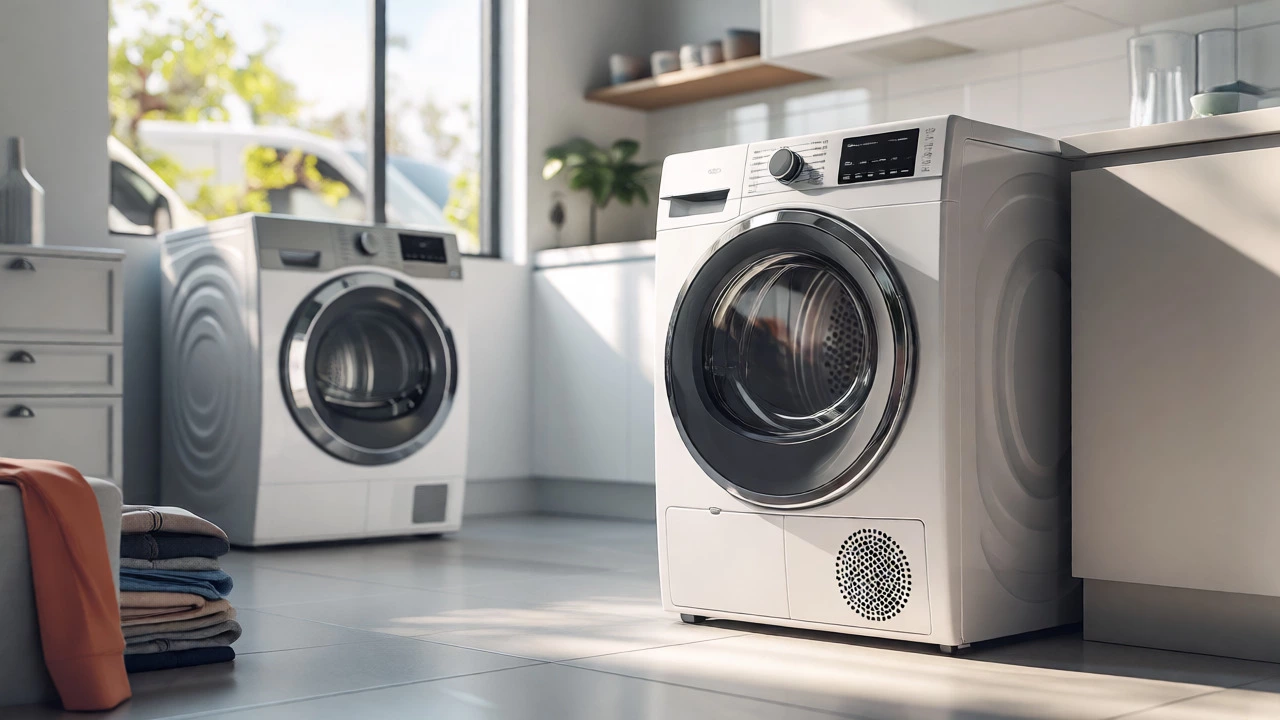
What to Do With Your Old Dryer
If you decide to replace, don't just dump the old unit in the garden. Tumble dryers contain electronic boards, copper wiring, and sometimes refrigerants (in heat pump models). These are hazardous waste. In the UK, you have options:
- Retailer Take-Back: Most major retailers (Currys, Argos, John Lewis) will take your old appliance away when delivering the new one for a small fee, often £10-£20. Sometimes it’s free during promotions.
- Council Collection: Your local council likely offers bulky waste collection. Check their website for fees.
- Scrap Metal Dealers: Some will collect large white goods for free or a nominal fee, though they might not handle the disposal responsibly.
Never leave it on the pavement unless explicitly allowed by your council. Fly-tipping fines are rising, and it looks terrible for the neighbourhood.
Frequently Asked Questions
Is it cheaper to repair or replace a dryer?
It depends on the age and the fault. For machines under 5 years old with minor issues like a broken belt, repair is cheaper. For machines over 10 years old with major faults like motor or control board failures, replacement is usually cheaper in the long run due to improved energy efficiency and warranty coverage.
How long does a tumble dryer last?
The average lifespan of a tumble dryer is 10 to 13 years. Vented and condenser models tend to last longer mechanically, while heat pump models may have shorter lifespans due to more complex electronics, though they are more efficient. Regular maintenance, such as cleaning the lint filter and checking vents, can extend this life.
Can I replace a dryer heating element myself?
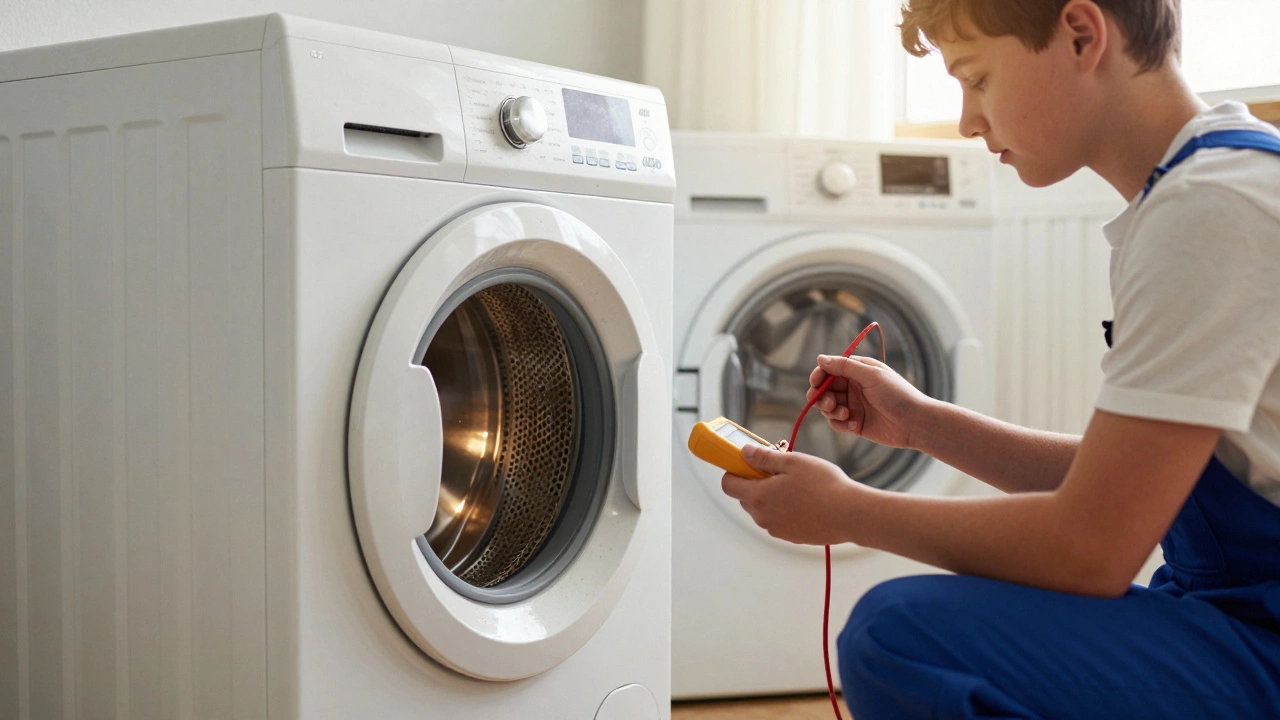
Yes, if you are handy with tools and safety-conscious. Always unplug the dryer first. You need a multimeter to test continuity. However, accessing the heating element often requires removing the front panel or rear casing, which can be tricky. If you are unsure, hire a professional to avoid damaging other components.
Do new dryers use less electricity?
Yes, significantly. Modern heat pump dryers are rated A++ or higher and use roughly half the energy of older B-rated vented dryers. This reduction in energy consumption translates directly into lower utility bills, helping offset the initial purchase price over time.
What are the signs of a dying dryer motor?
Common signs include a loud humming noise without the drum turning, a burning smell, intermittent operation, or the drum struggling to start under a full load. If the motor is seized or making grinding noises, replacement is often too costly compared to buying a new machine.