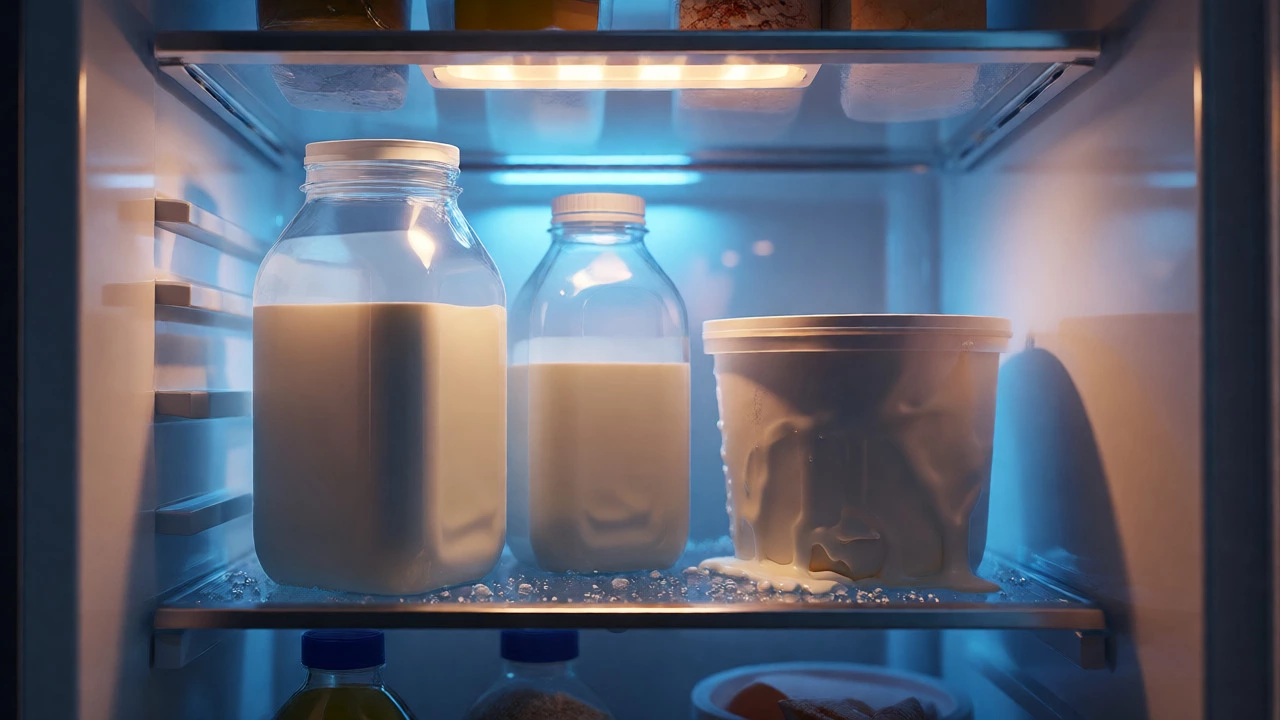
- 4 May 2026
- Gideon Thornton
- 0
Refrigerator Problem Diagnostic Tool
What is happening with your fridge?
Diagnosis Title
DIY LevelLikely Cause:
Description of cause...
Estimated Repair Cost:
Recommended Action:
The Surprising Truth About Fridge Repairs
You open your fridge, and it feels warm. Or maybe you hear a weird rattling noise that keeps you up at night. Your first thought is usually panic: "Is this going to cost me hundreds of pounds?" But before you call a technician or throw away spoiled groceries, there is one thing you need to know. The most common refrigerator repair isn’t actually a complex compressor failure or a broken circuit board.
Surprisingly, the number one issue homeowners face with their fridges is clogged condenser coils. It sounds technical, but it’s really just dust buildup. In fact, studies from major appliance manufacturers show that nearly 60% of "broken" fridges are simply overheating because they can’t breathe properly. Before we get into the heavy machinery, let’s look at why this happens and how you can fix it yourself in under an hour.
Why Condenser Coils Are the #1 Culprit
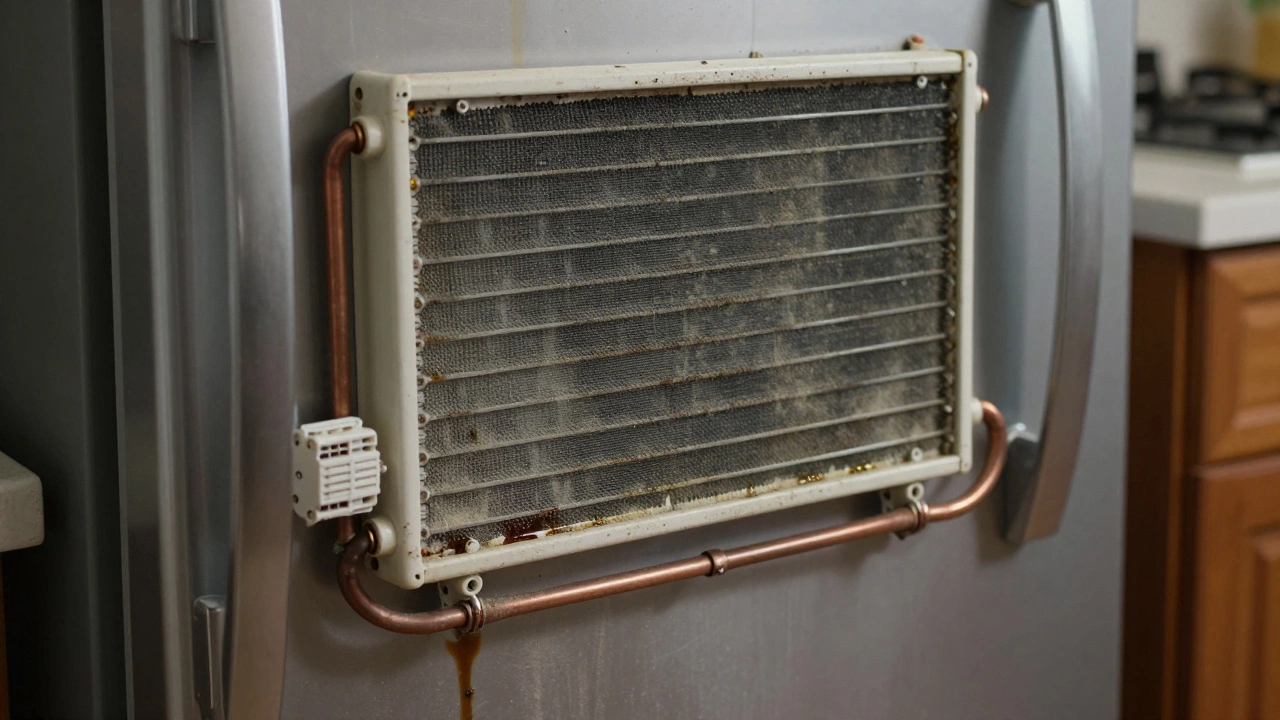
To understand why condenser coils are the heat-exchange tubes located at the back or bottom of your refrigerator that release heat absorbed from inside the fridge, you have to think about how a fridge works. A refrigerator doesn’t make cold air; it moves heat from inside the box to the outside room. The condenser coils are responsible for dumping that heat out.
When these coils get covered in pet hair, dust, and kitchen grime, the heat gets trapped. The fridge has to work overtime to stay cool. This leads to higher energy bills, warmer food, and eventually, the compressor burning out. If you live in a household with dogs or cats, or if your fridge is tucked into a tight cabinet, this is almost certainly your problem.
- Signs of dirty coils: The fridge runs constantly without cycling off.
- The back of the fridge feels hot: This is normal when running, but if it’s scorching hot all day, the coils are likely blocked.
- Warm spots in the fridge: Food near the back wall spoils faster than usual.
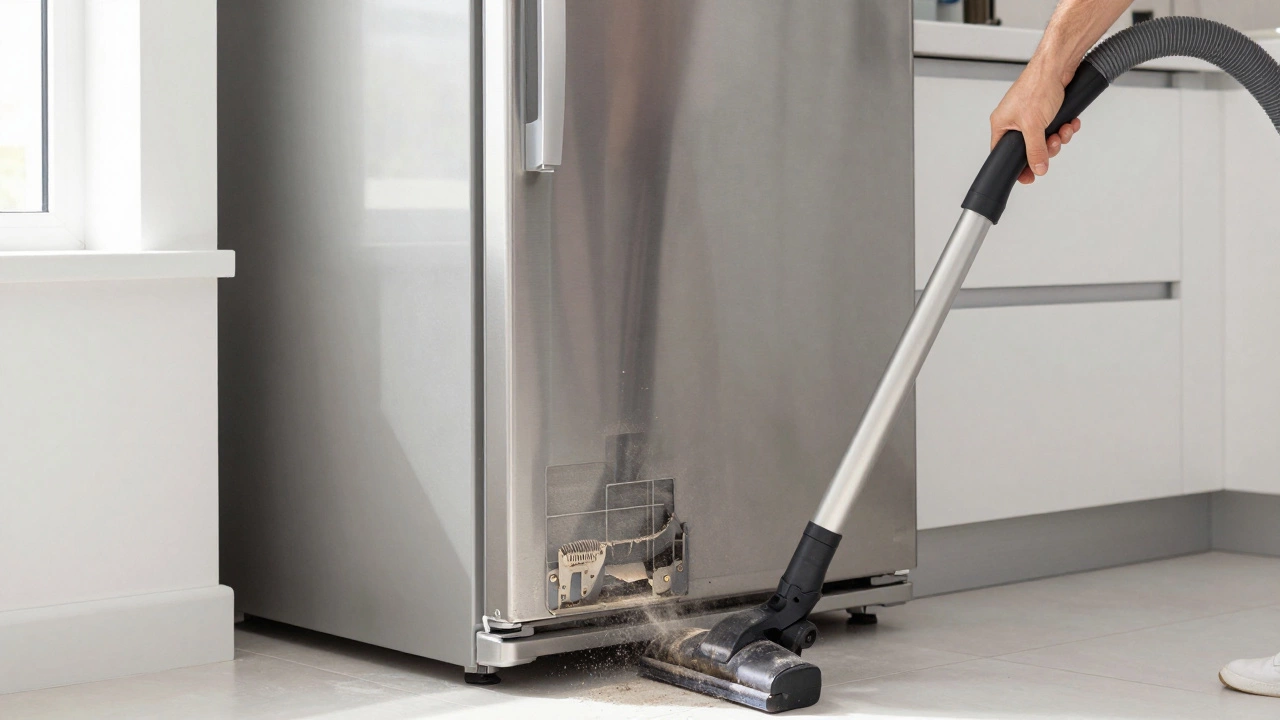
Cleaning them is free. All you need is a coil brush or a vacuum cleaner with a crevice tool. Pull the fridge out, remove the back panel (if accessible), and gently brush away the debris. Do this every six months, and you might never need a professional repair for this specific issue again.
The Runner-Up: Evaporator Fan Motor Failure
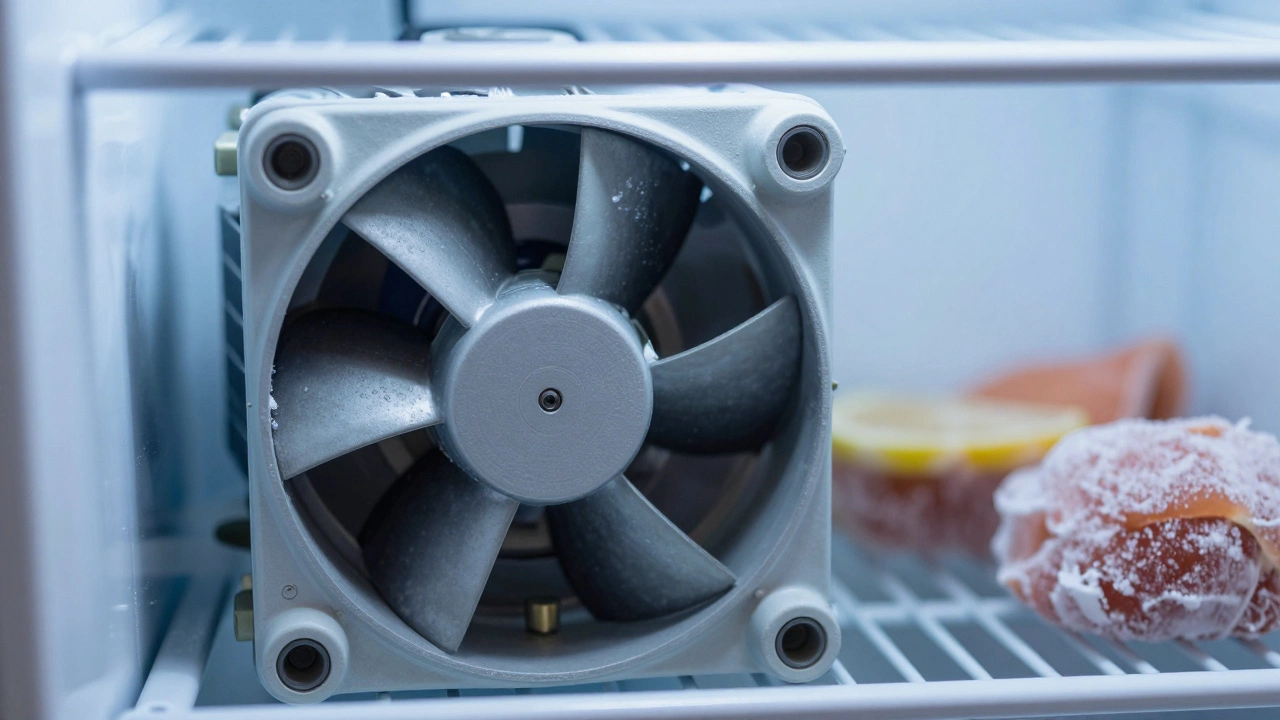
If cleaning the coils doesn’t solve the problem, the next most common repair involves the evaporator fan motor is a small electric motor that circulates cold air from the freezer compartment into the refrigerator section. This little guy sits behind the back panel of the freezer. Its job is to push cold air down into the fresh food section.
When this fan fails, you’ll notice a very specific symptom: the freezer works perfectly fine, but the refrigerator section is warm. Ice cream stays solid, but milk turns sour. This happens because the cold air is stuck in the freezer. You might also hear a loud scraping or grinding noise coming from the back of the unit. That’s the fan blade hitting something or the bearings seizing up.
Replacing an evaporator fan motor is a moderately difficult DIY job. It requires removing shelves, unscrewing panels, and disconnecting wires. However, the part itself is relatively cheap-usually between £30 and £80 depending on your model. If you’re handy with a screwdriver, this is a great weekend project.
| Symptom | Likely Cause | Difficulty Level |
|---|---|---|
| Fridge runs constantly, back is hot | Dirty condenser coils | Easy (DIY) |
| Freezer cold, fridge warm | Evaporator fan motor failure | Medium (DIY) |
| Water pooling under fridge | Clogged defrost drain | Easy (DIY) |
| No cold air anywhere | Compressor or start relay failure | Hard (Professional) |
| Loud humming or buzzing | Condenser fan motor or compressor | Medium/Hard |
The Silent Spoiler: Clogged Defrost Drains
Another incredibly common issue, especially in frost-free models, is a clogged defrost drain is a small tube that carries melted frost water from the freezer to a drain pan underneath the fridge where it evaporates. Every few hours, your fridge goes into defrost mode to melt the ice that builds up on the evaporator coils. That water needs somewhere to go. Normally, it flows through a small hole into a drain pan at the bottom of the unit.
When that hole gets blocked by food particles, ice, or mold, the water backs up. You’ll see puddles forming inside the freezer or dripping onto the floor beneath the fridge. Sometimes, you’ll even find a block of ice forming around the drain hole. This is a simple fix. Use a turkey baster filled with warm water to clear the blockage, or use a long, flexible brush designed for drain cleaning. Pouring a little baking soda solution down the drain can help prevent future clogs and kill odors.
When It’s Time to Call a Pro: Compressor Issues
While most repairs are minor, there are times when the problem is serious. The compressor is the heart of the refrigeration system that pumps refrigerant through the coils to create cold air is the most expensive component to replace. If your fridge is completely silent and not cooling at all, the compressor might have failed. However, before assuming the worst, check the start relay is a small electrical component that helps kick-start the compressor motor.
The start relay is a small plastic box attached to the side of the compressor. It wears out over time and is a very common point of failure. If the relay is bad, the compressor won’t turn on, but the fridge will still have power (lights on, display working). Replacing a start relay costs less than £20 and takes ten minutes. If you replace the relay and the fridge still doesn’t run, then you likely have a compressor issue. At that point, consider whether it’s worth repairing. Compressor replacements often cost more than half the price of a new fridge.
Door Seals: The Overlooked Leak
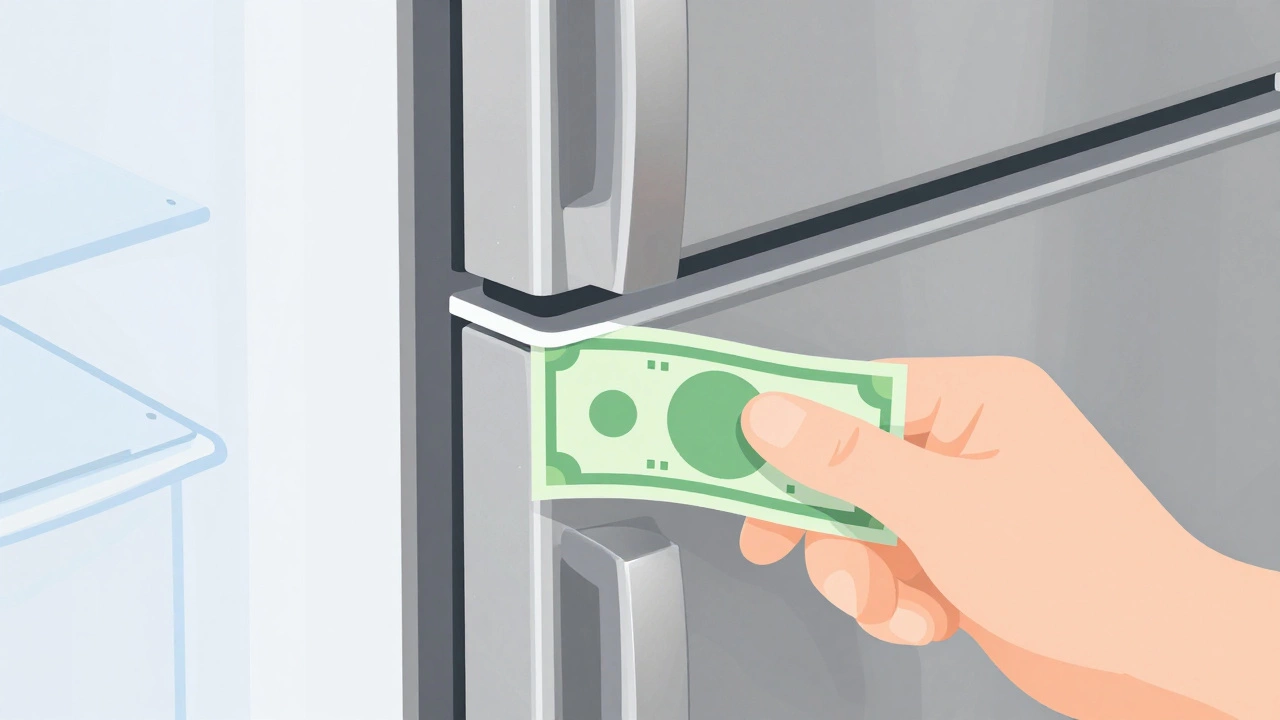
Sometimes the fridge isn’t broken; it’s just letting warm air in. door gaskets are rubber seals around the door edges that keep cold air inside and warm air out degrade over time. They become brittle, cracked, or warped. If warm air leaks in, the fridge has to work harder to maintain temperature, leading to premature wear on other components.
Test your seals with the dollar bill test. Close the door on a dollar bill (or any piece of paper). If you can pull it out easily without resistance, your seal is weak. Clean the gaskets with warm soapy water first. If they’re still loose or cracked, replace them. New gaskets are model-specific but generally affordable. Keeping the seals tight reduces energy consumption significantly.
Preventative Maintenance Checklist
Most refrigerator repairs can be avoided with basic maintenance. Here is a quick checklist to keep your fridge running smoothly for years:
- Clean condenser coils twice a year. Set a reminder on your phone for January and July.
- Check door seals quarterly. Look for cracks and perform the dollar bill test.
- Clear the defrost drain annually. Pour warm water down the drain hole to prevent clogs.
- Keep vents clear. Don’t overpack the fridge. Air needs to circulate around the evaporator fans.
- Level the fridge. An unlevel fridge won’t close properly, causing seal issues and door alignment problems.
By handling these small tasks yourself, you avoid costly service calls and extend the life of your appliance. Remember, a well-maintained fridge is an efficient fridge.
How much does it cost to repair a refrigerator?
Costs vary widely. Simple fixes like replacing a start relay or thermostat range from £50 to £150 including labor. Moderate repairs like evaporator fan motors or control boards can cost £200 to £400. Major repairs involving compressors or sealed system issues often exceed £500, which may make buying a new unit more economical.
Can I clean my condenser coils myself?
Yes, absolutely. Unplug the fridge, pull it away from the wall, and use a vacuum cleaner with a hose attachment or a specialized coil brush to remove dust and debris from the coils. Be gentle to avoid bending the delicate fins. This should be done every six months.
Why is my freezer cold but my fridge warm?
This is a classic sign of a failed evaporator fan motor or a blocked air duct. The fan circulates cold air from the freezer to the fridge. If it stops spinning, the cold air stays trapped in the freezer. Check for ice buildup blocking the fan or listen for unusual noises indicating a failing motor.
How do I know if my compressor is bad?
If the fridge is completely silent, not cooling, and the start relay has been tested or replaced, the compressor may be faulty. You might hear a clicking sound as the relay tries to start it, followed by silence. A professional technician can test the compressor’s continuity and amperage to confirm.
Is it worth repairing an old refrigerator?
Generally, if the repair cost exceeds 50% of the price of a new, energy-efficient model, it’s better to replace it. Older fridges also consume significantly more electricity. If your fridge is over 10-15 years old and needs a major repair like a compressor replacement, consider upgrading to save on long-term energy costs.