
- 22 May 2026
- Gideon Thornton
- 0
Freezer Health Diagnostic Tool
Evaluate your freezer's performance based on temperature readings and observable symptoms to determine if professional repair is needed.
Diagnosis Result
Recommended Actions:
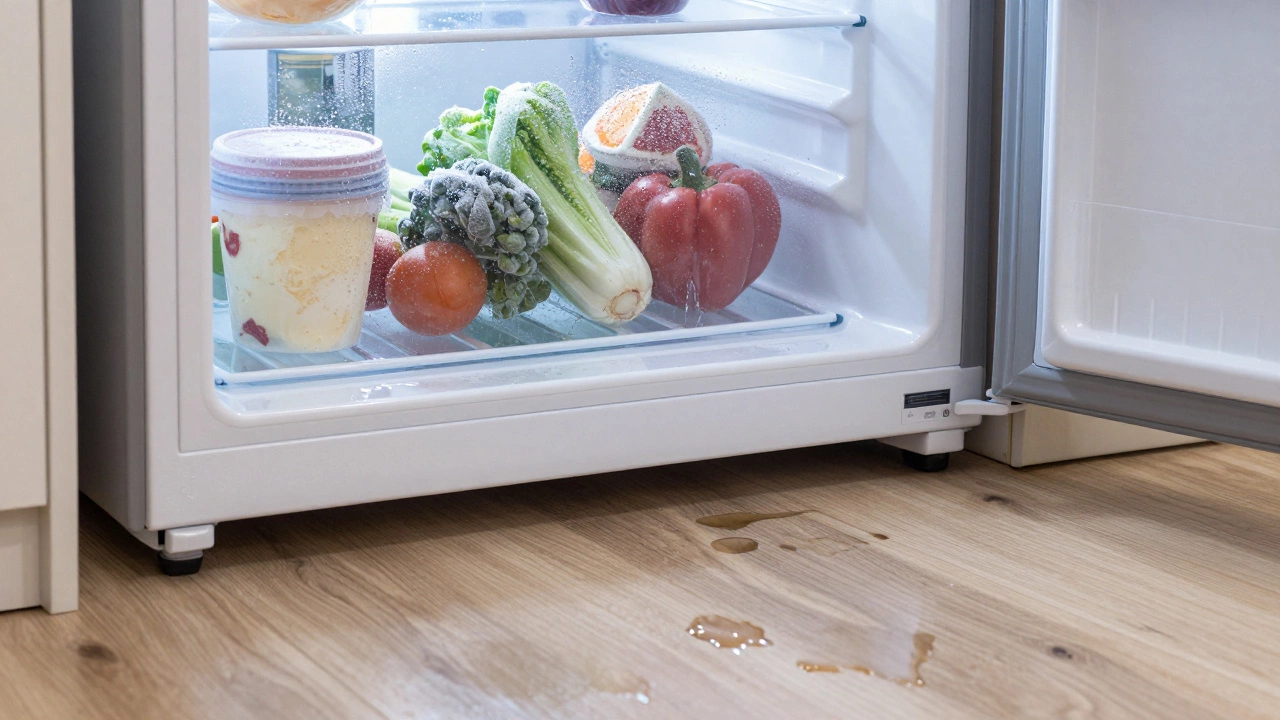
There is nothing quite as panic-inducing as opening your freezer door and finding a puddle of water on the kitchen floor. Or worse, reaching for that ice cream you bought on sale last week only to find it has turned into a warm, sticky mess. It’s a nightmare scenario for anyone who relies on their appliance to keep food safe. But before you call a technician or start shopping for a replacement unit, take a breath. Just because things are melting doesn’t mean the machine is dead.
Most of the time, a freezer acting up isn’t suffering from a catastrophic compressor failure. It’s often something simple like a dirty coil, a stuck switch, or a door seal that needs replacing. Knowing how to distinguish between a minor glitch and a major breakdown can save you hundreds of pounds in unnecessary service calls. In this guide, we’ll walk through the clear signs that your freezer is actually broken, how to run quick diagnostic tests yourself, and when it’s time to bring in the pros.
While we’re talking about maintaining household systems and dealing with unexpected issues, it’s worth noting that different industries have different ways of handling reliability and verification. For instance, if you were looking for verified profiles in other sectors, you might check resources like this directory to see how listings are managed and updated regularly. Back to your kitchen, though-let’s get your cold chain back online.
The Temperature Test: The Gold Standard
The most reliable way to know if your freezer is working correctly is not by touch, but by measurement. Our sense of touch is notoriously inaccurate when it comes to cold surfaces. A freezer might feel icy to the hand but still be operating at -5°C (23°F), which is too warm for long-term storage. Food safety guidelines generally recommend keeping freezers at -18°C (0°F) or lower.
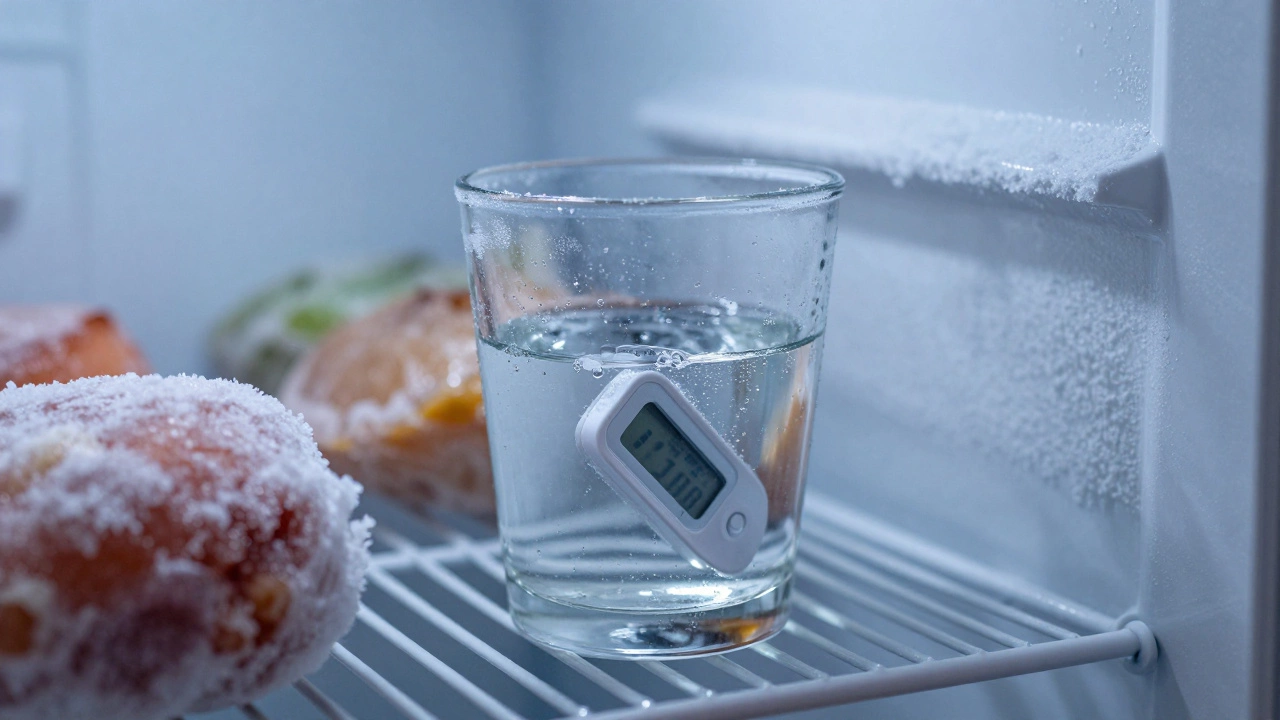
To test this accurately, grab a standard digital thermometer-the kind you use for cooking or checking room temperatures. Place it in a glass of water and put that glass in the center of the freezer. Close the door and leave it alone for at least two hours. This allows the water to reach the ambient temperature of the air inside the unit without being affected by the immediate chill of the evaporator coils.
After two hours, check the reading. If the temperature is above -15°C (5°F), your freezer is struggling. If it’s above -10°C (14°F), you likely have a significant issue. Remember, fluctuations happen every time you open the door, so try to do this test when the freezer hasn’t been opened for a while. If the temperature is consistently high despite the compressor running, you have a problem that needs attention.
Signs Your Freezer Is Struggling
Sometimes the symptoms are obvious; other times, they are subtle clues that build up over weeks. Here are the most common indicators that your freezer is on the verge of failure or already broken:
- Frost Buildup: A little frost is normal in non-frost-free models. However, if you see thick layers of ice forming on the walls, shelves, or around the vents in a frost-free model, your defrost system is likely failing. This ice acts as an insulator, preventing the cold air from circulating properly.
- Warm Air When Opening: When you open the door, you should feel a blast of cold air. If the air feels lukewarm or even slightly cool rather than freezing, the refrigerant cycle may be compromised.
- Loud or Unusual Noises: Freezers make noise-they hum, click, and buzz. But new sounds are red flags. A grinding noise could indicate a failing fan motor. A loud humming that stops and starts rapidly might suggest the compressor is trying to kick in but failing due to low voltage or a bad start relay.
- Condensation Inside: Water droplets on the interior walls or ceiling suggest that warm, moist air is entering the cabinet. This usually points to a faulty door seal (gasket) or a problem with the defrost drain.
- Food Spoiling Quickly: If items are freezing unevenly or thawing faster than usual, the airflow is blocked. Check for overpacking or ice dams blocking the vents.
Check the Power and Settings First
Before tearing apart panels or calling a repair person, rule out the simplest causes. It sounds trivial, but many “broken” freezers are just unplugged or set incorrectly.
First, ensure the unit is receiving power. Check if the light inside turns on when you open the door. If there’s no light, check the plug at the wall. Try plugging another device, like a lamp, into that outlet to verify it’s live. Also, check your home’s circuit breaker panel. Sometimes a tripped breaker affects only specific circuits, like the kitchen outlets.
Next, look at the thermostat settings. Did someone accidentally bump the dial? Many modern freezers have digital controls that can be locked or reset. Ensure the temperature setting is at -18°C (0°F). If you recently moved the freezer or cleaned it thoroughly, the settings might have been reset to factory defaults, which are sometimes warmer than optimal.
Inspect the Door Seals (Gaskets)
One of the most common reasons a freezer works hard but stays warm is a leaky door seal. The gasket is the rubber strip around the edge of the door that creates an airtight barrier. Over time, these seals can crack, tear, or become misaligned.
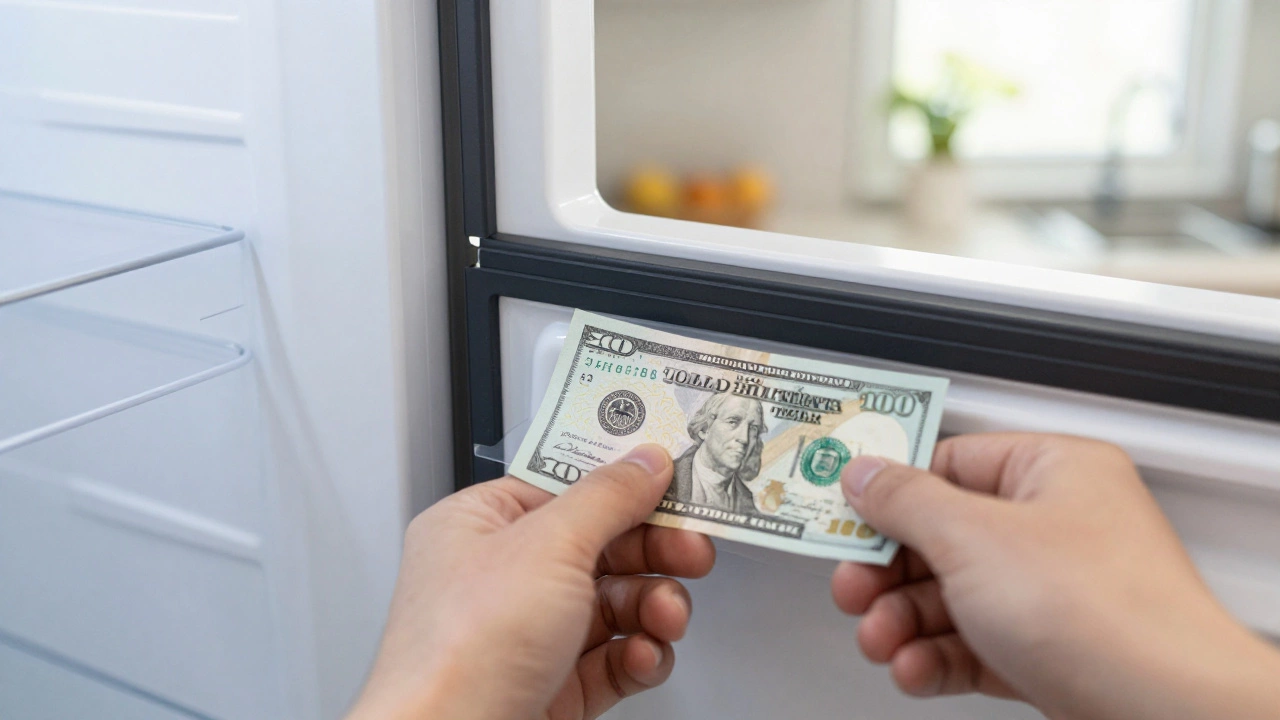
You can perform the "Dollar Bill Test" to check the seal’s integrity. Close the freezer door on a dollar bill (or any piece of paper) so that half of it is inside and half is outside. Try to pull the bill out. If it slides out easily with little resistance, the seal is weak in that spot. Move the bill to different spots around the door frame and repeat the test. If the bill slips out freely in multiple places, your gasket needs cleaning or replacement. A poor seal forces the compressor to run constantly, wasting energy and eventually burning out the motor.
Listen to the Compressor and Fan
Understanding what sound your freezer makes can tell you a lot about its health. Stand close to the unit and listen carefully.
If you hear nothing at all, but the light is on, the compressor isn’t starting. This could be a failed start relay, a capacitor issue, or a dead compressor. If you hear a loud buzzing or humming that lasts for a few seconds and then cuts off, followed by silence, the compressor is likely trying to start but failing. This is often caused by a bad start relay, a relatively inexpensive part that homeowners can sometimes replace themselves.
In frost-free models, there is also an evaporator fan that circulates cold air. If you hear a grinding or scraping noise coming from inside the freezer compartment, the fan blade might be hitting ice buildup, or the motor bearings might be worn out. If the fan isn’t running, cold air won’t distribute evenly, leading to warm spots and frost accumulation.
Clean the Condenser Coils
If your freezer is cold but the compressor runs constantly and never shuts off, the condenser coils might be clogged with dust and pet hair. These coils, located either on the back of the unit or behind a bottom grill, release heat from the refrigerant. When they’re dirty, heat exchange becomes inefficient. The compressor has to work harder and longer to maintain the temperature, leading to higher electricity bills and premature wear.
Unplug the freezer and use a vacuum cleaner with a brush attachment or a specialized coil brush to clean the coils. Do this at least twice a year. You’ll be surprised at how much debris accumulates there. After cleaning, plug the unit back in and monitor if the compressor cycles off normally after cooling down.
When to Call a Professional
Some issues are beyond DIY fixes. If you’ve checked the power, settings, seals, and coils, and the freezer still isn’t holding temperature, you likely have an internal mechanical or electrical fault. Common professional repairs include:
- Refrigerant Leak: If the system is losing Freon or other refrigerants, it needs to be recharged and the leak sealed. This requires specialized tools and certification.
- Compressor Failure: Replacing a compressor is labor-intensive and expensive. Often, if the compressor dies, it’s more cost-effective to buy a new freezer, especially if the unit is older than 10 years.
- Control Board Issues: Modern freezers use electronic control boards to manage defrost cycles and fan speeds. If these boards fail, erratic behavior occurs. Diagnosis requires technical expertise.
If your freezer is under warranty, contact the manufacturer first. Attempting DIY repairs on internal components can void the warranty. For older units, weigh the cost of repair against the price of a new, more energy-efficient model. Newer freezers use significantly less electricity, which can pay for the upgrade over time.
How long does food stay safe in a freezer during a power outage?
A full freezer will hold its temperature for approximately 48 hours if the door remains closed. A half-full freezer will hold for about 24 hours. To maximize this time, avoid opening the door. If the power is out longer than these windows, check the food temperature with a thermometer. Discard any perishable food that has been above 4°C (40°F) for more than two hours.
Is it normal for my freezer to frost up?
It depends on the type. Manual defrost freezers require you to periodically melt the ice buildup. Frost-free (automatic defrost) freezers should not accumulate significant frost. If you see ice in a frost-free model, the defrost heater, thermostat, or timer is likely faulty and needs repair.
Why is my freezer making a clicking noise?
Clicking noises often come from the defrost timer or the start relay attempting to engage the compressor. If the clicking is rhythmic and frequent, it may indicate a bad start relay. If it’s occasional and happens during the defrost cycle, it might be normal operation. Persistent clicking accompanied by a lack of cooling suggests a component failure.
Can I fix a freezer that isn’t cooling myself?
You can address simple issues like cleaning coils, replacing door seals, or changing a start relay. However, problems involving refrigerant leaks, compressor replacement, or complex electrical board diagnostics should be left to certified technicians due to safety risks and specialized tool requirements.
What is the ideal temperature for a freezer?
The ideal temperature for a freezer is -18°C (0°F) or lower. This temperature halts bacterial growth and preserves food quality for extended periods. Temperatures above -15°C (5°F) increase the risk of food spoilage and texture degradation.