- 19 Apr 2026
- Gideon Thornton
- 0
Oven Repair vs. Replace Calculator
Step 1: Check for Critical Red Flags
Does your oven have any of the following issues?
Главные выводы: Quick Takeaways
- Fix it if: The part is cheap (under £100) and the oven is otherwise in great shape.
- Replace it if: The main control board or the chassis is failing, or if it's a gas oven with a leaking manifold.
- The 10-year mark: This is the "danger zone" where seals, hinges, and heating elements often fail simultaneously.
- Energy efficiency: New ovens use significantly less power and provide more even heat distribution than models from 2016.
The "Big Three" components that usually fail
Not all breaks are created equal. Some are quick fixes; others are signs of a dying machine. Let's look at the usual suspects in a decade-old oven.
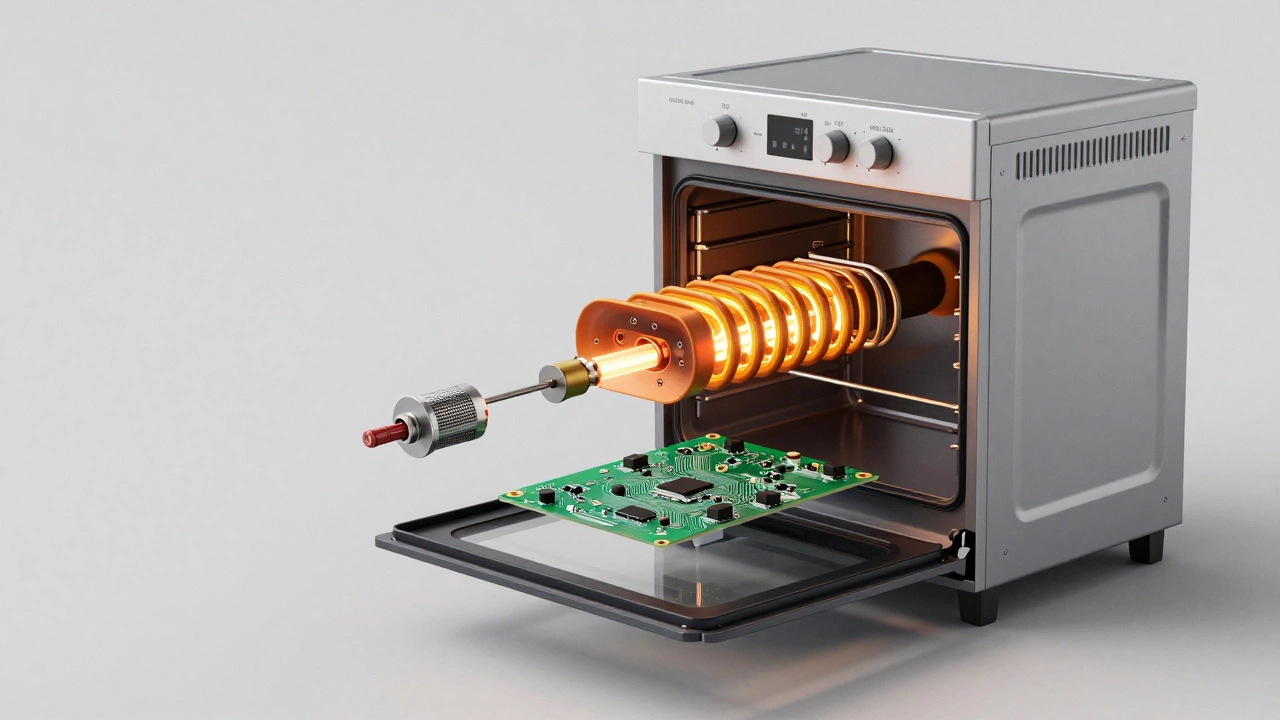
First, the Heating Element is the electrical component that converts energy into heat via resistance. If your oven takes two hours to preheat or has a cold spot, the element is likely burnt out. Replacing a bake element is usually a straightforward job. It's a "plug and play" part that doesn't require a degree in engineering. If the part costs £40 and the labor is £60, you're looking at a £100 fix. That's a no-brainer for a 10-year-old oven.
Next, we have the Thermostat is a sensor that monitors the internal temperature to maintain a consistent heat level. When this goes, your cake either turns into a charcoal brick or stays raw in the middle. While the part is cheap, diagnosing a faulty thermostat can sometimes lead to discovering a more expensive issue, like a failing control board.
Finally, there's the Control Board is the computer brain of the oven that manages timers, temperature settings, and heating cycles. This is the deal-breaker. If the digital display is glitching or the oven won't turn on at all, the board is likely fried. Control boards for older models are expensive and often hard to find. If you're spending £250 on a motherboard for a machine that's already seen ten years of roast chickens, you're throwing good money after bad.
| Component | Average Repair Cost | Difficulty | Verdict |
|---|---|---|---|
| Door Seal/Gasket | £50 - £120 | Easy | Fix It |
| Heating Element | £80 - £150 | Medium | Fix It |
| Temperature Sensor | £70 - £130 | Easy | Fix It |
| Control Board | £200 - £400 | Hard | Replace Oven |
| Gas Valve/Manifold | £150 - £300 | Professional Only | Replace Oven |
Evaluating the hidden costs of keeping an old oven
It's easy to look only at the repair bill, but you have to consider the "invisible" costs. Ten years ago, insulation wasn't as efficient as it is today. If your oven door doesn't seal perfectly, your Energy Consumption spikes because the oven has to run the heating element longer to maintain the temperature. You might be saving £300 by not buying a new oven, but you could be paying an extra £50 a year in electricity.
Then there's the issue of safety. Older ovens lack some of the advanced safety features found in 2026 models, such as better automatic shut-offs or more precise temperature calibration. If you're using a Electric Oven and notice the wiring is brittle or smells like burning plastic, don't even bother with a repair. That's a fire hazard, and no amount of patching will make it safe again.
The "Cascade Effect": Why one fix leads to another
Here is the reality of appliance aging: things rarely fail in isolation. When you fix the heating element today, the door hinge might give way next month. Then the oven light burns out. Suddenly, you've spent £300 in small increments over a year, and you're still sitting with a 11-year-old oven that looks dated.
If you're seeing multiple signs of wear-say, the knobs are loose, the racks are rusted, and the heat is uneven-stop repairing. You're not fixing a tool; you're performing life support on a ghost. At this stage, the cost of labor for three separate visits from a technician will almost certainly exceed the cost of a new unit.
When to absolutely replace it immediately
There are a few red flags that should make you skip the repair call entirely. If you smell gas and you have a Gas Oven, that's a critical failure. While a leak can be fixed, a corroded manifold or a failing internal valve in a decade-old unit is a sign that the structural integrity of the appliance is gone.
Similarly, if you see significant rust eating through the outer chassis, it's game over. Surface rust on a rack is fine, but structural rust means the oven can no longer safely support the weight of your cookware or maintain a vacuum seal. Just get a new one.
How to make the new one last 15 years
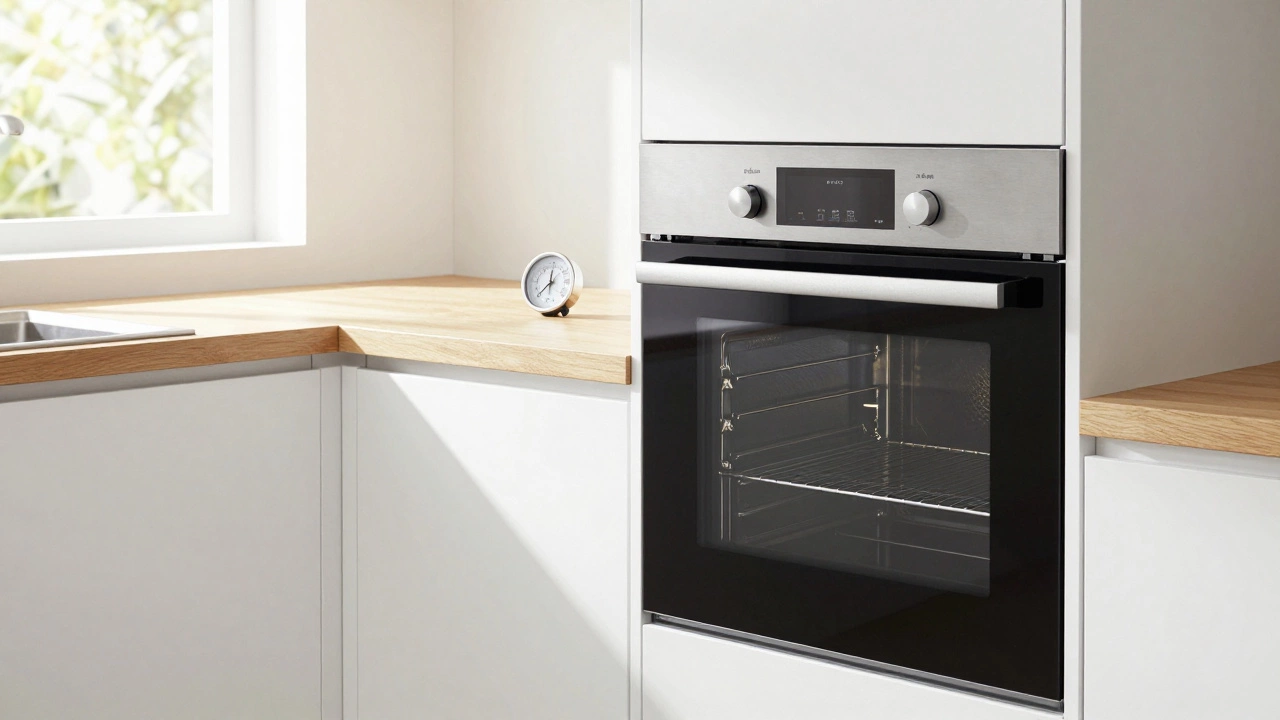
If you decide to upgrade, don't make the same mistakes. Most ovens fail because of neglect. To avoid being in this same spot in another decade, focus on a few habits. First, stop using harsh chemical cleaners on the heating elements; they can corrode the metal. Second, if you have a self-cleaning mode, use it sparingly. The extreme heat of a "pyrolytic clean" can actually warp the control board or blow a thermal fuse if used too often.
Invest in a Oven Thermometer. These are cheap little analog dials you put inside. By knowing exactly where your oven's hot spots are, you can adjust your cooking and avoid stressing the heating element by cranking the temperature higher than necessary.
Is a 10-year-old oven considered "old"?
Yes, in the appliance world, 10 years is generally the midpoint of its expected lifespan. Most modern ovens are designed to last between 12 and 15 years. At a decade, you've gotten most of your value out of it, and components like gaskets and elements are naturally reaching their end-of-life phase.
Can I fix the oven myself to save money?
If you're replacing a heating element or a door seal, yes-these are generally DIY-friendly tasks. However, if the issue involves gas lines or the main electrical board, you should always call a certified professional. Messing with gas or high-voltage wiring can be lethal and will void any remaining warranties or insurance coverage.
Will a new oven really save me money on bills?
Generally, yes. Improvements in insulation materials and heating efficiency mean that 2026 models reach temperature faster and hold it with less energy. While the savings might only be a few pounds a month, they add up over the years, especially if your old oven has a leaky door.
What is the most reliable brand for long-term use?
Reliability varies, but brands that offer widely available spare parts are the best bet. If you buy a niche, luxury brand, you might find that in 10 years, the parts are impossible to find. Stick to established brands with a strong presence in your region to ensure you can actually get repairs done in the future.
How do I know if the control board is the problem?
If your oven won't start, the timer is acting crazy, or the temperature fluctuates wildly despite the elements being fine, it's usually the board. A pro can test this with a multimeter, but if the display is dead and the oven is 10 years old, the board is the primary suspect.
Next Steps: Decision Tree
Still not sure? Follow this simple logic path:
- Is it a gas leak or structural rust? $\rightarrow$ Replace immediately.
- Is the repair cost over £200? $\rightarrow$ Replace the oven.
- Is it just a burnt-out element or a leaky seal? $\rightarrow$ Fix it.
- Are there other existing issues (broken knobs, rusted racks)? $\rightarrow$ Replace the oven.
- Is it the only oven you have and you need it today? $\rightarrow$ Temporary fix, then plan for a replacement within 6 months.