- 10 May 2026
- Gideon Thornton
- 0
Pressure Cooker Problem Diagnostic Tool
Step 1: What symptoms are you experiencing?
Select all that apply to your pressure cooker
Step 2: Tell us more about your cooker
This helps narrow down the most likely cause
Your Diagnosis & Solution
There is nothing quite like the panic of opening your kitchen cabinet to find your pressure cooker hissing steam all over the stovetop-or worse, sitting there completely silent when it should be cooking. You bought this appliance to save time and make tender stews in half the usual time. Instead, you are staring at a device that refuses to work, wondering if you need to call a technician or toss it in the bin.
The truth is, most pressure cooker issues are not catastrophic failures. They are simple maintenance oversights. Whether you are using a traditional stovetop model or a modern electric multi-cooker, the physics remain the same: trapped steam creates pressure, and pressure cooks food faster. When that system breaks down, the results are usually predictable.
In this guide, we will break down the most common problems users face with their pressure cookers, why they happen, and how you can fix them yourself without spending a fortune on repairs. We will cover everything from stubborn seals to mysterious error codes.
The Number One Culprit: A Faulty Sealing Ring
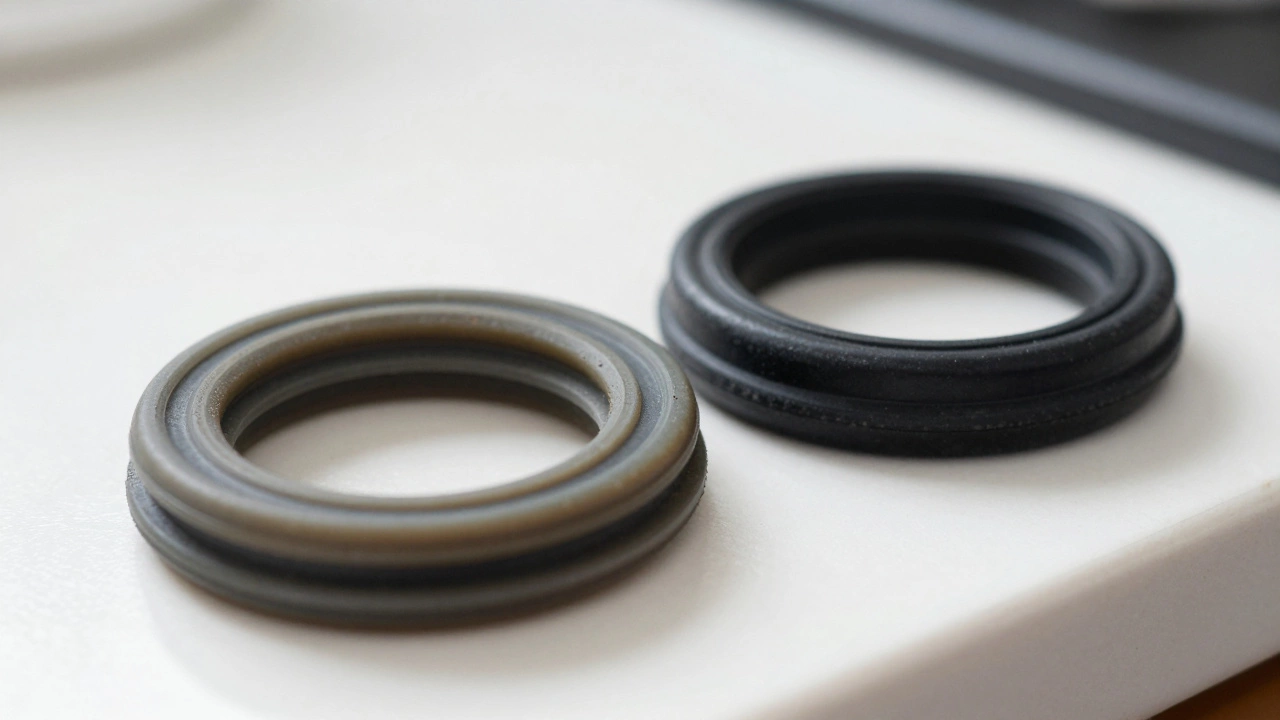
If there is one component responsible for more pressure cooker headaches than any other, it is the silicone sealing ring. This rubber gasket sits between the lid and the pot, creating an airtight seal. Without it, steam escapes, pressure never builds, and your dinner remains raw.
You might think the ring is fine because it looks intact. But silicone degrades over time. Heat, acidic foods like tomatoes, and strong spices like curry can break down the material. Even if there are no visible tears, the ring may have lost its elasticity. If it doesn't snap back into place perfectly, it won't seal.
How to spot the problem:
- Steam whistles continuously from under the lid handle instead of the vent.
- The cooker takes forever to reach pressure, or it never does.
- You notice a faint smell of old food lingering on the ring even after washing.
Clogged Vent Pipes and Steam Release Valves
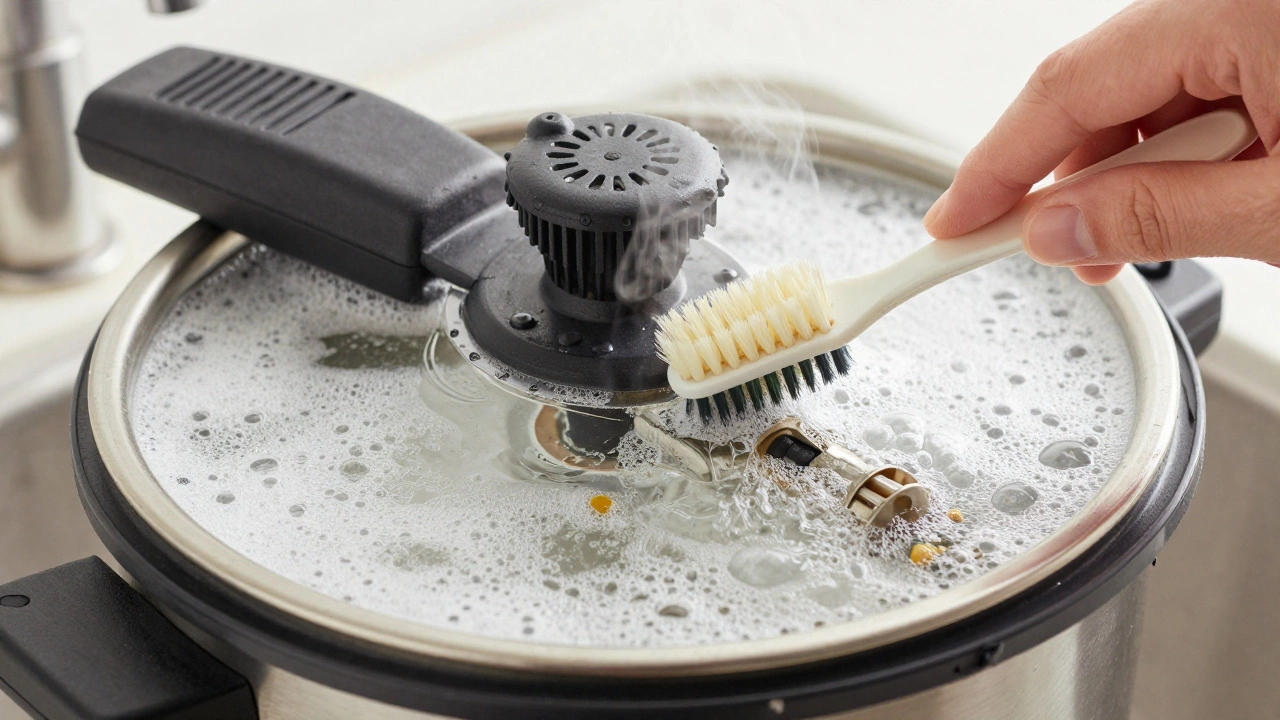
Pressure cookers rely on precise airflow. The steam release valve and the vent pipe allow excess pressure to escape safely. Over time, food particles-especially starchy ones like rice, pasta, or oatmeal-can harden inside these narrow channels.
This is especially common with stovetop models where the weight regulator sits directly on the vent. If dried food gets stuck under the weight, it blocks the flow. In electric models, the float valve mechanism can get gummed up by splattered broth.
Signs of a clog:
- The float valve doesn't rise, even though the pot is hot.
- Steam bursts out erratically rather than flowing steadily.
- You hear a rattling sound from the lid during cooking.
Improper Lid Alignment and Locking Mechanisms
It sounds silly, but misalignment is a frequent cause of failure. Many users rush to lock the lid, forgetting to align the arrows or markers correctly. If the lid isn't seated properly, the locking latches won't engage, and the safety sensors in electric models will prevent heating.
In older stovetop models, the twist-lock mechanism can wear out. The threads on the rim may become stripped, preventing a tight seal. Check the rim for chips or cracks. Even a small defect can compromise the integrity of the seal.
What to check:
- Ensure the lid arrows point to "Lock" or "Seal" before twisting.
- Inspect the inner rim of the pot for food buildup that might prevent a flat seat.
- Listen for the distinct click of the locking pins engaging.
Electric Model Error Codes and Sensor Failures
If you own a digital multi-cooker, you might encounter blinking lights or error codes like "Open Lid," "Burn," or "E1." These aren't random glitches; they are diagnostic messages from the control board.
Common Errors Explained:
- "Burn" Warning: This means the bottom sensor detected overheating. Usually caused by insufficient liquid, thick sauces sticking to the bottom, or placing a metal rack too low. Stir the food and add a splash of water.
- "Open Lid" or "Lid Error": The magnetic sensor in the lid isn't connecting with the pot. Check if the lid is fully closed or if the magnet has fallen out of its housing.
- "E1" or "Overheat": The internal temperature sensor is malfunctioning or the cooling fan is blocked. Unplug the unit and let it cool for 30 minutes.
The Float Valve That Won't Rise or Fall
The float valve is a critical safety feature. It rises when pressure builds, indicating the cooker is sealed. It falls when pressure releases, allowing you to open the lid. Sometimes, it gets stuck in the "up" position, trapping residual pressure, or stays "down," preventing pressure build-up.
This often happens due to residue buildup around the valve stem. Grease and starch create a sticky film that resists movement. In colder kitchens, condensation can also freeze slightly around the mechanism, causing temporary binding.
Safety Note: Never try to force the float valve down manually while the pot is hot. This can cause a sudden burst of scalding steam.
The Fix: Allow the cooker to cool completely. Then, clean the area around the float valve with a damp cloth. If it's still stiff, apply a tiny amount of food-safe lubricant to the stem. If the valve is broken internally, replace the entire lid assembly.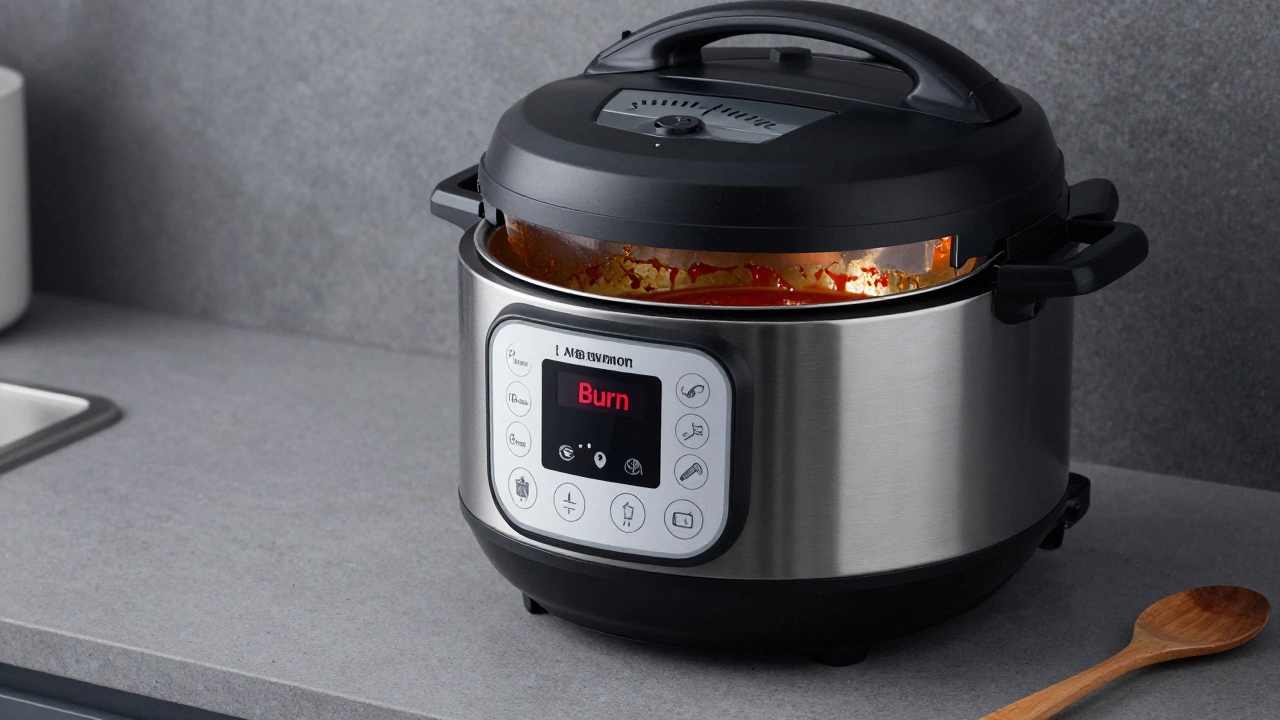
Quick Troubleshooting Guide
| Symptom | Likely Cause | Solution |
|---|---|---|
| Won't build pressure | Faulty sealing ring | Replace the silicone gasket |
| Continuous hissing | Clogged vent pipe | Clean vents with warm soapy water |
| Lid won't lock | Misalignment or dirty rim | Clean rim and align arrows |
| "Burn" error code | Insufficient liquid/sticking food | Add water and stir gently |
| Float valve stuck up | Residue buildup | Cool and clean valve stem |
Prevention Tips to Extend Lifespan
Most pressure cooker repairs are unnecessary if you follow basic maintenance rules. Here is how to keep your appliance running smoothly for years.
- Hand wash the lid: Dishwashers can warp plastic components and degrade silicone seals faster. Wash the lid and all removable parts by hand.
- Inspect the ring monthly: Stretch the sealing ring gently. If it leaves white stress marks or feels brittle, replace it immediately.
- Use enough liquid: Always ensure there is at least one cup of liquid in the pot. This generates the steam needed for pressure and prevents burning.
- Avoid overfilling: Fill the pot no more than two-thirds full for solids and one-half full for expanding foods like rice or beans. Overflow causes clogs.
- Cool before cleaning: Never immerse a hot pot in cold water. Thermal shock can crack the glass lids or warp the metal base.
When to Call a Professional vs. Buy New
Not every issue requires a trip to the repair shop. Simple parts like sealing rings, steam valves, and even lids are widely available online. However, if the inner pot is scratched deeply (exposing aluminum in non-stick models), warped, or if the electrical cord shows signs of fraying, it is time to consider replacement.
For electric models, if the control board fails repeatedly, the cost of diagnosis and parts often exceeds £50. Given that a new high-quality multi-cooker starts around £80, buying new is usually the smarter financial decision. For stovetop models, which lack complex electronics, replacing mechanical parts is almost always worthwhile.
Why is my pressure cooker leaking steam from the sides?
This is almost always caused by a worn-out or misplaced sealing ring. Check if the ring is twisted inside the groove. If it looks fine, try replacing it with a new one. Also, ensure the lid is aligned correctly and locked tightly.
Can I use olive oil to lubricate the pressure cooker lid?
No, do not use cooking oils like olive oil. They can go rancid and attract dirt. Use food-grade mineral oil or silicone grease specifically designed for kitchen appliances. Apply only a tiny drop to moving parts.
How often should I replace the sealing ring?
Replace the sealing ring every 6 to 12 months, depending on usage frequency. If you cook frequently with acidic or strongly flavored foods, replace it sooner. Look for discoloration, odors, or loss of elasticity as signs it needs changing.
Is it safe to force open a pressure cooker if the valve is stuck?
Absolutely not. Forcing the lid open while pressure is trapped inside can cause a dangerous explosion of hot steam and food. Always wait for the pressure to release naturally or use the quick-release method according to the manufacturer's instructions.
What causes the "Burn" error on electric pressure cookers?
The "Burn" error indicates that the bottom of the pot is overheating. This happens when there is not enough liquid to generate steam, or when thick sauces stick to the bottom and char. Add a little water, stir the food gently, and ensure the pot is clean before starting.