- 7 May 2026
- Gideon Thornton
- 0
Washing Machine Repair vs Replace Calculator
Enter your machine details below to get a personalized recommendation
You stand in front of your washing machine is a household appliance designed to clean clothes using water and detergent. It’s making that grinding noise again. The drum wobbles like it’s trying to escape. You wonder: "Is this just normal wear and tear, or is it time for a new one?" This is the million-dollar question-literally. Replacing a washer costs hundreds, maybe thousands, while repairs can range from fifty to three hundred pounds. Knowing exactly how long your machine should last saves you money and stops you from throwing away a perfectly good appliance.
The short answer? Most modern washing machines last between 10 and 14 years. But that number swings wildly depending on brand, usage, and how well you treat the thing. Some units kick the bucket after five years; others run strong for two decades. Let’s break down what determines your machine’s lifespan and how to squeeze every last drop of life out of it.
What Determines How Long a Washing Machine Lasts?
Lifespan isn’t random. It’s dictated by a mix of engineering quality, daily habits, and environmental factors. Think of your washing machine as a car. If you drive it gently, change the oil (clean the filter), and don’t overload it with luggage (clothes), it’ll go the distance. Abuse it, and it breaks down early.
Here are the top factors that decide whether your machine dies at year eight or thrives until year fifteen:
- Build Quality: Cheap models often use plastic gears and thinner drums. Premium brands tend to use stainless steel drums and heavier motors. A stainless steel drum is a durable inner cylinder made of corrosion-resistant metal. resists rust far better than enamel-coated steel.
- Usage Frequency: Running four loads a day wears out seals and bearings faster than running one load a week. The average UK household runs about 300 cycles per year. Heavy users might hit 500.
- Maintenance Habits: Leaving the door shut breeds mould. Ignoring the lint filter causes drainage issues. Skipping annual descaling leads to pump failure.
- Water Hardness: In areas with hard water, limescale builds up inside the heating element and pipes. This restricts flow and overheats components. Bristol has moderately hard water, so regular care matters here.
- Vibration and Installation: An unlevel machine shakes itself apart over time. Wobbly floors or uneven feet stress the suspension springs and shock absorbers.
Average Lifespans by Brand and Type
Not all washers are created equal. Industry data from consumer reports and repair technicians shows clear trends in longevity. Here’s what you can expect based on the type and brand tier:
| Category | Average Lifespan | Common Failure Points |
|---|---|---|
| Budget Brands (e.g., Hisense, Haier) | 7-9 years | Door hinges, control boards, pumps |
| Mid-Range Brands (e.g., Bosch, Siemens) | 10-12 years | Drum bearings, door seals, heaters |
| Premium Brands (e.g., Miele, Asko) | 15-20+ years | Electronic modules, motor brushes |
| Front Loaders | 10-14 years | Seal mould, bearing wear |
| Top Loaders | 8-12 years | Agitator shaft, lid switches |
Note that Miele is a German manufacturer known for high-end home appliances. often designs parts to last 20 years, which is why their machines command higher prices. Budget brands cut corners on electronics and plastics to keep costs low. Mid-range options offer a balance but may require minor repairs around year eight.
Signs Your Washing Machine Is Near the End
Don’t wait for total breakdown. Watch for these warning signs that indicate your machine is tiring:
- Excessive Noise: Grinding, screeching, or loud banging during spin cycles usually points to worn-out bearings or loose drum mounts. Bearings are expensive to replace because they’re sealed inside the outer tub.
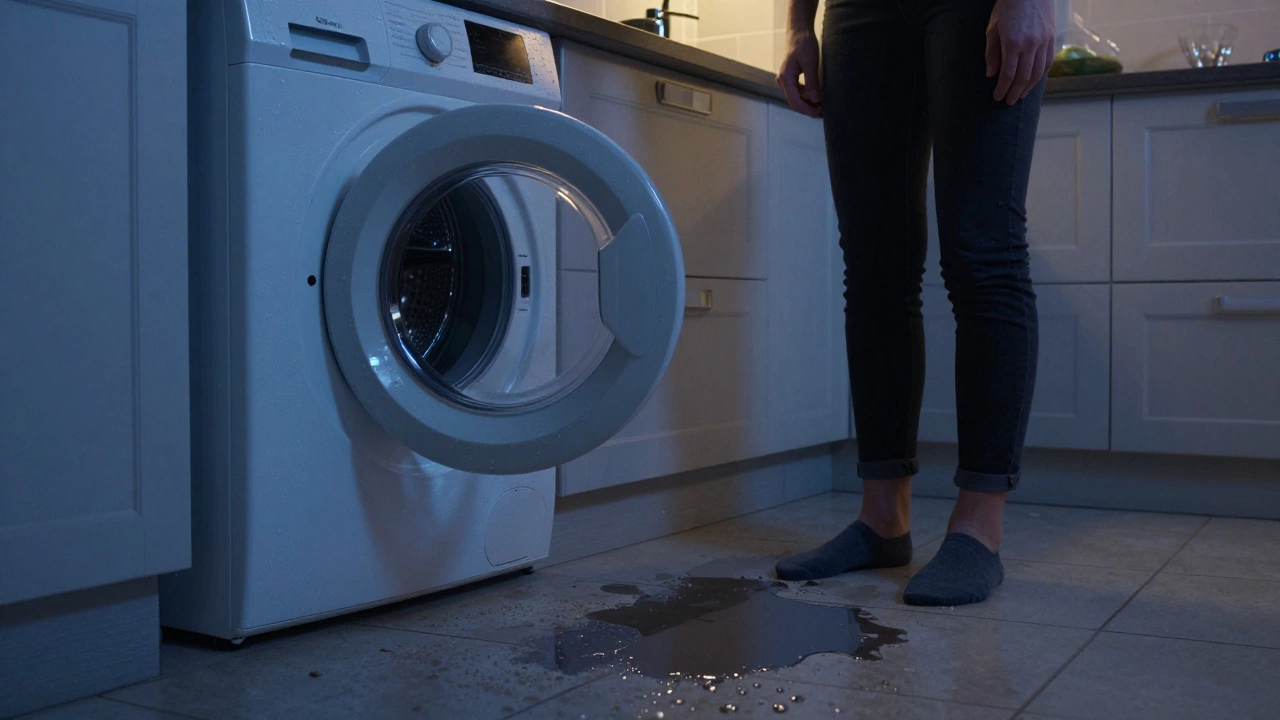
- Leaking Water: Small drips behind the machine might be a cracked hose or degraded door seal. If leaks persist after tightening connections, internal hoses may have split.
- Poor Cleaning Performance: Clothes come out stained or smelly despite fresh detergent? The heating element might be failing, or limescale is blocking water flow.
- Error Codes Piling Up: Modern machines display error codes. Frequent resets or multiple different errors suggest motherboard degradation.
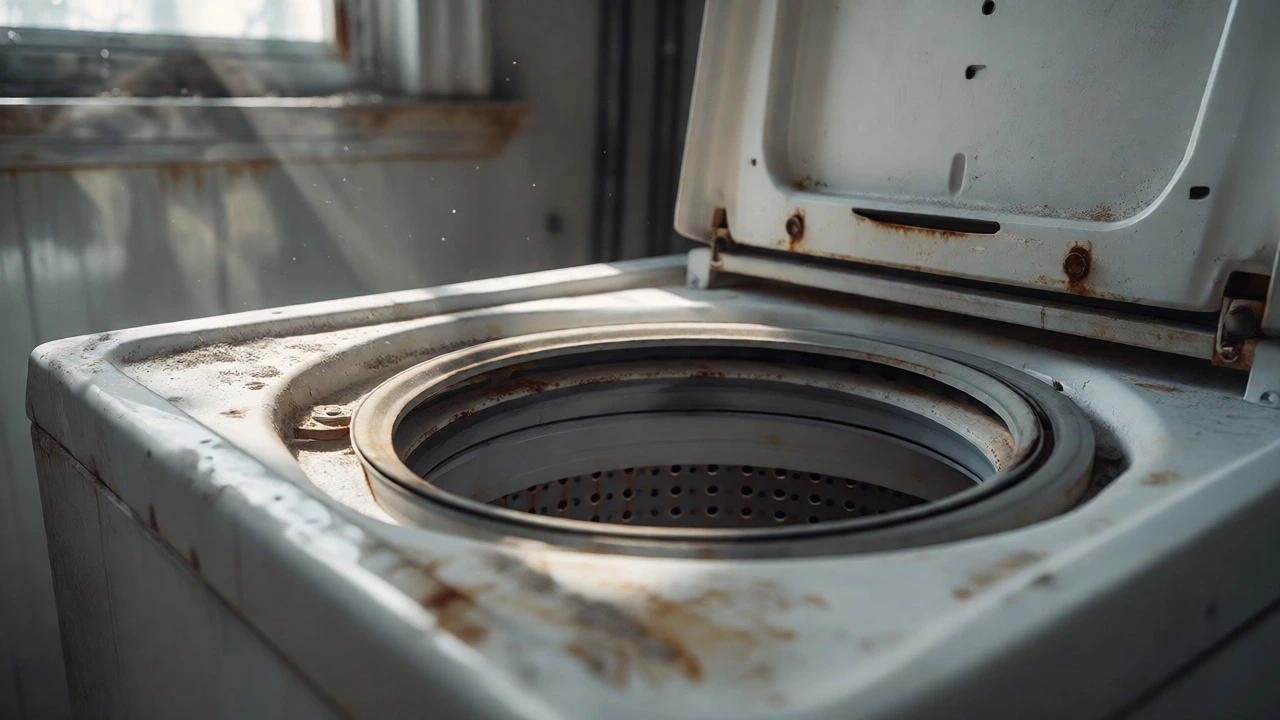
- Physical Damage: Cracked doors, broken hinges, or corroded feet reduce safety and efficiency. These aren’t always fixable economically.
If you’re seeing more than two of these issues simultaneously, especially past the ten-year mark, replacement often makes more sense than repeated repairs.
Repair vs. Replace: When Does It Make Sense?
This is where most people get stuck. The rule of thumb? If the repair costs more than 50% of a new machine’s price, buy new. But context matters.
Consider this scenario: Your twelve-year-old Bosch washer needs a new pump (£80 part + £60 labour = £140). A new mid-range washer costs £400. Repairing saves you £260. Plus, you avoid disposal fees and setup hassle. Go ahead and repair.
Now consider another: Your nine-year-old budget model needs a new control board (£120) AND a new door seal (£70). Total: £190. The machine also vibrates heavily due to worn suspension. Adding new shocks brings the cost to £280. At this point, buying a new £450 machine gives you warranty coverage and better energy efficiency. Replace.
Also factor in energy savings. Older machines use significantly more electricity and water. A modern A-rated washer can save you £30-£50 annually compared to an old C-rated model. Over three years, those savings offset part of the purchase price.
How to Extend Your Washing Machine’s Life
You don’t have to accept the average lifespan. Simple habits add years to your machine’s life. Here’s what actually works:
- Clean the Filter Monthly: Locate the small access panel at the bottom front. Remove debris, coins, and hair. A clogged filter strains the pump and causes drainage failures.
- Leave the Door Open After Use: Moisture trapped inside promotes mould growth on the rubber seal. Mould degrades rubber over time. Air it out for a few hours after each cycle.
- Use Correct Detergent Amounts: Overloading with detergent creates excess suds. Suds penetrate electronic components and cause short circuits. High-efficiency machines need less soap than older models.
- Descale Annually: Run an empty hot cycle with white vinegar or commercial descaler. This removes limescale from the heater and internal pipes. Especially important in hard water areas.
- Balance Loads Evenly: Don’t wash single heavy items like rugs alone. Unbalanced loads jerk the drum sideways, stressing bearings and suspension. Add towels to distribute weight.
- Check Level Feet Regularly: Use a spirit level. Adjust the feet so the machine sits flat. Wobble accelerates mechanical wear dramatically.
These steps take five minutes a month. They prevent costly breakdowns and keep your machine running smoothly. I’ve seen machines last eighteen years simply because owners cleaned filters and left doors open. Neglect kills appliances faster than age.
Environmental Impact of Early Replacement
Throwing away a working machine hurts the planet. Washing machines contain metals, plastics, and electronics that end up in landfills if not recycled properly. Manufacturing a new unit requires raw materials, energy, and transport emissions.
In the UK, local councils offer free appliance collection services. Check your council website for booking details. Many retailers also take back old machines when delivering new ones. Recycling recovers copper, steel, and rare earth magnets. It reduces demand for mining and lowers carbon footprints.
If your machine still works but is inefficient, consider repairing instead of replacing. Every extended year of life reduces waste. Even a simple pump replacement keeps tons of material out of landfill.
FAQ About Washing Machine Lifespan
How many years does a typical washing machine last?
Most washing machines last between 10 and 14 years. Budget models may fail earlier, around 7-9 years, while premium brands like Miele can exceed 15-20 years with proper care.
Should I repair my 12-year-old washing machine?
Yes, if the repair cost is under 50% of a new machine’s price. For example, replacing a pump for £140 on a £400 machine is worth it. However, if multiple major parts fail simultaneously, replacement may be more economical.
What causes washing machines to break early?
Overloading, poor installation (uneven feet), lack of maintenance (clogged filters, mould buildup), and hard water damage are the leading causes of premature failure. Excessive vibration also accelerates wear on bearings and suspension.
Do front-load washers last longer than top-loaders?
Front-loaders generally last slightly longer (10-14 years vs. 8-12 years) due to simpler mechanical designs and fewer moving parts. However, they are more prone to seal mould and bearing issues if not maintained properly.
How can I make my washing machine last longer?
Clean the filter monthly, leave the door open after use, use correct detergent amounts, descale annually, balance loads evenly, and ensure the machine is level. These simple habits prevent common failures and extend lifespan significantly.
Is it cheaper to repair or replace an old washing machine?
It depends on repair cost versus new machine price. If repairs exceed 50% of a new unit’s cost, replacement is usually better. Also consider energy savings-newer models use less electricity and water, saving £30-£50 yearly.
What should I do with my old washing machine?
Contact your local council for free appliance collection or ask your retailer to take it back when delivering a new one. Proper recycling recovers valuable materials and prevents environmental harm from landfill disposal.
How many years does a typical washing machine last?
Most washing machines last between 10 and 14 years. Budget models may fail earlier, around 7-9 years, while premium brands like Miele can exceed 15-20 years with proper care.
Should I repair my 12-year-old washing machine?
Yes, if the repair cost is under 50% of a new machine’s price. For example, replacing a pump for £140 on a £400 machine is worth it. However, if multiple major parts fail simultaneously, replacement may be more economical.
What causes washing machines to break early?
Overloading, poor installation (uneven feet), lack of maintenance (clogged filters, mould buildup), and hard water damage are the leading causes of premature failure. Excessive vibration also accelerates wear on bearings and suspension.
Do front-load washers last longer than top-loaders?
Front-loaders generally last slightly longer (10-14 years vs. 8-12 years) due to simpler mechanical designs and fewer moving parts. However, they are more prone to seal mould and bearing issues if not maintained properly.
How can I make my washing machine last longer?
Clean the filter monthly, leave the door open after use, use correct detergent amounts, descale annually, balance loads evenly, and ensure the machine is level. These simple habits prevent common failures and extend lifespan significantly.
Is it cheaper to repair or replace an old washing machine?
It depends on repair cost versus new machine price. If repairs exceed 50% of a new unit’s cost, replacement is usually better. Also consider energy savings-newer models use less electricity and water, saving £30-£50 yearly.
What should I do with my old washing machine?
Contact your local council for free appliance collection or ask your retailer to take it back when delivering a new one. Proper recycling recovers valuable materials and prevents environmental harm from landfill disposal.